


Working with a Thai Hom Mali rice exporter should be simple: you ask for rice, you get a fair price, and the containers turn up at your port with the right papers. We’re a Thai Hom Mali rice exporter, and we know it doesn’t always go that way. This guide explains what we sell, how the export side works from the mill to your port, and what you should expect from us or anyone else you buy from.
It’s for importers, distributors and retail buyers anywhere in the world who want Thai Hom Mali rice shipped direct from Thailand.
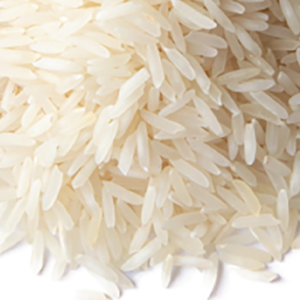
Table of Contents
What a Thai Hom Mali Rice Exporter Actually Does
A lot of companies call themselves exporters. Some own mills. Some are traders who buy from mills and resell. Some are just a website and a phone number.
A real Thai Hom Mali rice exporter is registered with the Thai Department of Foreign Trade, has access to milling and packing, and handles the whole export process: buying paddy, milling, testing, packing, booking ships, getting certificates and sending documents to your bank.
Here’s the chain we run for every order:
- Buy Hom Mali paddy from farmers, cooperatives and partner mills in the northeast
- Mill, polish and sort the rice to export grade
- Test purity, broken grains, moisture and cooking quality
- Pack into your chosen bags, plain or private label
- Truck the rice to the port and stuff the containers
- Arrange fumigation and inspection by an independent surveyor
- Get the certificates and the bill of lading
- Send documents to you or your bank
When you deal with a Thai Hom Mali rice exporter who controls these steps, there are fewer people to blame when something goes wrong, and fewer places for things to go wrong in the first place.
The Rice We Export
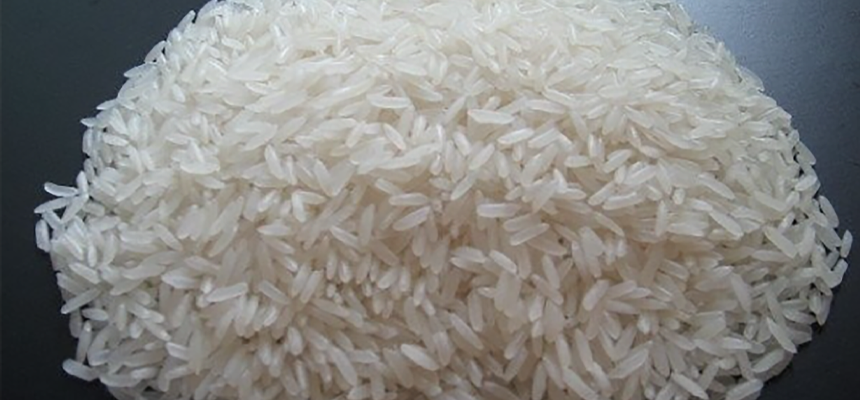
Thai Hom Mali is Thailand’s premium fragrant rice, known abroad as jasmine rice. It’s grown from the KDML 105 and RD15 varieties, mainly in the northeast. To be exported as Thai Hom Mali, the rice must be at least 92% pure Hom Mali, which is a rule set by the Thai government.
This is the spec we export as standard:
| Item | Specification |
|---|---|
| Product | Thai Hom Mali rice, 100% Grade A |
| Variety | KDML 105 / RD15 |
| Origin | Thailand |
| Hom Mali purity | 92% minimum |
| Broken grains | 4.5% maximum |
| Moisture | 14% maximum |
| Chalky kernels | 6% maximum |
| Yellow kernels | 0.2% maximum |
| Admixture | 2% maximum |
| Milling | Double polished, sortexed |
| Crop year | Current season, written in the contract |
| Packing | 5kg, 10kg, 25kg, 50kg bags, jumbo bags, private label |
| Shelf life | 12 to 24 months from milling |
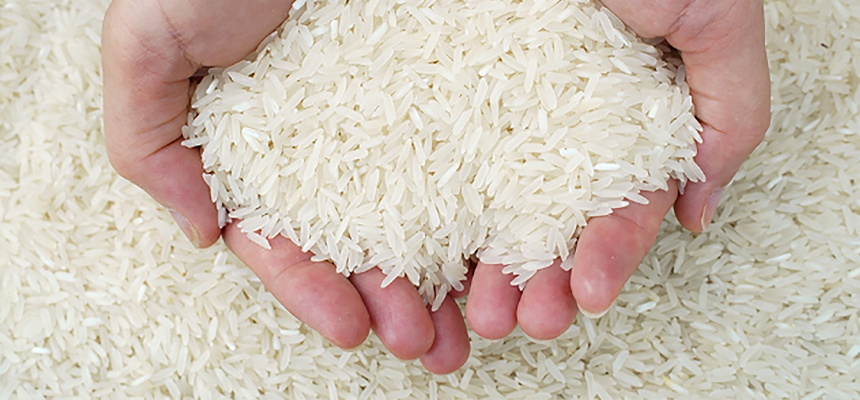
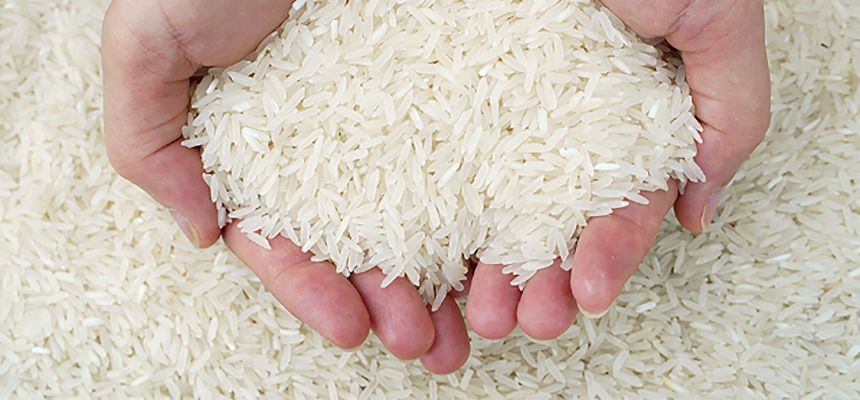
You can see the product itself on our Thai Hom Mali rice page.
Where Our Rice Comes From
As a Thai Hom Mali rice exporter we buy most of our paddy in the northeast, from Surin, Roi Et, Buriram, Sisaket, Yasothon and Ubon Ratchathani. Part of this region is the Thung Kula Rong Hai plain, a sandy, slightly salty area that grows some of the most fragrant Hom Mali in Thailand. Rice from there is protected as a geographical indication.
The crop is planted around July and August and harvested from November into January. Hom Mali only flowers when the days get shorter, so there’s one main crop a year. That’s why crop year and timing matter so much in this trade.
Export Documents a Thai Hom Mali Rice Exporter Should Provide
Paperwork is where a Thai Hom Mali rice exporter earns their keep. A missing stamp can hold your container at port for weeks. Here’s what we send with every shipment:
- Commercial invoice. Shows the product, quantity, price and terms.
- Packing list. Shows bags, weights and marks.
- Bill of lading. Issued by the shipping line. It’s the title to the goods.
- Certificate of origin. Confirms the rice is from Thailand. A Form E, Form D or other preferential certificate can be issued for countries with trade agreements with Thailand.
- Phytosanitary certificate. Issued by the Thai Department of Agriculture under IPPC rules to show the rice is free of pests.
- Fumigation certificate. Shows the rice or container was fumigated before shipping.
- Quality and weight certificate. Issued by an independent surveyor after inspection at loading.
- Thai Hom Mali certificate. Issued through the Department of Foreign Trade to confirm the rice meets the Hom Mali standard.
On request, we can also help with:
- Health certificate
- Halal certificate
- Non-GMO statement
- Lab reports for pesticide residues, heavy metals or aflatoxin
- Radiation certificate for some markets
- Legalization of documents by an embassy
Every country’s rules are a little different. Tell us your destination and your importer’s name before we start, and we’ll confirm the document list up front.
Inspection and Fumigation Before Export
Every container we load as a Thai Hom Mali rice exporter goes through two checks before it leaves.
Independent inspection. A surveyor such as SGS, Intertek or another company you name draws samples while the rice is loaded. They check weight, bag count and quality against the contract spec. Their certificate is what your bank and your customs office will look at.
Fumigation. Rice is a food product, and insects can come from anywhere, including the container itself. We fumigate according to the rules of your country so the rice arrives clean. Some countries ask for a specific method or for extra days before the container ships. We plan for that.
If you want your own inspector on site, that’s fine. Just give us a few days’ notice.
How Shipping Works
As a Thai Hom Mali rice exporter we ship mostly from Bangkok port and Laem Chabang, Thailand’s main deep sea port.
A typical timeline from the day your deposit or LC arrives:
| Step | Usual time |
|---|---|
| Milling and packing, standard bags | 1 to 2 weeks |
| New private label bags printed | 2 to 3 extra weeks for the first order |
| Container booking and stuffing | Few days |
| Inspection and fumigation | 2 to 5 days |
| Sea freight | 1 to 6 weeks depending on your port |
We quote on standard Incoterms: FOB, CFR and CIF. If you have your own freight forwarder, FOB may save you money. If it’s your first order, CIF is usually the easiest.
Markets We Ship To
Thai Hom Mali is eaten all over the world. As a Thai Hom Mali rice exporter we ship to buyers in:
- East and Southeast Asia
- The Middle East and the Gulf
- Europe
- Africa, both east and west coasts
- North America
- South America and the Caribbean
- Australia, New Zealand and the Pacific
The biggest markets for Hom Mali are the United States, Hong Kong, China, Singapore and parts of Europe and Africa. But demand is growing in plenty of other places, often led by Asian communities and Thai restaurants abroad.
What to Ask a Thai Hom Mali Rice Exporter Before You Pay
Before you send a deposit to any Thai Hom Mali rice exporter, ask these questions. A good exporter will answer them without hesitation.
- Are you registered as a rice exporter with the Thai Department of Foreign Trade?
- Which mill does the rice come from, and can I visit it?
- What crop year is the rice, and will it be in the contract?
- What is the Hom Mali purity?
- Which surveyor will inspect at loading?
- What documents will I receive?
- What are the payment terms?
- What happens if the rice fails inspection?
If you get vague answers, keep looking. We’d rather you take your time and buy with confidence than rush and regret it.
Payment Terms With a Thai Hom Mali Rice Exporter
We work with the usual payment methods for rice export:
- Irrevocable letter of credit at sight, confirmed by a bank if needed
- TT with a deposit, usually 30% at order and 70% against a copy of the bill of lading
- Cash against documents for long-term buyers
We won’t ask a new buyer to pay 100% up front. If any Thai Hom Mali rice exporter insists on that before documents exist, be very careful.
Private Label Export
Many buyers want their own brand on the bag. As a Thai Hom Mali rice exporter we print and pack private label rice as a normal part of the job.
We’ll need:
- Your artwork, or a brief so we can help design it
- Bag size, material and style
- Label text that meets your country’s food labeling rules
- Barcodes, batch codes and best before dates
- Expected volume, so we can plan printing
Check your label with your local food authority before the first print. It’s much cheaper than reprinting.
How Hom Mali Is Certified for Export
Thai Hom Mali is one of the few rices in the world with its own government export standard. That standard is a big part of why buyers trust it, and it’s something every Thai Hom Mali rice exporter has to work with.
In simple terms:
- The rice must be made from approved Hom Mali varieties, which means KDML 105 or RD15.
- It must contain at least 92% Hom Mali. The rest can only be other Thai white rice.
- Samples are taken from export lots and tested by approved labs, including tests that help tell Hom Mali apart from other varieties.
- Rice that passes can be exported with the Thai Hom Mali certification. Some brands also use the official Thai Hom Mali logo, which comes with its own checks.
What this means for you: when a Thai Hom Mali rice exporter sells you “Thai Hom Mali,” there’s a standard behind the word, and there are documents to prove it. If an offer uses the name but can’t show the certificate, ask why.
A Typical First Order, Week by Week
To make this less abstract, here’s how a typical first order runs. Say you’re an importer who wants two containers of 5kg private label bags.
Week 1. You send your quantity, port and artwork. We reply with a CIF price, the spec sheet and a draft label check. You ask for a sample.
Week 2. The sample arrives by courier. You cook it, maybe show it to a few customers, and confirm. We issue a proforma invoice and you pay a 30% deposit.
Weeks 3 to 5. We print your bags, mill the rice from current crop paddy, and run our purity, broken and moisture tests. You get photos of the bags and pallets before loading.
Week 6. The containers are stuffed at Laem Chabang with a surveyor on site. Fumigation is done, and the phytosanitary and Hom Mali certificates are issued.
Week 7. We send draft documents for you to check, then the final set once the bill of lading comes out. You pay the balance and we release the documents.
Weeks 8 to 12. The ship arrives, depending on your route, and your customs agent clears the rice.
Nothing fancy. Just a Thai Hom Mali rice exporter doing each step properly and keeping the buyer informed.
Import Rules to Check Before You Order
We handle the Thai side of the paperwork. Your side depends on your country. Before your first order with any Thai Hom Mali rice exporter, check these with your customs broker or food authority:
- Do you need an import permit or license for rice?
- Is there a quota, or a set period when rice imports are allowed?
- What import duty applies, and does Thailand get a lower rate under a trade agreement?
- Are there pesticide residue limits you need lab reports for?
- What must be printed on the bag in your language?
- Does the rice need a halal or other certificate?
- Do documents need to be legalized by your embassy in Thailand?
Send us the answers and we’ll make sure our documents match.
Common Export Problems and How We Avoid Them
In rice export, most things go wrong at least once sooner or later. Here’s how we try to stop them happening to you.
Documents with mistakes. One wrong letter in the consignee name can hold up customs. We send drafts of every document for you to check before we finalize them.
Delays at the Thai port. Container shortages and rolled bookings happen. We book early and keep in touch with more than one shipping line.
Rice that doesn’t match the sample. We keep a retained sample from every lot. If there’s a dispute, there’s something to compare against, plus the surveyor’s report.
Insect problems on arrival. Proper fumigation, clean containers and good bag quality cut this risk a lot.
Import rule changes. Countries change their rules. We keep an eye on the main markets and will tell you if something changes that affects your order.
Why Buy Direct From a Thai Hom Mali Rice Exporter
You can buy Thai Hom Mali through distributors in your own country, and for small buyers that often makes sense. But buying direct from a Thai Hom Mali rice exporter has clear advantages once you’re taking container loads:
- Better price per ton, because you skip one or two middlemen
- Control over the spec, including broken level and crop year
- Your own brand on the bag
- Direct contact with the people milling your rice
- Fresher rice, since it isn’t sitting in someone else’s warehouse first
The trade-off is that you take on import paperwork and need to buy in larger volumes. For most importers, it’s worth it.
Our Quality Checks
Every export lot goes through the same checks:
- Paddy inspection on arrival at the mill
- Hom Mali purity test
- Broken, chalky and yellow kernel counts after milling
- Moisture testing before packing
- A cooking test to check aroma, color and texture
- Independent inspection at loading
The smell of Hom Mali comes from a natural compound called 2-acetyl-1-pyrroline. It fades over time, which is why we push for fresh crop and good storage. More about how we test is on our quality control page and our rice standard page. Our certifications are listed on the achievements page.
Other Thai Rice We Export
A Thai Hom Mali rice exporter usually handles more than one kind of rice, and we’re no different. Alongside Hom Mali we export:
- Thai jasmine / Pathumthani fragrant rice
- Organic jasmine rice
- Thai glutinous rice
- White rice 5% broken
- Parboiled rice
- Red cargo rice
Mixed containers are possible. See everything on our products page.
Looking After the Rice in Transit
A container of rice spends weeks at sea, often crossing the equator, where temperatures inside a steel box can swing a lot between day and night. That can cause condensation, which people in the trade call container rain. Wet bags mean mold, and mold means a claim.
A careful Thai Hom Mali rice exporter takes steps to prevent it:
- Rice is packed at 14% moisture or lower, so there’s less water to begin with
- Containers are inspected before loading and rejected if they’re damaged or dirty
- Kraft paper or cardboard lines the walls and floor
- Desiccant bags are hung inside the container to soak up moisture
- Bags are stacked to leave a little airflow near the doors
These are cheap, simple things. Skipping them is one of the most common reasons a shipment arrives in poor condition.
Helping You Sell the Rice
Our job doesn’t stop at the port. A lot of buyers, especially those new to Hom Mali, ask us how to present it to their own customers. A few things that work:
- Tell people the crop year. Shoppers who know Hom Mali look for new crop.
- Give simple cooking directions. Rinse once, use about 1 to 1.2 cups of water per cup of rice, cook, then rest it for 10 minutes with the lid on.
- Mention it’s naturally gluten free.
- Use the word “Thai” clearly on the bag. The origin sells.
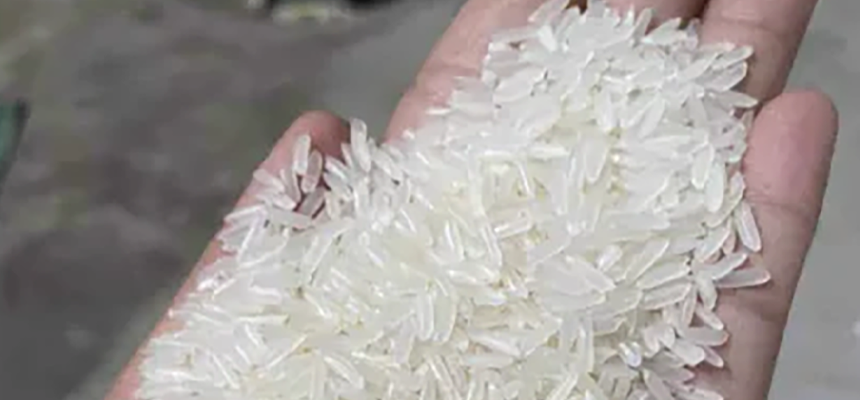
We’re happy to share photos, grain close-ups and product text for your website or shop display. As a Thai Hom Mali rice exporter, it’s in our interest for your rice to sell quickly.
Long-Term Supply Contracts
Once you’ve had a few good shipments, a supply contract usually makes sense. You agree on a number of containers over a period, a price review schedule, and a spec. We plan paddy buying and bag stock around it.
For you, that means steady stock and fewer price surprises. For us, it means we can buy paddy at the right time. Buyers who work this way with one Thai Hom Mali rice exporter usually find it cuts both their costs and their stress. It’s worth talking about after your second or third order.
Visiting Us in Thailand
Some buyers like to see things for themselves before they commit, and we think that is sensible. If you plan a trip to Thailand, let us know a couple of weeks ahead. We can show you the milling and packing lines, walk you through our testing, and cook samples from current stock with you. If timing allows, we can also take you to see the paddy in the northeast during the growing season or at harvest. It is a long drive from Bangkok, but many buyers say it changed how they think about the rice. You will leave knowing exactly who your Thai Hom Mali rice exporter is and how your rice is handled from the field to the container.
Frequently Asked Questions
Are you the mill or a trader?
We run milling and packing for our export orders and buy paddy directly in the growing regions. You’re welcome to visit.
What’s the minimum order?
One 20 foot container, about 25 metric tons.
How fast can you ship?
Standard bags usually ship within two to three weeks of payment. New private label bags take a few weeks longer on the first order.
Can you ship to my country?
Almost certainly. Tell us the port and we’ll confirm the documents and freight.
Can I get a sample?
Yes. We send samples from current stock.
For more answers, see our FAQ or read about us.
More Reading
- How to choose a Thai Hom Mali rice supplier
- Thai Hom Mali rice wholesale guide
- Thai Hom Mali rice price per ton
- Hom Mali 105 rice (KDML 105)
Contact a Thai Hom Mali Rice Exporter Today
Tell us your quantity, bag size, destination port and preferred shipping term. We’ll send a price, the spec sheet, a document list for your country and a sample offer.
Email info@dethairice.com or WhatsApp +66 81 034 6390. You can also reach us through our contact page.
We ship worldwide, and we’d be glad to be the Thai Hom Mali rice exporter you rely on.


2 thoughts on “Thai Hom Mali Rice Exporter: Best Direct Offer”