


If you’re looking for a Thai Hom Mali rice supplier, you have probably already had a few quotes that looked great on paper and then fell apart when you asked for a crop year or a lab report. We mill and export Hom Mali rice from Thailand, and this page is our plain explanation of what we sell, the specification we ship, and how an order actually works.
We wrote it for importers, distributors, supermarket buyers and restaurant groups. If that’s you, read on. If you just want a price, skip to the bottom and send us your quantity.
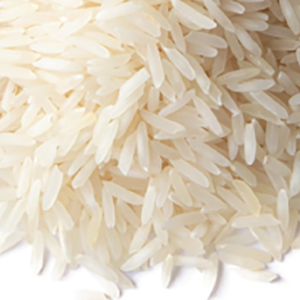
Table of Contents
What a Thai Hom Mali Rice Supplier Should Actually Sell You
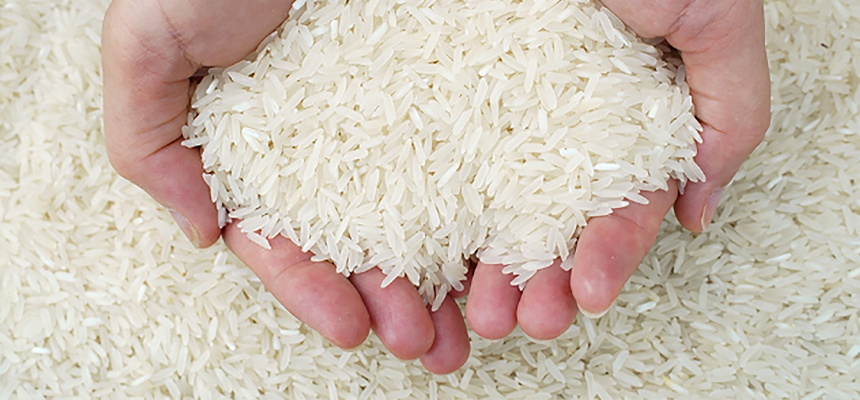
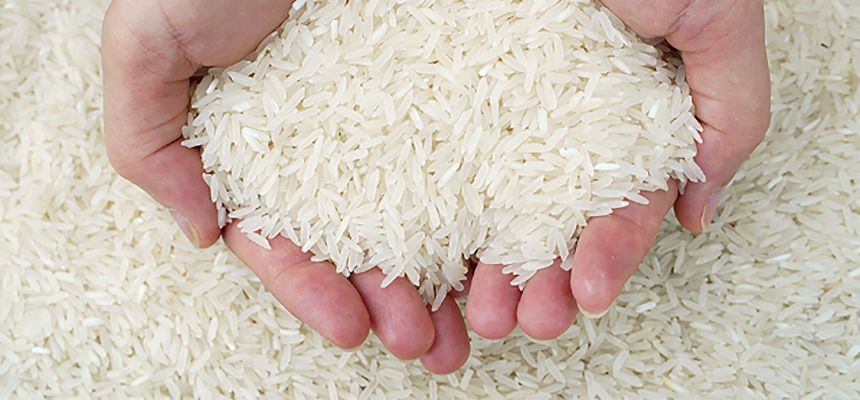
Thai Hom Mali rice is the fragrant long grain rice Thailand is known for. Most people abroad call it jasmine rice. It comes from two varieties, KDML 105 and RD15, grown in the wet season in the north and northeast of the country.
The Thai government sets a standard for it. To be sold as Thai Hom Mali rice for export, the rice has to contain at least 92% Hom Mali grains. The other 8% can be other white rice. Anything below that is not Hom Mali in the eyes of the Thai export standard, even if the bag says jasmine.
That’s the first thing any Thai Hom Mali rice supplier should tell you, and a surprising number don’t. You’ll see “premium jasmine” or “Thai fragrant” on offers that turn out to be Pathumthani rice, or a blend with 60% Hom Mali in it. Those are real products and they have their place, but they are not the same rice and they shouldn’t be priced as if they were.
We sell three things under this name:
- Thai Hom Mali rice 100% Grade A, our main export grade
- Thai Hom Mali rice with a looser broken allowance for food service and processors
- New crop Hom Mali for buyers who want the strongest aroma and will pay for it
The Specification We Ship as a Thai Hom Mali Rice Supplier
This is the working spec sheet we use as a Thai Hom Mali rice supplier for our standard grade. It matches what’s on our Thai Hom Mali rice product page, and it’s what we test against before anything is bagged.
| Item | Specification |
|---|---|
| Variety | Thai Hom Mali (KDML 105 / RD15) |
| Origin | Thailand, northeast and north growing regions |
| Hom Mali purity | 92% minimum |
| Grain type | Long grain, white, milled and double polished |
| Broken grains | 4.5% maximum |
| Moisture | 14% maximum |
| Chalky kernels | 6% maximum |
| Yellow kernels | 0.2% maximum |
| Admixture | 2% maximum |
| Red and damaged kernels | Negligible |
| Sorting | Sortexed (optical color sorting) |
| Crop year | Current season, confirmed in writing |
| Packing | 5kg, 10kg, 25kg, 50kg PP or woven bags, private label on request |
| Shelf life | 12 to 24 months from milling if stored properly |
If you need tighter numbers, say broken under 3% for a premium retail pack, tell us before you book. We can grade for it. It costs a bit more because more of the milled rice gets sorted out.
Why the Crop Year Matters More Than the Price
Here is something you learn quickly as a Thai Hom Mali rice supplier: buyers will argue about $20 a ton and then accept rice that is 18 months old without asking.
Hom Mali gets its smell from a compound called 2-acetyl-1-pyrroline. It’s the same thing that makes pandan leaves smell the way they do. It is strongest right after harvest and fades slowly in storage. Old crop Hom Mali still cooks soft and white, but the aroma is weaker, and your customers will notice.
The Hom Mali harvest runs from roughly November to January. Rice milled from that harvest is “new crop” into the following year. By the next harvest, it’s old crop.
So when you compare offers, ask every Thai Hom Mali rice supplier the same two questions:
- What crop year is this rice from?
- Will you put that in the contract?
We answer both, and yes, we put it in writing.
How Our Thai Hom Mali Rice Supplier Team Handles the Rice
We buy paddy from mills and farmer cooperatives in Surin, Roi Et, Buriram, Sisaket and the Thung Kula Rong Hai area. That flat, dry stretch of the northeast grows some of the best Hom Mali in the country, partly because the soil is poor and slightly salty, which seems to help the aroma.
After that the steps are pretty standard, but we don’t skip any of them:
- Cleaning to get out straw, dust, stones and bits of metal
- Husking to take off the hull
- Whitening and double polishing
- Grading to sort whole grains from broken
- Optical color sorting to pull out yellow, chalky and damaged kernels
- A manual check by our QC staff, because machines miss things
- Moisture testing on every lot before bagging
Our quality control page goes into more detail on the testing, and the rice standard page shows the milling setup.
What Makes a Good Thai Hom Mali Rice Supplier
We’ve bought and sold enough rice to know what separates suppliers who last from the ones who disappear after one shipment. None of it is complicated.
They show you samples from the actual lot
Anyone can send a nice sample. The question is whether the sample came from the rice you’ll receive. A proper Thai Hom Mali rice supplier sends a sample, then ships rice that matches it, and is happy to have a surveyor like SGS draw a sample at loading.
They give you a spec sheet and stick to it
The numbers in the table above aren’t marketing. They’re what we test against. If a shipment fails, that’s on us.
They tell you about price moves before you book
Hom Mali prices move with the Thai harvest, the baht and demand from big buyers like the US, Hong Kong and China. We’ll tell you if we think prices are about to rise or fall. We’d rather you book at a fair price and come back than feel stung.
They handle the paperwork without drama
Export paperwork is boring but it decides whether your rice clears customs or sits in port running up demurrage. We cover that in the next section.
Export Documents Your Thai Hom Mali Rice Supplier Should Send
A Thai Hom Mali rice supplier worth using should send these without you chasing:
- Commercial invoice
- Packing list
- Bill of lading
- Certificate of origin
- Phytosanitary certificate, issued under the IPPC framework by the Thai Department of Agriculture
- Fumigation certificate
- Certificate of quality and weight from an independent surveyor
- Thai Hom Mali certification from the Department of Foreign Trade, when required
Some countries ask for more, like a health certificate, a non-GMO statement, halal certification, or a lab report for pesticide residues. Tell us your destination and we’ll confirm what we can provide before you sign anything.
Packing Options
As a Thai Hom Mali rice supplier, we pack most of our rice in one of these:
- 5kg and 10kg bags for supermarkets and small shops
- 25kg bags for restaurants and caterers
- 50kg PP woven bags for distributors and repackers
- Private label bags printed with your brand, your language and your barcode
- Jumbo bags for repacking plants that buy by the container
A 20 foot container holds about 25 metric tons of bagged rice. Smaller trial orders can go LCL or by air if you really need them fast, though air freight on rice rarely makes sense past a sample.
How Thai Hom Mali Rice Compares to Other Fragrant Rice
Buyers often ask us whether they should buy Hom Mali or something cheaper. Here’s the honest answer.
Thai Pathumthani fragrant rice is a Thai jasmine type that grows in more than one season. It’s softer in price and has a lighter aroma. It’s a good choice for price sensitive markets. We sell that too, and our Pathumthani wholesale guide explains the difference in more detail.
Cambodian and Vietnamese jasmine rice has improved a lot and is cheaper. Some of it is very good. But it isn’t Thai Hom Mali, and in markets where shoppers know the name, it doesn’t sell at the same price.
Basmati is a different rice altogether. It cooks dry and separate. Hom Mali cooks soft and a little sticky. They’re not substitutes, and customers who want one usually don’t want the other.
If your customers know what Thai Hom Mali rice is, give them Hom Mali. If they just want “fragrant rice” at a low price, one of the alternatives may suit you better. We’d rather tell you that than sell you the wrong thing.
Who We Supply
As a Thai Hom Mali rice supplier we work with a mix of buyers, and each one needs things set up a little differently:
- Importers and distributors buying full containers on a regular schedule
- Supermarket chains and retail brands who want private label packs
- Restaurant groups and caterers who need steady 25kg supply
- Online grocers and specialty Asian shops starting with small volumes
- Food manufacturers making ready meals, rice snacks or frozen dishes
The spec, the paperwork and the packing change with each type of buyer. The rice doesn’t, and that’s the point of having one Thai Hom Mali rice supplier you trust.
Storage Advice for Your Warehouse
Good rice can go bad in a bad warehouse. A few simple rules:
- Keep it cool and dry, away from walls and off the floor on pallets
- Don’t store it next to anything with a strong smell, because rice absorbs odors
- Rotate stock first in, first out
- In hot, humid climates, plan to sell within 12 months to keep the aroma
Hom Mali is a premium product and it’s worth protecting. Any decent Thai Hom Mali rice supplier will tell you the same. A good warehouse is part of how you get paid for it.
Pricing: What to Expect From a Thai Hom Mali Rice Supplier
We don’t publish a fixed price on this page because it changes weekly. What we can tell you is how it’s built.
The main factors are:
- The paddy price in Thailand, which depends on the harvest
- The US dollar to Thai baht exchange rate
- Crop year, since new crop costs more
- Broken percentage and any extra sorting you ask for
- Packing, especially private label
- Freight to your port if you buy CFR or CIF
Top grade Thai Hom Mali has been trading at a big premium over ordinary white rice this year. The Thai Rice Exporters Association publishes weekly reference prices if you want to see where the market sits. For a firm number, send us your quantity and port and we’ll quote the same day. If you want to see how the price per ton is put together, read our guide on Thai Hom Mali rice price per ton.
Shipping Terms We Work With
As a Thai Hom Mali rice supplier we quote on standard Incoterms:
- FOB Bangkok or Laem Chabang, where you arrange the ship
- CFR, where we book the freight to your port
- CIF, where we add insurance as well
New buyers usually prefer CFR or CIF because it’s simpler. Bigger importers with their own freight contracts often buy FOB.
Payment is normally by LC at sight or TT, with a deposit and the balance against copy documents. We’ll talk through what works for a first order.
How to Start an Order
Ordering from a Thai Hom Mali rice supplier is simpler than most buyers expect:
- Send us your quantity, bag size, destination port and shipping term
- We reply with a price and the spec sheet
- We send a sample from current stock if you want one
- You confirm, and we issue a proforma invoice
- You pay the deposit or open the LC
- We mill, test, pack and book the vessel
- We send documents and you collect the rice at your port
For a first order, a single 20 foot container is a sensible size. It’s enough to test the rice in your market without tying up too much money.
Mistakes We See Buyers Make
A few things that cost buyers money every year:
- Buying on price alone. The cheapest Thai Hom Mali rice supplier on a list is usually cheap for a reason, often low purity or old crop.
- Not asking for the crop year. We’ve covered this, but it’s worth saying twice.
- Skipping the pre-shipment inspection. A surveyor costs a few hundred dollars. A bad container costs thousands.
- Forgetting import rules. Some countries need a permit before the rice lands. Check before you book, not after.
- Ordering the wrong bag size. If your market buys 5kg bags, don’t order 50kg and plan to repack. It’s slower and costs more than you think.
A Quick Checklist for Choosing a Thai Hom Mali Rice Supplier
Print this out if it helps. Before you pay a deposit to any Thai Hom Mali rice supplier, you should be able to tick every line:
- You’ve seen a spec sheet with purity, broken, moisture and chalky numbers
- The crop year is stated and written into the contract
- You’ve received and cooked a sample, and it smelled right
- The supplier has named the independent surveyor who will inspect at loading
- You have a list of the export documents and they match your country’s import rules
- Payment terms are clear, and the balance is paid against documents, not before
- You have a real person to call or message when something goes wrong
If a Thai Hom Mali rice supplier pushes back on any of these, ask why. Sometimes there’s a fair reason. Often there isn’t.
Signs You’ve Picked the Wrong Supplier
Some warning signs to watch for:
- The price is far below everyone else’s, and nobody can explain why
- The company has no mill, no warehouse and no address you can visit
- The spec sheet says “jasmine rice” but doesn’t mention Hom Mali purity at all
- They want 100% payment up front by wire before any documents exist
- The sample is excellent, and the container is not
It’s a common story in this trade: a supplier sends a lovely new crop sample, then loads rice from two seasons back. By the time the containers arrive, it’s too late to argue. A pre-shipment inspection would have caught it for a few hundred dollars.
A good Thai Hom Mali rice supplier doesn’t mind you checking. We actually prefer it, because a buyer who checks is a buyer who comes back.
Other Rice We Supply Alongside Hom Mali
Plenty of our buyers use one Thai Hom Mali rice supplier for everything and fill a container with more than one product. Besides Hom Mali, we export:
- Thai jasmine and Pathumthani fragrant rice
- Organic jasmine rice
- Thai glutinous (sticky) rice
- Long grain white rice 5% broken
- Thai parboiled rice
- Thai red cargo rice
The full list is on our products page. Mixed containers are fine as long as each product is packed and labeled on its own.
Working With Us Over the Long Run
Most of our regular buyers started with one container. After two or three shipments that arrived on time and matched the sample, they moved to a standing order: a set number of containers a month or a quarter, with price reviewed at agreed points.
That setup is good for both sides. You get steady stock and fewer surprises. We can plan paddy buying around your needs, which helps us hold quality through the year. It’s also where a Thai Hom Mali rice supplier can save you real money, because we can buy paddy at harvest when prices are usually lower and set it aside for you.
If you already have a supplier and just want a backup, that’s fine too. Plenty of importers keep two sources so a delay at one mill doesn’t empty their shelves.
Samples: What to Look For
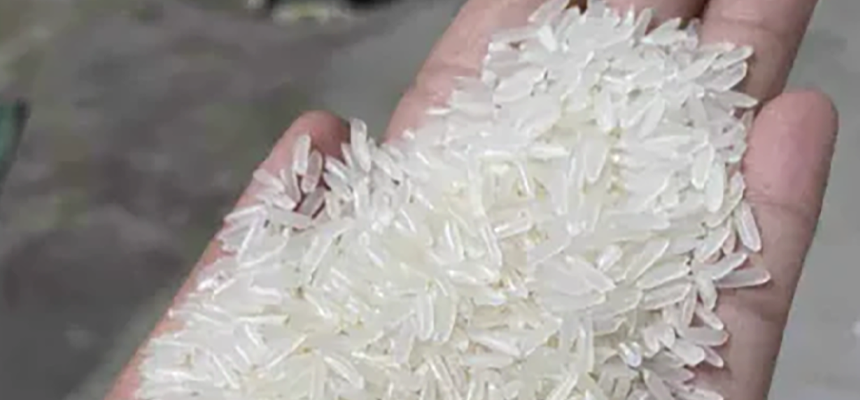
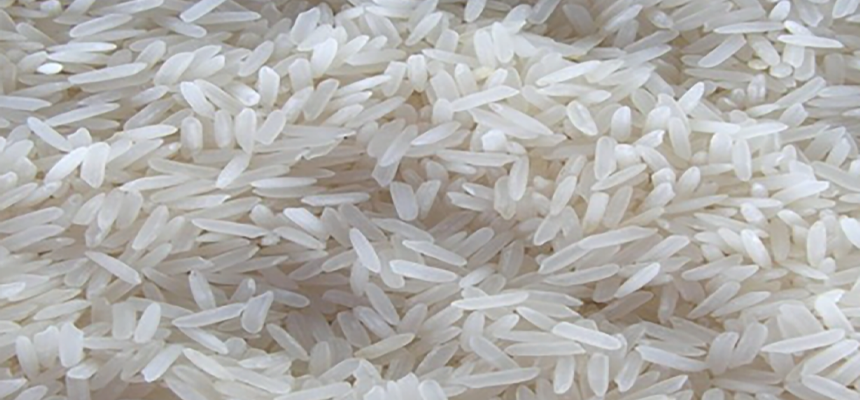
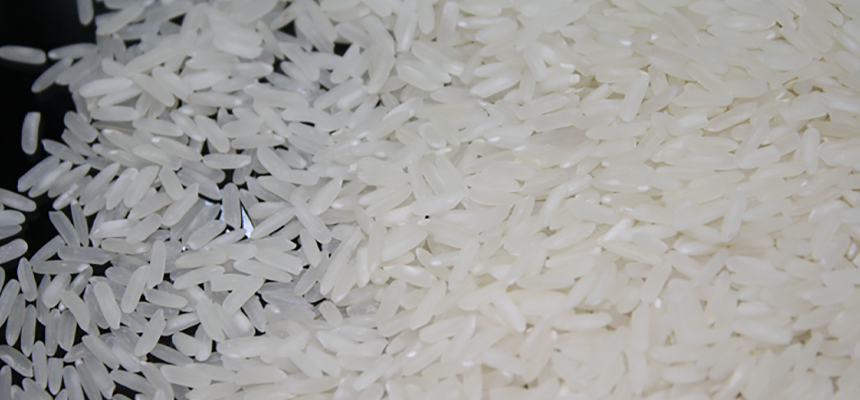
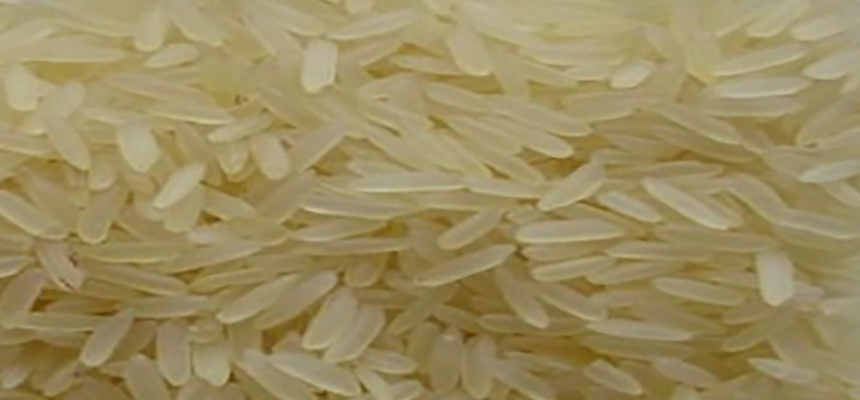
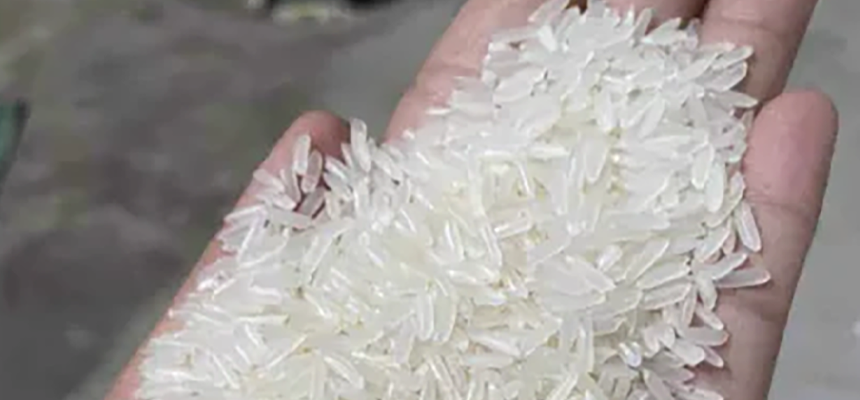
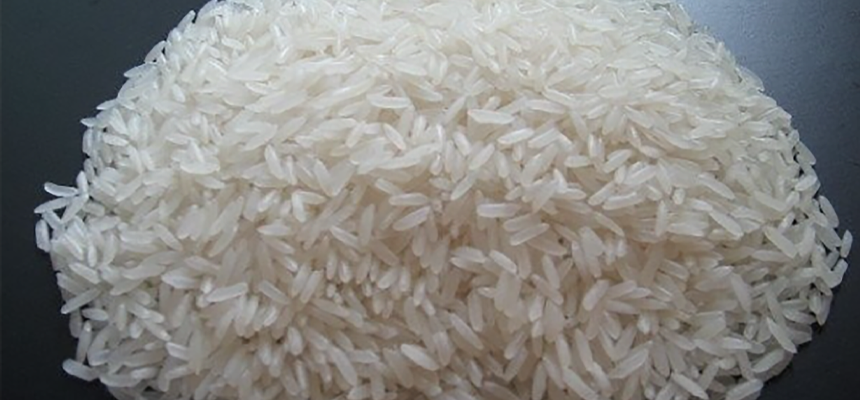
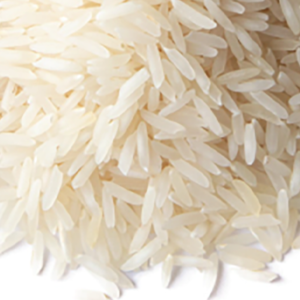
A sample tells you more than any spec sheet. When it arrives, open the bag and smell it before you do anything else. Good Hom Mali has a light, sweet smell even raw. Pour some onto a dark plate and look at it under daylight. The grains should be long and slim, mostly clear rather than chalky white, with very few broken bits or yellow grains. Then cook a cup with a little less water than you would use for ordinary rice. When you lift the lid, the kitchen should smell of pandan. Taste it warm and again once it has cooled. If a Thai Hom Mali rice supplier sends you a sample that passes all of that, and then puts the same crop year in the contract, you are in good hands.
Frequently Asked Questions
Is Thai Hom Mali rice the same as jasmine rice?
Yes and no. All Thai Hom Mali rice is jasmine rice, but not all jasmine rice is Thai Hom Mali. The name Hom Mali is protected by the Thai standard and needs 92% purity of the KDML 105 or RD15 varieties.
What is your minimum order?
One 20 foot container, about 25 tons, for standard export. We can talk about smaller trial lots for retail buyers, but the price per ton is higher.
Can you print our brand on the bags?
Yes. Send us your artwork, or we can help you design it. Allow extra time for the first print run.
How long does shipping take?
Milling and packing usually take two to three weeks after payment. Sea freight depends on the port, anywhere from one week to Asia to five or six weeks to the Americas or West Africa.
Can I visit the mill?
Yes. We’re happy to have buyers come to Thailand and see the rice before they order. Let us know ahead of time.
More answers are on our FAQ page, and you can read about the company on our about us page or see our certifications.
Related Guides
If you’re still comparing options, these may help:
- Thai Hom Mali rice wholesale: buying in bulk
- What to expect from a Thai Hom Mali rice exporter
- Hom Mali 105 rice (KDML 105): the variety explained
Talk to a Thai Hom Mali Rice Supplier Directly
If you’ve read this far, you know what you’re looking for. Send us the quantity, bag size, destination port and the shipping term you prefer, and we’ll send back a price, a spec sheet and a sample offer.
Email info@dethairice.com or message us on WhatsApp at +66 81 034 6390. You can also use our contact page.
We ship Thai Hom Mali rice worldwide, and we’d be glad to be your Thai Hom Mali rice supplier for the long run.
11 thoughts on “Thai Hom Mali Rice Supplier: Best Direct Offer”