


If you buy rice for the Gulf, Iraq, Yemen or the Levant, you already know the market is picky. Customers want long, clean, white grains that cook up separate, and they’ll switch brands fast if a lot comes in chalky or broken. That’s exactly why so many buyers look at Thai white rice for Middle East importers. We’re De Thai Products 1989 Company Limited, a rice mill and exporter in Chachoengsao, Thailand, and we ship Thai white rice for Middle East importers every month. This page covers the grades we sell, the specs, packing, labeling, ports, timing and price, written the way we’d explain it to a buyer sitting across the table from us.
Why Thai White Rice for Middle East Importers Makes Sense
The Middle East imports almost all of its rice. Basmati gets the headlines, and for kabsa, mandi and biryani it’s still the favorite in Saudi Arabia and much of the Gulf. But a huge amount of everyday rice in the region is long grain white rice, and that’s where Thailand shines.
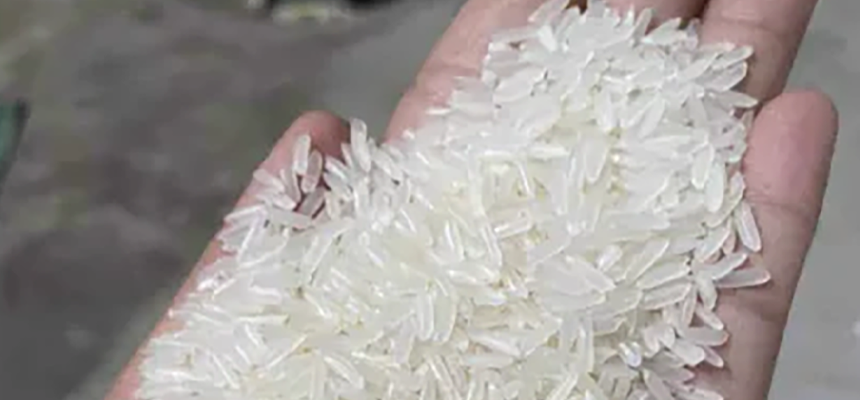
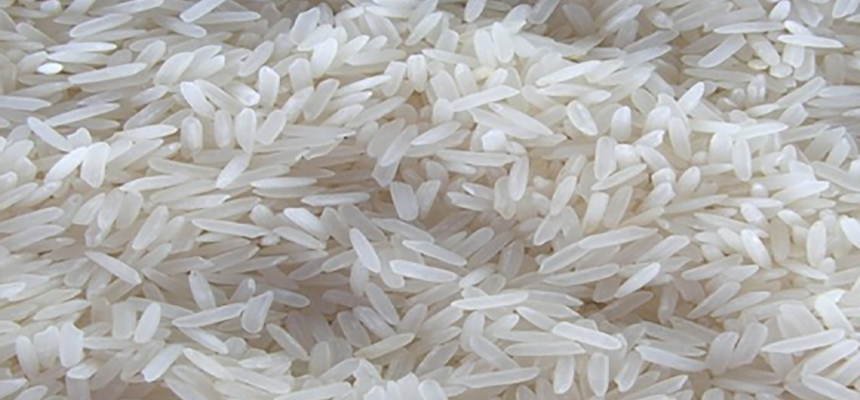
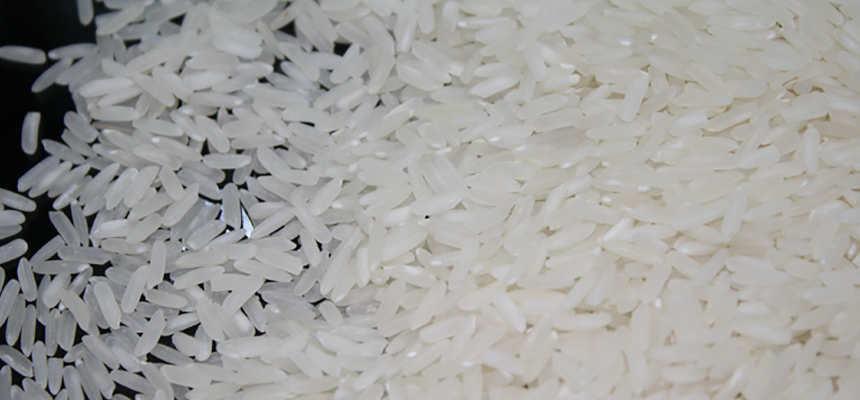
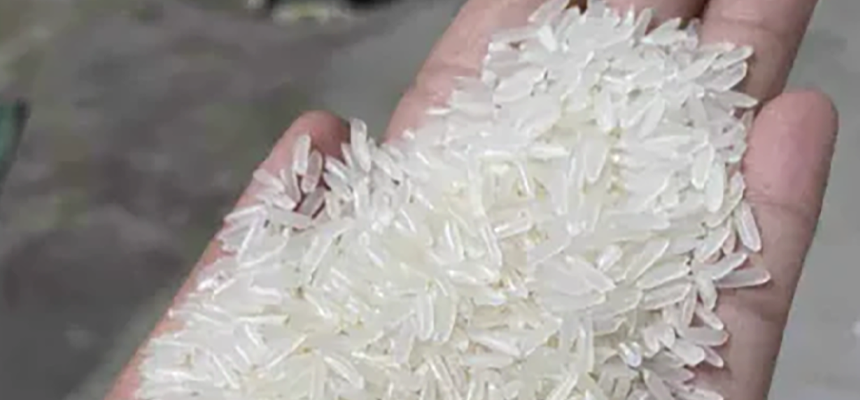
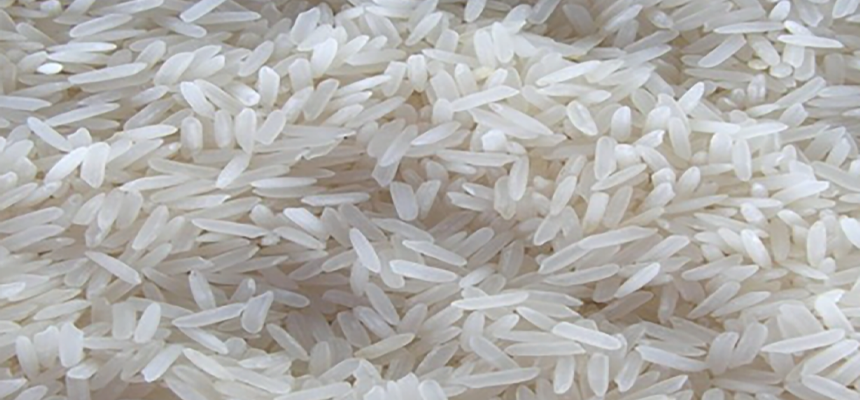
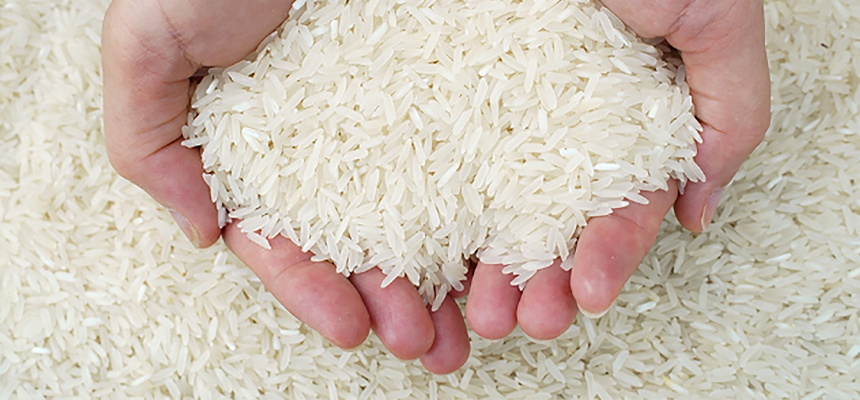
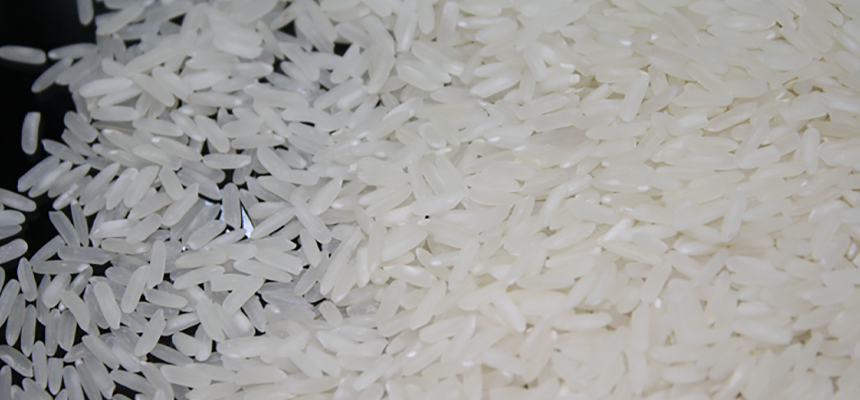
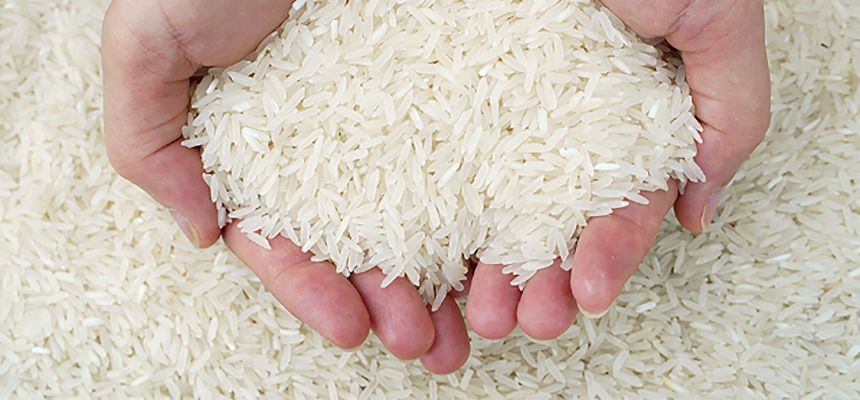
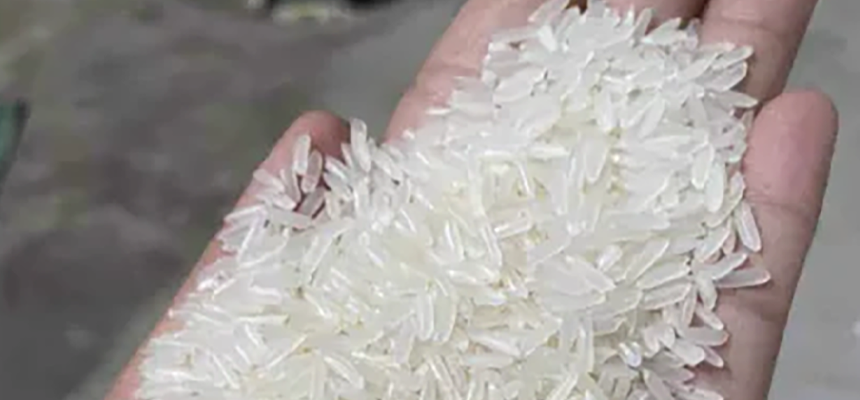
Thai long grain white rice is bright, slim and fairly neutral in flavor. It cooks firm and separate, which suits rice served with stews, grills and sauces. It’s also cheaper than premium basmati, and it holds steady in quality from shipment to shipment. For restaurants, caterers, hotels, government buyers and supermarket private labels, that consistency is what keeps customers coming back. Put simply, Thai white rice for Middle East importers sits in the sweet spot between price and quality.
Thailand has also been shipping rice to the region for decades. Iraq has bought Thai rice through government tenders for years, and Dubai has long been a hub where Thai rice is re-exported across the Gulf, East Africa and Central Asia. Exporters, shipping lines and inspectors all know the route well.
Which Grades Middle East Buyers Actually Order
Not every grade sells everywhere, and choosing the right one is the first decision with Thai white rice for Middle East importers. Here’s what we see moving in the region, and what it usually ends up being used for.
| Grade | Typical buyer | Main use |
|---|---|---|
| Thai white rice 5% broken | Supermarkets, wholesalers, restaurants | Everyday table rice, retail packs |
| Thai white rice 100% sortexed | Premium private labels, hotels | Retail where looks matter most |
| Thai white rice 10% broken | Wholesalers, catering | Food service, value retail |
| Thai white rice 25% broken | Price-driven wholesale, food aid | Bulk feeding programs, budget retail |
| Thai Hom Mali / jasmine | Asian communities, hotels, premium shops | Fragrant rice for Asian dishes |
| Thai parboiled 5% broken | Caterers, labor camps, airlines | Bulk cooking, holds well in buffets |
| 100% broken white rice | Food processors | Flour, snacks, baby food, brewing |
Most first orders of Thai white rice for Middle East importers are 5% broken or sortexed. If you’re not sure which grade fits your customers, our guide to Thai white rice grades walks through the differences.
Our Thai White Rice Specifications
Here’s what we load against when we ship Thai white rice for Middle East importers. Every line is tested before bagging, and the figures go onto the inspection report.
Thai white rice 5% broken
| Item | Standard |
|---|---|
| Origin | Thailand, current crop |
| Grain length | 7.0 mm average and up |
| Broken grains | 5% maximum |
| Moisture | 14% maximum |
| Purity | 95% minimum |
| Chalky grains | 2% maximum |
| Damaged grains | 1% maximum |
| Foreign matter | 0.1% maximum |
| Milling | Well milled, double polished, sortexed |
| Shelf life | Up to 24 months if stored properly |
See the full sheet in our Thai white rice 5% broken specification or go straight to the white rice 5% broken product page.
Other white grades
- Thai white rice 100% sortexed: optical sorting removes yellow, black and damaged grains, available at 5% to 25% broken.
- White rice 10% broken: broken 10% max, moisture 14% max, a good value grade.
- White rice 25% broken: broken 25% max, popular for tenders and budget retail.
- White rice 100% broken: for processors and industrial users.
Packing Thai White Rice for Middle East Importers
Packing is where a lot of deals are won or lost in the Gulf. Customers judge a rice brand by the bag before they ever cook it, so we treat packing as a core part of supplying Thai white rice for Middle East importers, not an afterthought.
- Retail: 1 kg, 2 kg, 5 kg and 10 kg printed bags, PE or BOPP laminated, with handles on larger sizes.
- Wholesale: 25 kg and 50 kg woven PP bags, plain or printed, with or without an inner liner.
- Jute look: printed jute or jute-look PP bags for a traditional feel.
- Private label: your brand, your artwork, printed in Thailand. Minimums apply per design.
For Thai white rice for Middle East importers, we print bilingual Arabic and English labels as standard when the buyer asks. The label normally shows product name, grade, net weight, origin, producer, importer, production and expiry dates, storage advice and a batch number. Your local authority sets the exact rules, so we follow the artwork you approve.
Halal, Health and Import Documents
Rice is plant food and is halal by nature, but many Gulf buyers and retailers still want a halal certificate on file, and some tenders require it. We can supply one through Thailand’s recognized halal bodies.
A typical document set for Thai white rice for Middle East importers looks like this:
- Commercial invoice and packing list
- Bill of lading
- Phytosanitary certificate from the Thai Department of Agriculture
- Certificate of origin, legalized at the chamber and embassy where required
- Certificate of quality, weight and packing from an independent inspector
- Fumigation certificate
- Halal certificate when requested
- Health certificate or non-GMO statement where requested
Saudi Arabia has its own product conformity system, and the Saudi Food and Drug Authority sets food import rules there. Other GCC countries follow Gulf standards with local differences. Tell us the destination and we’ll prepare the documents to match. Our SGS inspection option covers quality, weight and packing at loading.
Ports, Transit Times and Incoterms
We ship from Bangkok and Laem Chabang. Common destinations for Thai white rice for Middle East importers include:
- Jebel Ali, UAE: around 12 to 18 days transit
- Dammam and Jeddah, Saudi Arabia: around 14 to 25 days
- Umm Qasr, Iraq: around 18 to 28 days, often via Jebel Ali
- Hamad, Qatar; Shuwaikh, Kuwait; Sohar, Oman: around 14 to 22 days
- Aden and Hodeidah, Yemen; Aqaba, Jordan; Beirut, Lebanon: depends on routing
Transit times change with the shipping lines and the season, so treat these as rough guides. We quote FOB, CFR or CIF. Most Gulf buyers prefer CFR to their port, so they control the insurance and customs side.
The Gulf summer is hot, sometimes over 45°C at the port. Rice should be cleared quickly and stored somewhere cool and dry. We pack every container with kraft paper and desiccants, and our guide on moisture damage in rice containers explains why.
Price Guidance for Thai White Rice for Middle East Importers
Prices move with the Thai crop, the baht, freight and what India, Vietnam and Pakistan are doing. Broadly, 5% broken sells at a premium to 25% broken, sortexed sells a little above standard, and Hom Mali sits well above all white grades. Freight to the Gulf is usually one of the cheaper lanes out of Thailand.
For current numbers, see our Thai white rice 5% broken FOB price page and the rice wholesale price list 2026. For a firm price on Thai white rice for Middle East importers, send us the grade, bag, quantity and port and we’ll quote CFR the same day in most cases. You can also follow Thai export price trends through the Thai Rice Exporters Association.
How Thai Rice Compares to Other Origins in the Gulf
Middle East buyers have plenty of choice. Pakistan sells IRRI-6 and basmati. India sells long grain white, sella and basmati. Vietnam sells long grain white and jasmine-type rice. The US sells Calrose and long grain to some markets.
Thai white rice usually wins on grain appearance, cooking consistency and supplier reliability. It’s often not the cheapest, but it’s the one that gives the fewest complaints. If you’re weighing Thai against Pakistani rice, we’ve written a direct comparison of Thai white rice vs Pakistani IRRI-6, and another of Thai white rice vs Indian 5% broken. For the parboiled versus basmati question that comes up a lot with Gulf caterers, see parboiled rice vs basmati rice.
Timing Your Orders Around Ramadan and Peak Seasons
Rice demand in the region spikes before Ramadan and Eid. Retailers stock up, charities buy for food baskets, and caterers plan iftar menus weeks ahead. If you want your rice on the shelf in time, place the order at least eight to ten weeks before you need it in the warehouse. That covers milling, packing, printing for private label, inspection, shipping and customs.
Hajj season brings big catering orders in Saudi Arabia too. Plan Thai white rice for Middle East importers around those dates rather than chasing short-notice containers when everyone else is too.
Other Rice We Supply to the Region
- Thai Hom Mali: purity 92% min, strong natural fragrance, popular with hotels and Asian communities.
- Thai jasmine / Pathumthani: fragrant and soft, at a lower price than Hom Mali.
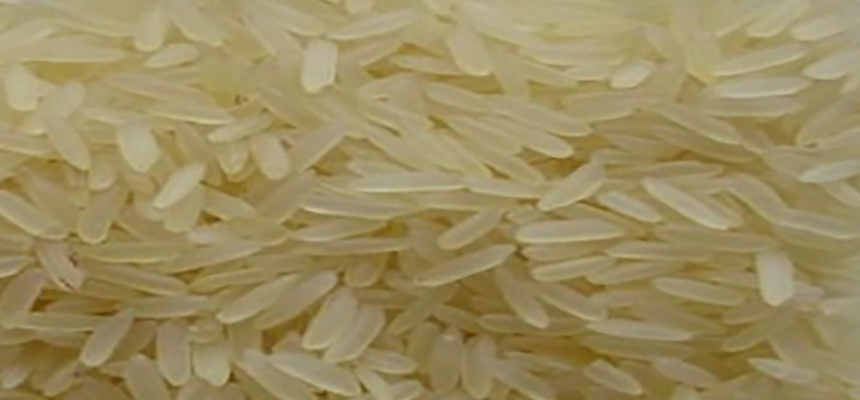
- Thai parboiled 5% broken: golden, firm, great for buffets. See our parboiled rice wholesale Saudi Arabia page.
- Basmati: raw, steam and sella for kabsa and biryani.
- Glutinous rice and brown rice for specialty buyers.
Jasmine buyers in the UAE can also read our page on being a jasmine rice supplier in Dubai.
7 Proven Tips for Buying Thai White Rice for Middle East Importers
- Match the grade to the shelf. 5% or sortexed for retail, 10% or 25% for wholesale and food service.
- Ask for current crop. And put the crop year in the contract.
- Fix the label early. Arabic artwork approvals can take time. Start before you sign.
- Get the document list from your clearing agent. Then send it to us. No surprises at customs.
- Inspect at loading. Quality, weight, packing and container condition.
- Plan for heat. Fast clearance and cool storage, especially in summer.
- Book ahead of Ramadan. Eight to ten weeks lead time is a sensible minimum.
Country by Country: What Buyers Ask For
The Middle East isn’t one market. Each country has its own habits, rules and favorite bag sizes. Here’s a rough picture from the orders and enquiries we handle. It’s not a rulebook, just what we’ve noticed over the years selling Thai white rice for Middle East importers.
Saudi Arabia
The biggest rice market in the Gulf. Basmati and sella dominate kabsa, but long grain white rice and parboiled rice sell in large volumes to caterers, labor camps, hospitals and budget retail. Saudi buyers care a lot about product registration and conformity paperwork, so build that into your timeline. Bags of 5 kg, 10 kg and 40 kg are common at retail and wholesale.
United Arab Emirates
Dubai is a trading hub. A good share of the rice landing at Jebel Ali gets re-exported to Oman, Iran, Iraq, East Africa and Central Asia. UAE buyers often want flexible packing, several grades in one container and quick documents. Supermarkets in the UAE carry a wide range of Asian rice too, which is why Thai Hom Mali and jasmine sell well alongside white rice.
Iraq
Iraq has been a steady buyer of Thai rice for a long time, both through government programs and private importers. Long grain white rice with low broken content is the main ask. Containers often route through Jebel Ali or arrive at Umm Qasr. Document legalization is important here, so check every requirement with your clearing agent before loading.
Kuwait, Qatar, Bahrain and Oman
Smaller markets, but with high standards and strong spending power. Retail presentation matters, and private label is common. Many buyers here order sortexed rice for a very even look. Shipments are often mixed containers with white rice, jasmine and parboiled together.
Yemen, Jordan and Lebanon
Price matters a lot, and 10% to 25% broken grades sell well, along with food aid volumes. Shipping routes can be less direct, so leave extra time. Strong packing helps because cargo may be handled several times on the way.
Whatever the country, Thai white rice for Middle East importers works best when we know the end customer early. Tell us who will eat the rice and how it’ll be cooked, and we’ll suggest the grade and bag.
How Thai White Rice Cooks in Middle Eastern Kitchens
We get asked this a lot by importers who are new to Thai rice. Thai long grain white rice is firm when cooked with the right water, and the grains stay separate if you rinse it and don’t over-stir. It doesn’t stretch the way basmati does, but it’s less fussy and holds up well when cooked in big pots for family meals, weddings and catering.
For dishes like machboos, maqluba, rice with lamb or chicken, and everyday rice with stews, many restaurants use Thai white rice because it gives a clean look and predictable results batch after batch. A rough guide is about 1 to 1.5 parts water to 1 part rice by volume, with a short rest after cooking. Cooks will adjust that to taste. If your customers want more aroma, Thai Hom Mali is the natural step up. For very large buffets that sit for hours, parboiled rice holds its shape better than white rice. That flexibility is part of why Thai white rice for Middle East importers sells across so many kinds of shops.
Storage and Shelf Life in Hot Climates
Heat is the main enemy of rice in the Gulf. White rice stored cool and dry keeps well for up to two years, but in a hot metal warehouse the quality drops much faster. Grains can yellow, insects become more likely and the rice may pick up a stale smell.
- Store bags on pallets, off the floor and away from walls.
- Keep the warehouse ventilated and, ideally, air conditioned for retail stock.
- Rotate stock so older lots go out first.
- Keep rice away from strong smells like spices, chemicals or fuel.
- Check stock every few weeks during summer.
For Thai white rice for Middle East importers, we print the production date and best-before date on every bag so retailers can rotate stock easily.
Payment Terms We Offer
We work on irrevocable L/C at sight, or a deposit with the balance against copy documents, once we know each other. Payment always goes to our company account in Thailand, in our company name. We never ask for payments to personal accounts or through money transfer apps. Many Gulf buyers prefer L/C for the first shipment and move to deposit terms once trust is built. Either way, the documents for Thai white rice for Middle East importers are prepared to match your bank’s L/C wording line by line, so there are no discrepancies.
How Private Label Works With Us
Lots of Middle East buyers want rice under their own brand. The process is simple. You send your logo and artwork, or we help design it. We prepare a digital proof with all required label text in Arabic and English. You approve it. We print the bags in Thailand, usually in two to three weeks, then fill and load them. You get photos of the printed bags before loading.
Minimum print runs depend on bag type and size. For laminated retail bags it’s usually a few tens of thousands of bags per design. For printed PP 25 kg or 50 kg bags, it’s lower. If you’re building a brand of Thai white rice for Middle East importers and retailers, this is often the best way to own the shelf space and protect your margin.
Mistakes We See New Importers Make
The most common one is buying on price alone and then finding the rice is old crop or more broken than expected. The second is printing bags before checking local labeling rules, which means relabeling at the port. The third is leaving containers in a hot yard for weeks. All three are easy to avoid once you know about them.
Another one is trusting an offer that looks too cheap. Fake Thai rice offers aimed at Gulf buyers are common. Before you pay anybody, read our guide on how to avoid rice supplier scams. Buying Thai white rice for Middle East importers should feel boring and predictable. If it feels exciting and rushed, slow down.
A Typical First Order
A wholesaler in the Gulf might start with two 20-foot containers of Thai white rice 5% broken in 25 kg printed PP bags, about 50 tons in total, CFR Jebel Ali. Payment by L/C at sight. Inspection by SGS at loading. Halal and phytosanitary certificates, certificate of origin legalized at the embassy.
From signed contract to loading usually takes two to four weeks, depending on bag printing. Add the voyage, and the rice is on the buyer’s floor in roughly five to seven weeks. After a couple of shipments, most buyers move to a monthly or quarterly program so they always have stock. That’s how most of our relationships for Thai white rice for Middle East importers have grown.
Why Buy From a Mill
Buying straight from a mill means you deal with the people who actually make the rice. We control the paddy we buy, the milling, the sorting, the bagging and the loading. You get one contract, one point of contact and one company responsible if anything isn’t right. There’s no long chain of agents adding margin. You can read more about our mill direct supply, our quality control and our brands.
Frequently Asked Questions
What’s the minimum order for Thai white rice for Middle East importers?
One 20-foot container, about 25 tons. Private label bags may need a larger first run for printing.
Can you print Arabic labels?
Yes. We print bilingual Arabic and English bags to your approved artwork.
Do you supply halal certificates?
Yes, on request, through recognized Thai halal bodies.
Which ports do you ship to?
All major Gulf and Middle East ports, including Jebel Ali, Dammam, Jeddah, Umm Qasr, Hamad, Shuwaikh, Sohar, Aqaba and Aden, subject to shipping line availability.
Can I get samples first?
Yes. We courier samples from Thailand so you can cook and test them before ordering.
Order Thai White Rice for Middle East Importers
If you’re ready to compare, send us your grade, bag size, quantity and destination port. We’ll come back with a CFR offer, a full spec sheet and sample details. We’re a real mill with real stock, and we’d be glad to show you how we work.
Email info@dethairice.com, WhatsApp +66 81 034 6390, or use our contact page. You can also browse our full product range or read why buyers rate us among the best rice exporters in Thailand.
One thought on “Thai White Rice for Middle East Importers: Trusted Mill Offer and 7 Proven Tips”