

A caterer in Riyadh, a jollof cook in Lagos and a curry house owner in Birmingham will all give you a different answer if you ask which rice is best. That’s because parboiled rice vs basmati rice isn’t really a contest between two equal things. One is a way of processing rice. The other is a type of rice. They overlap, they compete for the same pot sometimes, and they suit very different kitchens. We’re De Thai Products 1989 Company Limited, a rice mill and exporter in Chachoengsao, Thailand, and we sell both. This guide explains parboiled rice vs basmati rice the way we’d explain it to a buyer, with the specs of what we ship and honest advice on which one to buy.
Parboiled Rice vs Basmati Rice: What Each One Actually Is
Parboiled rice is a process
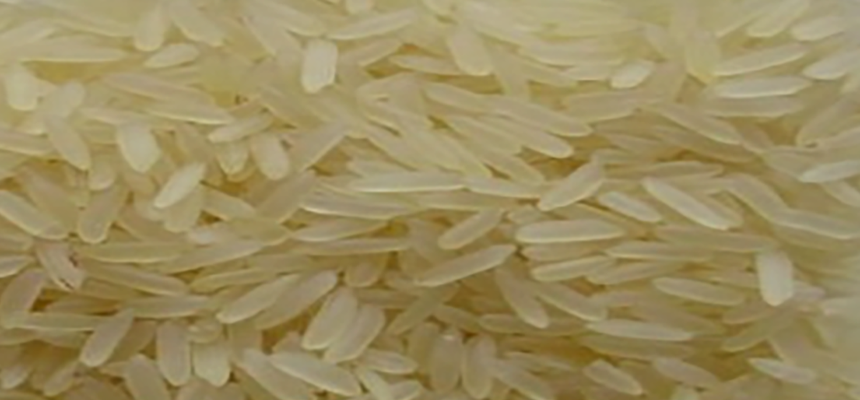
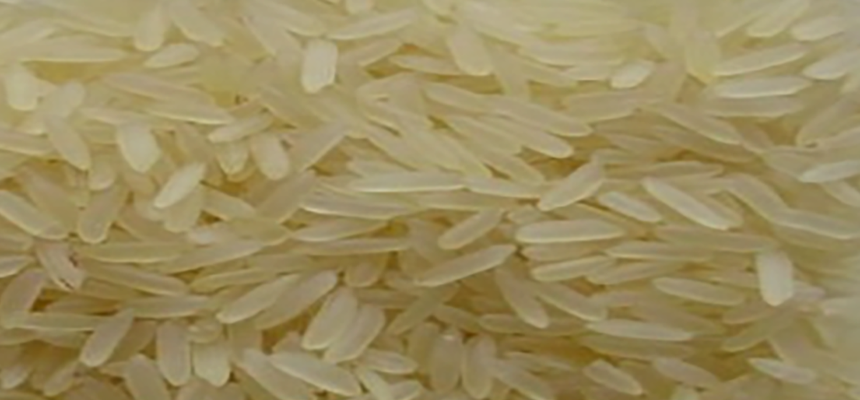
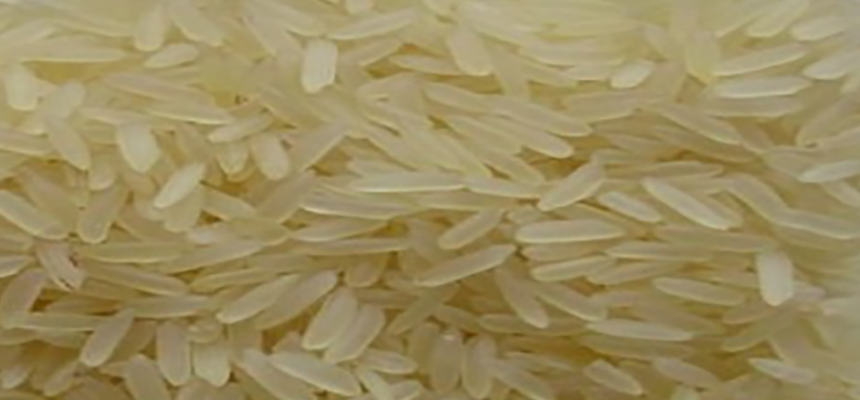
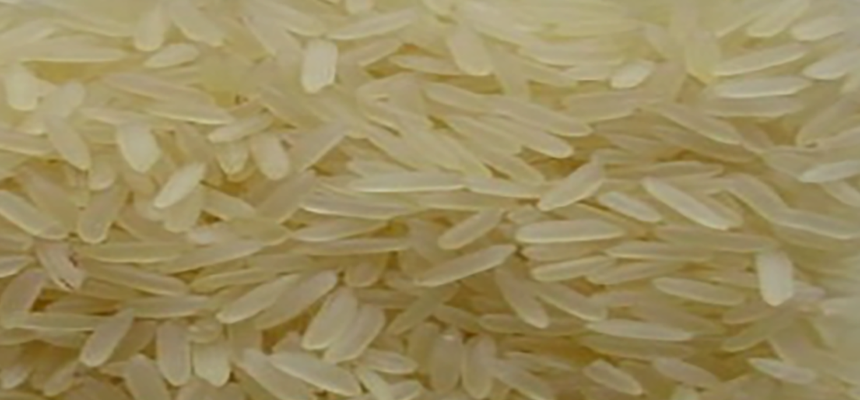
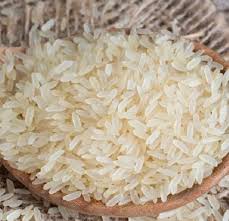
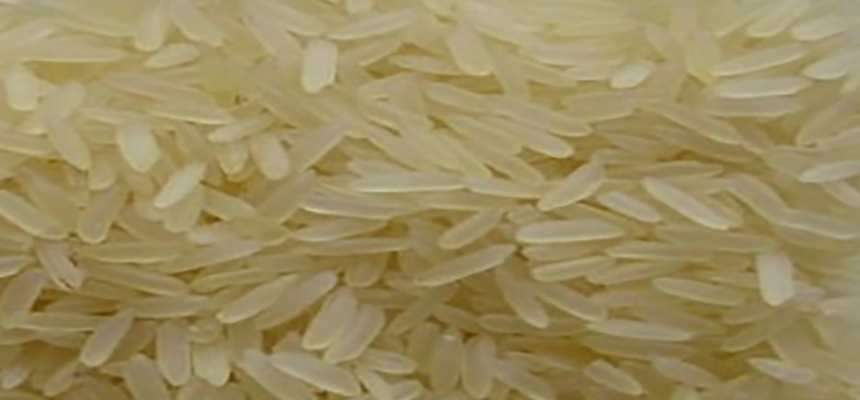
Parboiled rice starts as paddy, still in its husk. It’s soaked in water, steamed, then dried, and only then milled. That steaming pushes some of the vitamins and minerals from the bran into the grain, and it sets the starch so the grain gets harder and glassier. The result is a light golden grain that’s tough, holds together and cooks up separate. Almost any variety can be parboiled. Our Thai parboiled rice is made from Thai long grain paddy.
Basmati is a variety
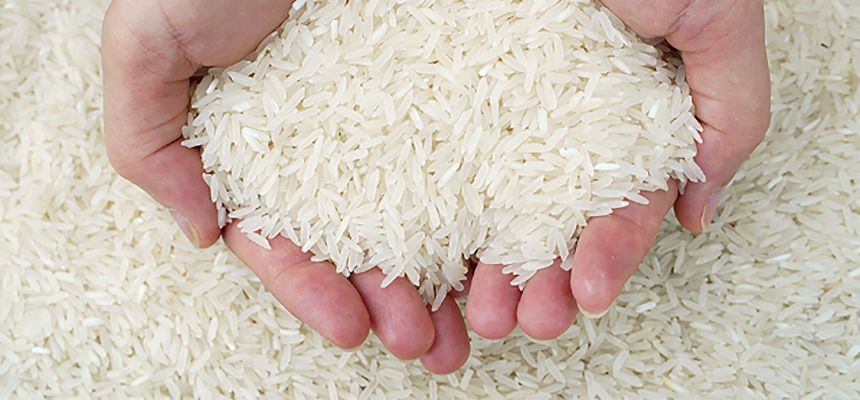
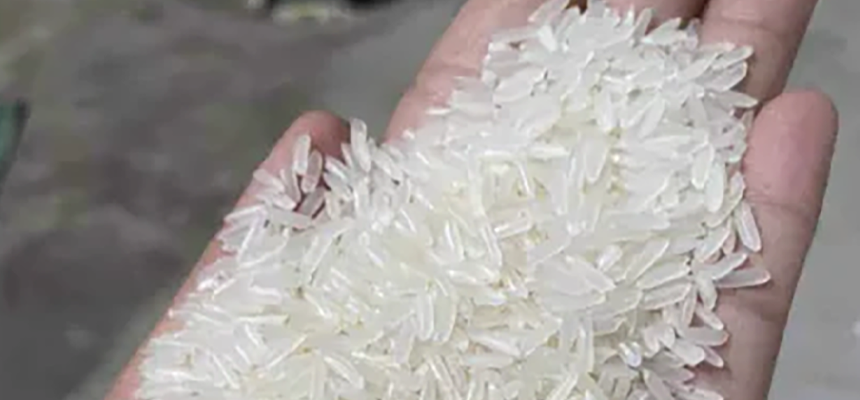
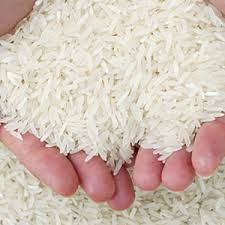
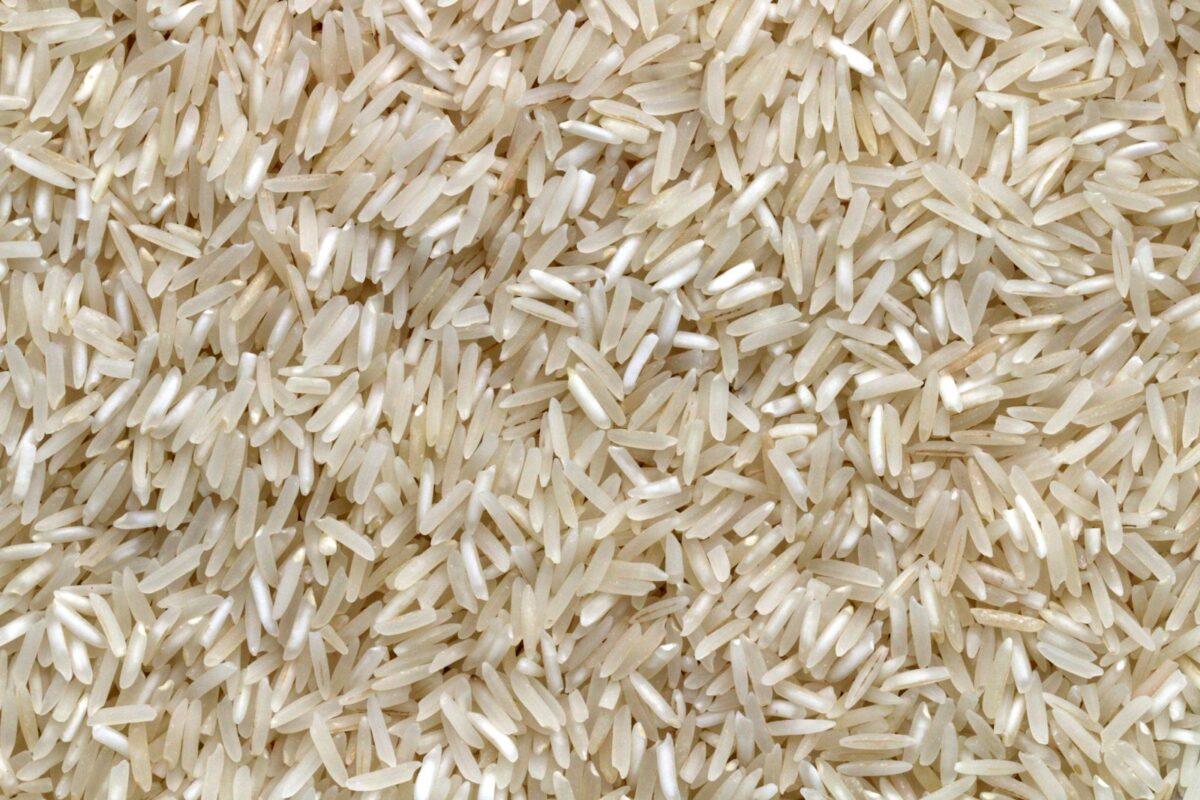
Basmati is a family of long, slender, aromatic rice varieties grown traditionally in the foothills of the Himalayas in northern India and Pakistan. Its two calling cards are fragrance and elongation. Cooked basmati can grow to nearly twice its raw length while staying thin. Good basmati is often aged for months before sale to firm up the grain and improve the aroma.
Where they overlap
Here’s where people get confused. Basmati can itself be parboiled. That product is called sella basmati, sold as golden sella or white sella. So when someone asks about parboiled rice vs basmati rice, they usually mean regular parboiled long grain rice, like Thai parboiled, versus raw or steamed basmati. That’s the comparison we’ll focus on, with a note on sella further down.
Parboiled Rice vs Basmati Rice at a Glance
| Item | Thai parboiled rice 5% broken | Basmati rice (raw or steam) |
|---|---|---|
| What it is | Long grain rice, steamed in the husk | Aromatic long grain variety |
| Origin | Thailand | India and Pakistan |
| Color | Light golden raw, almost white cooked | Creamy white |
| Aroma | Mild, slightly nutty | Strong, natural fragrance |
| Cooked texture | Firm, very separate, never mushy | Fluffy, light, separate, very long |
| Elongation | Moderate | High, up to about double |
| Cooking time | About 20 to 25 minutes | About 10 to 15 minutes plus soaking |
| Holds on a buffet | Excellent | Good, sella better than raw |
| Price | Moderate | Much higher |
| Main uses | Jollof, catering, buffets, everyday rice | Biryani, pilau, kabsa, premium dishes |
That table is the core of parboiled rice vs basmati rice. The rest is detail, and the detail is where buying decisions get made.
Texture and Cooking
Parboiled rice is the forgiving one. Because the starch is set during parboiling, the grains don’t burst or clump easily. You can overcook it a bit, hold it hot for hours, reheat it the next day, and it still looks decent. Cooks often use about 2 cups of water to 1 cup of rice and simmer 20 to 25 minutes. It soaks up sauce without falling apart, which is exactly why it’s the base of West African jollof and why our page on parboiled rice for jollof rice gets so much traffic.
Basmati is more delicate and more rewarding. Rinse it, soak it 20 to 30 minutes, then cook with about 1.5 to 1.75 cups of water per cup of rice for 10 to 12 minutes and rest it. Done right, you get long, separate, fragrant grains that make a biryani look special. Done wrong, the grains break. Raw basmati also doesn’t love being held hot for hours, which is why many caterers who want basmati use sella.
So for texture, parboiled rice vs basmati rice comes down to this: parboiled for reliability and bulk, basmati for elegance and aroma.
Flavor and Aroma
Basmati wins on aroma, no question. Its scent comes from a natural compound called 2-acetyl-1-pyrroline, the same one behind jasmine rice’s fragrance. Diners notice it the moment the pot opens.
Parboiled rice has a milder, slightly nutty taste that comes from the steaming. Some people love it. Others find it a little plain on its own, which is fine because it’s usually served with stews, sauces and spices that bring the flavor. In parboiled rice vs basmati rice, aroma is basmati’s strongest card.
Nutrition
Both are mostly carbohydrate, both are naturally gluten free, low in fat and contain no cholesterol. There are a few differences worth knowing.
- Vitamins and minerals. Parboiling drives some B vitamins, like thiamine and niacin, from the bran into the grain before milling. So parboiled white rice keeps more of these than ordinary milled white rice.
- Blood sugar. Both parboiled rice and basmati are often described as having a lower glycemic index than many other white rices. Results vary by study, cooking method and variety, so treat it as a general tendency, not a promise.
- Resistant starch. Parboiling increases resistant starch a little, which acts more like fiber in the gut.
- Brown options. Brown basmati and brown parboiled both keep the bran for more fiber. We also sell regular brown rice.
We’re a rice mill, not doctors, so if your customers have medical questions they should talk to a dietitian. But in plain terms, parboiled rice vs basmati rice is close on nutrition, with parboiled slightly ahead on retained vitamins.
Price and Value
This is the big one for importers. Basmati is a premium rice. It costs a lot more to grow, yields less, is often aged, and sells at a premium all along the chain. Parboiled long grain rice is a mainstream product with a much lower price per ton.
When you look at parboiled rice vs basmati rice by cost per cooked plate, parboiled usually comes out far cheaper, and it also yields well in the pot. For institutional catering, schools, hospitals, labor camps, airlines and wholesale markets, that gap matters a lot. For restaurants where rice is the star, basmati’s price can be worth it because customers pay more for the dish.
For current numbers, check our Thai parboiled rice 5% broken FOB price, our parboiled 15% broken price per ton and the rice wholesale price list 2026.
Shelf Life and Storage
Parboiled rice is one of the toughest rices to store. The hardened grain resists insects better than raw milled rice, and it keeps well for up to 24 months in good conditions. That’s a big reason it’s popular in hot, humid markets in Africa and the Gulf.
Basmati also stores well and actually improves with some aging. But because it costs more, losses from bad storage hurt more. Both should be kept on pallets in a cool, dry, ventilated warehouse. Our article on how to prevent moisture damage in rice containers covers the shipping side for both.
9 Honest Differences Between Parboiled Rice vs Basmati Rice
If you only have a minute, here’s the whole thing in nine points.
- Process vs variety. Parboiled describes how rice is treated. Basmati describes what rice it is.
- Origin. Parboiled rice comes from many countries, ours from Thailand. True basmati comes from India and Pakistan.
- Color. Raw parboiled is pale gold. Basmati is creamy white, unless it’s golden sella.
- Aroma. Basmati is clearly fragrant. Parboiled is mild and a little nutty.
- Length after cooking. Basmati stretches a lot. Parboiled grows less but stays firmer.
- Forgiveness. Parboiled is very hard to ruin. Basmati needs rinsing, soaking and care.
- Holding and reheating. Parboiled stays good for hours and reheats well. Raw basmati dries and breaks faster.
- Price. Basmati costs a lot more per ton. Parboiled is the value choice.
- Typical dishes. Parboiled for jollof, buffets and bulk feeding. Basmati for biryani, pilau and kabsa.
Keep those nine in mind and parboiled rice vs basmati rice gets much easier to answer for any order.
How We Parboil Rice at Our Mill
Since we make parboiled rice ourselves, it’s worth showing what happens. We start with clean Thai long grain paddy. It’s soaked in warm water for several hours until the grain takes up enough moisture. Then it’s steamed under controlled pressure, which gelatinizes the starch inside the husk. After that the paddy is dried slowly, first with hot air and then by resting, so the grains don’t crack. Only when it’s back to a safe moisture level does it go through husking, milling, polishing and color sorting.
Every step affects the final rice. Too long in the soak and the color gets too dark. Dry it too fast and you get more broken grains. That’s why parboiled quality varies so much between mills, and why buyers comparing parboiled rice vs basmati rice should still compare parboiled suppliers carefully. We test each lot for broken, moisture and color before bagging.
A Typical Buyer’s Decision
Here’s a pattern we see often. A food service distributor supplies restaurants, a hospital group and a few staff canteens. The restaurants want basmati for their biryani and grill plates. The hospital and canteens want something cheap and reliable that won’t turn to mush in the steam table. The distributor ends up buying Thai parboiled 5% broken in 25 kg bags for the institutions and a smaller lot of sella basmati in 5 kg and 10 kg bags for the restaurants, shipped together in one container.
Nobody had to win the parboiled rice vs basmati rice argument. Each rice went where it works best, and the distributor cut costs on the volume side while keeping the restaurant customers happy. That’s usually how it plays out in real businesses.
Cooking Ratios Side by Side
| Step | Thai parboiled rice | Raw basmati |
|---|---|---|
| Rinse | Once, optional | Two or three times |
| Soak | Not needed | 20 to 30 minutes |
| Water per cup of rice | About 2 cups | About 1.5 to 1.75 cups |
| Simmer time | 20 to 25 minutes | 10 to 12 minutes |
| Rest | 5 minutes | 5 minutes |
Getting these ratios wrong is behind a lot of complaints about parboiled rice vs basmati rice. Most of the time it’s not the rice, it’s the water.
Which Dishes Suit Which Rice
| Dish or use | Better choice | Why |
|---|---|---|
| Jollof rice | Parboiled | Absorbs tomato stew without going mushy |
| Biryani | Basmati | Long, fragrant, separate grains in layers |
| Kabsa and mandi | Basmati or sella basmati | Traditional flavor and long grains |
| Pilau and pulao | Basmati | Aroma and elongation |
| Fried rice | Parboiled or Thai white | Firm grains that don’t clump in the wok |
| Hotel and airline buffets | Parboiled | Holds its shape for hours |
| Schools, hospitals, camps | Parboiled | Cost per plate and reliability |
| Rice salads | Parboiled | Stays separate when cold |
| Premium restaurant side | Basmati | Fragrance diners notice |
That’s the practical side of parboiled rice vs basmati rice. Most kitchens don’t need to pick one forever. They pick per dish.
Sella Basmati: The Middle Ground
Sella basmati is basmati that’s been parboiled. You get basmati’s length and some of its aroma, with parboiled rice’s toughness. Golden sella has a deeper yellow color from longer steaming. White sella is steamed more gently and looks closer to raw basmati. Gulf caterers use a lot of sella for kabsa and mandi because it holds up in big pots.
If you’re stuck on parboiled rice vs basmati rice because you need both aroma and toughness, sella is often the answer. It costs more than Thai parboiled but usually less than premium aged raw basmati. We supply raw, steam and sella basmati on request. See our basmati rice for sale page.
Parboiled Rice vs Basmati Rice for Caterers
Catering is where we get the most questions. If you cook hundreds or thousands of portions a day, the rice has to survive big pots, hot cabinets, delivery and sometimes reheating. Parboiled is built for that. Basmati is lovely but needs more care, and raw basmati breaks more easily when stirred in huge batches.
A lot of Gulf and European caterers settle the parboiled rice vs basmati rice question by using parboiled as the everyday base and basmati or sella for special menus and VIP events. Our guide to parboiled rice for catering companies goes deeper into portion costs and cooking yields.
Parboiled Rice vs Basmati Rice for Retail
On the supermarket shelf, both sell, but to different shoppers. Basmati shoppers are usually cooking South Asian or Middle Eastern dishes and will pay for a trusted brand. Parboiled shoppers are often buying in bigger bags for family meals, and they’re more price aware. In West Africa, parboiled is the main rice in many homes. In the UK and the Gulf, basmati takes a big share of the premium shelf.
If you’re stocking a store, it’s rarely parboiled rice vs basmati rice. It’s both, in the right bag sizes, at the right prices. We pack both in 1 kg to 50 kg bags with private label options.
Market by Market
- West Africa: parboiled dominates. Nigeria, Benin, Ghana, Liberia, Sierra Leone and others. See our guides for Ghana, Benin and Liberia.
- Gulf: basmati and sella lead at home, parboiled leads in catering. See parboiled rice wholesale Saudi Arabia.
- UK and Europe: basmati for South Asian cooking, parboiled (“easy cook”) for convenience shoppers.
- South Africa: parboiled is a staple in many households.
- North America: parboiled sells as converted rice, basmati in ethnic and premium aisles.
Our Thai Parboiled Rice
We mill and parboil long grain Thai rice and export it worldwide. Here’s the spec for our main grade.
| Item | Thai parboiled rice 5% broken |
|---|---|
| Origin | Thailand, current crop |
| Grain type | Long, thin grain |
| Color | Light golden, from parboiling only |
| Broken grains | 5% maximum |
| Moisture | 14% maximum |
| Admixture | 0.1% maximum |
| Damaged and discolored | Minimal, sortexed |
| Shelf life | Up to 24 months stored properly |
| Packing | 5, 10, 25, 50 kg PP or jute, private label available |
We also sell parboiled 15% broken, parboiled 25% broken and parboiled 100% broken. Full details are on our Thai parboiled rice 5% broken page. Wondering about the color? Read why parboiled rice is yellow.
Our Basmati Rice
| Item | Basmati rice |
|---|---|
| Grain type | Extra long, slender, aromatic |
| Styles | Raw white, steam, golden sella, white sella |
| Average grain length | By variety, confirmed per contract |
| Purity | 95% minimum |
| Moisture | 13% maximum |
| Broken grains | 1% to 5% depending on grade |
| Damaged and discolored | 1% maximum |
| Foreign matter | 0.5% maximum |
| Crop | Current season or aged on request |
| Shelf life | 18 to 24 months stored properly |
Basmati origin is confirmed on each quotation. If you’re comparing fragrant rices more widely, our jasmine rice vs basmati rice guide is a good next read.
Packing, Shipping and Documents
Both rices ship in standard 20-foot containers, usually around 25 tons each depending on bag size. We pack parboiled rice mostly in 25 kg and 50 kg woven PP bags for wholesale, and 1 kg to 10 kg printed bags for retail. Basmati often goes in smaller printed bags, cloth bags or jute-look bags, because presentation matters more at its price point. Private label is available for both, with English, French or Arabic print.
Every container is lined with kraft paper and fitted with desiccants. Shipments come with a commercial invoice, packing list, bill of lading, phytosanitary certificate, certificate of origin, fumigation certificate and an inspection certificate for quality and weight. Halal certificates are available on request. We quote FOB Bangkok or Laem Chabang, CFR or CIF to your port, and accept L/C at sight or a deposit with the balance against documents.
Lead time from signed contract to loading is usually two to four weeks, a little longer for new private label artwork. If you’re testing parboiled rice vs basmati rice in a new market, tell us early so we can line up samples and bag proofs while the contract is being finalized.
One last practical point. Prices for basmati and parboiled don’t always move together. Basmati follows the Indian and Pakistani crops and export rules, while Thai parboiled follows the Thai crop and the baht. Keeping both in your range gives you some protection when one of them spikes. That’s another reason we don’t see parboiled rice vs basmati rice as an either-or choice for most importers.
Mixed Containers
You don’t have to choose just one. Many of our buyers take a mixed container with parboiled rice for volume and a smaller lot of basmati, jasmine or Thai white rice 5% broken for premium lines. It’s a low-risk way to test parboiled rice vs basmati rice in your own market and see which one moves faster.
7 Proven Tips for Choosing Parboiled Rice vs Basmati Rice
- Choose by dish. Jollof, buffets and fried rice point to parboiled. Biryani and pilau point to basmati.
- Work out cost per plate. Not just cost per ton.
- Think about holding time. If rice sits hot for hours, go parboiled or sella.
- Know your customers’ habits. Shoppers rarely switch rice types overnight.
- Ask for the crop year. Fresh parboiled, and properly aged basmati.
- Cook samples side by side. Same pot, same cook, same day.
- Inspect at loading. Broken, moisture and color, checked by an independent inspector. We work with SGS inspection.
Mistakes We See
- Cooking parboiled rice with basmati water ratios and getting hard, undercooked grains.
- Holding raw basmati on a buffet for hours and wondering why it’s broken and dry.
- Paying basmati prices for rice that’s really a cheaper long grain with added flavor. Always check samples.
- Buying the cheapest parboiled offer with no broken or moisture figures on the sheet.
If you’re dealing with a new supplier for either rice, please read our guide on how to avoid rice supplier scams first. Fake basmati and relabeled parboiled are both common tricks.
Frequently Asked Questions
Is parboiled rice healthier than basmati?
They’re close. Parboiled keeps a bit more of some B vitamins. Both are often linked with a lower blood sugar response than many white rices. For most people the difference between parboiled rice vs basmati rice on health is small.
Can I use parboiled rice for biryani?
You can, and some cooks do for big batches. It won’t have basmati’s aroma or length, though. Sella basmati is the usual compromise.
Is easy-cook rice the same as parboiled?
Yes. In the UK and some other markets parboiled rice is sold as easy-cook or converted rice.
Which lasts longer in storage?
Parboiled rice generally stores a little better and resists insects more. Basmati stores well too and can improve with some aging.
Do you sell both?
Yes. We sell Thai parboiled rice in several broken grades and basmati in raw, steam and sella styles, in bulk or private label.
Order Parboiled or Basmati Rice From Our Mill
Whichever side of parboiled rice vs basmati rice suits your business, we can supply it, with full specs, samples and inspection. Tell us the rice, grade, bag, quantity and destination port, and we’ll send a firm offer.
Email info@dethairice.com, WhatsApp +66 81 034 6390, or use our contact page. Browse all our products, read about our mill direct supply, or see our FAQ.