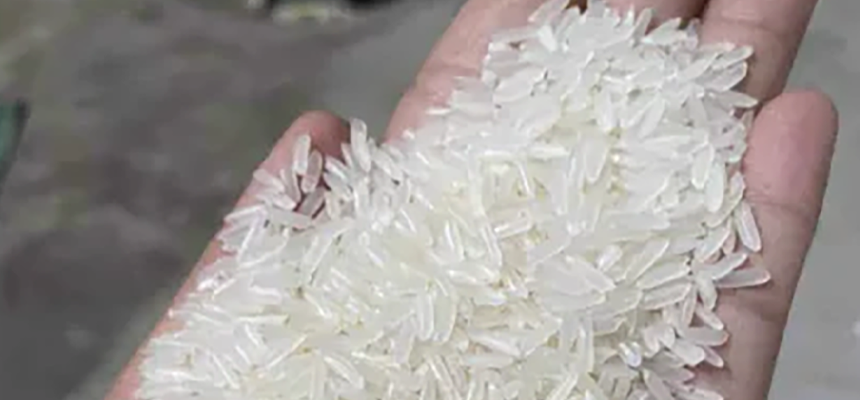
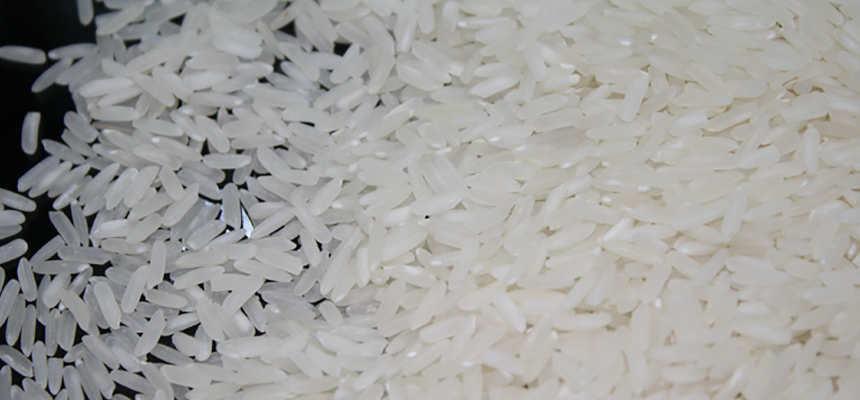
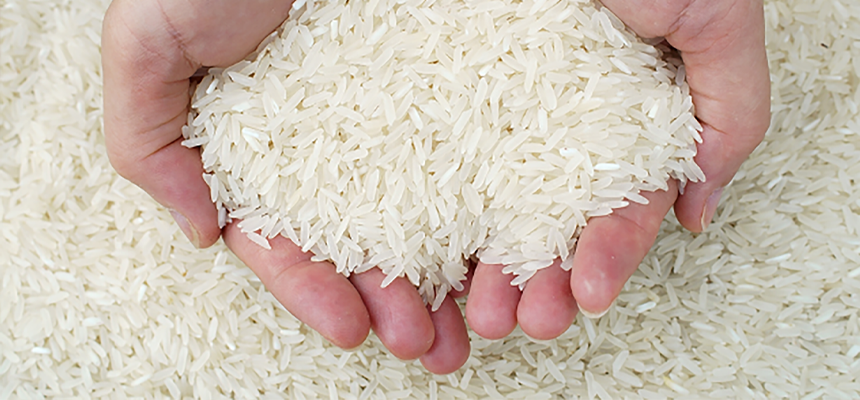
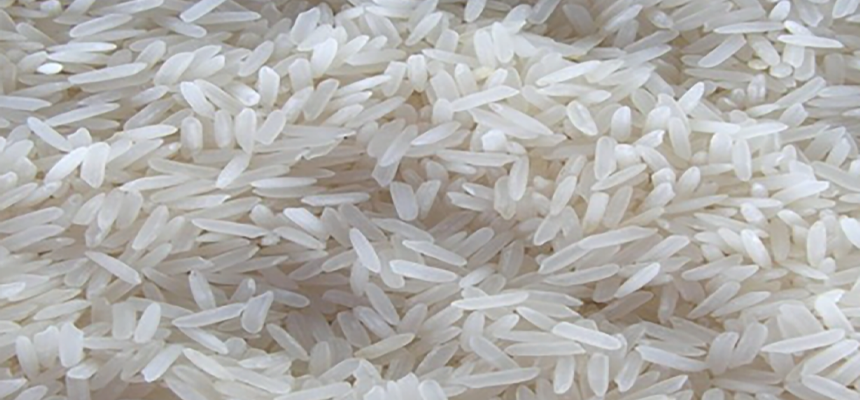
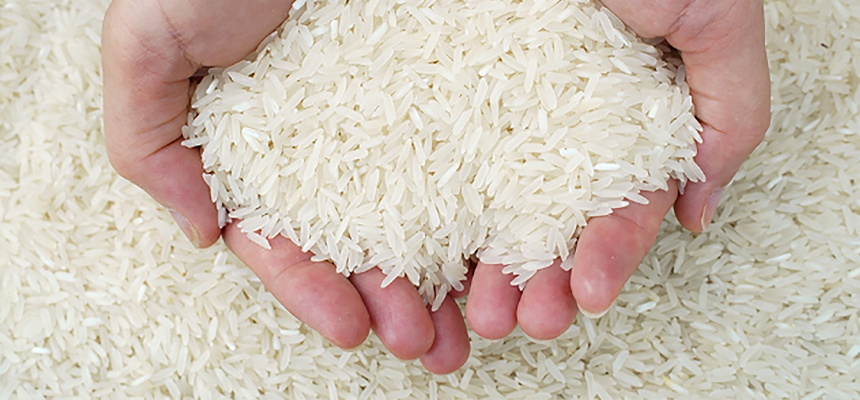
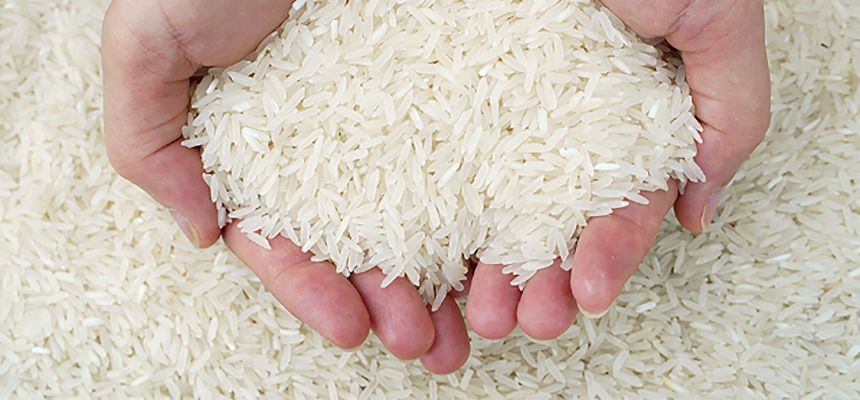
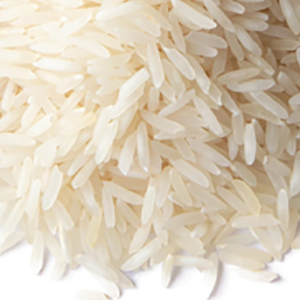
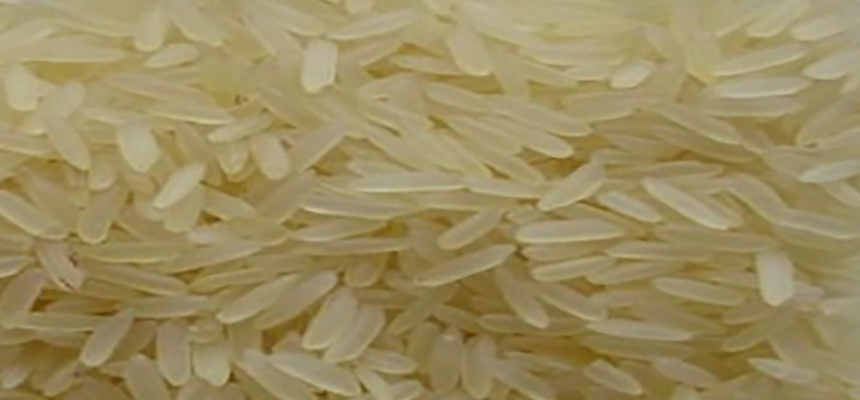
Put a handful of Thai long grain white rice next to a handful of Pakistani IRRI-6 and most buyers can tell them apart in a few seconds. One is slimmer, longer and more glassy. The other is a little bolder, often a bit whiter and chalkier, and usually cheaper. Which one is right for you depends on your customers, your price point and how the rice gets cooked. We’re De Thai Products 1989 Company Limited, a mill and exporter in Chachoengsao, Thailand, and buyers ask us about Thai white rice vs Pakistani IRRI-6 all the time. We sell Thai rice, so we’re not neutral, but we’ll be straight with you about where IRRI-6 makes sense and where Thai white rice is the better buy.
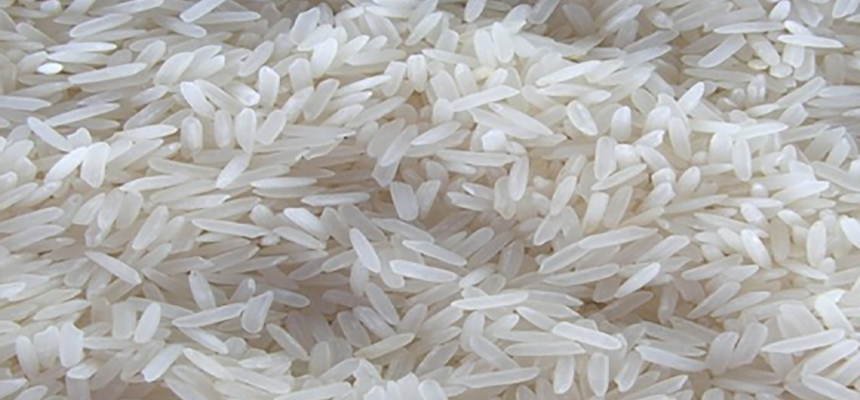
Thai White Rice vs Pakistani IRRI-6: The Short Answer
If your customers care about long, clear, separate grains and consistent quality from bag to bag, Thai white rice is usually worth the extra cost. If price is the main thing and your customers are used to a bolder grain, IRRI-6 is a solid, popular choice in many markets. Plenty of importers carry both, one for the premium shelf and one for the value shelf. That’s the honest summary of Thai white rice vs Pakistani IRRI-6, and the rest of this page fills in the detail.
Where Each Rice Comes From
Thai long grain white rice
Thai white rice comes mostly from the central plains and the lower north of Thailand, grown from long grain non-fragrant varieties. Thai mills are among the most modern in the world, with multi-stage polishing and optical color sorting as normal practice for export grades. Thailand also has a detailed national rice standard that sets out grain length, broken percentages and quality classes, and exporters load against it. You can read more on our rice standard page.
Pakistani IRRI-6
IRRI-6 is a long grain non-basmati rice grown mainly in Sindh and parts of Punjab in Pakistan. The name comes from the International Rice Research Institute, whose high-yielding lines were introduced to Pakistan decades ago. It became one of Pakistan’s big export rices because it yields well, it’s affordable and it handles long voyages fine. It’s sold in white and parboiled forms and in several broken grades.
Thai White Rice vs Pakistani IRRI-6 Side by Side
Here’s a general comparison based on typical export grades. Individual lots vary, so always check the spec sheet and the samples before you decide on Thai white rice vs Pakistani IRRI-6.
| Item | Thai white rice 5% broken | Pakistani IRRI-6 5% broken |
|---|---|---|
| Grain length (average) | About 7.0 mm and up | About 6.0 to 6.5 mm |
| Grain shape | Slim, long, slender | Long but bolder |
| Appearance | Translucent, glossy, sortexed | Whiter, more opaque, more chalky |
| Chalky grains | 2% maximum on our spec | Often higher, depends on lot |
| Moisture | 14% maximum | 14% maximum |
| Cooked texture | Firm, separate, clean | Soft to firm, less elongation |
| Aroma | Neutral, clean | Neutral |
| Price | Higher | Usually lower |
| Consistency | Very consistent between lots | Can vary more by mill and season |
If you’d like to see how Thai rice stacks up against other origins too, read our Thai white rice vs Indian 5% broken rice comparison.
Grain Size and Look
Grain length is the first thing most buyers notice in Thai white rice vs Pakistani IRRI-6. Thai long grain white rice is measured carefully, and good export grades average 7 mm or more. IRRI-6 grains are shorter and a little plumper. On a supermarket shelf, especially in a clear window bag, the Thai rice looks more premium. That matters in markets where the bag is judged before it’s opened.
Color and chalkiness are the second difference. Chalky grains have white, opaque patches inside. They break more easily, they look dull, and they cook softer. Thai export rice is sortexed and graded to keep chalky grains low. IRRI-6 tends to show more chalk, which is one reason it sells cheaper. For food service where looks matter less, that may not bother you at all.
How They Cook
Cooking is where Thai white rice vs Pakistani IRRI-6 really shows up for the end user. Both are fairly high in amylose, which means both cook up non-sticky compared with jasmine or glutinous rice. But they behave differently in the pot.
- Thai white rice cooks into firm, slim, separate grains with a clean look. It holds its shape well in fried rice, pilaf-style dishes and plain rice served with stews.
- IRRI-6 swells more in width than in length. It can be a bit softer and break more if over-stirred, especially in higher broken grades. Many households in its main markets are used to that and prefer it for everyday meals.
For restaurants that serve rice as a feature, the Thai grain usually wins. For big pots of everyday rice where cost per plate matters most, IRRI-6 holds its own.
Price: Why IRRI-6 Is Usually Cheaper
Pakistani IRRI-6 is normally quoted below Thai white rice of the same broken grade. The gap moves with the crop, the currency and freight, and sometimes it’s narrow, sometimes it’s wide. The reasons are fairly simple: higher yields, lower production costs, a bolder grain that sells at a lower price point, and strong competition among Pakistani exporters.
When you compare Thai white rice vs Pakistani IRRI-6 on price, compare the landed cost, not just FOB. Freight from Karachi and from Bangkok to your port can differ a lot. Look at the cost of complaints and rejections too. A cheaper rice that gets returned by retailers isn’t cheap.
For current Thai numbers, see our Thai white rice 5% broken FOB price and our rice wholesale price list 2026. For Pakistani market information, the Rice Exporters Association of Pakistan is the industry body.
Which Markets Prefer Which
IRRI-6 is big in East Africa, parts of West Africa, Afghanistan, Central Asia and some Middle East markets, where it’s the everyday rice for millions of people. Thai white rice is strong in the Gulf, Iraq, West and Central Africa, Southeast Asia, Europe, the US and anywhere retail presentation matters.
A lot of importers in the Gulf and Africa buy both. The Thai rice goes into branded retail packs and premium restaurants. The IRRI-6 goes to price-sensitive wholesale and institutional buyers. Seen that way, Thai white rice vs Pakistani IRRI-6 isn’t really a fight. They’re two products for two shelves. If you supply the Gulf, see our full guide to Thai white rice for Middle East importers.
Quality and Consistency
This is where we’d push the Thai side hardest. Thailand’s export mills are mostly large, modern operations. Polishing, grading and color sorting are standard. Lots are tested before bagging, and inspection by SGS, Intertek or Bureau Veritas is routine. The result is rice that looks and cooks the same from one container to the next.
Pakistan has excellent mills too, and many IRRI-6 exporters do great work. But the spread between the best and the worst is wider, and more of the trade passes through small mills and traders. That means more checking on the buyer’s side. Whichever side of Thai white rice vs Pakistani IRRI-6 you land on, insist on inspection at loading. We offer SGS inspection on every shipment. And before paying any new supplier, from any country, read our guide on how to avoid rice supplier scams.
Parboiled Versions
Both origins sell parboiled rice as well. Thai parboiled rice is long, golden and very firm, and it’s the favorite in Nigeria, Benin, Ghana, South Africa and many Gulf catering kitchens. IRRI-6 parboiled (often called sella) is cheaper and bolder. The same pattern applies: Thai for premium look and texture, Pakistani for value. Our Thai parboiled rice 5% broken page has our full spec, and if you’re comparing parboiled with basmati for catering, see parboiled rice vs basmati rice.
The Thai White Rice We Sell
Since this comparison is about choosing a rice, here’s exactly what we offer from our mill.
Thai white rice 5% broken
| Item | Standard |
|---|---|
| Origin | Thailand, current crop |
| Grain length | 7.0 mm average and up |
| Broken grains | 5% maximum |
| Moisture | 14% maximum |
| Purity | 95% minimum |
| Chalky grains | 2% maximum |
| Damaged grains | 1% maximum |
| Discolored grains | 1% maximum |
| Foreign matter | 0.1% maximum |
| Milling | Well milled, double polished, sortexed |
Full details are on our white rice 5% broken page and in the 5% broken specification.
Other grades
- Thai white rice 10% broken: a good middle ground, often close in price to better IRRI-6 lots.
- Thai white rice 25% broken: our value grade, competes directly with IRRI-6 on price in many markets.
- Thai white rice 100% sortexed: for the most even, premium look.
- Thai white rice 100% broken: for flour, snacks and processing.
Want to understand the broken grades better? Read 5% vs 25% broken rice.
Packing and terms
We pack in 1 kg to 50 kg bags, PP, BOPP or jute, plain or private label with Arabic, French or English print. Minimum order is one 20-foot container. We quote FOB Bangkok or Laem Chabang, CFR or CIF to your port, and accept L/C at sight or deposit plus balance against documents.
9 Honest Differences in Thai White Rice vs Pakistani IRRI-6
Here’s the whole comparison boiled down to nine points. We’ve tried to be fair. Where IRRI-6 wins, we say so.
- Grain length. Thai long grain averages 7 mm and up. IRRI-6 is shorter, usually around 6 to 6.5 mm. On a retail shelf, longer looks more premium.
- Grain shape. Thai rice is slim. IRRI-6 is bolder and a little rounder in cross section.
- Translucency. Thai rice is glassy and clear. IRRI-6 is whiter and more opaque because of chalk.
- Chalkiness. Thai export grades keep chalky grains low. IRRI-6 lots often carry more, which affects looks and breakage.
- Cooking behavior. Thai grains stay firm and separate. IRRI-6 swells more in width and can soften, which many home cooks actually like.
- Price. IRRI-6 is usually cheaper for the same broken grade. This is its biggest selling point, and it’s a real one.
- Consistency. Thai lots vary less from shipment to shipment because of standardized milling and sorting.
- Freight and transit. Pakistan is closer to the Gulf and East Africa, which can cut freight. Thailand has more direct sailings to West Africa, Asia and some Gulf ports.
- Brand perception. In many markets “Thai rice” on the bag sells by itself. IRRI-6 sells on value and familiarity.
Those nine points cover almost every conversation we have about Thai white rice vs Pakistani IRRI-6. Most buyers find two or three of them matter far more than the rest for their market.
Thai White Rice vs Pakistani IRRI-6 for Retail
In supermarkets and convenience stores, the bag sells the rice. Shoppers pick up a 5 kg pack, look through the window and decide in seconds. Long, clear, even grains win that test. That’s why most branded retail rice in the Gulf, Europe and much of Africa leans toward Thai white rice, or Thai jasmine at the top end.
IRRI-6 still has a place in retail, especially in large value packs where the shopper is buying on price per kilo. Some retailers run both: a premium Thai line and a value IRRI-6 line. For the premium line, our 100% sortexed Thai white rice gives the cleanest look in the bag. So in retail, Thai white rice vs Pakistani IRRI-6 mostly comes down to which price tier you’re filling.
Thai White Rice vs Pakistani IRRI-6 for Food Service
Restaurants, hotels and caterers care about how rice behaves in a big pot and on a buffet. Thai white rice gives a clean, separate grain that holds up well. Hotels in particular like the consistent look. For large staff canteens, labor camps and hospitals where cost per meal rules, IRRI-6 is often the default.
If your rice sits on a hot buffet for hours, consider parboiled rice instead of either white rice. Parboiled grains stay firm and separate much longer. That’s one reason Gulf caterers ask us about parboiled rice for catering companies. For a sit-down restaurant, though, the Thai white rice vs Pakistani IRRI-6 choice usually tilts toward Thai.
Thai White Rice vs Pakistani IRRI-6 for Tenders and Food Aid
Government tenders and food aid programs care about price, volume and meeting the spec on paper. Many tenders allow several origins and grade them on price once the spec is met. In that world, IRRI-6 and Thai white rice 25% broken often go head to head. Thai 25% broken can be very competitive, and its consistency helps when a tender has strict rejection rules at the destination.
We fill in tender spec sheets line by line. Send us the format and we’ll show you exactly how our Thai white rice 25% broken compares against the requirement.
Storage and Shelf Life
Both rices keep well when dried properly and stored cool. Both are loaded at 14% moisture maximum. Thai rice that’s double polished and sortexed tends to stay looking good a little longer because there’s less bran residue and fewer damaged grains to spoil. In hot climates, storage conditions matter far more than origin. Keep bags on pallets, in a dry, ventilated warehouse, and rotate stock. Our guide on moisture damage in rice containers covers the shipping side.
Supply Reliability
Rice supply can get political. Over the last few years several exporting countries have put sudden limits or duties on rice exports, and buyers who relied on a single origin got caught short. Thailand has a long record as a steady, open exporter. Pakistan has also been a reliable seller, though currency swings and floods have affected crops and prices at times.
A lot of experienced importers keep two origins for exactly this reason. If you’re thinking about Thai white rice vs Pakistani IRRI-6 as a long-term decision, there’s a good case for carrying both and shifting the mix with the market.
How to Run Your Own Side-by-Side Test
The best way to settle Thai white rice vs Pakistani IRRI-6 for your own customers is a simple test. It takes one afternoon.
- Get samples of both at the same broken grade, ideally current crop.
- Spread 100 grams of each on black paper. Look at length, color, chalk and broken pieces.
- Cook both the same way, with the same water ratio and time.
- Check the grains after cooking, after 30 minutes and after reheating.
- Ask a few customers or cooks to taste both without knowing which is which.
- Work out the cost per cooked portion, not just per ton.
We’re happy to courier Thai samples from our mill so you can run this test properly.
Broken Grades Compared
Both origins come in several broken grades, and the gap between them changes as you move down the scale. At 5% broken, the difference in looks is easy to see and the price gap is usually at its widest. At 25% broken, both rices look more mixed, the price gap narrows, and the Thai grade often becomes the better value because it’s cleaner and more even for nearly the same money. At 100% broken, the rice is going into flour, snacks or brewing, so origin matters less than price and cleanliness.
So if you’re comparing Thai white rice vs Pakistani IRRI-6 on a tight budget, don’t only look at the top grades. Price our 10% and 25% broken against IRRI-6 5% and 15%. Some buyers are surprised to find a Thai grade that fits their price and looks better on the shelf.
What a Real Buyer Usually Decides
Here’s a pattern we see a lot. A wholesaler in East Africa or the Gulf has sold IRRI-6 for years. Supermarket customers start asking for something that looks more premium. The wholesaler tries one container of Thai white rice 5% broken under their own label, priced a step above their IRRI-6. It sells, mostly to younger shoppers and restaurants. A year later they’re running both lines side by side, with IRRI-6 still the volume product and Thai rice carrying the better margin.
That’s why we don’t think of Thai white rice vs Pakistani IRRI-6 as a winner-takes-all question. For many importers the smart move is adding a Thai line next to what already sells, then letting the customers decide how big it grows. If you’d like to try that, we can start with a single mixed container of different Thai grades so you can test the market without a big commitment. Our bulk rice for sale page explains how mixed loads work.
7 Proven Tips for Choosing Between Thai White Rice vs Pakistani IRRI-6
- Start with the customer. Who eats it, how they cook it and what they’re used to.
- Compare the same grade. 5% against 5%, 25% against 25%, current crop against current crop.
- Compare landed cost. FOB plus freight, insurance, duty and handling.
- Count complaints. Returns and rejections cost more than a small price gap.
- Inspect every shipment. Whatever the origin, inspection at loading protects you.
- Keep two origins if you can. It protects you from sudden export limits and price spikes.
- Let the bag do some selling. A strong Thai label on a premium pack adds real value.
Frequently Asked Questions
Is Thai white rice better than IRRI-6?
For looks, grain length and consistency, Thai white rice usually comes out ahead. For price, IRRI-6 usually wins. Which is better for you depends on your market. That’s really the heart of Thai white rice vs Pakistani IRRI-6.
Is IRRI-6 basmati?
No. IRRI-6 is a non-basmati long grain rice. Pakistan also grows basmati, which is a separate, aromatic and much pricier rice. We supply basmati rice as well.
Which is cheaper per ton?
IRRI-6 is usually cheaper at the same broken grade, but the gap changes with each crop and with freight. Thai 25% broken is often close enough to compete.
Do you sell IRRI-6?
Our core business is Thai rice from our own mill. Tell us your target price and use, and we’ll show you which Thai grade gets closest.
Can you mix Thai rice and IRRI-6?
We don’t blend origins. Every bag we sell is Thai rice, labeled as Thai rice.
Buy Thai White Rice Direct From Our Mill
If you’ve weighed up Thai white rice vs Pakistani IRRI-6 and want to try the Thai side, we’d love to send you samples and a firm offer. Tell us the grade, bag size, quantity and destination port. We’ll reply with a CFR price, a full spec sheet and sample tracking.
Email info@dethairice.com, WhatsApp +66 81 034 6390, or use our contact page. You can also browse our products, read about our mill direct supply, or see why buyers list us among the best rice exporters in Thailand.