


If you’re choosing the best Thai jasmine rice for American kitchens, whether that’s for a supermarket shelf, an online store or a restaurant group, you want rice that smells right when the pot lid comes off and cooks the same way every time. We mill and export Thai Hom Mali and Thai jasmine rice from Thailand, and a lot of it ends up in American homes and restaurant kitchens, packed in 5 lb to 50 lb bags under our brand or yours.
This is a buyer’s guide written from the mill side. I’ll explain what separates the best Thai jasmine rice for American kitchens from the stuff that disappoints, how American cooks actually make rice, which grade suits which customer, and exactly what we sell, with specifications. If you’re a home cook who wandered in, you’ll still find the cooking notes useful. But we’re a wholesale exporter, so the offer at the end is for businesses buying by the container.
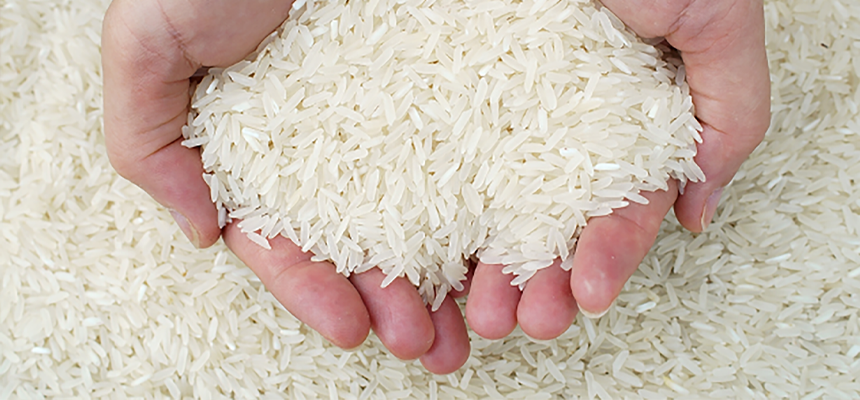
Table of Contents
What Makes the Best Thai Jasmine Rice for American Kitchens?
Four things, mostly. Get these right and the best Thai jasmine rice for American kitchens sells itself.
- Real Hom Mali, not a blend. Thai Hom Mali rice comes from specific varieties, mainly KDML 105 and RD15, grown largely in the northeast of Thailand. The export standard requires at least 92% Hom Mali in the bag.
- Fresh crop. The aroma is strongest in the months after harvest. Rice that’s sat in a warehouse for two years loses most of it.
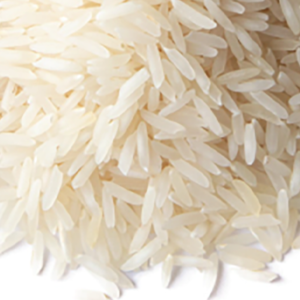
- Clean milling. Low broken grains, even colour, no chalky or yellow kernels. That’s what gives you a fluffy pot instead of a gluey one.
- Consistency between bags. An American family that buys the same brand every month expects every bag to cook the same. So does a restaurant.
Everything else, the bag design, the size, the price point, comes after those four. The best Thai jasmine rice for American kitchens is simply Hom Mali that’s genuine, fresh, clean and consistent.
How American Kitchens Cook Jasmine Rice
This matters more than people think when you’re picking the best Thai jasmine rice for American kitchens. Rice that behaves perfectly in a Bangkok household can frustrate an American cook who’s using different equipment and different habits.
Rice cookers
A rice cooker is now a normal appliance in a lot of American homes, not just Asian American ones. Most have a white rice setting that suits jasmine. People tend to follow the lines inside the pot, which assumes rice that absorbs water in a predictable way. Consistent rice keeps them happy.
Stovetop
Plenty of Americans still cook rice in a saucepan. The usual method for jasmine is to rinse the rice two or three times, use roughly 1 to 1.25 cups of water per cup of new crop rice, bring it to a boil, cover, turn it right down for about 15 minutes, then leave it covered off the heat for 10. Old crop needs a bit more water, around 1.5 cups. Getting that ratio printed clearly on the bag saves a lot of complaints.
Pressure cookers
Electric pressure cookers are popular, and jasmine does well in them with a 1 to 1 ratio and a short cook time. Again, the more predictable the rice, the better the result.
Restaurant kitchens
Commercial gas rice cookers and steam ovens, big batches, tight timings. Here consistency between lots is everything. A chef who changes the water ratio every time a new pallet arrives will change supplier soon after.
So when we talk about the best Thai jasmine rice for American kitchens, we mean rice that behaves the same in all of these: same water ratio, same texture, same smell, bag after bag.
Our Rice: Specifications
These are the two grades we put forward as the best Thai jasmine rice for American kitchens. Both are milled to order in Chachengsao, close to Bangkok’s ports.
| Specification | Thai Hom Mali rice (100% Grade A) | Thai jasmine rice (Pathumthani) |
|---|---|---|
| Variety | KDML 105 / RD15 | Pathumthani 1 |
| Purity | 92% minimum Hom Mali | 95% minimum |
| Broken grains | 4.5% maximum | 5% maximum |
| Moisture | 14% maximum | 14% maximum |
| Average whole grain length | 7.0 mm minimum | 7.0 mm minimum |
| Chalky grains | 6% maximum | 6% maximum |
| Red and undermilled grains | 0.5% maximum | 0.5% maximum |
| Yellow grains | 0.2% maximum | 0.2% maximum |
| Sorting | 100% sortexed | 100% sortexed |
| Crop | New crop | Current crop |
| Cooked texture | Soft, slightly sticky, strong aroma | Soft, slightly firmer, milder aroma |
| Packing | 2 lb, 5 lb, 10 lb, 25 lb, 50 lb, or 1 to 50 kg | Same |
| Brand | Our brand or your private label | Same |
The product pages for Thai Hom Mali rice and Thai jasmine rice have photos and packing options. If you’d like the nitty gritty on the variety itself, read our page on Hom Mali 105 rice (KDML 105).
Hom Mali or Pathumthani: Which Is Best for Your Customers?
Both can be the best Thai jasmine rice for American kitchens. It depends whose kitchen.
Choose Hom Mali if
- You sell to Thai, Lao, Cambodian or Vietnamese shoppers who know exactly how it should smell.
- You’re building a premium brand for upmarket supermarkets.
- You run a Thai restaurant and the rice is part of the experience.
- You want the “Thai Hom Mali” name on the bag.
Choose Pathumthani if
- You sell to mainstream shoppers who want fragrant rice at a sensible price.
- You supply food service where volume and cost matter more than the last bit of aroma.
- You want a second, cheaper line next to a Hom Mali brand.
Our longer comparison, Pathumthani fragrant rice vs Hom Mali rice, goes through taste, price and texture side by side. There’s also Thai Hom Mali vs jasmine rice, which clears up a naming muddle that confuses plenty of buyers.
Brown and Organic Options
Some American shoppers will only buy brown or organic, and for them, the best Thai jasmine rice for American kitchens is one of these.
Brown jasmine rice keeps the bran layer. It takes 40 to 45 minutes on the stove, has a nutty taste and more fibre. It sells well in natural food stores and online. See our brown rice page.
Organic jasmine rice is grown on certified organic farms. For the US retail market it needs to meet USDA Organic rules, so let us know where it’s going and we’ll line up the right certificate. Details are on our organic jasmine rice page.
What American Shoppers Read on the Bag
The best Thai jasmine rice for American kitchens still has to sell from the shelf, and that means the bag has to do some talking.
- The name. “Thai Hom Mali” or “Thai Jasmine” in big letters. Shoppers look for it.
- Weight in pounds first. Kilograms as well, but pounds is what people read.
- Cooking instructions. Rice cooker and stovetop, with the water ratio.
- Nutrition Facts panel. Required on US retail packs. The USDA FoodData Central database is handy for checking typical values for cooked and uncooked white rice.
- Country of origin. “Product of Thailand”.
- Crop year. Not required, but premium buyers love it.
- A window. People like to see the grain. BOPP bags with a clear window do well in supermarkets.
We print to your artwork and can add a window, handles, a zip seal on smaller packs, or an inner liner. For more on branding, read our post on private label Thai Hom Mali rice.
Pack Sizes for American Homes and Restaurants
| Bag size | Who buys it | Notes |
|---|---|---|
| 2 lb | Premium supermarkets, gift shops | Pouch with zip seal on request |
| 5 lb | Mainstream supermarkets, online | Fastest growing retail size |
| 10 lb | Supermarkets, warehouse clubs | Good value size for families |
| 25 lb | Asian grocery stores | The traditional family bag |
| 50 lb | Restaurants, Asian grocery | See our 50 lb bag jasmine rice wholesale page |
You can mix sizes in one container. Restaurants buying direct should also look at bulk jasmine rice for restaurants.
How to Spot the Best Thai Jasmine Rice for American Kitchens in a Sample
Before you commit to a supplier, ask for samples and test them properly. Picking the best Thai jasmine rice for American kitchens is far easier with rice in your hand than with a spec sheet. Here’s what I’d do.
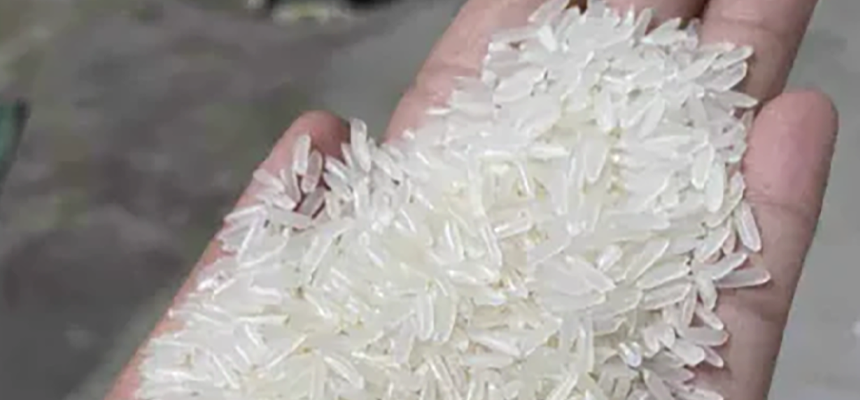
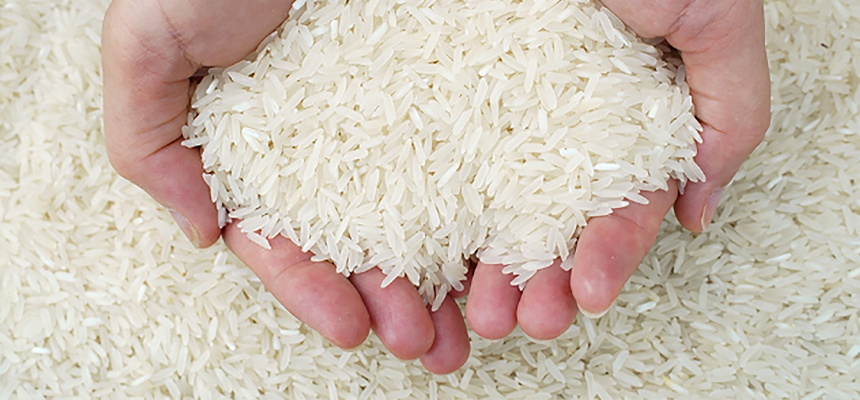
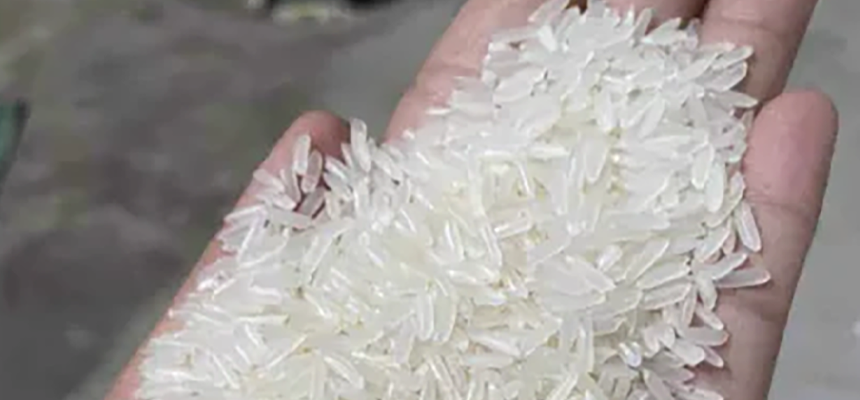
- Smell it raw. Rub a handful between your palms. Good new crop Hom Mali has a sweet, pandan like smell even before cooking.
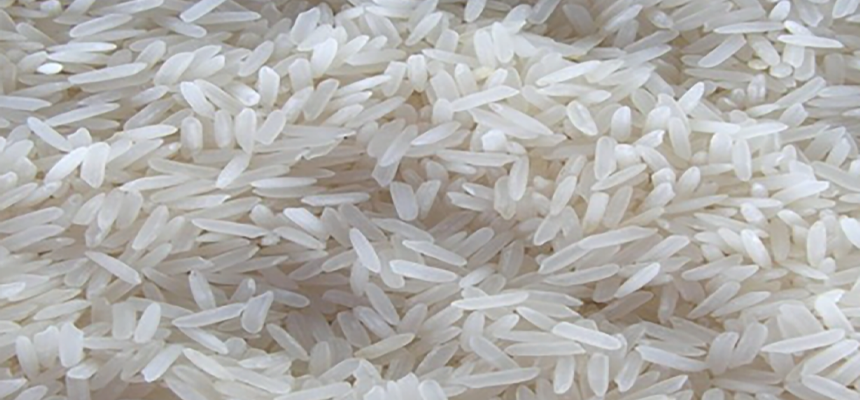
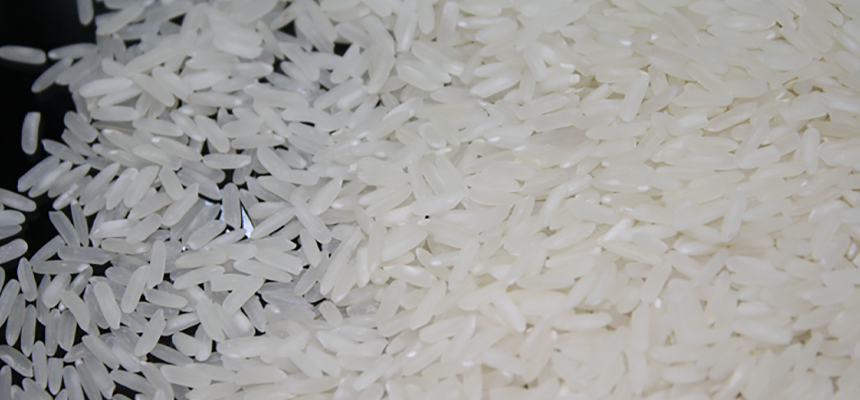
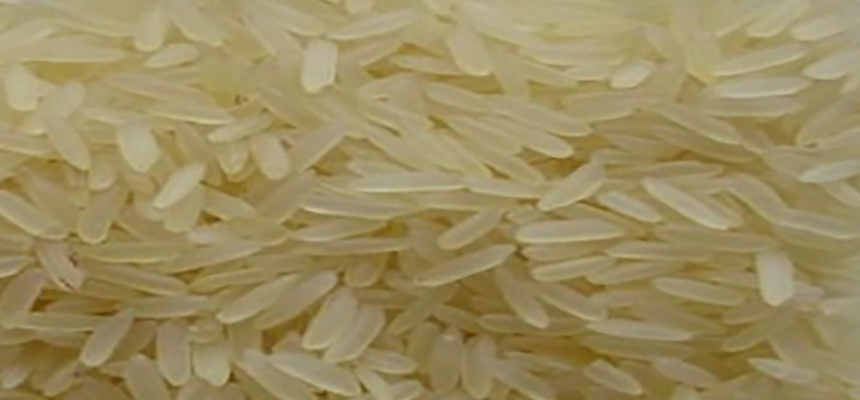
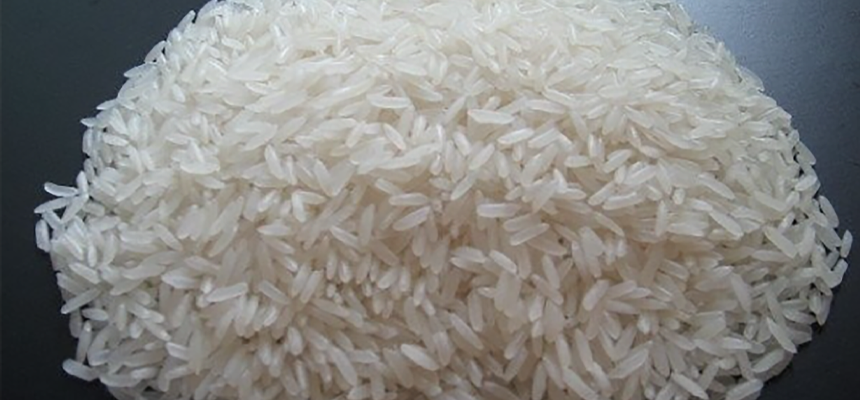
- Look at it on a dark surface. The grains should be long, slender, translucent and even. Count the broken bits in a small pile.
- Cook it the way your customers will. If they use rice cookers, use a rice cooker. If it’s a restaurant, cook a full batch.
- Smell it when the lid comes off. This is the moment that matters.
- Taste it warm and cold. Good jasmine is still pleasant the next day. Fried rice made with it doesn’t clump.
- Do it twice. Ask for a second sample from a different lot. Consistency is half the point.
For a deeper look, see our nine tests in how to identify genuine Thai Hom Mali rice.
Why Fresh Crop Matters So Much
The aroma that makes it the best Thai jasmine rice for American kitchens doesn’t last forever. It’s at its peak a few months after harvest and fades steadily, faster in heat and humidity. That’s why we mill to order instead of shipping from old stock, and why we’ll tell you the crop year on every offer.
Older rice isn’t bad. Some restaurants actually prefer it because it’s firmer and holds up better in fried rice. But it needs more water, and if your customers don’t know that, they’ll think the rice is poor. Our post on old crop vs new crop jasmine rice covers the trade offs.
Storage Tips to Pass On to Your Customers
Even the best Thai jasmine rice for American kitchens can be spoiled after it lands. Share these with your warehouse team and print a version on retail bags.
- Keep it cool and dry, away from walls and off the floor.
- Don’t store it next to strong smelling products. Rice picks up odours.
- Once opened, keep it in an airtight container.
- Rotate stock first in, first out.
Pricing, Orders and Shipping
We quote the best Thai jasmine rice for American kitchens on a dated offer, FOB Thailand or CFR and CIF to your port. For a sense of the market, read Thai jasmine rice price per ton and Thai Hom Mali rice price per ton. Minimum order is usually one 20 foot container, which holds about 25 tonnes. Lead time is 15 to 30 days from confirmed order.
We ship to all the main US ports, including Los Angeles, Long Beach, Oakland, Seattle, Houston, Savannah and New York and New Jersey, and we ship to buyers worldwide. Every container goes with a commercial invoice, packing list, bill of lading, certificate of origin, phytosanitary and fumigation certificates, and a quality and weight certificate. A halal certificate is available on request. If you’re new to importing, start with how to import rice from Thailand.
Who Buys the Best Thai Jasmine Rice for American Kitchens From Us
- Asian food importers on the West Coast, in Texas and in the Northeast
- Regional supermarket chains building their own label
- Online grocery brands selling 5 lb and 10 lb packs
- Restaurant groups and food service distributors
- Meal kit and prepared food companies
Demand from all of these keeps going up, which we’ve written about in more depth in jasmine rice demand in the USA. If you’re comparing suppliers, our guide to wholesale jasmine rice suppliers in the USA lists the questions worth asking, and Thai Hom Mali rice certification for US buyers explains the papers. Selling into Canada as well? See jasmine rice imports to Canada.
A Few Dishes That Sell the Rice
If you’re writing marketing copy or a recipe card for the back of the bag, these are the dishes American shoppers connect with jasmine rice:
- Thai green or red curry
- Pad kra pao (holy basil stir fry) with a fried egg
- Fried rice, using day old rice
- Teriyaki and grain bowls
- Coconut rice
- Mango sticky rice, though that’s really made with glutinous rice
A simple recipe on the back of a 5 lb bag does more for repeat sales than people expect. It’s an easy win when you’re positioning the best Thai jasmine rice for American kitchens against cheaper long grain on the same shelf. The jasmine rice page on Wikipedia has a bit of background on the rice’s history if you want a line or two of story for the packaging.
Common Complaints and What Usually Causes Them
When an importer tells us their customers are unhappy, it’s nearly always one of a handful of problems. Knowing the cause makes it a lot easier to pick the best Thai jasmine rice for American kitchens next time round.
| Complaint | Likely cause | What fixes it |
|---|---|---|
| “It doesn’t smell like jasmine” | Old crop, blended rice, or hot storage | New crop Hom Mali, a tested purity level, cool storage |
| “It’s mushy” | Too much water for new crop, or too many broken grains | Lower water ratio on the bag, 4.5% maximum brokens |
| “It’s hard in the middle” | Old crop cooked with a new crop water ratio | Tell customers the crop year, adjust the ratio |
| “Every bag cooks differently” | Rice from mixed lots or mixed suppliers | One mill, one standard, lot numbers on every bag |
| “There are dark bits in it” | Poor sorting | 100% sortexed rice |
| “It went stale fast” | Damp or warm storage after opening | Airtight storage advice printed on the bag |
Most of these are fixed at the mill. A couple are fixed with better wording on the bag. Either way, they’re cheaper to fix than a lost customer.
Matching the Rice to the American Menu
Restaurant buyers often ask us which grade is the best Thai jasmine rice for American kitchens like theirs. Here’s how I’d think about it, kitchen by kitchen.
Thai and Lao restaurants
Hom Mali, no question. Diners at a Thai place often know the smell, and the rice is served plain next to curries where the aroma comes through. For these cooks, the best Thai jasmine rice for American kitchens is the freshest Hom Mali they can get.
Vietnamese, Cambodian and Chinese restaurants
Hom Mali for the plain steamed rice, and often a cheaper grade or even broken jasmine for com tam style dishes. We sell broken rice too, so it can travel in the same container. Our post on what broken rice is used for explains the options.
Bowl chains and poke shops
Pathumthani jasmine is popular here. It holds its shape a little better in a bowl, costs less and still smells good under toppings and sauces.
Fried rice heavy menus
Slightly older rice, cooked the day before, gives better fried rice because the grains stay separate. Some kitchens buy a separate lot just for this.
Hotels and catering
They usually want one rice that does everything. Hom Mali in 50 lb bags is the safe choice.
What a Good Supplier Should Tell You Up Front
Whoever you buy from, these answers should come without you having to dig for them. If they don’t, that tells you something.
- The exact variety and the purity level.
- The crop year and the milling date.
- Broken percentage, moisture and grain length, in writing.
- Whether the rice is sortexed.
- Who inspects it before loading, and whether you can choose the surveyor.
- Which certificates come with the shipment.
- How long from order to loading.
We put all of that in our offers as standard. It’s the minimum you should expect from anyone claiming to sell the best Thai jasmine rice for American kitchens.
Is Thai Jasmine Better Than US Grown Aromatic Rice?
It’s a fair question, and we’re obviously not neutral. The US does grow some aromatic long grain rice in the South and a little jasmine type rice too. It’s decent, and it’s local. But the Thai varieties grown in Thai conditions have a stronger, sweeter smell and a softer bite, and that’s why Thai rice still dominates the jasmine aisle. For most buyers chasing the best Thai jasmine rice for American kitchens, the real choice isn’t Thai or domestic. It’s which Thai grade, and from which mill.
One Container, Several Products
A lot of our American importers don’t fill a container with one rice. A typical mixed load might be Hom Mali in 25 lb and 50 lb bags, Pathumthani in 10 lb bags, some brown jasmine for health food customers and a few tonnes of glutinous rice for desserts. That keeps your stock varied without tying up cash in a full container of a slow seller. Ask us how to split a load and we’ll work out the bag counts with you.
If you also stock other Thai rice, take a look at our full product list.
Frequently Asked Questions
What is the best Thai jasmine rice for American kitchens?
For most buyers, new crop Thai Hom Mali 100% Grade A. It has the strongest aroma and the softest texture. Pathumthani jasmine is a good lower cost option for food service and value retail.
Is Thai jasmine rice the same as Hom Mali?
Not always. All Hom Mali is jasmine rice, but not all jasmine rice is Hom Mali. Hom Mali is the top grade from specific varieties.
What water ratio should go on the bag?
For new crop white jasmine on the stove, about 1 to 1.25 cups of water per cup of rice after rinsing. For rice cookers, follow the white rice line. We’re happy to suggest wording.
Do you pack in pounds?
Yes. 2 lb, 5 lb, 10 lb, 25 lb and 50 lb are all available.
Can I put my own brand on the bag?
Yes. Private label is how most of our American buyers work.
Do you ship outside the US?
Yes. We sell to importers worldwide.
Can I get samples first?
Yes. We courier samples so you can test them in your own kitchen.
Order the Best Thai Jasmine Rice for American Kitchens
De Thai Products 1989 Company Limited mills and exports Thai Hom Mali, Thai jasmine, brown and organic jasmine rice, plus white rice, parboiled rice, glutinous rice and red cargo rice. We pack in pounds or kilos, plain or private label, and ship worldwide. You can read more about our checks on the quality control page.
If you want the best Thai jasmine rice for American kitchens on your shelves or in your restaurants, tell us the grade, bag sizes, brand, quantity and destination port. We’ll send samples and a dated offer. Email info@dethairice.com, WhatsApp +66 81 034 6390, or use our contact page.
2 thoughts on “Best Thai Jasmine Rice for American Kitchens: Buyer Guide”