


If you’re trying to work out how to import Thai rice into the USA, the honest answer is that it’s less complicated than most people fear, but there are about a dozen small things that can each cost you a week or a few thousand dollars if you get them wrong. We’ve watched first-time buyers trip over the same ones again and again.
We’re De Thai Products 1989 Company Limited. We mill and export Thai rice, and a good share of what we ship goes to importers, distributors, Asian grocery chains and restaurant suppliers in the United States. So this isn’t a theory piece. It’s the process as we see it from the mill side, written for people who actually want to bring in containers of jasmine, white, parboiled or glutinous rice and sell them. Yes, we’d like you to buy from us, and we’ll tell you what we sell further down. But the steps below work no matter who your supplier is.
Table of Contents
Who This Guide Is For
Most people who ask us how to import Thai rice into the USA fall into one of four groups. There are grocery owners who are tired of paying a middleman and want to bring in their own container. There are food distributors adding an Asian line. There are restaurant groups that go through a lot of jasmine rice every week. And there are people starting a private label rice brand from scratch.
If you’re in any of those groups, this guide on how to import Thai rice into the USA is for you. If you only need a few bags for your kitchen, buy them at the store. Importing makes sense once you’re talking about at least one full container, which is roughly 20 to 25 metric tons depending on how you pack it and where it’s going.
How to Import Thai Rice Into the USA: The Short Version
Here’s how to import Thai rice into the USA on one screen before we go into detail:
- Pick the rice grade and packing you want to sell.
- Get your US paperwork in place: importer number, customs bond, a licensed customs broker.
- Make sure the mill is registered with the FDA and that you have a Foreign Supplier Verification Program (FSVP) in place.
- Agree specs, labels and price terms with the supplier, then sign a contract.
- Pay the deposit or open a letter of credit.
- The supplier books the container. Your broker files the ISF at least 24 hours before loading.
- Your broker files FDA Prior Notice and the customs entry while the ship is on the water.
- Pay duties and fees, clear the cargo, truck it to your warehouse.
That’s how to import Thai rice into the USA in eight lines. Every line hides some detail, so let’s go through them.
Step 1: Decide Which Thai Rice You Want to Sell
This sounds obvious when you’re learning how to import Thai rice into the USA, but a lot of buyers ask for “Thai rice” when they really mean one very specific product. The US market buys Thai rice mostly for fragrance. Over half of what Thailand sends to America is jasmine of one kind or another. So the first decision is usually between these:
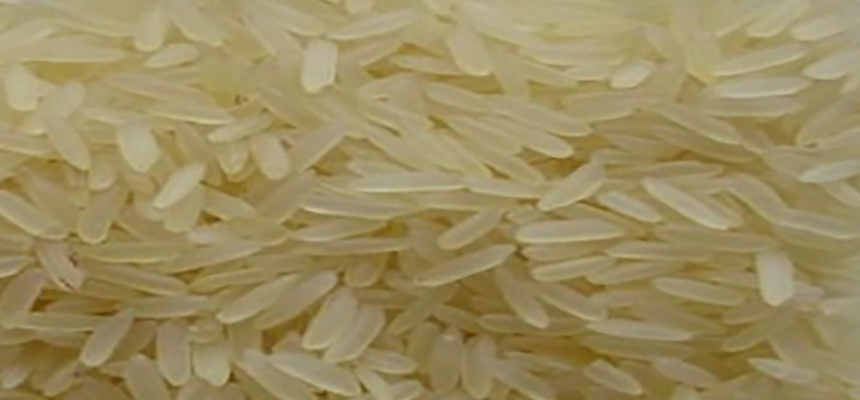
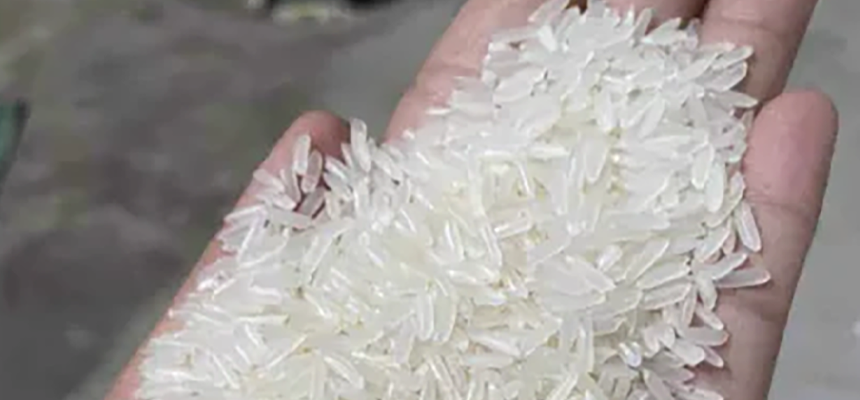
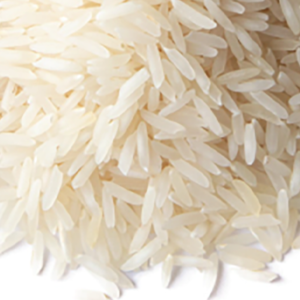
- Thai Hom Mali rice (premium jasmine). The real thing, grown in the northeast from KDML105 and RD15 varieties. It’s what most US shoppers picture when they see “jasmine rice” on a bag. See our Thai Hom Mali rice page.
- Thai jasmine rice / Pathumthani fragrant rice. Fragrant, soft, a bit cheaper than Hom Mali. Good for food service. Details on our Thai jasmine rice page.
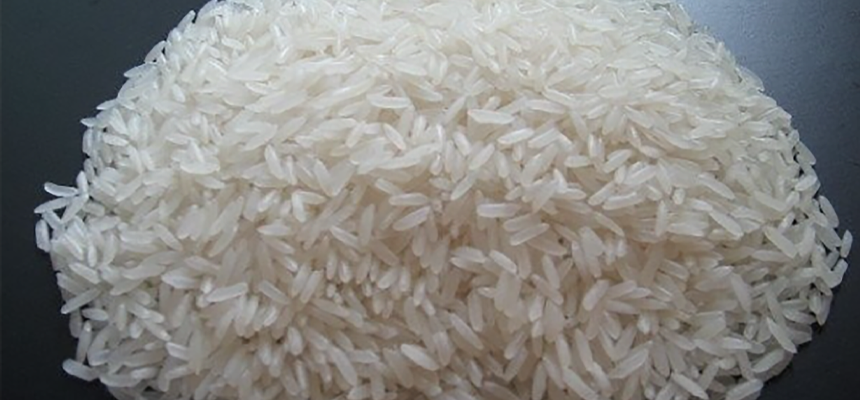
- Thai white rice, 5% or 10% broken. Long grain, non-fragrant, for buyers who want Thai quality at a lower price. See white rice 5% broken.
- Thai parboiled rice. Popular with Caribbean, African and South Asian communities in the US. See Thai parboiled rice 5% broken.
- Thai glutinous (sticky) rice. Steady demand from Lao, Thai, Hmong and Vietnamese shoppers. See Thai glutinous rice.
- Broken jasmine rice. Cheap, fragrant, liked by Vietnamese and West African buyers and by food processors.
If you’re not sure, look at what’s already moving on the shelf in your area. Our post on jasmine rice demand in the USA goes into who buys what.
The grade you choose affects your duty, your margins and even which ports make sense, so settle it first. When people ask us how to import Thai rice into the USA, we nearly always start by asking who they’re selling to.
Step 2: Set Up Your US Side
Before a single bag leaves Thailand, you need a few things in America. Nobody gets to skip this part.
An importer of record number. If your business has an IRS Employer Identification Number, that usually works as your importer number with Customs. Your broker sets this up with a CBP Form 5106.
A customs bond. Every commercial shipment over $2,500 needs one. You can buy a single entry bond for one shipment, but if you plan to import regularly, a continuous bond is cheaper and simpler. The minimum continuous bond is $50,000 or 10% of the duties you paid in the previous year, whichever is higher.
A licensed customs broker. You can technically file your own entries, but nobody we work with does. A good broker who handles food shipments will save you far more than they cost. Ask them if they handle FDA-regulated cargo regularly. Some don’t.
A place for the rice to go. A warehouse, a 3PL, or your own store. Plan this before the ship lands, because ports charge storage after a few free days and it adds up fast.
This part of how to import Thai rice into the USA is all on your side. The supplier can’t do it for you.
Step 3: FDA Registration and FSVP
Rice is a food, so the U.S. Food and Drug Administration is involved. Two things matter here.
First, the mill or packing facility in Thailand must be registered with the FDA as a food facility, and it must have a US agent. The registration has to be renewed every two years, between October 1 and December 31 of each even-numbered year. 2026 is one of those years, so if you’re reading this in the last quarter, ask your supplier for proof that they’ve renewed. We keep ours current and share the number with buyers on request.
Second, you as the importer generally need a Foreign Supplier Verification Program, or FSVP. In plain words, it’s a file showing you checked that your supplier produces safe food. That usually means getting the supplier’s food safety documents, test results, and some record of how you evaluated them. If this sounds heavy, many brokers and consultants set it up for a fixed fee. We have a full post on FDA requirements for importing rice if you want the details.
Skipping FSVP is one of the most common reasons we see rice shipments held, and it’s the piece of how to import Thai rice into the USA that new buyers forget most. Don’t skip it.
Step 4: Agree Specs, Packing and Labels
Now you talk to the mill properly. For anyone figuring out how to import Thai rice into the USA, this is where the deal really gets made. A good offer from any Thai exporter should spell out:
- Grade and variety (for example, Thai Hom Mali 100% Grade B, or white rice 5% broken)
- Purity, broken percentage, moisture, chalky kernels, foreign matter
- Crop year (new crop or old crop matters a lot for jasmine; see our note on old crop vs new crop jasmine rice)
- Bag size and type
- Label artwork and who supplies it
- Price, Incoterm and port
- Inspection and fumigation arrangements
For labels going to US retail, the bag needs the product name, net weight in both US and metric units, the name and address of the packer or distributor, an ingredients statement if anything besides rice is in there, the country of origin (“Product of Thailand”), and a Nutrition Facts panel. Food service bags have lighter rules but still need the basics. Your broker or a label consultant can check artwork before we print. Getting this wrong means relabeling in a US warehouse, which is slow and expensive.
This is the step where knowing how to import Thai rice into the USA well really pays off, because fixing a spec problem after the rice is milled is close to impossible.
Step 5: Price Terms and Payment
When you look at how to import Thai rice into the USA from the money side, start with this: most Thai rice is quoted FOB (loaded on the ship in Thailand) or CFR/CIF (delivered to your US port, with or without insurance). With FOB you book the freight yourself. With CFR or CIF the exporter books it. If you’re new, CIF is often easier because there’s one less thing to arrange. Our guide on FOB vs CIF rice price explains the trade-offs, and the ICC’s Incoterms rules are the official definitions.
For payment, the usual options are:
- Letter of credit at sight. Safest for both sides, costs bank fees.
- Deposit plus balance against documents. Commonly 30% when you sign, 70% when you get a scan of the bill of lading.
- Cash against documents. Used once there’s trust built up.
Don’t pay 100% up front to a supplier you’ve never met. If someone asks for that on a first order, walk away. That advice alone is worth more than the rest of this guide on how to import Thai rice into the USA.
Step 6: Booking, ISF and Shipping
Once the contract is signed and payment is set up, the physical part of how to import Thai rice into the USA starts. The mill packs your rice, gets it inspected and fumigated, and stuffs the container at the warehouse or the port. Most US-bound rice leaves from Laem Chabang or Bangkok port.
On your side, your broker must file the Importer Security Filing, also called ISF or “10+2”, with U.S. Customs and Border Protection at least 24 hours before the container is loaded on the ship in Thailand. The supplier gives you the data for it. A late or missing ISF can bring a penalty of up to $5,000, so get the supplier and broker talking early.
Transit times are roughly 16 to 24 days to the West Coast and 30 to 40 days to the Gulf or East Coast, depending on the route and transshipment. We go deep on routes, container loads and costs in our post on rice shipping from Thailand to the USA.
Step 7: Prior Notice and Customs Entry
While the ship is on the water, your broker files FDA Prior Notice. People who know how to import Thai rice into the USA well never leave this to the last day. For ocean freight it has to go in no more than 15 days and no less than 8 hours before the cargo arrives. Your broker usually handles this together with the customs entry through the CBP system.
The documents you’ll need from the exporter usually include:
- Commercial invoice
- Packing list
- Bill of lading
- Certificate of origin
- Phytosanitary certificate
- Fumigation certificate
- Certificate of analysis or quality inspection certificate
Our post on rice export documents lists each one and what it’s for. We send scans before the ship arrives and originals by courier or through the bank if you’re paying by letter of credit.
When the cargo lands, the FDA can release it straight away, ask for more documents, or examine and sample it. Most clean shipments from established mills get released without fuss. Customs then releases the cargo once the entry is accepted and duties are paid or secured by the bond.
Step 8: Duties and Tariffs in 2026
This is where a lot of 2025-era advice on how to import Thai rice into the USA is now out of date.
Under the normal US tariff schedule, milled jasmine and long grain rice pays a small duty of about 1.4 cents per kilo, which is close to nothing. Parboiled rice is higher, at 11.2% of value. You can check any code on the U.S. Harmonized Tariff Schedule.
On top of that, trade policy has moved a lot. The broad “reciprocal” tariffs were struck down by the Supreme Court earlier in 2026, and since late July 2026 rice from Thailand has carried an extra 12.5% duty under a Section 301 action. Thailand and the US are still negotiating, and the rate could change. So before you price your first container, ask your broker for the duty rate on the exact HTS code on the date your rice will arrive, not the date you placed the order.
You’ll also pay a Merchandise Processing Fee (around 0.35% of value, with a minimum and maximum) and a Harbor Maintenance Fee (0.125% of value). Small, but put them in your costing.
Step 9: Delivery, Warehousing and Selling
Once released, the container gets trucked from the port to your warehouse. Two practical warnings that most guides on how to import Thai rice into the USA skip.
Weight is the first. US roads have axle and gross weight limits, and a 20ft container packed with 25 tons of rice is often too heavy to truck legally on some routes without special permits. Many importers either load 20 to 21 tons per 20ft or transload at the port. Talk to your trucker before you agree on the load with the mill.
Demurrage and detention is the second. Ports and shipping lines give you a few free days, then charge daily. Have the warehouse ready.
After that it’s selling, which is your part. If you’re supplying restaurants, our post on bulk jasmine rice for restaurants might help. For grocery, see rice supplier for supermarkets.
A Realistic Cost Picture
We won’t make up numbers here because freight and duty change too fast. But this is the list of costs you should line up when you figure out how to import Thai rice into the USA and what it will really cost to land a container:
| Cost item | Who usually pays | Notes |
|---|---|---|
| Rice (FOB price) | Importer | Depends on grade and crop year |
| Ocean freight | Exporter on CFR/CIF, importer on FOB | Changes week to week |
| Insurance | Exporter on CIF | Usually small |
| ISF and customs entry | Importer, via broker | Broker fee per entry |
| Customs bond | Importer | Single entry or annual |
| Duty and Section 301 tariff | Importer | Check HTS code at arrival |
| MPF and HMF | Importer | Percent of value |
| FDA exam, if any | Importer | Not every shipment |
| Port fees and drayage | Importer | Trucking from port to warehouse |
| Warehousing | Importer | Plan before arrival |
If you’d like, send us your port and we’ll give you a CIF price so the freight part is fixed and you only need to add US-side costs.
Common Mistakes First-Time Importers Make
When people learn how to import Thai rice into the USA the hard way, it’s usually one of these:
- Ordering “jasmine rice” without a purity number. Hom Mali at 92% purity and “fragrant rice” blended with white rice are not the same product. Read how to identify genuine Thai Hom Mali rice.
- No FSVP. Covered above. Get it done before the first shipment.
- Labels designed after the order. Approve artwork before milling.
- Forgetting road weight. A container you can’t legally truck is a container that sits at the port.
- Using old tariff numbers. Check the current duty at the time of entry.
- Picking the cheapest offer. If one price is far below everyone else’s, there’s a reason, usually crop year, purity or blending.
Avoid those and how to import Thai rice into the USA stops being a scary question.
What We Sell to US Importers
If you’ve worked out how to import Thai rice into the USA and you need a supplier, here’s what we ship to American buyers, all milled and packed in Thailand:
- Thai Hom Mali rice, premium jasmine, new or old crop
- Thai jasmine rice / Pathumthani fragrant rice
- Organic jasmine rice
- White rice 5% broken, 10% broken and 25% broken
- Thai white rice 100% sortexed
- Thai parboiled rice 5% broken
- Thai glutinous rice
- Thai red cargo rice and brown rice
- Thai white rice 100% broken for food processors
The full range is on our products page.
Specifications for Our Main Export Grades
These are our standard specs for buyers working out how to import Thai rice into the USA. We can grade tighter if you need it.
| Grade | Purity | Broken | Moisture | Other |
|---|---|---|---|---|
| Thai Hom Mali rice | 92% min | 4.5% max | 14% max | Chalky 6% max, yellow 0.2% max |
| Thai jasmine rice | 95% min | 5% max | 14% max | Foreign matter 0.1% max |
| White rice 5% broken | Long grain | 5% max | 14% max | Double polished, sortexed |
| White rice 10% broken | 95% min | 10% max | 14% max | Chalky 2% max, damaged 1% max |
| Parboiled rice 5% broken | 100% sortexed | 5% max | 14% max | Admixture 0.1% max |
| Glutinous rice | 95 to 100% | 5% max | 14% max | Short to medium grain |
Every lot is tested before loading, and a certificate of analysis travels with your documents. You can read more about how we test on our quality control page and our rice standard page.
Packing Options
Packing matters more than people think when they plan how to import Thai rice into the USA, because US shoppers think in pounds. For US buyers we pack in:
- 2 lb, 5 lb, 10 lb, 20 lb, 25 lb and 50 lb bags for retail and food service
- 1 kg, 5 kg, 10 kg, 25 kg and 50 kg bags
- PP woven bags, BOPP printed bags, or PE inner liners
- Your own brand (private label) or our brands
If you’re thinking about a 50 lb food service bag, our post on 50 lb bag jasmine rice wholesale has more detail. For private label, see private label Thai Hom Mali rice.
How an Order With Us Works
- You tell us the grade, packing, quantity and destination port.
- We send samples by courier and a dated offer with full specs.
- You approve the sample and label artwork.
- We sign a contract and agree on payment terms.
- We mill, pack, inspect and fumigate.
- We send you the ISF data, then load and ship.
- We send document scans so your broker can file Prior Notice and entry.
- Originals follow by courier or through your bank.
Our minimum is usually one 20ft container. Read Thai rice minimum order quantity for the details.
Frequently Asked Questions
Do I need a license to import rice into the US?
There’s no special rice license, which surprises a lot of people asking how to import Thai rice into the USA. You need an importer number, a customs bond, an FDA-registered supplier, and an FSVP. A customs broker handles most of the filings.
How long does the whole process take?
If you follow the steps above on how to import Thai rice into the USA, from signed contract to rice in your warehouse expect about 5 to 8 weeks for the West Coast and 7 to 10 weeks for the East Coast or Gulf.
Can I import a small amount first?
Yes. Some buyers start with a mixed 20ft container of two or three grades. It’s the easiest way to learn how to import Thai rice into the USA without taking on too much risk.
Is Thai rice GMO?
No. Thailand doesn’t grow GMO rice. See our post on being a non-GMO Thai rice supplier.
Do you ship anywhere besides the US?
Yes. We ship worldwide, including Canada, Mexico, the Caribbean, Europe, the Middle East, Africa and Asia.
Get a Quote
If you’ve read this far, you know more about how to import Thai rice into the USA than most people placing their first order. The next step is a real price on a real spec. Send us your grade, packing, quantity and US port. We’ll come back with samples and a dated offer.
De Thai Products 1989 Company Limited. Email info@dethairice.com, WhatsApp +66 81 034 6390, or use our contact page. You can also read about us or browse the blog.
3 thoughts on “How to Import Thai Rice Into the USA: 9 Best Steps”