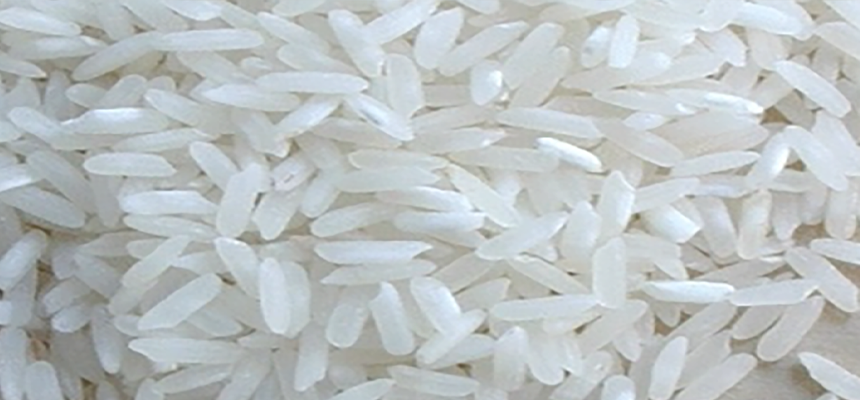
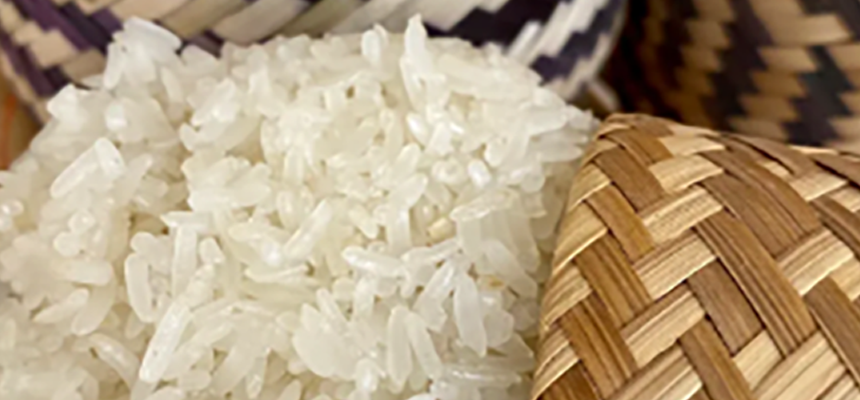
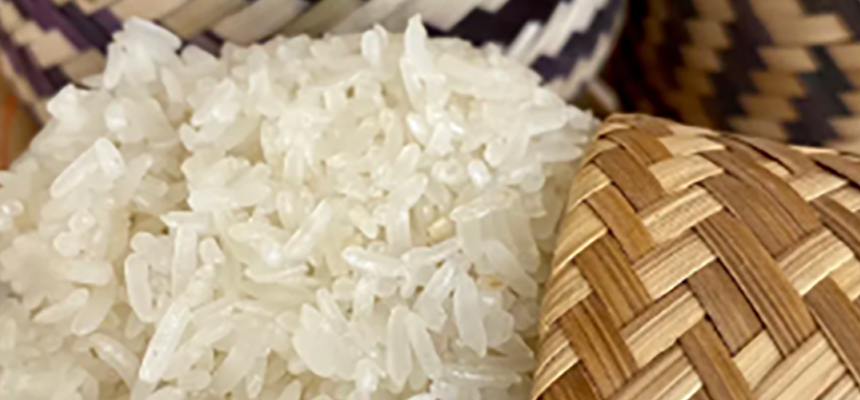
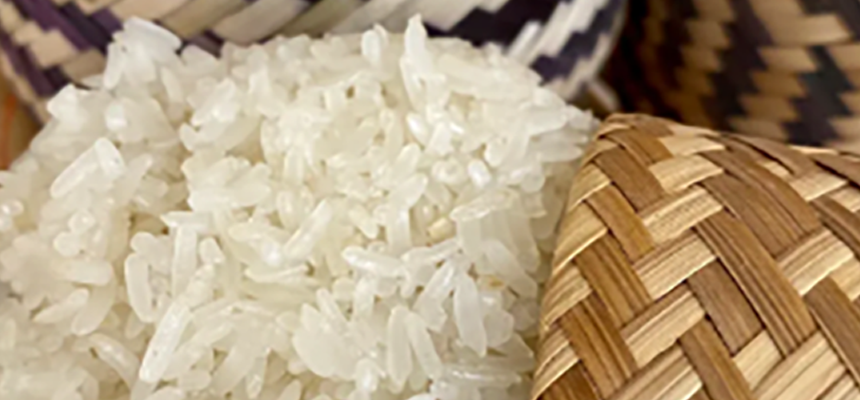
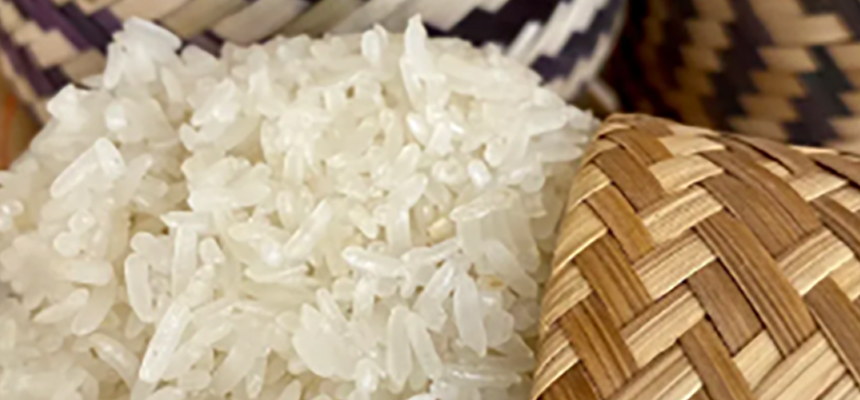
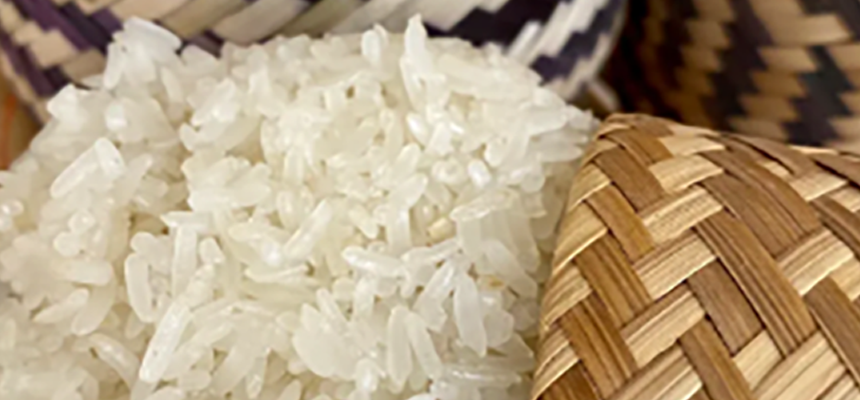
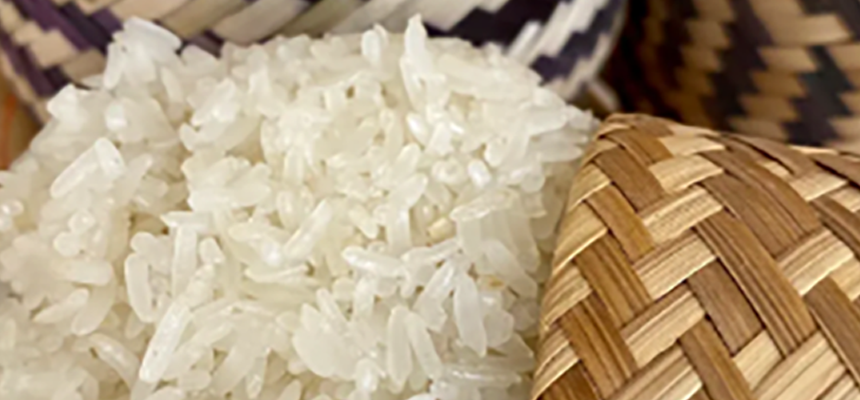
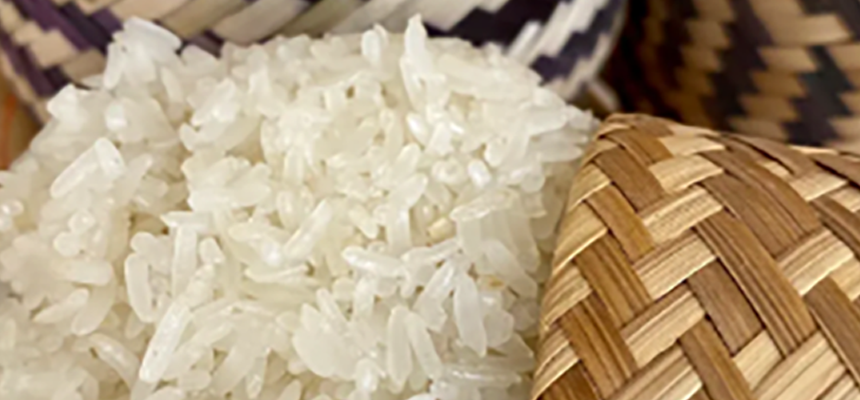
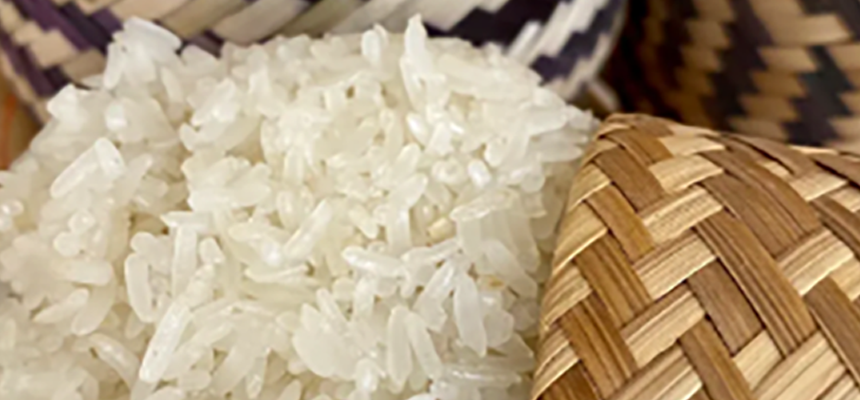
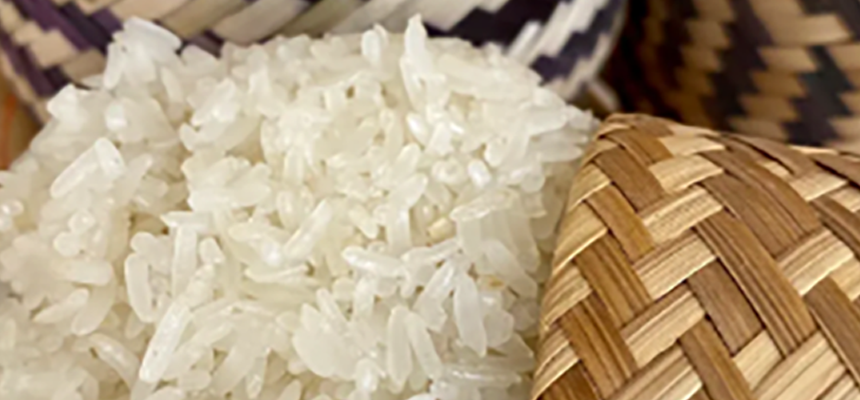
Glutinous rice export to China is a big part of our work, and we’re set up to do it properly. We’re a Thai rice exporter selling white glutinous rice (sticky rice, nuomi) direct from the mill in 5%, 10% and 25% broken grades. We pack 25 kg and 50 kg bags, jumbo bags for factories, and retail packs with Chinese labels. If you import into mainland China, or you’re a Chinese food maker looking for steady Thai sticky rice, this page covers the grades, specs, packing, the paperwork China asks for, shipping times to Chinese ports and how to order.
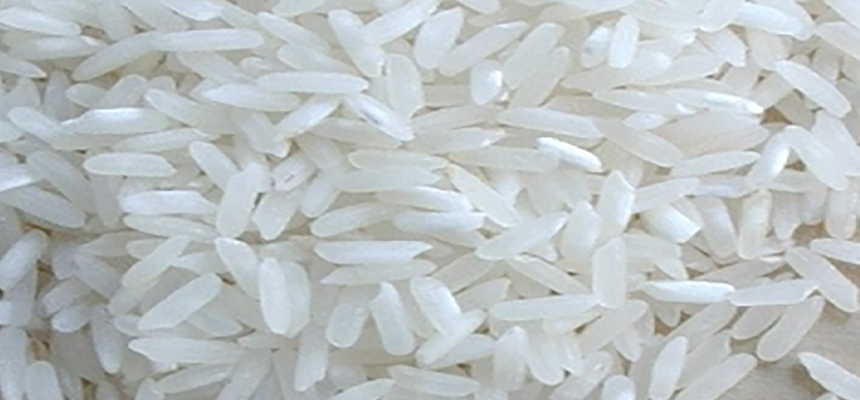
China eats a lot of sticky rice. Zongzi for the Dragon Boat Festival, tang yuan for the Lantern Festival, nian gao at New Year, eight-treasure rice, lo mai gai, sticky rice siu mai, rice wine and a long list of frozen foods all start with glutinous rice. China grows plenty of its own, but Thai glutinous rice has a name for clean white grain, good purity and a soft, even texture, so factories and distributors keep coming back for it. That’s what keeps glutinous rice export to China busy all year, with sharp peaks before the festivals.
Table of Contents
Who We Are
We’re De Thai Products 1989 Company Limited, exporting Thai rice since 1989. Our sticky rice comes from mills in northern and northeastern Thailand. We also ship Hom Mali, jasmine, white and parboiled rice. For glutinous rice export to China we work with mills that meet Chinese import registration rules, which is the first thing any Chinese buyer should check.
You deal with us directly. No trading company in Hong Kong in the middle unless you want one, and no extra margin. The team that quotes you also checks the rice, books the vessel and prepares the documents.
What Chinese Buyers Use Thai Glutinous Rice For
| Product | Grade we usually suggest |
|---|---|
| Zongzi | 5% or 10% broken, high purity |
| Tang yuan and glutinous rice flour | 25% broken or brokens |
| Nian gao and rice cakes | 10% or 25% broken |
| Eight-treasure rice and lotus leaf rice | 5% broken, new crop |
| Frozen dim sum fillings | 10% broken |
| Rice wine (mijiu) and jiuniang | 25% broken or brokens |
| Retail packs in supermarkets | 5% broken |
The grade really depends on whether people will see the grain. For anything ground into flour or fermented, paying for whole grains is wasted money. For zongzi and eight-treasure rice, the grain shows, so 5% or 10% is better. Getting this right is one of the easiest ways to make glutinous rice export to China profitable for the importer.
Grades and Specifications
Thai glutinous rice 5% broken
| Parameter | Specification |
|---|---|
| Origin | Thailand |
| Type | White glutinous rice |
| Crop | Current crop |
| Broken grains | Max 5% |
| Moisture | Max 14% |
| Glutinous purity | Min 95% |
| Damaged grains | Max 0.5% |
| Yellow grains | Max 0.2% |
| Red and red-streaked | Max 0.5% |
| Foreign matter | Max 0.1% |
| Milling | Well milled, polished, 100% sortexed |
Thai glutinous rice 10% broken
| Parameter | Specification |
|---|---|
| Broken grains | Max 10% |
| Moisture | Max 14% |
| Glutinous purity | Min 95% |
| Damaged grains | Max 1% |
| Foreign matter | Max 0.2% |
Thai glutinous rice 25% broken
| Parameter | Specification |
|---|---|
| Broken grains | Max 25% |
| Moisture | Max 14% |
| Glutinous purity | Min 92% |
| Damaged grains | Max 1.5% |
| Foreign matter | Max 0.5% |
Chinese factories often send their own spec, sometimes with limits on amylose content, whiteness or cooked hardness. Send it to us. We’ll check it against what the mills can deliver before quoting, rather than promise something and argue about it later. See our product pages for Thai glutinous rice, Thai glutinous rice 25% broken and our full write-up on Thai glutinous rice 10% broken.
Glutinous rice has very little amylose, which is why it turns soft and sticky after soaking and steaming. There’s no gluten in it at all. The Wikipedia article on glutinous rice explains the starch side if your QA team wants background.
What China Requires
This is where glutinous rice export to China differs from shipping to most other places. China is strict about rice imports, and the paperwork has to be right before the rice leaves Thailand. Here’s the general picture for glutinous rice export to China. Your customs broker in China will confirm the details for your port and your product.
- Registered facility. Rice going to China has to come from mills, packers and storage facilities registered with Chinese customs under the Thailand and China rice inspection arrangements. Overseas food producers also need registration with the General Administration of Customs of China. Ask any seller for the registration number before you go further.
- Registered importer. The Chinese consignee has to be registered to import food.
- Import quota. Rice imports into China are managed under a tariff rate quota. Duty depends on whether the shipment comes in under quota allocation. Your importer handles this side.
- Phytosanitary certificate. Issued by the Thai Department of Agriculture, confirming the rice meets China’s plant health rules.
- Fumigation. Done in Thailand with an approved fumigant and certified.
- Certificate of origin Form E. For preferential treatment under the ASEAN and China free trade agreement, where it applies. RCEP certificates are also possible.
- Chinese labels. Retail packs need a Chinese label meeting national food labelling rules before they go on sale. For bulk bags, the importer’s details and product information still need to be clear.
We’ve done glutinous rice export to China many times and we prepare these papers as standard. If anything changes on the Chinese side, your broker usually hears first, so keep them in the loop from the start.
Packing for China
| Packing | Used by |
|---|---|
| 50 kg PP woven | Flour mills and large factories |
| 25 kg PP woven or BOPP | Food factories, distributors, restaurants |
| Jumbo bags around 1 MT | Factories with bulk silos and tipping stations |
| 5 kg and 10 kg printed | Restaurants and wholesale markets |
| 1 kg, 2 kg and 2.5 kg retail packs | Supermarkets and online shops |
| Vacuum packs | Premium retail and gift packs before festivals |
We print in simplified Chinese, or in traditional Chinese for Hong Kong, Macau and Taiwan buyers. We send a print proof before production, and we’ll leave space for your Chinese back label if you’d rather apply it locally. For more on bag formats see our page on glutinous rice 25kg bag wholesale.
Shipping Routes and Transit Times
We load from Bangkok and Laem Chabang. China is close, so sea freight for glutinous rice export to China is quick and usually cheap compared with long-haul routes.
| Chinese port | Typical transit from Thailand |
|---|---|
| Guangzhou Nansha, Shenzhen Shekou and Yantian | 5 to 8 days |
| Xiamen | 7 to 10 days |
| Shanghai and Ningbo | 8 to 12 days |
| Qingdao and Tianjin | 10 to 15 days |
| Hong Kong | 4 to 7 days |
A 20ft container takes about 25 to 26 MT in 25 kg or 50 kg bags. Some buyers in southwest China also ask about overland routes through Laos on the Laos to China railway into Yunnan. It can work for certain buyers and certain times of year. Ask us and we’ll tell you honestly whether it makes sense for your order. Our guide on how many tons of rice fit in a 20ft container covers loading.
Full Document List
- Commercial invoice and packing list
- Bill of lading
- Certificate of origin Form E or RCEP
- Phytosanitary certificate
- Fumigation certificate
- Certificate of quality and weight from an independent surveyor
- Certificate of analysis, including moisture and purity
- Any extra lab tests your importer asks for, such as heavy metals or pesticide residues
Our page on rice export documents explains each paper, and how to import rice from Thailand covers the process step by step.
Prices for Glutinous Rice Export to China
We quote on the day. Sticky rice prices in Thailand follow the harvest in the north and northeast, the baht and freight. China demand itself moves the market too. When Chinese factories buy heavily ahead of the Dragon Boat Festival, Thai glutinous prices often firm up.
What goes into a glutinous rice export to China quote:
- Grade and crop year
- Packing type and labels
- FOB Thailand, or CFR or CIF your Chinese port
- Volume and contract length
- Any extra testing your importer needs
The Thai Rice Exporters Association publishes weekly reference prices for Thai glutinous rice. Our post on the Thai glutinous rice wholesale price shows how quotes are built, and FOB vs CIF rice price explains the terms. Payment is usually 30% T/T deposit with balance against a copy of the B/L, or L/C at sight. Contracts use Incoterms rules.
Quality Control for the Chinese Market
Chinese customs inspects rice on arrival, and a failed inspection is expensive. So before any glutinous rice export to China leaves our hands:
- Paddy is checked for variety and purity at the mill
- Rice is colour sorted to remove yellow, red, black and damaged grains
- Every lot is tested for moisture, brokens and glutinous purity
- We steam a sample to check stickiness and texture
- On request, a lab tests heavy metals, aflatoxin and pesticide residues
- An independent surveyor samples and seals at loading
- Containers are cleaned, inspected, lined and photographed
We also keep retention samples from every lot for several months, so if there’s ever a question on arrival we can test the same rice again. More on our quality control page.
Timing Around Chinese Festivals
This matters more for China than for almost any other market. Demand for sticky rice climbs ahead of three dates:
| Festival | When | What it drives |
|---|---|---|
| Spring Festival (Lunar New Year) | January or February | Nian gao, rice cakes, sweet soups |
| Lantern Festival | Two weeks after New Year | Tang yuan and yuanxiao |
| Dragon Boat Festival | May or June | Zongzi, by far the biggest peak |
Factories making zongzi often buy from January to April. The Thai harvest runs from October to December, with new crop reaching mills from late November. So the timing works nicely: new crop Thai rice is ready just as Chinese factories start booking. If you’re planning glutinous rice export to China for zongzi season, talk to us before the end of the year. Our post on the Thai rice harvest season has the full calendar, and Wikipedia has a good piece on zongzi if your marketing team wants background.
New Crop or Aged Rice for Chinese Factories
New crop sticky rice is softer and absorbs water quickly. Some zongzi makers like it for a softer bite. Others prefer rice stored for three to six months because it keeps its shape better during long boiling in the leaves. Flour mills usually don’t mind either way. Tell us how your product is made and we’ll pick the right lot for your glutinous rice export to China order. The same idea is covered in our post on old crop vs new crop jasmine rice.
Why Chinese Importers Buy Thai Sticky Rice
- Purity. Thai mills sort hard, and our lots are tested for glutinous purity every time.
- Whiteness. Thai glutinous rice is bright and even in colour, which matters for retail and for white rice cakes.
- Texture. It steams soft and even, with a good chew.
- Short voyage. Under two weeks to most Chinese ports.
- Trade deals. Form E and RCEP can help with duty, depending on quota.
- Steady supply. Thailand grows a huge amount of glutinous rice, so supply is reliable.
Mistakes to Avoid
- Buying from an unregistered mill. The container can be refused at the Chinese port. Always ask for the registration.
- Missing Form E. You may pay more duty than you need to.
- Late Chinese labels. Retail goods can’t be sold without them.
- Booking too late for Dragon Boat Festival. Prices and freight both rise in spring.
- Wrong grade. Paying for 5% when the rice is going into flour.
We help buyers avoid all of these on every glutinous rice export to China contract.
Private Label and Mixed Containers
We can pack under your brand with Chinese text, in retail packs or wholesale bags. We can also mix sticky rice with Thai Hom Mali rice, Thai jasmine rice or red cargo rice, which sell well in Chinese supermarkets. Our products page lists everything. If you’re in Hong Kong, our post on Thai Hom Mali rice importers in Hong Kong may also help.
Glutinous Rice Export to China for Zongzi Makers
Zongzi factories are the single biggest group we deal with on glutinous rice export to China. Their needs are quite specific. The rice is soaked, mixed with fillings, wrapped in bamboo or reed leaves and boiled for hours. If purity is low, some grains stay hard in the middle while the rest go soft. If the rice is too fresh, the dumpling can lose its shape. If it’s too old, it can turn out dry.
What we usually suggest for zongzi is the 5% or 10% grade, purity of at least 95%, and rice stored for two to four months after milling. We’ll send samples from the actual lot so your R&D team can make a test batch before you commit. Most zongzi makers sign for several containers spread from January to April, and we hold the lot for them so every shipment behaves the same on the line.
Glutinous Rice Export to China for Flour Mills
Glutinous rice flour goes into tang yuan, mochi, nian gao, frozen sesame balls and a long list of snacks. For milling, the grain shape doesn’t matter. What matters is purity, moisture and whiteness, because those carry straight through into the flour.
For flour mills, glutinous rice export to China is usually the 25% broken grade or straight brokens in 50 kg or jumbo bags. It’s the best value per ton. We keep moisture steady so your milling settings don’t need changing between containers. If whiteness is part of your spec, tell us the target and we’ll check the lot with a whiteness meter before loading.
Glutinous Rice Export to China for Retail and Online Sellers
Chinese supermarkets and online grocery platforms sell Thai sticky rice in 1 kg to 5 kg packs, often vacuum packed and sometimes in gift boxes before New Year. Here, how the grain looks through the pack is everything. We use the 5% grade, new crop, double polished and fully sorted.
For retail glutinous rice export to China, the Chinese label is the part that holds things up most often. Get the artwork approved by your importer’s compliance team before we print. We’ll send a proof and a physical print sample if you want one. If you’d rather print the back label in China, we’ll leave a clear space for it on the pack.
Hong Kong, Macau and Taiwan
We also ship to Hong Kong, Macau and Taiwan. Rules there differ from the mainland. Hong Kong in particular is a much simpler import market for rice. Labels are normally in traditional Chinese and English. Transit to Hong Kong is only four to seven days. A lot of Hong Kong importers re-export to southern China, so if that’s your plan, tell us early so the paperwork for the final market is right from the start of the glutinous rice export to China process.
How an Order Runs, Week by Week
Here’s a realistic timeline for a first glutinous rice export to China contract with printed retail bags:
| Week | What happens |
|---|---|
| Week 1 | Samples sent by courier, spec agreed, price confirmed |
| Week 2 | Contract signed, deposit paid or L/C opened, artwork sent |
| Week 3 | Print proof approved, bags go into production, rice set aside |
| Week 4 to 5 | Bags arrive, rice milled, sorted and packed |
| Week 5 | Fumigation, phytosanitary inspection, surveyor checks and seals |
| Week 6 | Container loaded, vessel sails, documents sent |
| Week 7 to 8 | Arrival in China, customs inspection and release |
With plain bags you can cut two to three weeks off that. Repeat orders run much faster because the artwork, registration details and paperwork are already in place. Many of our regular glutinous rice export to China buyers go from order to loading in under three weeks.
A Word on Trust
There are a lot of people offering glutinous rice export to China online, and not all of them own or work with a registered mill. Some are brokers with a few photos. Before you send money, ask for the company registration, the mill’s China registration details, recent loading photos, a video call, and a sample you can cook. We’ll give you all of these without fuss. If anyone hesitates, that tells you what you need to know. Our about us page and achievements page show who we are.
7 Proven Tips for Glutinous Rice Export to China
- Check mill registration first. Nothing else matters if the facility isn’t registered.
- Get your importer’s quota position clear. It decides the duty.
- Ask for Form E or RCEP. It can lower your landed cost.
- Match grade to product. 25% for flour and wine, 5% or 10% for zongzi and retail.
- Book zongzi rice early. January to March is a good window.
- Agree lab tests in the contract. Heavy metals and residues if your importer needs them.
- Keep retention samples. Both sides should hold a sealed sample from each lot.
How to Order
- Send grade, packing, quantity and your Chinese port
- We send a price, spec sheet, mill registration and loading date
- We agree terms and sign
- You pay the deposit or open the L/C
- We mill, sort, pack, fumigate and book
- The surveyor inspects and we load
- We send the full document set and track the vessel
- Your broker clears the rice in China
Frequently Asked Questions
What's the minimum for glutinous rice export to China?
One 20ft container, around 25 MT. See our minimum order quantity page.
Can you print Chinese labels?
Yes, simplified or traditional Chinese.
Do you provide Form E?
Yes, where the shipment qualifies.
How long does shipping take to China?
About 5 to 15 days by sea, depending on the port.
Can I get samples first?
Yes, 1 to 2 kg by courier, and we can arrange lab results too.
Get a Quote for Glutinous Rice Export to China
Send us the grade, packing, quantity and your port. We’ll reply with a price, a spec sheet and a loading window, normally within one working day.
Email info@dethairice.com, WhatsApp +66 81 034 6390, or use our contact page. You might also like Thai glutinous rice exporter, sweet rice wholesale and bulk sticky rice supplier.