


If you’re looking for a Thai glutinous rice exporter who ships by the container and sticks to the spec, you’ve found one. We export Thai white glutinous rice, the sticky rice Thailand is known for, in 5%, 10% and 25% broken grades. We pack it in 25 kg and 50 kg bags or retail packs from 1 kg, and ship to buyers in Asia, the Middle East, Europe, the Americas, Africa and the Pacific. Here’s what we sell, the specs, packing, shipping, documents and how to order.
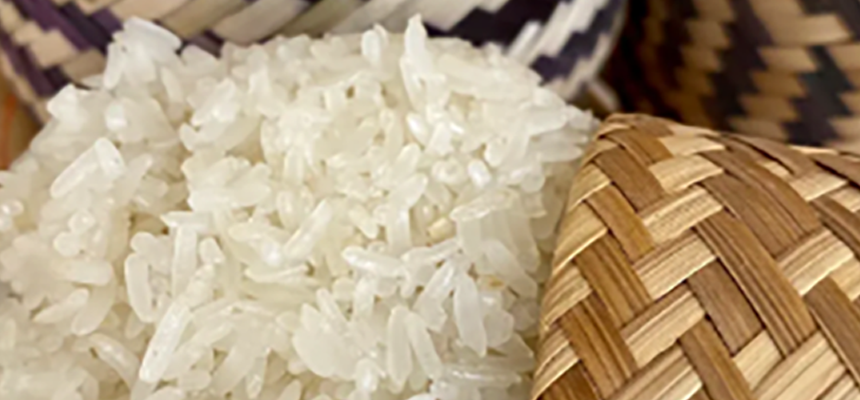
Sticky rice from a Thai glutinous rice exporter is a different animal from jasmine or white rice. It’s soaked and steamed, not boiled, and it ends up soft, chewy and clingy, which is exactly what people want for mango sticky rice, dumplings, mochi and a long list of desserts. Buyers who know this rice can tell good stock from tired stock the moment they open a bag. As a Thai glutinous rice exporter, we spend a lot of time making sure the grain you get is clean, white, fresh and properly sticky once it’s cooked.
Table of Contents
Table of Contents
Who We Are
We’re De Thai Products 1989 Company Limited, a Thai rice exporter since 1989. Most Thai sticky rice is grown in the north and northeast, where people eat it every day, and we work with mills and packers who buy paddy from those regions. Alongside glutinous rice we ship Hom Mali, jasmine, white and parboiled rice all over the world.
We sell direct. Buying from a Thai glutinous rice exporter with its own mill links means there’s no trader in the middle taking a cut, and the people answering your questions are the same people loading your container.
What Makes Rice “Glutinous”
The name confuses people, so it’s worth clearing up. Glutinous rice has no gluten in it. The word refers to the glue-like texture it gets when cooked. Its starch is almost all amylopectin with very little amylose, which is why the grains stick together in a soft mass instead of cooking up loose and fluffy. The glutinous rice page on Wikipedia covers the botany if you want more.
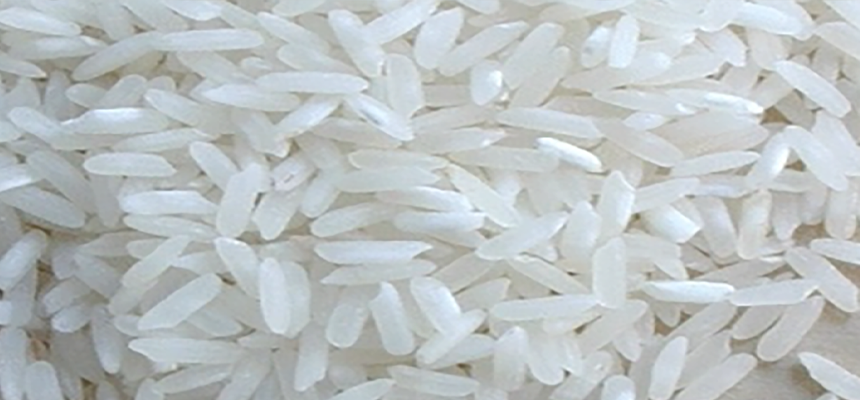
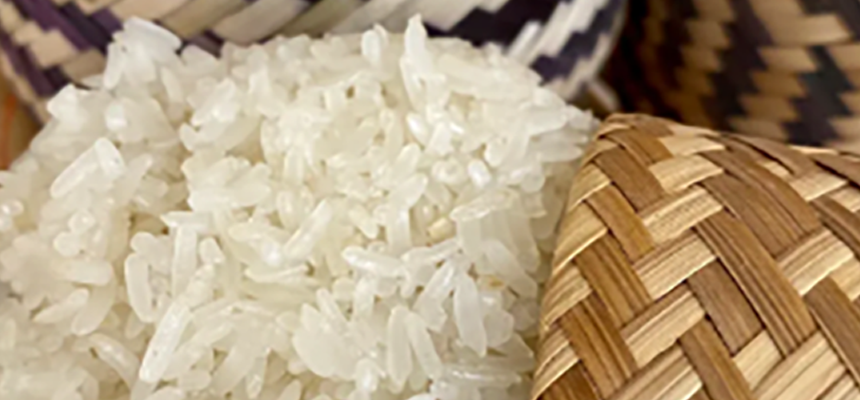
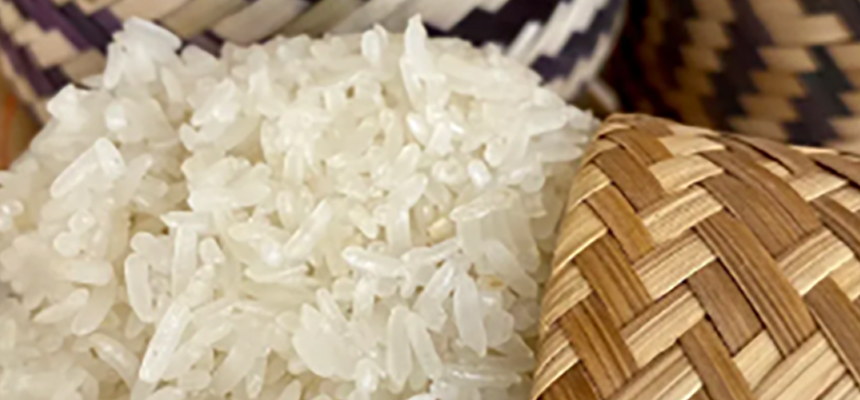
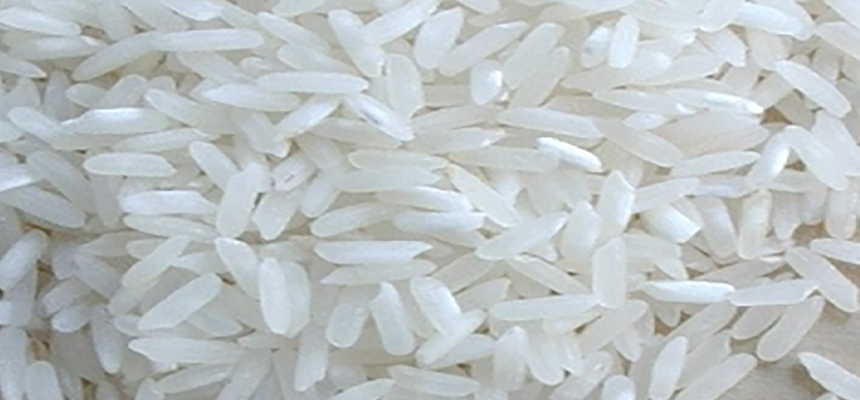
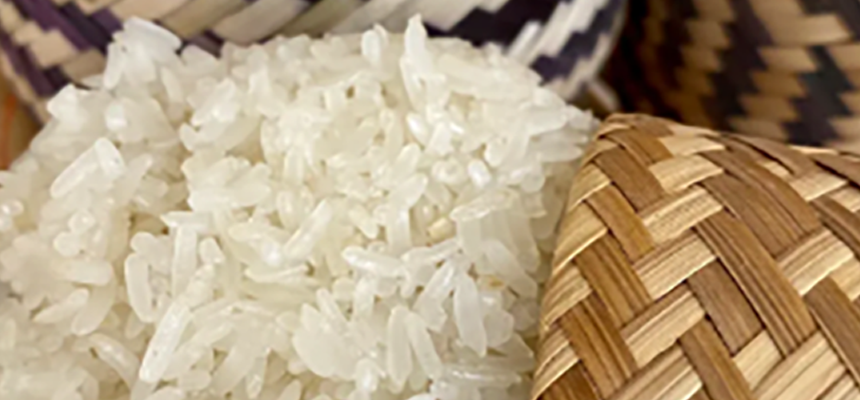
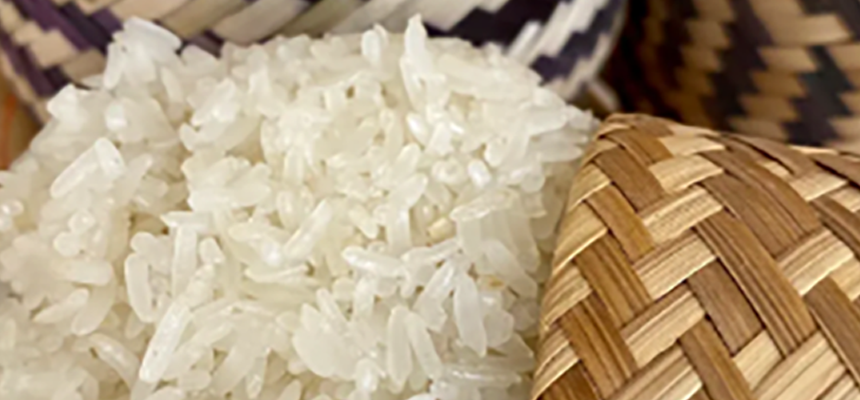
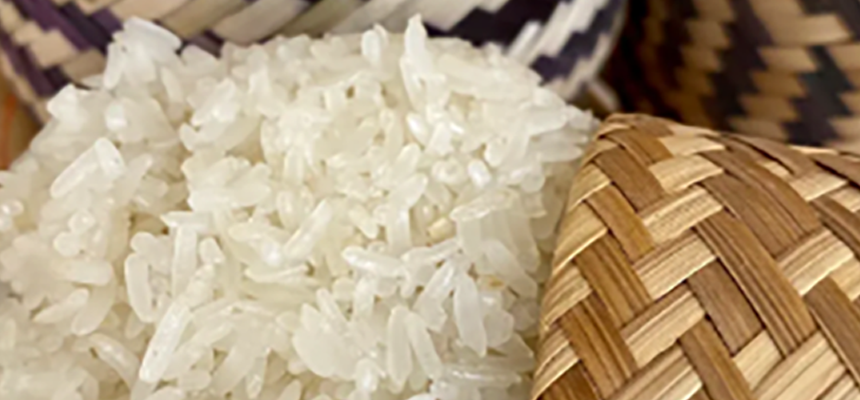
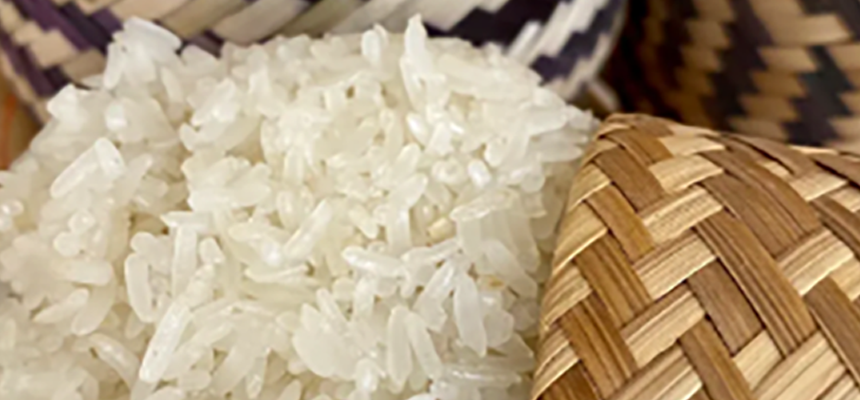
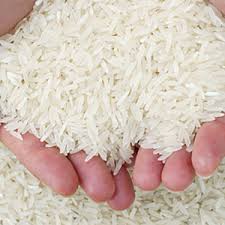
Raw Thai sticky rice also looks different. The grains are an opaque, milky white, not translucent like jasmine. So if a buyer sees a bag of “glutinous” rice with clear, glassy grains, something isn’t right. Any honest Thai glutinous rice exporter will tell you the same.
What We Export
| Grade | Broken grains | Typical use |
|---|---|---|
| Thai glutinous rice 5% broken | Max 5% | Retail packs, restaurants, desserts |
| Thai glutinous rice 10% broken | Max 10% | Wholesale, food service |
| Thai glutinous rice 25% broken | Max 25% | Food processing, rice flour, snacks |
| Glutinous broken rice | Mostly broken | Flour milling, rice wine, feed |
See the product pages for Thai glutinous rice and Thai glutinous rice 25% broken. As a Thai glutinous rice exporter we also ship Thai Hom Mali rice, Thai jasmine rice, sushi rice and Thai red cargo rice, so Asian grocery importers can fill one container with several lines. The full list is on our products page.
Specifications
Thai glutinous rice 5% broken
| Parameter | Specification |
|---|---|
| Type | Thai white glutinous (sticky) rice |
| Grain | Short to medium, opaque milky white |
| Crop | Current crop |
| Broken grains | Max 5% |
| Moisture | Max 14% |
| Glutinous purity | Min 95% |
| Non-glutinous grains | Max 5% |
| Foreign matter | Max 0.1% |
| Damaged grains | Max 0.5% |
| Yellow grains | Max 0.2% |
| Red and red-streaked grains | Max 0.5% |
| Cooked texture | Soft, sticky, slightly chewy |
| Shelf life | 12 to 24 months in proper storage |
Thai glutinous rice 10% broken
| Parameter | Specification |
|---|---|
| Broken grains | Max 10% |
| Moisture | Max 14% |
| Glutinous purity | Min 95% |
| Foreign matter | Max 0.2% |
| Damaged grains | Max 1% |
Thai glutinous rice 25% broken
| Parameter | Specification |
|---|---|
| Broken grains | Max 25% |
| Moisture | Max 14% |
| Glutinous purity | Min 92% |
| Foreign matter | Max 0.5% |
| Damaged grains | Max 1.5% |
You’ll notice chalky grains aren’t on the list. That’s on purpose. Sticky rice is naturally opaque, so the chalkiness test used for white rice doesn’t apply. What matters instead is purity, meaning how much non-glutinous rice has slipped in. As a Thai glutinous rice exporter, that’s the number we watch most closely, because even a few percent of ordinary rice changes how the batch cooks.
We grade to the Thai rice standard and the Codex Alimentarius rice standard. If your buyers have their own spec, send it and we’ll check it before quoting. More on grading is on our rice standard page.
Where Thai Sticky Rice Goes
We ship Thai glutinous rice to a wide spread of markets:
- East Asia: for dumplings, rice cakes, zongzi, mochi and sweets
- Southeast Asia: for everyday sticky rice and desserts in Laos, Malaysia, Singapore and beyond
- North America and Europe: Asian supermarkets, Thai and Lao restaurants, dessert shops
- Middle East: Asian grocery chains and restaurant groups
- Australia and New Zealand: Asian grocers and food service
- Food manufacturers everywhere: rice flour, snacks, frozen desserts and rice wine
If you supply Asian grocers in the US, our post on glutinous rice suppliers for US Asian markets goes into more detail. A good Thai glutinous rice exporter should understand that each of these markets wants something slightly different in the bag, and we’re happy to adjust.
Packing Options
| Packing | Notes |
|---|---|
| 50 kg PP woven bags | Wholesale, food processing |
| 25 kg PP woven bags | Wholesale and food service |
| 10 kg and 5 kg bags | Restaurants, cash and carry |
| 1 kg and 2 kg retail packs | Supermarkets, Asian grocers |
| Vacuum packs | Premium retail, longer freshness |
| Private label | Your brand and artwork |
Retail packs can be printed in English, Chinese, Arabic, French, Spanish or other languages as needed. Every bag shows the product name, net weight, origin, production and best-before dates, and any extra details your market requires. As your Thai glutinous rice exporter, we’ll send a print proof before anything goes to the printer.
Shipping
We load at Bangkok and Laem Chabang. A 20ft container holds about 25 to 26 MT of bagged rice, slightly less if you’re packing small retail packs in cartons. Rough transit times:
| Region | Typical transit |
|---|---|
| East and Southeast Asia | 5 to 15 days |
| Middle East | 16 to 28 days |
| Europe | 28 to 40 days |
| US West Coast | 20 to 30 days |
| US East Coast | 30 to 45 days |
| Australia and New Zealand | 15 to 30 days |
| Africa | 20 to 50 days |
Our page on how many tons of rice fit in a 20ft container explains loading. You get the vessel name and ETA before you pay the balance, and we keep you posted if anything changes. That’s the bare minimum anyone should expect from a Thai glutinous rice exporter.
Documents
With every shipment we send:
- Commercial invoice and packing list
- Bill of lading
- Certificate of origin, including preferential forms where trade agreements apply
- Phytosanitary certificate
- Fumigation certificate
- Certificate of quality and weight from an independent surveyor
- Certificate of analysis
- Health certificate if your country asks for one
Import rules for rice vary a lot from one country to the next. Check with your customs broker and we’ll match what they ask for. Our guide to rice export documents explains each paper, and our post on how to import rice from Thailand walks through the whole process.
Prices
Sticky rice prices move with the northern and northeastern harvest, the baht and freight. As a Thai glutinous rice exporter we quote on the day and hold the price for an agreed time.
Your price depends on:
- The grade you choose
- Bag size and retail packing
- FOB Thailand or CFR/CIF your port
- Volume and how often you order
Our post on the Thai glutinous rice wholesale price explains how prices are built up, and FOB vs CIF rice price covers the shipping terms. The Thai Rice Exporters Association also publishes weekly reference prices for Thai rice, including glutinous.
Payment is usually a 30% deposit by T/T with the balance against a copy of the bill of lading, or an L/C at sight. We use standard Incoterms rules in every contract.
Quality Control
Here’s what we do as a Thai glutinous rice exporter before your sticky rice leaves Thailand:
- We test incoming paddy for variety and purity
- Milled rice runs through colour sorters to remove yellow, red and damaged grains
- Moisture, brokens and glutinous purity are tested on every lot
- A cooking test checks stickiness and texture
- An independent surveyor samples and seals at loading
- Containers are checked and lined with kraft paper
- You get loading photos
You can read more on our quality control page. For a Thai glutinous rice exporter, the cooking test matters as much as the lab results. A sample can pass every number and still not stick properly if the purity is off.
New Crop vs Old Crop
Sticky rice changes as it ages. New crop rice is softer, more fragrant and stickier. Older rice gets a little firmer and needs a longer soak. Some buyers prefer new crop for desserts and retail. Some food manufacturers actually prefer slightly aged rice because it’s more predictable in processing. Tell us which you want and we’ll match the lot. Our post on old crop vs new crop jasmine rice explains the same effect in jasmine rice, and the idea carries over.
How Thai Sticky Rice Is Cooked
If your customers are new to rice from a Thai glutinous rice exporter, this helps:
- Rinse the rice until the water runs mostly clear
- Soak it for at least 4 hours, or overnight
- Drain well
- Steam it in a bamboo basket or a steamer lined with cloth for 20 to 25 minutes
- Turn it once halfway through so it cooks evenly
- Keep it covered so it stays soft
It should come out glossy, soft and sticky enough to press into a ball with your hand. Rice from a reliable Thai glutinous rice exporter should behave like that every time. For a comparison with fragrant rice, our post on glutinous rice vs jasmine rice is worth a read.
Storage
- Keep bags on pallets in a cool, dry place
- Keep away from strong smells, as rice picks them up
- Rotate stock, first in first out
- Seal opened bags
- Check for insects regularly in warm weather
Stored properly, rice from a careful Thai glutinous rice exporter keeps for 12 to 24 months from milling. Vacuum packs last longer on the shelf.
Private Label
If you sell sticky rice under your own brand, we can pack it for you in retail packs or wholesale bags. We’ll print your artwork, check the text and send a proof. Minimum order for private label is usually one container per design, and printed packaging takes about two to three weeks. Many importers start using a Thai glutinous rice exporter for private label because it’s cheaper than repacking at destination.
Samples and a Trial Order
As a Thai glutinous rice exporter, we send 1 to 2 kg samples of any grade by courier. Soak and steam them the way your customers would. Check the colour, the purity and the stickiness. If you like what you see, start with one container. A lot of our buyers started that way and have been ordering for years.
Mixed Containers
You don’t need to fill a whole container with sticky rice. We can load glutinous rice with Hom Mali, jasmine, red cargo or sushi rice in the same box. For Asian grocery importers, a mixed container is often the most practical way to buy from a Thai glutinous rice exporter.
Sticky Rice for Food Manufacturers
A good share of what we ship as a Thai glutinous rice exporter never ends up on a plate as plain sticky rice. It goes into factories. Glutinous rice is the base for:
- Glutinous rice flour for mochi, tang yuan and other dumplings
- Frozen desserts and filled rice cakes
- Rice crackers and puffed snacks
- Rice wine and other fermented drinks
- Ready meals and steamed buns
Factories need something different from retail buyers. They care less about how the grain looks and more about purity, moisture and how evenly each lot behaves on the line. For processing we usually suggest the 10% or 25% grade, which cost less and work just as well once milled into flour. If you make food at scale, our page on being a rice supplier for food manufacturers has more.
Sticky Rice in Different Kitchens
The same bag of rice ends up in very different dishes depending on where it lands:
| Region | Popular uses |
|---|---|
| Thailand and Laos | Khao niao with grilled meat, som tam, mango sticky rice |
| China | Zongzi, eight-treasure rice, lotus leaf rice |
| Japan | Mochi, sekihan, okowa |
| Korea | Tteok, yakshik, rice wine |
| Philippines | Suman, biko, champorado |
| Malaysia and Indonesia | Kuih, lemang, ketan |
That spread is why a Thai glutinous rice exporter can’t treat every customer the same. A Japanese mochi maker and a Lao restaurant in Paris both want sticky rice, but they don’t want quite the same thing. Tell us who your end customer is and we’ll suggest the grade and crop that suit them.
Planning Orders Around the Harvest
Most Thai sticky rice comes from the main wet season crop, harvested from around October to December in the north and northeast. Prices are often friendlier once new crop reaches the mills, and quality is at its freshest. Demand from Asian buyers also peaks before Lunar New Year and the Dragon Boat Festival, when dumpling and rice cake makers stock up.
If you can, book with your Thai glutinous rice exporter a couple of months ahead of those peaks. Our post on the Thai rice harvest season explains the timing in more detail.
Common Problems and How We Avoid Them
From years of shipping sticky rice, these are the things that cause trouble:
- Mixed varieties. Ordinary rice mixed in lowers purity and the batch cooks unevenly. We test purity on every lot.
- Too much moisture. Damp rice can turn musty in the container. We keep moisture under 14% and line every box.
- Old stock sold as new. We give you the milling date on every lot.
- Wrong labels. We send print proofs before anything is printed.
- Smell taint. We never load rice next to strong-smelling cargo.
None of this is complicated. It just takes a Thai glutinous rice exporter who checks every time instead of most of the time.
What to Check Before You Buy
Before you pay a deposit to any Thai glutinous rice exporter, ask for:
- A spec sheet that includes glutinous purity
- Samples by courier
- Photos and video of the rice and bags
- A company name and registration you can check
- An independent surveyor at loading
- A written contract with Incoterms
If a seller can’t provide these, keep looking. We’d much rather you checked us properly.
Why Buyers Choose Us
- Exporting Thai rice since 1989
- Direct links to mills in the main sticky rice regions
- Purity and cooking tested on every lot
- Wholesale bags and retail packs
- Private label in many languages
- Mixed containers with other Thai rice
- Quick replies and honest updates
Buyers who choose us as their Thai glutinous rice exporter can read more about our company on the about us page.
7 Proven Tips for Buying From a Thai Glutinous Rice Exporter
- Ask for glutinous purity, not just brokens. Purity decides how it cooks.
- Cook samples the proper way. Soak and steam, never boil.
- Pick new or old crop on purpose. Desserts and processing want different things.
- Match the pack to your market. 1 kg for retail, 25 kg for restaurants.
- Check the label language early. Fix it before printing, not after.
- Store it away from strong smells. Sticky rice absorbs them.
- Stay with one steady supplier. Consistent rice keeps your customers.
How to Order
- Send us the grade, packing, quantity and port
- We send a price, spec sheet and loading window
- We agree terms and sign a contract
- You pay the deposit or open the L/C
- We mill, sort, pack and book the container
- The surveyor inspects and we load
- We send documents and track the ship
- You clear and collect at your port
Frequently Asked Questions
What’s the minimum order from a Thai glutinous rice exporter?
With us, one 20ft container, about 25 MT. Mixed containers are fine. Our page on Thai rice minimum order quantity has more.
Does glutinous rice contain gluten?
No. The name refers to its sticky texture, not wheat gluten.
Can you pack 1 kg retail bags?
Yes, along with 2 kg, 5 kg, 10 kg, 25 kg and 50 kg.
How long does rice from a Thai glutinous rice exporter keep?
12 to 24 months in good storage, longer in vacuum packs.
Can you supply broken glutinous rice for flour?
Yes. Tell us the use and we’ll suggest the right grade.
Talk to a Thai Glutinous Rice Exporter Today
Send us the grade, packing, quantity and port. We’ll reply with a firm price, a spec sheet and a loading window, usually within one working day. Want to see the rice first? Ask for samples.
Email info@dethairice.com, WhatsApp +66 81 034 6390, or use our contact page. You might also like our page on glutinous rice for sale, our page as a bulk sticky rice supplier, and our Thai Hom Mali rice exporter page.
One thought on “Thai Glutinous Rice Exporter: Trusted Mill-Direct Supply and 7 Proven Tips”