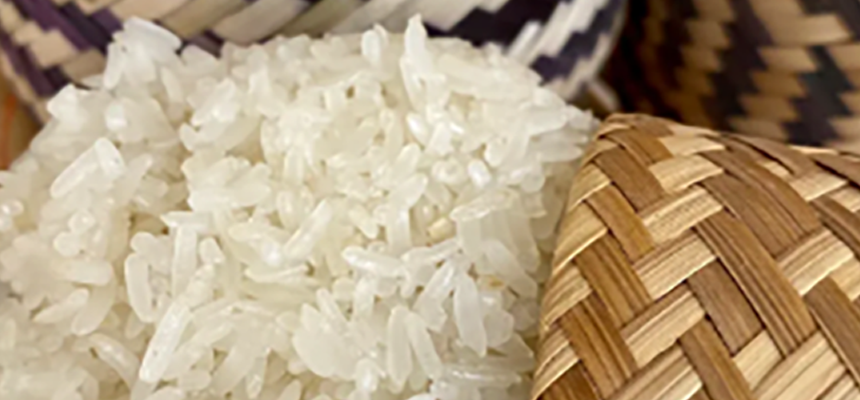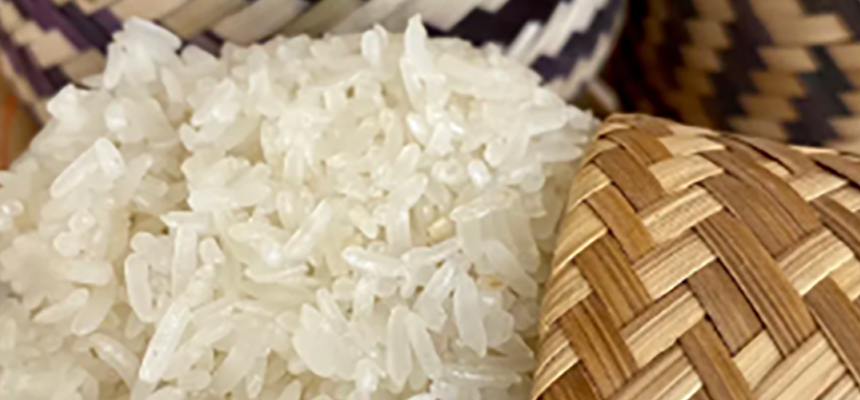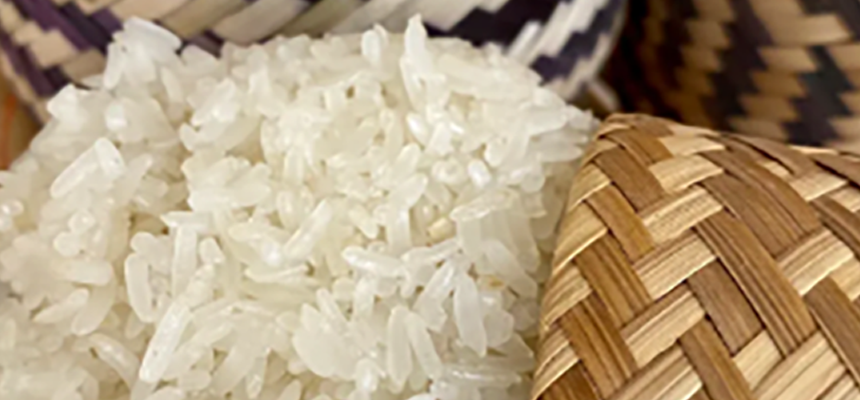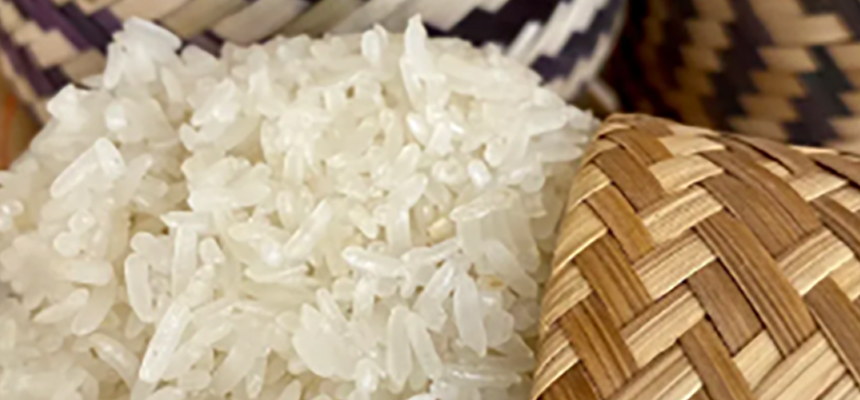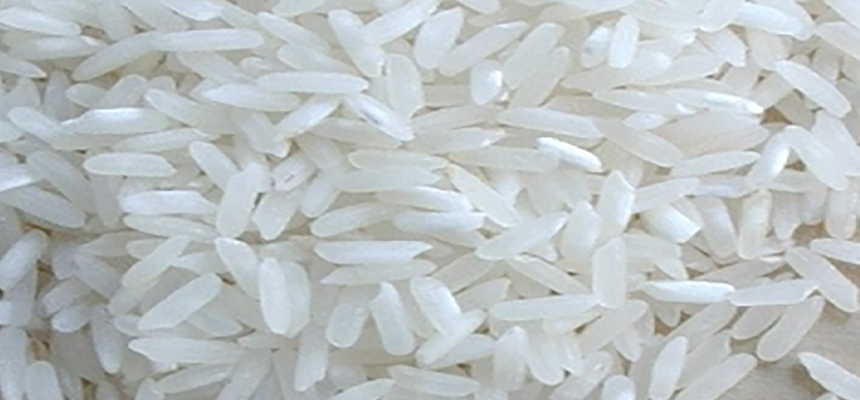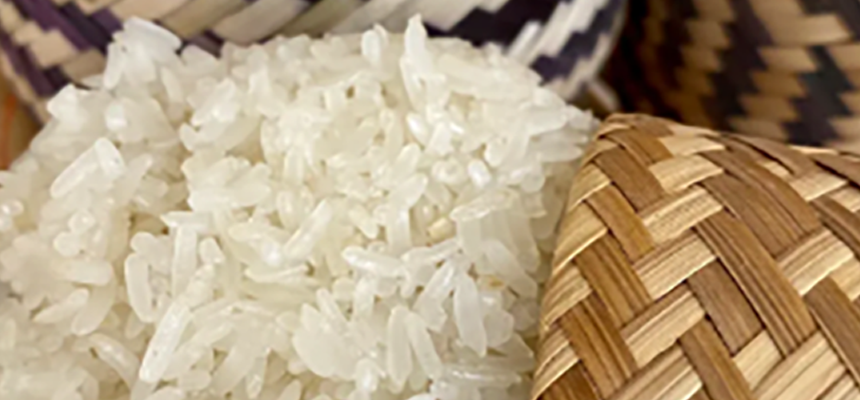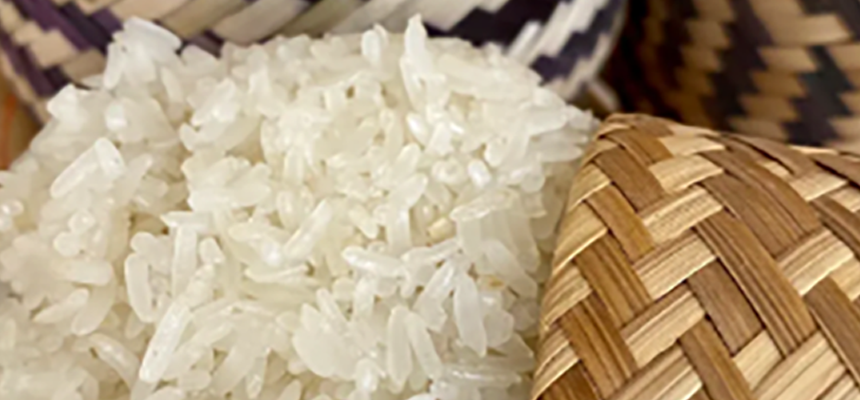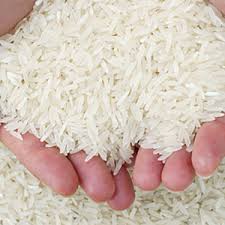


If you grind, ferment or process sticky rice, you probably don’t need whole grains, and you shouldn’t pay for them. We’re a broken glutinous rice supplier based in Thailand, selling Thai white glutinous rice in 25%, 50% and 100% broken grades to flour mills, breweries, snack makers and food factories around the world. We pack in 25 kg and 50 kg bags or one-ton jumbo bags and ship by the container. This page gives you the specs, uses, packing, shipping, documents and how to buy.
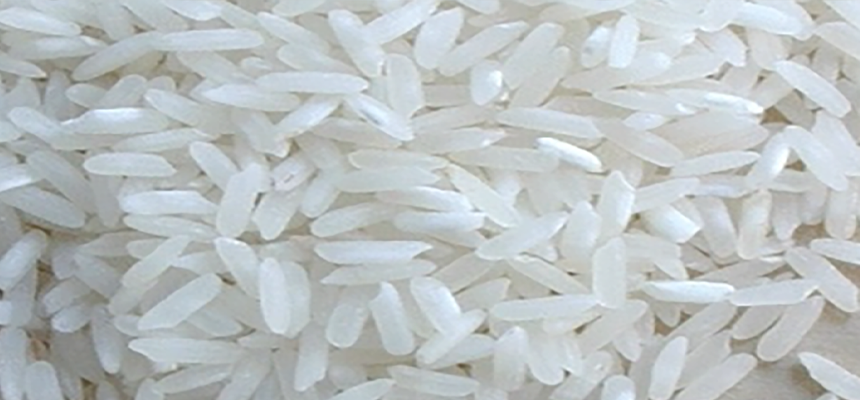
Broken glutinous rice is not a lower quality rice. It’s the same crop, the same variety and the same milling line as our whole grain sticky rice. The grains have simply broken during milling. For anyone turning rice into flour, wine or dough, that makes no difference to the result, but it makes a real difference to the price.
Table of Contents
Who We Are
We’re De Thai Products 1989 Company Limited, a Thai rice exporter since 1989. Our glutinous rice comes from northern and northeastern Thailand, where sticky rice is the main crop. We mill it, sort it and pack it, and we sell the broken fractions as products in their own right, not as leftovers.
We also export Hom Mali, jasmine, white, parboiled and Japonica-type rice, all listed on our products page. Working with us as your broken glutinous rice supplier means you get the same checks and paperwork as our premium grades.
What Broken Glutinous Rice Actually Is
When paddy goes through the mill, some grains crack. The mill then separates the rice by size. Whole grains and big pieces go one way, smaller pieces go another. A “25% broken” grade means up to a quarter of the rice by weight is broken pieces. A “100% broken” grade is all pieces, no whole grains at all.
Broken pieces are graded by size too. Larger brokens, around half to three quarters of a grain, cook almost like whole rice. Small brokens, sometimes called brewers’ rice or C1 in Thai grading, are tiny fragments that are best ground or fermented. You can read more on broken rice on Wikipedia, and our own article on what broken rice is used for covers the white rice side.
What matters most for sticky rice is that the broken pieces are still glutinous. A good broken glutinous rice supplier keeps the purity high, so the flour or dough still has that stretchy, sticky texture.
What We Sell
Here’s the range we offer as a broken glutinous rice supplier. All grades are Thai white glutinous rice from the current crop unless you ask otherwise.
- Thai glutinous rice 25% broken. Our most popular broken grade. Still looks like rice, cooks well, and costs noticeably less than 5% broken. Full details on the 25% broken product page.
- Thai glutinous rice 50% broken. On request. A mix of whole grains and large brokens for factories that want a lower price but still steam some of the rice.
- Thai glutinous rice 100% broken. All pieces, no whole grains. The cheapest sticky rice we sell, made for grinding and fermenting.
- Glutinous rice small brokens (C1 type). Very small fragments for brewing and flour where size doesn’t matter at all.
If you want whole grain sticky rice as well, see Thai glutinous rice for sale and our 10% broken spec sheet.
Specifications
These are our standard specs as a broken glutinous rice supplier. Factories often have their own, so send yours over and we’ll check it.
| Parameter | 25% broken | 100% broken |
|---|---|---|
| Product | Thai white glutinous rice | Thai white glutinous rice, broken |
| Origin | Thailand | Thailand |
| Whole grains | Min 75% | None required |
| Broken grains | Max 25% | 100% |
| Moisture | Max 14% | Max 14% |
| Glutinous purity | Min 92% | Min 92% |
| Damaged grains | Max 1.5% | Max 2% |
| Foreign matter | Max 0.5% | Max 0.5% |
| Colour | Natural white | Natural white |
| Milling | Well milled, sortexed | Well milled, sortexed on request |
| Insects | None, no musty smell | None, no musty smell |
| Shelf life | 12 to 24 months | 12 months recommended |
How broken grades compare with whole grain sticky rice:
| Point | 5% broken | 25% broken | 100% broken |
|---|---|---|---|
| Looks when served whole | Best | Fair | Not for serving whole |
| Glutinous purity | Min 95% | Min 92% | Min 92% |
| Price | Highest | Lower | Lowest |
| Best for | Retail, restaurants | Steamed dishes in factories, flour | Flour, wine, snacks, dough |
We grade to Thai export rules, which you can read about on our rice standard page.
Who Buys From a Broken Glutinous Rice Supplier
Most of the people who buy broken sticky rice from us fall into one of these groups.
Rice flour mills
Glutinous rice flour, also sold as sweet rice flour, mochiko, tepung pulut or bột nếp, is made by soaking and grinding sticky rice. The mill doesn’t care whether the grain was whole or broken. It cares about purity, moisture and colour. Flour mills are the biggest customers of any broken glutinous rice supplier, and they usually buy 100% broken in jumbo bags.
Rice wine and liquor makers
Sticky rice is the base for Chinese mijiu, Korean makgeolli, Japanese mirin, Thai sato, Vietnamese rượu nếp and many other drinks. Brewers want steady starch from lot to lot because it changes the taste. Small brokens work well and are cheap.
Snack and cracker factories
Rice crackers, puffed snacks, senbei, arare and sweet rice cakes all use glutinous rice. Many factories buy 25% or 100% broken and grind it on site.
Frozen and ready food factories
Mochi, tang yuan, rice dumplings, sesame balls and dim sum all need glutinous rice or flour. Factories that steam the rice whole use the 25% grade. Those that make dough use 100% broken.
Sauce and paste makers
Some sauces and pastes, like gochujang, use glutinous rice powder. Broken grades are standard here.
If you run any of these businesses, our rice supplier for food manufacturers page has more on how we work with factories.
Why Buy Broken Instead of Whole
The simple reason is price. Broken glutinous rice usually costs much less than the 5% grade, and the gap gets wider when sticky rice is in short supply. For a factory using several containers a month, that adds up quickly.
There are other reasons too. Broken pieces soak faster, so grinding lines move quicker. In brewing, smaller pieces break down more evenly. And in some markets, broken rice sits under a different tariff code with lower duty. If you’re buying for a process where the grain is destroyed anyway, a broken glutinous rice supplier saves you money without hurting the product.
When should you not buy broken? If the rice is served whole on a plate, like mango sticky rice or lemang, whole grains look better and customers notice. In that case go for 5% or 10% broken.
Packing Options
| Pack | Type | Notes |
|---|---|---|
| Jumbo bag | About 1 MT, with discharge spout | Flour mills and breweries |
| 50 kg | PP woven, liner optional | Lowest cost per ton in bags |
| 25 kg | PP woven, liner optional | Easier handling for smaller factories |
| Bulk vessel | Loose in hold | Large tender or industrial orders |
Most factories want plain bags with lot numbers, so they can trace each batch. We print lot, production date and net weight on every bag. If you want your own brand on the bag, we can do that too. Our glutinous rice 25 kg bag wholesale page goes into bag types.
Shipping Worldwide
As a broken glutinous rice supplier shipping worldwide, we load at Laem Chabang or Bangkok. Typical transit times:
| Region | Typical transit |
|---|---|
| East and Southeast Asia | 5 to 15 days |
| South Asia | 10 to 20 days |
| Middle East | 16 to 28 days |
| Europe | 28 to 40 days |
| North America | 20 to 45 days |
| Australia and New Zealand | 15 to 30 days |
| Africa | 20 to 50 days |
A 20ft container takes about 25 to 26 MT in 25 kg or 50 kg bags, or about 20 MT in jumbo bags. Our page on how many tons of rice fit in a 20ft container has more. Broken rice packs a little denser than whole grains, so weight per container can be slightly higher.
Documents
Every shipment from us as your broken glutinous rice supplier comes with:
- Commercial invoice and packing list
- Bill of lading
- Certificate of origin, and FTA forms where they apply
- Phytosanitary certificate
- Fumigation certificate
- Quality and weight certificate from an independent surveyor
- Lab reports for residues, aflatoxin or heavy metals if you need them
See our rice export documents guide for what each one does.
Pricing
As a broken glutinous rice supplier we quote FOB Thai port, or CFR and CIF to your port. Price depends on the broken grade, crop, purity, packing, quantity and freight. Broken glutinous rice prices follow the whole grain market, but they can move faster when mills have a lot or very little broken stock. The Thai Rice Exporters Association publishes weekly reference prices.
Our Thai glutinous rice wholesale price page explains how prices are put together. If you’re not sure about terms, read our FOB vs CIF guide. The International Chamber of Commerce publishes the official Incoterms rules.
For regular buyers we can agree monthly or quarterly contracts with a fixed volume, which helps you plan and helps us set aside broken stock for you.
Quality Control
Broken rice needs the same care as whole rice, maybe more, because dust and foreign matter collect in the smaller fractions. We test paddy for moisture and purity at intake. After milling we check broken size, damage, colour and foreign matter. Colour sorters remove dark pieces and stones. Before packing we sample again and test purity, and an independent surveyor checks the lot at loading.
We keep retained samples of every shipment for a year. Read more on our quality control page. A careful broken glutinous rice supplier should be able to show you all of these steps.
Working as a Broken Glutinous Rice Supplier Factories Rely On
Factories don’t buy rice once. They buy it every month for years. What they need from a broken glutinous rice supplier is steady purity, steady moisture, the same broken size, and loading dates they can plan production around.
We set aside broken stock for repeat buyers and keep the variety and milling settings the same. If something has to change, like a new crop or a different mill, we send a sample first so your QC team can test it on your own line.
Broken Glutinous Rice Supplier for Flour Mills
For flour mills, purity and colour are everything. Non-glutinous pieces make the flour less stretchy, and yellow or dark pieces show up as specks in white flour. We sort carefully and test purity on every lot. Jumbo bags with a bottom spout are the usual pack, and we can ship monthly on contract.
Broken Glutinous Rice Supplier for Brewers
Brewers usually care less about colour and more about starch. They want the same rice every time because a change shows up in the taste and alcohol level. Small brokens or 100% broken in 50 kg bags are the usual order. If you’re brewing for a market with strict residue rules, like Japan or the EU, we can test before loading.
Broken Glutinous Rice Supplier for Snack Makers
Snack factories often mix glutinous and regular rice to get the right crunch. We can supply broken glutinous rice alongside broken white rice in the same container, so you don’t have to deal with two suppliers. Our Thai white rice 100% broken page lists the white rice grade.
Broken Glutinous Rice Supplier for Mochi and Dumpling Factories
Factories making mochi, tang yuan, sesame balls and rice dumplings need a dough that stretches without tearing and stays soft after freezing. That comes down to purity. If the broken glutinous rice supplier lets regular rice pieces slip in, the dough turns short and cracks. We test glutinous purity on every broken lot, and we can send a cooked dough test from our lab along with the sample if you’d like to see how it behaves.
Factories that steam some rice whole, for lo mai gai or zongzi, often buy two grades from us: 25% broken for the steamed product and 100% broken for the dough. We can load both in the same container.
How to Test a Sample When It Arrives
When a sample from any broken glutinous rice supplier reaches you, don’t just look at it. Here’s a quick check your QC team can run in an afternoon.
- Look and smell. It should be white, clean and smell of nothing but rice. Musty or sour smells mean old or damp stock.
- Iodine test for purity. Put a drop of weak iodine on a spread of grains. Glutinous pieces stain reddish brown. Regular rice stains dark blue. Count the blue ones.
- Moisture. A simple grain moisture meter will do. You want 14% or under.
- Grind and steam. Make a small batch of your actual product. This is the test that matters.
- Sieve it. If broken size matters for your line, sieve 100 g and weigh each fraction.
If the sample passes, ask for the same spec in the contract and for a sample from the actual lot before loading.
Storage and Handling of Broken Sticky Rice
Broken rice has more exposed surface than whole grains, so it picks up moisture and smells faster and attracts insects sooner. A few simple habits make a big difference.
- Store bags on pallets in a cool, dry place, away from walls.
- Use stock first in, first out. We’d suggest using broken glutinous rice within a year.
- Keep it away from spices, chemicals and anything with a strong smell.
- Close opened jumbo bags properly between uses.
- If your warehouse is humid, ask us for PE liners.
Done right, the rice arrives and stays in the same condition it left the mill.
Thai Varieties Worth Knowing
RD6 is Thailand’s best known sticky rice, with a light fragrance. San Pa Tong is a common non-fragrant variety. For flour and brewing, most buyers prefer a non-fragrant variety, which is also usually cheaper. The Wikipedia article on glutinous rice explains the starch differences. Thailand’s Rice Department has more on Thai varieties.
Seasonality
Thailand’s main harvest runs from about November to February, and broken stock builds up as mills work through the new crop. Prices for broken grades are often best a few months after harvest. Later in the year, broken sticky rice can get tight because mills sell it as fast as they make it. Our Thai rice harvest season article explains the timing.
A Typical First Order
| Item | Example |
|---|---|
| Container | 1 x 20ft |
| Product | Thai glutinous rice 100% broken, current crop |
| Packing | 1 MT jumbo bags with discharge spout |
| Quantity | About 20 MT net |
| Testing | Purity, moisture and residue screen before loading |
| Terms | CIF buyer port |
| Payment | 30% T/T deposit, 70% against copy B/L |
| Lead time | About 2 to 3 weeks from deposit |
Our usual minimum is one 20ft container. See the minimum order quantity page.
Common Problems and How We Avoid Them
- Low purity. We test glutinous purity on every lot of broken rice.
- Dust and fines. We clean and grade broken pieces before packing.
- Dark specks in flour. Colour sorting removes discoloured pieces.
- Moisture and mould. We dry to 14% or under and offer liners.
- Insects. Broken rice is more attractive to insects, so we fumigate before loading and use clean containers.
- Uneven broken size. We grade by size so each lot is consistent.
Questions to Ask Any Supplier
- Is the broken rice from your own mill or bought in?
- What’s the glutinous purity of the broken fraction?
- How do you control dust and foreign matter?
- Can you keep broken size consistent between lots?
- Can I get a sample from the actual lot?
- Who inspects at loading?
A good broken glutinous rice supplier will answer each of these without hesitation.
7 Proven Tips for Choosing a Broken Glutinous Rice Supplier
- Check purity first. Broken rice with too many non-glutinous pieces ruins flour and dough.
- Ask for broken size. Large and small brokens behave differently.
- Look at colour. Dark specks show in white flour.
- Insist on fumigation. Broken rice draws insects faster.
- Use jumbo bags if you can. They cut handling costs.
- Agree a contract volume. It secures broken stock when it gets tight.
- Stay with one mill. Your production line will thank you.
How to Order
- Send the broken grade, spec, packing, quantity and port
- We reply with a price, spec sheet and loading window
- We agree terms and sign a contract
- You pay the deposit or open an L/C
- We mill, sort, test and pack
- The surveyor inspects and we load
- We send documents and track the vessel
Frequently Asked Questions
Is broken glutinous rice lower quality?
No. It’s the same crop and variety, just broken during milling. For flour, brewing and dough, it works the same as whole grain.
Can I make glutinous rice flour from broken rice?
Yes. Most glutinous rice flour in the world is made from broken sticky rice.
What’s the minimum order?
One 20ft container, about 20 to 26 MT depending on packing.
Do you sell 100% broken glutinous rice?
Yes, in 50 kg bags or jumbo bags.
Can I get a sample?
Yes, 1 to 2 kg by courier.
Talk to a Broken Glutinous Rice Supplier
Tell us the grade, spec, packing, quantity and port. We’ll come back with a firm price, spec sheet and loading date, usually within one working day.
Email info@dethairice.com, WhatsApp +66 81 034 6390, or use our contact page. You might also like Thai glutinous rice exporter, bulk sticky rice supplier and Thai 100% broken rice price per ton. Learn more about us.