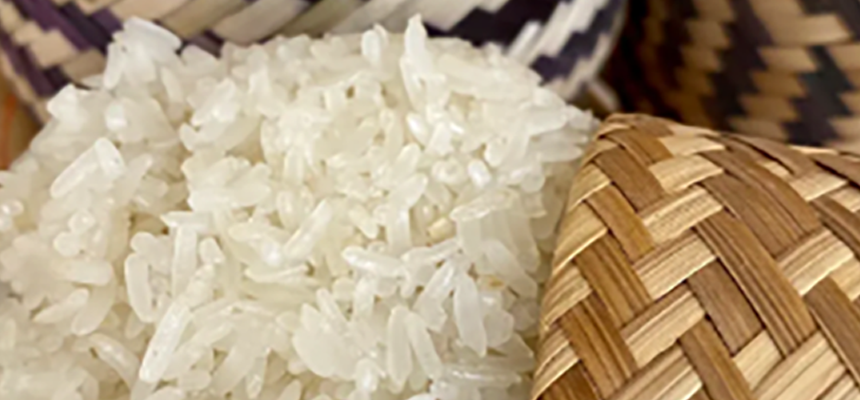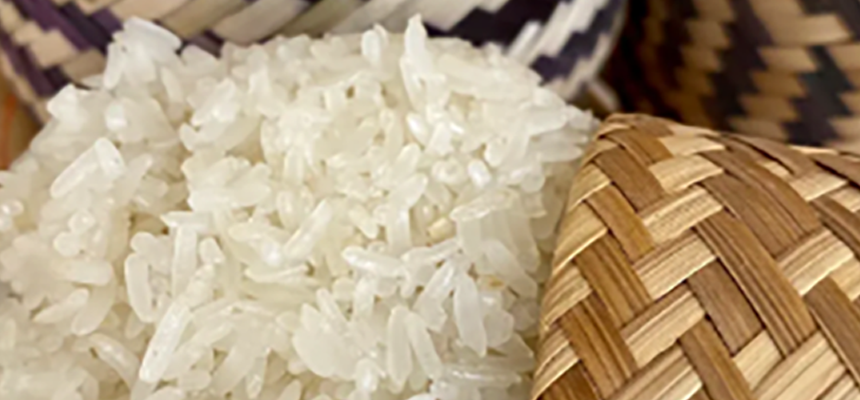

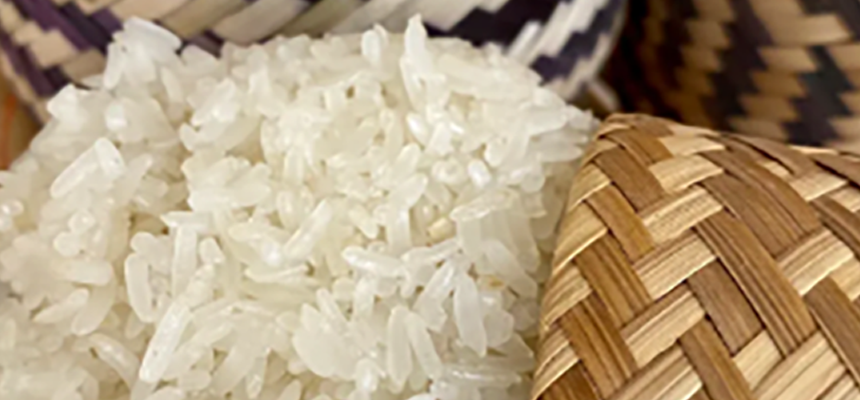
If you need a glutinous rice supplier Korea buyers can actually depend on, this page is for you. We sell Thai white glutinous rice, what Korean kitchens call chapssal, straight from our mills in Thailand. We have it in 5%, 10% and 25% broken grades, packed in 25 kg and 50 kg bags, jumbo bags or retail packs with Hangul labels. Below you’ll find the specs, how rice really gets into Korea, packing, shipping times, documents and how to place an order with us.
We’re going to be straight with you from the start, because Korea is not a simple rice market. Most suppliers skip the hard part. We’d rather explain it, so you know exactly where a glutinous rice supplier Korea importers work with fits in, and where it doesn’t.
Table of Contents
Who We Are
We’re De Thai Products 1989 Company Limited. We’ve been milling and shipping Thai rice since 1989. Our glutinous rice comes from the north and northeast of Thailand, where sticky rice is the everyday rice, not a specialty item. Farmers there have grown it for generations and the mills know how to handle it.
Besides sticky rice we export Hom Mali, jasmine, white, parboiled and Japonica-type rice. You can see the full range on our products page. When you deal with us as your glutinous rice supplier Korea side, you talk to the people who check the rice before it’s loaded. There’s no chain of agents in the middle.
What We Sell
Here’s what we sell as a glutinous rice supplier Korea buyers can order from, in plain terms. Every grade below is Thai white glutinous rice from the current crop unless you ask for something else.
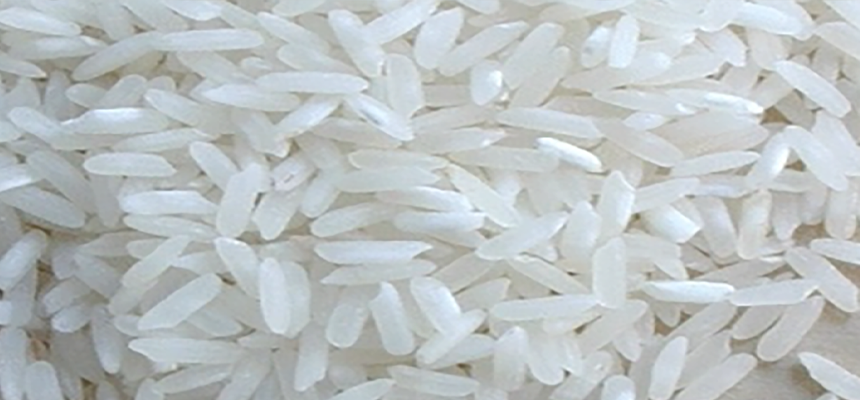
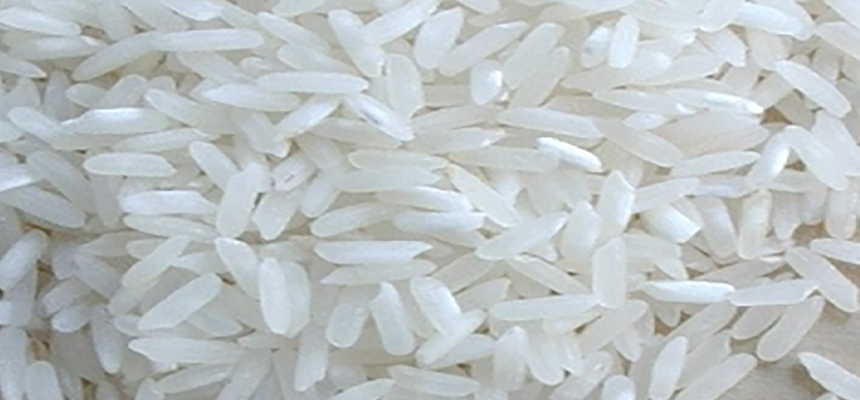
- Thai glutinous rice 5% broken. Our cleanest grade. Long, even, opaque grains, double polished and sortexed. Used for steamed chapssal, yakbap and retail packs.
- Thai glutinous rice 10% broken. The middle grade. Good looking and cheaper than 5%. See our 10% broken spec sheet.
- Thai glutinous rice 25% broken. The value grade for flour mills, tteok factories and brewers. Full details on the 25% broken product page.
- Glutinous rice 100% broken. On request, for flour grinding and fermentation.
- Black glutinous rice. Smaller volumes, often added to mixed rice packs.
All of it can go out under your own brand. The main product page for this rice is Thai glutinous rice for sale.
Specifications
This is the standard sheet we work to as a glutinous rice supplier Korea buyers test against, for the 5% grade. If your buyer or tender has its own numbers, send them over and we’ll tell you honestly whether we can meet them.
| Parameter | Specification |
|---|---|
| Product | Thai white glutinous rice |
| Origin | Thailand |
| Crop | Current crop, or as agreed |
| Grain | Short to medium, opaque milky white |
| Broken grains | Max 5% |
| Moisture | Max 14% |
| Glutinous purity | Min 95% |
| Damaged grains | Max 0.5% |
| Yellow grains | Max 0.2% |
| Red and red-streaked grains | Max 0.5% |
| Foreign matter | Max 0.1% |
| Milling | Well milled, double polished, 100% sortexed |
| Cooked texture | Soft, sticky, slightly chewy |
| Shelf life | 12 to 24 months with proper storage |
And here’s how the three main grades compare side by side.
| Point | 5% broken | 10% broken | 25% broken |
|---|---|---|---|
| Whole grains | 95% or more | 90% or more | 75% or more |
| Glutinous purity | Min 95% | Min 95% | Min 92% |
| Damaged grains | Max 0.5% | Max 1% | Max 1.5% |
| Price | Highest | Middle | Lowest |
| Best for in Korea | Steamed chapssal, yakbap, retail | Food service, mixed grain packs | Rice flour, tteok, makgeolli, gochujang |
We follow Thai export rules on grading. You can read how we apply them on our rice standard page.
How Rice Actually Gets Into Korea
This is the part most websites selling as a glutinous rice supplier Korea side leave out. Korea protects its rice farmers very heavily. Since 2015, rice imports outside the agreed quota carry a tariff of 513%. That number isn’t a typo. At that rate, imported rice usually ends up costing more than Korean rice, so ordinary commercial imports outside the quota rarely make sense.
Inside the quota it’s a different story. Korea imports 408,700 tons of rice a year at a 5% duty under its tariff rate quota. Part of that is set aside by country, and Thailand has its own share. The quota rice is bought through public tenders run by the Korea Agro-Fisheries and Food Trade Corporation, known as aT. You can follow their tender notices on the aT website. Glutinous rice shows up in these tenders regularly, because Korea’s own sticky rice harvest doesn’t always cover what processors need.
So where does a glutinous rice supplier Korea companies can use come in? In three places, mainly:
- Tender supply. We supply Thai glutinous rice to trading companies that bid on aT tenders. They need a mill that can hit the tender spec, pass the inspections and load on time. That’s our job.
- Korean food companies outside Korea. Plenty of Korean brands make tteok, snacks, frozen food and sauces in factories in Vietnam, China, Thailand and elsewhere. They buy rice where they produce.
- Korean grocery and restaurant supply abroad. Korean marts in the US, Canada, Europe, Australia and the Middle East sell a lot of chapssal. They buy from importers in their own countries, and those importers buy from mills like ours.
If someone offers to land Thai sticky rice in Busan at normal duty, outside the quota and outside aT, ask them a lot of questions. We’d rather tell you that now than have you learn it at customs.
Food Safety Rules in Korea
Korea’s food safety regulator is the Ministry of Food and Drug Safety, usually shortened to MFDS. Every food import has to be notified and can be inspected on arrival. The MFDS English site lists the current import rules.
The rule that catches people out is the Positive List System for pesticides. Since 2019, if a pesticide has no set limit for a food in Korea, a default limit of 0.01 mg/kg applies. That’s very low. A lot of rice that passes in other markets would fail in Korea for this reason alone.
We deal with this by testing before loading, not after. Any lot going to a Korean buyer or a Korea-bound tender can be tested at an accredited lab in Thailand against the Korean list. You get the report before the ship leaves. If the numbers aren’t right, the rice doesn’t go. As a glutinous rice supplier Korea buyers trust, that’s the only way we know to do it.
We can also arrange tests for heavy metals, aflatoxin, and GMO screening. Thai rice is not genetically modified, and we have more on that on our non-GMO Thai rice page.
Chapssal Uses and Which Grade to Pick
Korean cooking uses glutinous rice in more ways than most people outside the country realise, and a glutinous rice supplier Korea food makers use should know them. The grade you need depends on what the rice turns into.
Tteok and rice cakes
Chapssal-tteok, injeolmi and many other soft rice cakes are made from glutinous rice that’s soaked, ground and steamed, or steamed and pounded. Since the grain gets broken down anyway, the 25% broken grade works well and saves money. What matters more is purity. Too many non-glutinous grains and the cake loses its stretch.
Glutinous rice flour
Flour mills grinding chapssal-garu want consistent starch and low moisture. The 25% or 100% broken grade is the usual choice. We keep moisture at 14% or under so the flour stores well.
Makgeolli, yakju and other rice drinks
Brewers often use glutinous rice, alone or mixed with regular rice, for body and sweetness. Broken grades are fine for brewing. A good glutinous rice supplier Korea brewers use should keep the starch steady from lot to lot, because a change shows up in the taste.
Gochujang
Many gochujang makers use glutinous rice powder in the base. Again, broken grades do the job here.
Steamed chapssal, yakbap and samgyetang
When the rice is served whole, looks matter. Yakbap, steamed sticky rice and the stuffing in samgyetang look better with the 5% grade. It’s also the grade we’d put in retail packs.
Mixed grain rice (japgokbap)
Korean households often add a handful of glutinous rice to regular rice. Mixed grain packs need a clean, white grain, so the 5% or 10% grade fits.
Packing Options
As a glutinous rice supplier Korea buyers order from, we pack to suit the buyer. Plain bags for factories, printed bags for shops.
| Pack | Type | Notes |
|---|---|---|
| 50 kg | PP woven, liner optional | Lowest cost per ton |
| 25 kg | PP woven or BOPP printed | Most common for processors |
| 20 kg and 10 kg | BOPP or PE printed | Restaurants and Korean marts |
| 1 kg to 4 kg | PE or vacuum pack in cartons | Retail shelves |
| Jumbo bag | About 1 MT | Factories with bulk handling |
For Korea-bound retail packs, the label has to be in Hangul and match MFDS labelling rules. Your importer usually supplies the artwork. We print it, and we send proofs before anything goes to press. More about bag choices is on our glutinous rice 25 kg bag wholesale page.
Shipping to Korea and Korean Buyers Abroad
Most of our Korea shipments load at Laem Chabang or Bangkok port. The main Korean destination ports are Busan, Incheon, Pyeongtaek and Gwangyang.
| Route | Typical transit |
|---|---|
| Thailand to Busan | About 8 to 12 days |
| Thailand to Incheon or Pyeongtaek | About 10 to 14 days |
| Thailand to US West Coast | About 20 to 30 days |
| Thailand to Europe | About 28 to 40 days |
| Thailand to Australia | About 15 to 25 days |
A 20ft container holds about 25 to 26 MT in 25 kg or 50 kg bags, and less with retail cartons. Our page on how many tons of rice fit in a 20ft container goes into the details. Tender cargo sometimes moves in bulk vessels rather than containers. We handle both.
Documents
A normal shipment from a glutinous rice supplier Korea importers use comes with:
- Commercial invoice and packing list
- Bill of lading
- Certificate of origin, including the ASEAN-Korea form if it applies
- Phytosanitary certificate
- Fumigation certificate
- Quality and weight certificate from an independent surveyor
- Lab reports for residues and anything else your buyer asks for
Tenders usually add their own forms. We read the tender papers with you before you bid, so there are no surprises later. Our rice export documents guide explains each one.
Pricing
As a glutinous rice supplier Korea importers buy from, we quote FOB Thai port or CFR and CIF to your port. The price depends on the grade, crop year, packing, quantity, testing and the shipping market at the time. Glutinous rice prices also move with the Thai harvest. The Thai Rice Exporters Association publishes weekly reference prices, which are a useful starting point.
For a feel of where the market sits, see our Thai glutinous rice wholesale price page. If you’re not sure whether to buy FOB or CIF, our FOB vs CIF guide helps. Incoterms are defined by the International Chamber of Commerce if you want the official wording.
Normal payment terms are a T/T deposit with the balance against copy documents, or an irrevocable L/C at sight.
Quality Control
Any glutinous rice supplier Korea buyers stay with has to check rice at every step, and we do. At intake we test the paddy for moisture and purity. After milling we check broken rate, chalky and damaged grains, and colour. The sortex machines take out discoloured grains and stones. Before packing we sample again, and an independent surveyor checks the lot at loading.
We keep samples from every shipment for a year, so if there’s ever a question we can go back to the actual rice. Read more on our quality control page.
Working as a Glutinous Rice Supplier Korea Processors Rely On
Korean processors are fussy, and they should be. A tteok factory running two shifts can’t stop because a lot of rice came in with too many non-glutinous grains. What they want from a glutinous rice supplier Korea side is simple: the same rice every time, papers that are right the first time, and someone who answers the phone.
That’s what we’ve built our process around. We keep the variety, the mill and the sorting settings the same for repeat buyers. If something has to change, say a new crop or a different mill, we tell you first and send a sample.
Glutinous Rice Supplier Korea Brands Use for Overseas Factories
A lot of our Korea-linked business doesn’t go to Korea at all. Korean food companies run plants across Asia, and they need chapssal that matches what their Korean customers expect. We supply those plants directly, usually by the container every month or two.
If you run one of these factories, tell us what the rice turns into. We’ll match the grade and send a sample with a lab report so your QC team can test it on your own line.
Glutinous Rice Supplier Korea Marts Overseas Buy Through
Korean grocery chains abroad sell chapssal in 2 kg, 4 kg and 10 kg bags, sometimes under their own brand. We pack retail bags with Korean and English labels, so the same bag can sit on a shelf in Los Angeles, Sydney or Frankfurt. If you import for these stores, we’re happy to work as your glutinous rice supplier Korea style packs and all.
Thai Varieties Worth Knowing
Thai sticky rice isn’t one single variety. The best known is RD6, a glutinous version of Hom Mali with a light fragrance. Another common one is San Pa Tong, a high-yielding variety from the north. Each cooks slightly differently.
For Korean food makers buying from a glutinous rice supplier Korea side, we usually recommend a non-fragrant or lightly fragrant variety, because a strong jasmine-like smell can be odd in tteok. If you want the fragrance, ask for RD6. The Wikipedia entry on glutinous rice has more on why sticky rice behaves the way it does. Thailand’s Rice Department also has background on Thai varieties.
Seasonality
Timing matters when you pick a glutinous rice supplier Korea buyers depend on. Thailand’s main rice harvest runs from about November to February. New crop sticky rice is softer and stickier. Old crop has dried out a bit and cooks a little firmer, which some processors actually prefer. Prices usually ease after harvest and firm up later in the year. Our Thai rice harvest season article explains the timing.
A Typical First Order
Here’s what a normal first order with a glutinous rice supplier Korea buyers use looks like with us:
| Item | Example |
|---|---|
| Container | 1 x 20ft |
| Product | Thai glutinous rice 25% broken, current crop |
| Packing | 25 kg PP woven bags with PE liner |
| Quantity | 1,000 bags, 25 MT net |
| Testing | Pesticide residue screen against Korean limits, before loading |
| Terms | CIF buyer port |
| Payment | 30% T/T deposit, 70% against copy B/L |
| Lead time | About 2 to 3 weeks from deposit |
Our minimum is usually one 20ft container. The minimum order quantity page has the details.
Common Problems and How We Prevent Them
- Residue failures. We test before loading against the Korean list.
- Mixed varieties. We buy paddy by variety and keep lots separate.
- Too many non-glutinous grains. We check purity at intake and after milling.
- Moisture and mould on long voyages. We dry to 14% or under and offer liners.
- Insect damage. Fumigation before loading, plus clean, dry containers.
- Wrong labels. Proofs approved by your importer before printing.
What to Ask Any Supplier
Whoever you end up buying from, ask these questions first:
- Do you mill the rice yourselves or buy it from someone else?
- Can you test against Korean pesticide limits before loading?
- What’s the glutinous purity, and how do you check it?
- Can I have a sample from the actual lot, not a showroom sample?
- Who is the surveyor at loading?
- Have you supplied rice for aT tenders before?
A real glutinous rice supplier Korea buyers can work with will answer all of these without fuss.
7 Proven Tips for Choosing a Glutinous Rice Supplier Korea Buyers Can Trust
- Understand the quota first. Know whether your rice is going through an aT tender, to an overseas factory, or to a Korean mart abroad.
- Test before the ship leaves. Residue problems found in Busan are expensive.
- Match the grade to the product. Don’t pay for 5% broken if it’s going to be ground into flour.
- Check purity, not just broken rate. Non-glutinous grains ruin tteok.
- Agree on the variety. Fragrant and non-fragrant sticky rice taste different.
- Get labels right early. Hangul labels need checking before printing.
- Stay with one mill. Korean customers notice changes in texture straight away.
How to Order
- Send us the grade, spec, packing, test list, quantity and destination
- We reply with a price, spec sheet and loading window
- We agree terms and sign a contract
- You pay the deposit or open an L/C
- We mill, sort, test and pack
- The surveyor inspects and we load
- We send documents and lab reports and track the vessel
Frequently Asked Questions
Can I import Thai glutinous rice into Korea at normal duty?
Only inside the quota, which goes through aT tenders. Outside it, the tariff is 513%, which makes most commercial imports uneconomic.
Do you supply for aT tenders?
Yes. We supply trading companies that bid on them and help check the tender specs before they bid.
What’s the minimum order?
One 20ft container, about 20 to 26 MT depending on packing.
Can you print Hangul labels?
Yes. Your importer sends the approved artwork, we print it and send proofs first.
Is Thai glutinous rice good for tteok?
Yes. High purity Thai sticky rice makes soft, stretchy rice cakes and grinds into good chapssal flour.
Can I get a sample?
Yes, 1 to 2 kg by courier with a recent lab report.
Talk to a Glutinous Rice Supplier Korea Buyers Use
Tell us the grade, packing, test requirements, quantity and port. We’ll come back with a firm price, a spec sheet and a loading date, usually within one working day.
Email info@dethairice.com, WhatsApp +66 81 034 6390, or use our contact page. You might also want to read glutinous rice supplier Japan, glutinous rice export to China and Thai glutinous rice exporter. You can also learn more about us.