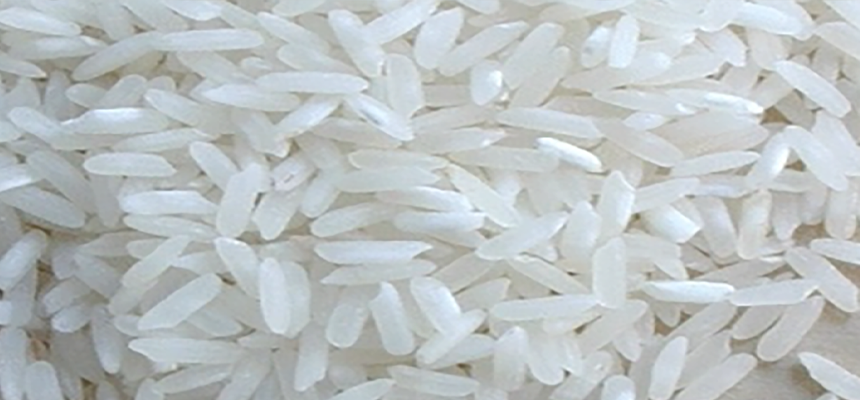
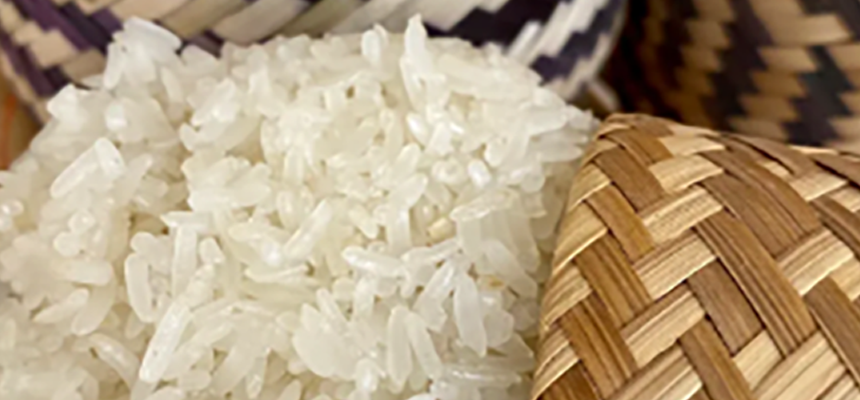
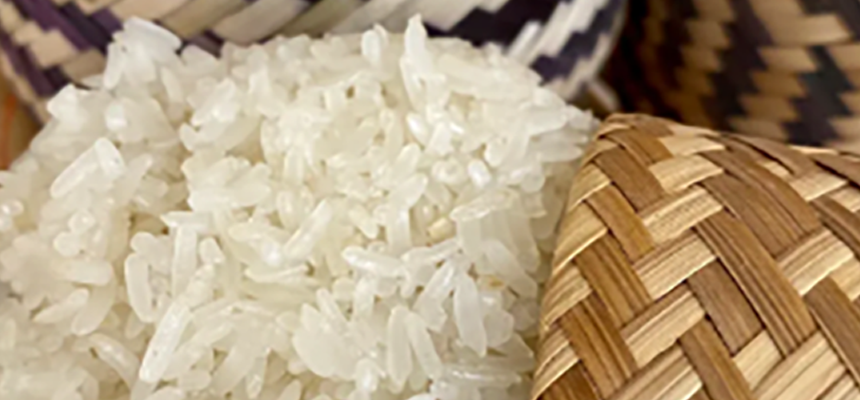
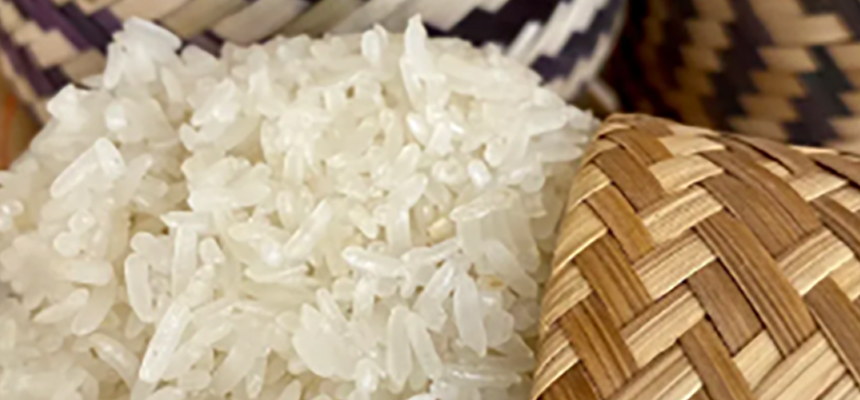
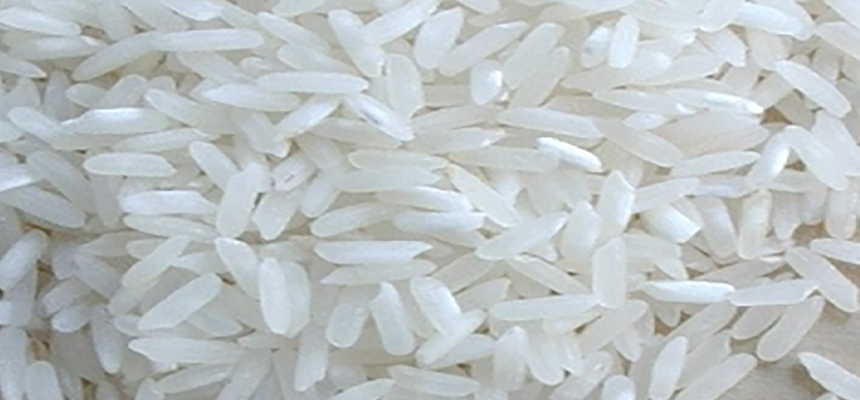
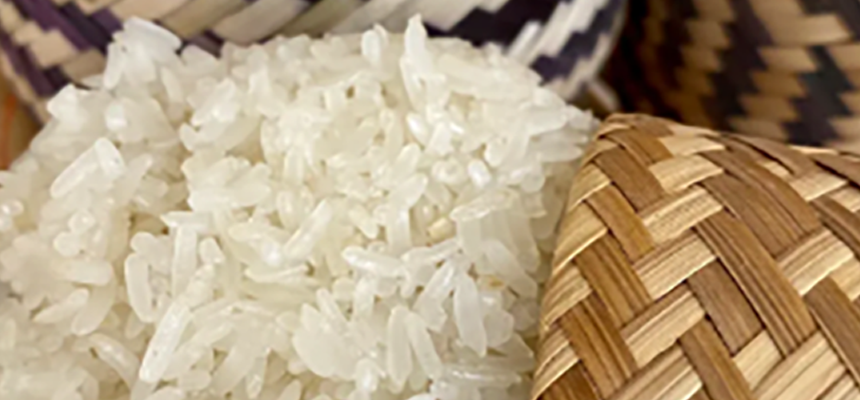
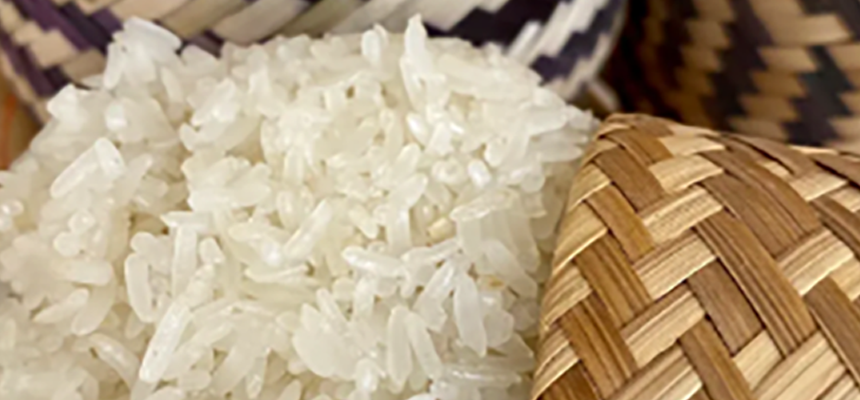
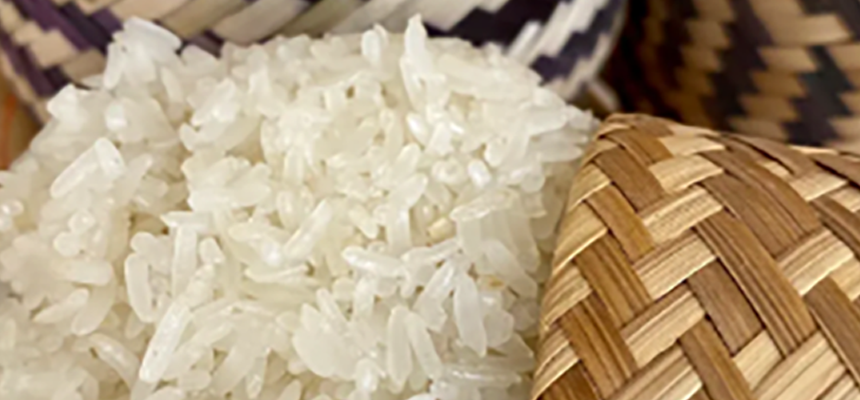
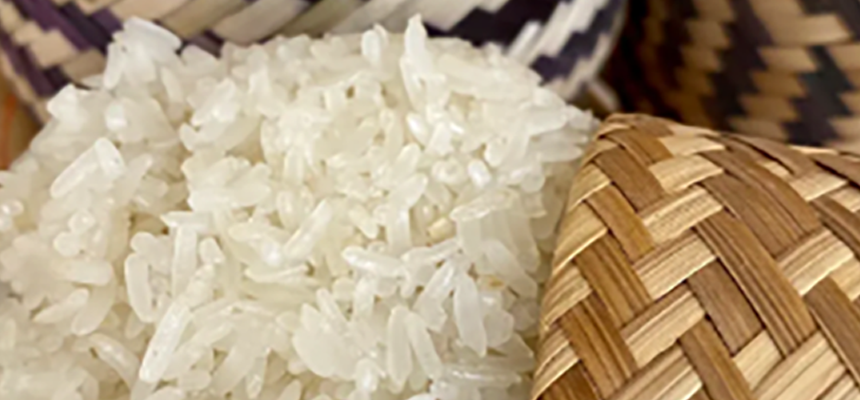
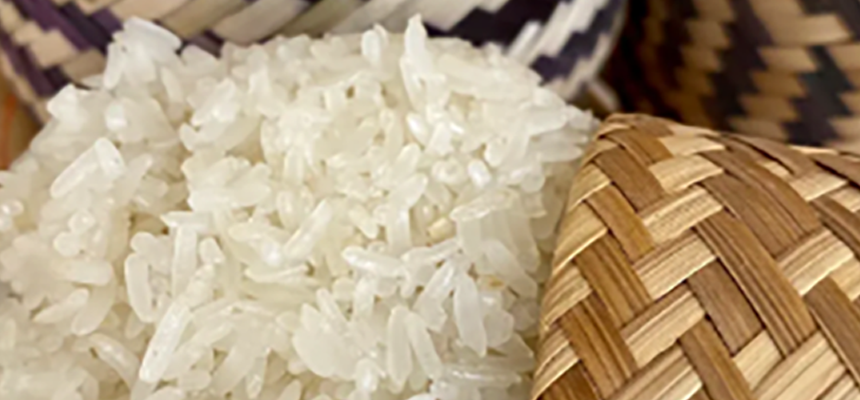
Looking for a glutinous rice supplier Malaysia importers and food makers can count on? We sell Thai white glutinous rice, beras pulut, direct from our mills in Thailand. It comes in 5%, 10% and 25% broken grades, packed in 10 kg, 25 kg and 50 kg bags, jumbo bags or 1 kg retail packs with Malay and English labels. On this page you’ll find the full specs, halal details, import rules, packing, transit times, documents and how to order.
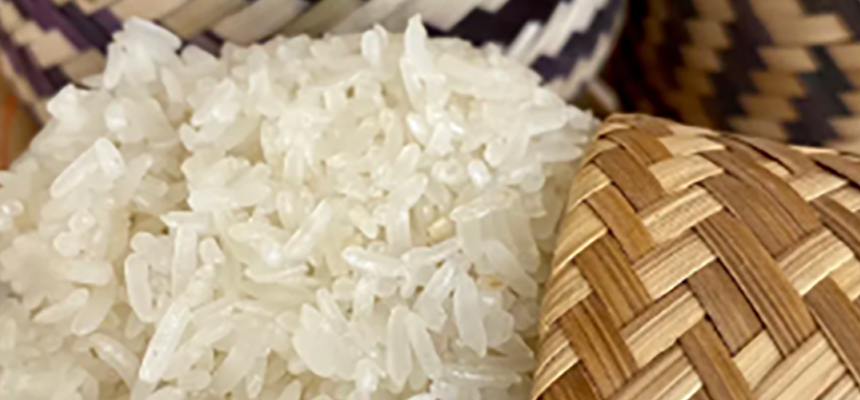
Malaysia is next door to us, which helps. Rice from our mills can reach Port Klang in under a week, or cross the border by truck. But Malaysia also controls rice imports closely, so we’ll explain how that works too. A good glutinous rice supplier Malaysia buyers stick with should be upfront about the rules, not just the price.
Table of Contents
Who We Are
We’re De Thai Products 1989 Company Limited, a Thai rice exporter since 1989. Our sticky rice is grown in northern and northeastern Thailand, where glutinous rice is the rice people eat every day. We buy paddy by variety, mill it, sort it and pack it ourselves.
We also export Hom Mali, jasmine, white, parboiled and Japonica-type rice, all listed on our products page. If you choose us as your glutinous rice supplier Malaysia side, you deal with the people running the mill, not a broker who has never seen the rice.
What We Sell
Here’s the range we offer as a glutinous rice supplier Malaysia buyers order from. All of it is Thai white glutinous rice, current crop, unless you ask otherwise.
- Thai glutinous rice 5% broken. Clean, even grains, double polished and 100% sortexed. For pulut kuning, lemang, retail packs and anything where the grain shows.
- Thai glutinous rice 10% broken. The everyday wholesale grade. Looks good and costs less. Full sheet on our 10% broken page.
- Thai glutinous rice 25% broken. For flour mills, kuih factories, tapai makers and snack plants. See the 25% broken product page.
- Black glutinous rice (pulut hitam). Smaller lots for bubur pulut hitam and desserts.
Everything can be packed under your brand. Our main listing is Thai glutinous rice for sale.
Specifications
This is the standard sheet we use as a glutinous rice supplier Malaysia buyers test against, for the 5% grade. If your buyers want different limits, tell us and we’ll say straight away whether we can meet them.
| Parameter | Specification |
|---|---|
| Product | Thai white glutinous rice (beras pulut) |
| Origin | Thailand |
| Crop | Current crop, or as agreed |
| Grain | Short to medium, opaque milky white |
| Broken grains | Max 5% |
| Moisture | Max 14% |
| Glutinous purity | Min 95% |
| Damaged grains | Max 0.5% |
| Yellow grains | Max 0.2% |
| Red and red-streaked grains | Max 0.5% |
| Foreign matter | Max 0.1% |
| Milling | Well milled, double polished, 100% sortexed |
| Cooked texture | Soft, sticky, slightly chewy |
| Shelf life | 12 to 24 months with proper storage |
How the grades compare:
| Point | 5% broken | 10% broken | 25% broken |
|---|---|---|---|
| Whole grains | 95% or more | 90% or more | 75% or more |
| Glutinous purity | Min 95% | Min 95% | Min 92% |
| Damaged grains | Max 0.5% | Max 1% | Max 1.5% |
| Price | Highest | Middle | Lowest |
| Best for in Malaysia | Pulut kuning, lemang, retail | Wholesale, restaurants, kuih shops | Flour, tapai, factory kuih |
We grade to Thai export standards. Our rice standard page explains how.
Halal Supply
Most of our Malaysian buyers need halal paperwork, and we understand why. Rice itself is halal, but your customers and retailers want to see the certificate, and so do some state religious departments.
Our rice can be supplied with halal certification from the Central Islamic Council of Thailand, which is one of the foreign bodies recognised by JAKIM. You can check the current list of recognised bodies on the Malaysian halal portal. We keep halal lots separate in storage and use clean, dedicated packing lines. There’s more on this on our halal certified rice supplier page. Any glutinous rice supplier Malaysia buyers work with should be able to show this paper without delay.
How Rice Imports Work in Malaysia
Rice in Malaysia is a controlled item. Imports come under the Control of Padi and Rice Act 1994, known as Act 522. The importer needs a rice importer’s licence and an Approval Permit (AP) for each shipment. These are issued by the Paddy and Rice Industry Division of the agriculture ministry. The rules also cover rice products like glutinous rice flour. The WTO import licensing record for Malaysia sets out the steps if you want to read them in full.
Padiberas Nasional Berhad, better known as BERNAS, holds the government concession for rice imports, which was extended to 2031. In practice, that means most rice coming into the country moves through BERNAS or with its involvement. Before you place an order, talk to your licence holder about how beras pulut fits under the permit for that shipment.
On arrival, rice going into Peninsular Malaysia and Labuan is inspected by MAQIS, the Malaysian Quarantine and Inspection Services. The MAQIS website lists what they check. You’ll need the AP, customs forms, the bill of lading, invoice and a phytosanitary certificate. Sabah and Sarawak have some of their own procedures, so check with your agent there.
We know smuggled sticky rice turns up at the northern border from time to time. We don’t do that, and we don’t sell to people who do. Every bag we ship goes with full papers. As a glutinous rice supplier Malaysia importers can show their bank and their customs broker, that’s not negotiable.
How Malaysians Use Glutinous Rice, and Which Grade Fits
Sticky rice turns up in Malay, Chinese, Nyonya and Indian-Malaysian food, often in the same street, so a glutinous rice supplier Malaysia kitchens use needs several grades. The grade you need depends on what the rice becomes.
Kuih and festive sweets
Seri muka, pulut inti, kuih koci, wajik and pulut panggang all start with beras pulut. When the grain is visible, as in seri muka’s bottom layer, the 5% or 10% grade looks better. For kuih where the rice is ground, the 25% grade is fine.
Lemang and ketupat pulut
Lemang cooked in bamboo for Hari Raya and ketupat pulut both show the whole grain. Buyers stock up before Ramadan and the Raya season, so we plan milling for that peak. A sensible glutinous rice supplier Malaysia traders use will book space early for these months.
Glutinous rice flour
Tepung pulut goes into onde-onde, kuih lapis, ang ku kueh and tang yuan. Flour mills usually buy the 25% broken grade. Moisture needs to stay at 14% or under so the flour keeps.
Bak chang and Chinese festival foods
Rice dumplings for the Dragon Boat Festival use a lot of glutinous rice in a short time, and so does nian gao at Chinese New Year. Dumpling makers want a whole grain that holds its shape, so the 5% or 10% grade suits.
Tapai and rice wine
Fermented tapai pulut and rice wine makers want steady starch more than looks. The 25% grade works well and keeps costs down.
Restaurants and hawker supply
Nasi kerabu stalls don’t use sticky rice, but mango sticky rice shops, dim sum kitchens and Thai restaurants do, and they buy steadily all year. The 10% grade in 10 kg or 25 kg bags is what most food service distributors order from a glutinous rice supplier Malaysia restaurants use.
Packing Options
| Pack | Type | Notes |
|---|---|---|
| 50 kg | PP woven, liner optional | Lowest cost per ton |
| 25 kg | PP woven or BOPP printed | Most common for wholesale |
| 10 kg and 5 kg | BOPP or PE printed | Restaurants, kuih shops, cash and carry |
| 1 kg and 2 kg | PE or vacuum pack in cartons | Supermarkets and sundry shops |
| Jumbo bag | About 1 MT | Flour mills and factories |
Retail labels for Malaysia normally carry Malay and English, the halal logo where approved, and importer details. Your importer usually supplies the artwork and we print it after you sign off the proof. Our glutinous rice 25 kg bag wholesale page has more on bag types.
Shipping to Malaysia
Malaysia is one of the quickest routes we ship as a glutinous rice supplier Malaysia buyers order from.
| Route | Typical transit |
|---|---|
| Laem Chabang or Bangkok to Port Klang | About 3 to 7 days |
| Laem Chabang to Penang | About 4 to 8 days |
| Laem Chabang to Pasir Gudang or Tanjung Pelepas | About 3 to 6 days |
| Bangkok to Kuching or Kota Kinabalu | About 7 to 14 days |
| By truck via the northern border | About 2 to 4 days |
A 20ft container takes about 25 to 26 MT in 25 kg or 50 kg bags, a bit less with retail cartons. See how many tons of rice fit in a 20ft container for the numbers. Truck shipments only make sense with a licensed importer and clean paperwork at the border post.
Documents
Every shipment from us as your glutinous rice supplier Malaysia side comes with:
- Commercial invoice and packing list
- Bill of lading
- Certificate of origin, including ATIGA Form D for ASEAN duty treatment where it applies
- Phytosanitary certificate
- Fumigation certificate
- Halal certificate where agreed
- Quality and weight certificate from an independent surveyor
- Lab reports if your buyer asks for them
Your importer handles the AP and customs forms. We send our papers early so they can file on time. Our rice export documents guide explains each paper.
Pricing
We quote FOB Thai port or CFR and CIF Port Klang, Penang or wherever you need. Price depends on grade, crop, packing, quantity and freight at the time. Sticky rice prices rise and fall with the Thai harvest, and the Thai Rice Exporters Association publishes weekly reference prices that give a rough guide.
Our Thai glutinous rice wholesale price page shows how pricing is built up. The FOB vs CIF guide helps if you’re deciding who books freight. Incoterms definitions come from the International Chamber of Commerce.
Payment is usually a T/T deposit with the balance against copy documents, or a sight L/C.
Quality Control
Every glutinous rice supplier Malaysia importers rely on needs proper checks. We test paddy for moisture and purity when it arrives. After milling we check broken rate, chalky grains, damage and colour. Colour sorters remove discoloured grains and stones. We sample again before packing, and an independent surveyor checks the lot at loading. We keep a retained sample of every shipment for twelve months. Our quality control page goes into more detail.
Working as a Glutinous Rice Supplier Malaysia Wholesalers Rely On
Malaysian wholesalers sell to thousands of small shops and kuih makers. If one shipment cooks differently, the complaints come back fast. So what they need from a glutinous rice supplier Malaysia side is the same rice every time, steady loading dates before festivals, and halal papers that are always in order.
We keep the variety and milling settings the same for repeat buyers. If something has to change, like a new crop, we send a sample first and tell you what’s different.
Glutinous Rice Supplier Malaysia Food Factories Use
Factories making frozen kuih, rice dumplings, rice crackers and glutinous rice flour need volume and steady starch. We supply them by the container, often on a monthly schedule, in 25 kg or 50 kg bags or jumbo bags. Tell us what the rice turns into and we’ll recommend the grade and send a sample with a lab report for your QC team.
Glutinous Rice Supplier Malaysia Retail Brands Use
If you sell beras pulut in supermarkets or sundry shops, we can pack 1 kg and 2 kg bags under your brand. We help with bag design, and we pack in cartons that stack well on a pallet. Several of our customers use us as their glutinous rice supplier Malaysia retail packs come from, and they’ve stayed for years.
Thai Varieties Worth Knowing
Thai sticky rice isn’t all the same. RD6 is the best known, a glutinous rice with a light fragrance similar to Hom Mali. San Pa Tong is another common variety, popular in the north. Both cook soft and sticky but the fragrance and texture differ a little.
Malaysian buyers often like the light fragrance for pulut and lemang. For flour and tapai, a non-fragrant variety is fine and often cheaper. The Wikipedia page on glutinous rice explains the starch science behind sticky rice. Thailand’s Rice Department has notes on Thai varieties.
Seasonality and Festival Planning
Thailand’s main harvest runs from about November to February. New crop is softer and stickier, old crop is a little firmer. Demand in Malaysia peaks before Hari Raya, Chinese New Year and the Dragon Boat Festival. If you need rice on shelves for these, order six to eight weeks before. Our Thai rice harvest season article covers the timing.
Why Malaysian Buyers Choose Thai Sticky Rice
Malaysia grows some glutinous rice, mainly in the north, but nowhere near enough for the kuih trade, the flour mills and the festival rush. Most of the beras pulut on Malaysian shelves comes from Thailand, and there are good reasons for that.
First, it’s next door. A container from a glutinous rice supplier Malaysia buyers use in Thailand lands in days, not weeks, so you don’t have to carry huge stocks. Second, northern and northeastern Thailand grow sticky rice as the main crop, so there’s plenty of it and the farmers know it well. Third, Thai sticky rice cooks the way Malaysian cooks expect: soft, glossy and sticky without turning to paste.
Some buyers also look at Laos, Vietnam or Myanmar. Those can be cheaper on paper, but quality and paperwork are less predictable, and halal certification can be harder to get. We’d say compare the cooked rice, not just the price per ton. Our glutinous rice vs jasmine rice article also helps if your customers are new to sticky rice.
Supplying East Malaysia
Sabah and Sarawak are a separate market in a lot of ways. Shipping goes to Kuching, Bintulu, Kota Kinabalu or Sandakan, usually via a transhipment, and the import process has some local steps. As a glutinous rice supplier Malaysia distributors in the east also use, we can load smaller mixed containers so you can carry several grades without overstocking.
Lemang and pulut are big in Sarawak around Gawai and Christmas as well as Raya, so buyers there often order twice a year in larger lots. Tell us your calendar and we’ll plan milling around it.
A Typical First Order
| Item | Example |
|---|---|
| Container | 1 x 20ft |
| Product | Thai glutinous rice 10% broken, current crop |
| Packing | 25 kg BOPP printed bags, Malay and English labels |
| Quantity | 1,000 bags, 25 MT net |
| Halal | CICOT halal certificate |
| Terms | CIF Port Klang |
| Payment | 30% T/T deposit, 70% against copy B/L |
| Lead time | About 2 to 3 weeks from deposit, 3 to 4 with new printed bags |
Our usual minimum is one 20ft container. See the minimum order quantity page.
Common Problems and How We Avoid Them
- Permit delays. We send documents early so your AP and customs filing aren’t held up.
- Mixed varieties. We buy paddy by variety and keep lots apart.
- Non-glutinous grains in the lot. We test purity at intake and after milling.
- Humidity damage. We dry to 14% or under and offer PE liners.
- Insects. Fumigation before loading and clean containers.
- Missing halal papers. Certificates are arranged before loading, not after.
Questions to Ask Any Supplier
- Do you mill the rice yourself?
- Can you supply recognised halal certification?
- What’s the glutinous purity and how do you test it?
- Can I get a sample from the actual lot?
- Who does the inspection at loading?
- Have you shipped to Malaysia with full permits before?
A real glutinous rice supplier Malaysia importers can trust will answer every one of these.
7 Proven Tips for Choosing a Glutinous Rice Supplier Malaysia Buyers Can Trust
- Sort the permit first. Make sure the AP is in place before the rice is loaded.
- Ask for halal papers early. They take time to arrange.
- Match the grade to the product. Don’t pay for 5% broken if it’s going to be ground.
- Check purity, not just broken rate. Non-glutinous grains spoil kuih texture.
- Plan around festivals. Order well before Raya and Chinese New Year.
- Use liners in the wet season. Humidity at the port is high.
- Stay with one mill. Your customers will notice a change in texture.
How to Order
- Send grade, packing, quantity, halal needs and destination port
- We reply with a price, spec sheet and loading date
- We agree terms and sign a contract
- You pay the deposit or open an L/C, and your importer arranges the AP
- We mill, sort, test and pack
- The surveyor inspects and we load
- We send documents and track the vessel
Frequently Asked Questions
Do I need a permit to import glutinous rice into Malaysia?
Yes. Rice is controlled under Act 522, and imports need a rice importer’s licence and an Approval Permit for each shipment.
Is your glutinous rice halal certified?
We can supply it with halal certification from the Central Islamic Council of Thailand, which JAKIM recognises.
How long does shipping take to Port Klang?
Usually 3 to 7 days from Laem Chabang or Bangkok.
What’s the minimum order?
One 20ft container, about 20 to 26 MT depending on packing.
Can you pack 1 kg retail bags?
Yes, under your brand, with Malay and English labels.
Can I get a sample?
Yes, 1 to 2 kg by courier.
Talk to a Glutinous Rice Supplier Malaysia Buyers Use
Send us the grade, packing, halal needs, quantity and port. We’ll reply with a firm price, spec sheet and loading window, usually within one working day.
Email info@dethairice.com, WhatsApp +66 81 034 6390, or use our contact page. You might also like Thai white rice importers Malaysia, sweet rice wholesale and bulk sticky rice supplier. More about the company is on our about us page.