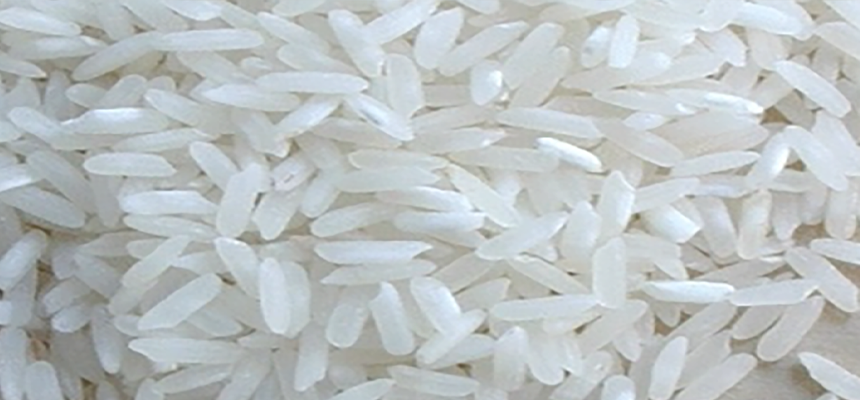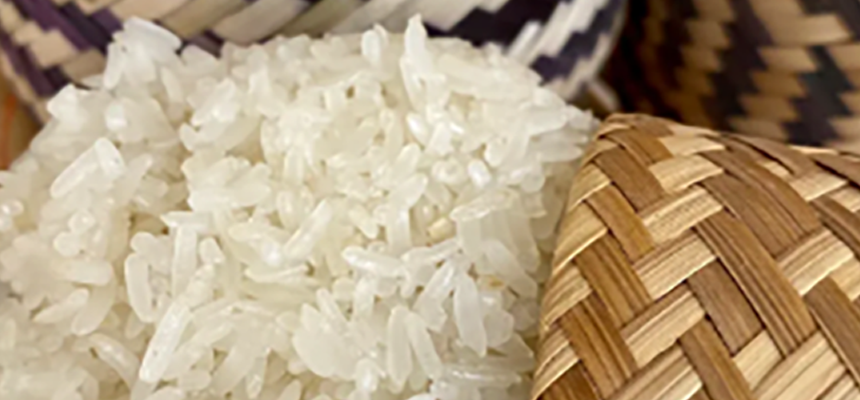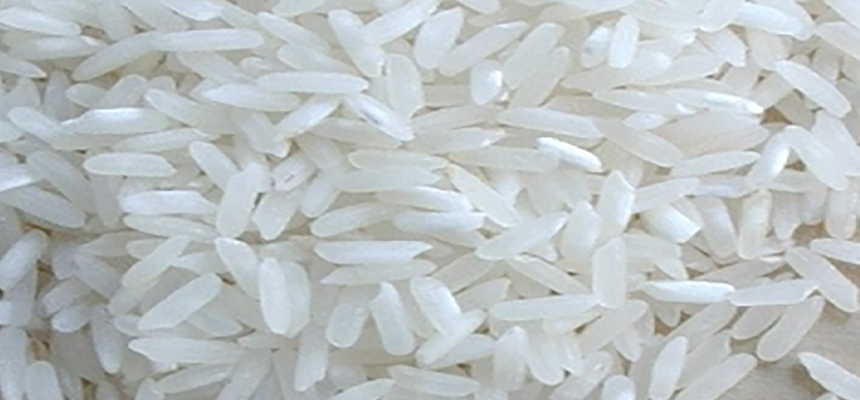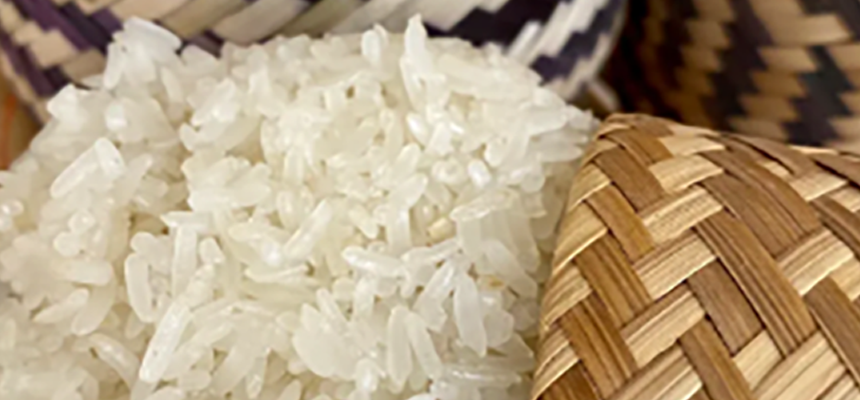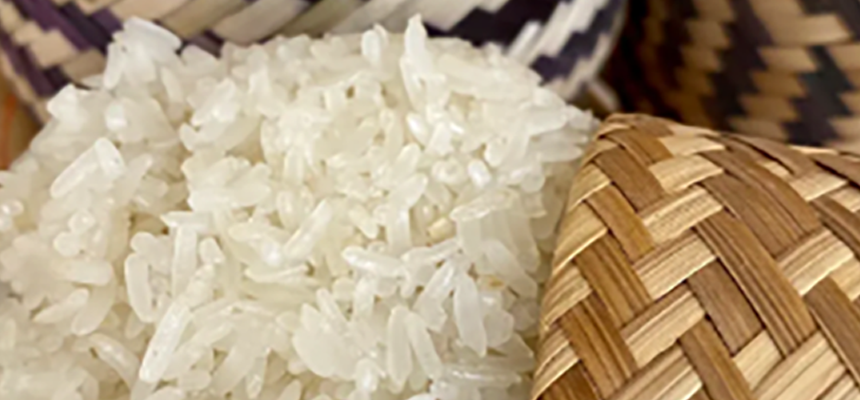


If you’re looking for a glutinous rice supplier Japan buyers can rely on for clean, tested Thai mochigome, we can help. We’re a Thai mill-direct exporter selling white glutinous rice in 5%, 10% and 25% broken grades. We pack 25 kg and 30 kg bags, 50 kg bags, jumbo bags and retail packs with Japanese labels. As a glutinous rice supplier Japan importers know, we work with Japanese importers, trading houses, food makers and Asian food distributors. This page sets out what we sell, the specs, residue testing, packing, shipping to Japanese ports, documents and how to order.
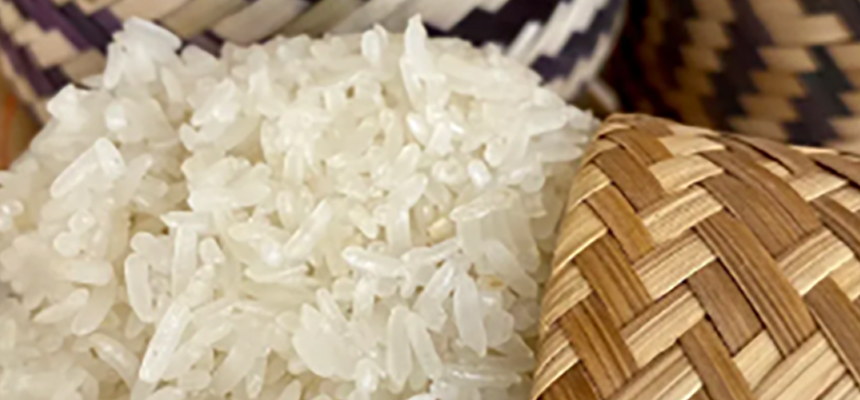
Japan has a long, serious relationship with sticky rice. Mochi at New Year, sekihan for celebrations, okowa, daifuku, dango, senbei and arare crackers, and mirin all depend on mochigome. Japanese buyers are also some of the most careful in the world. They check residues, foreign matter, colour and cooking quality closely, and they expect the same rice every time. As a glutinous rice supplier Japan customers have trusted with repeat orders, we’ve built our process around that level of checking.
Table of Contents
Who We Are
We’re De Thai Products 1989 Company Limited, exporting Thai rice since 1989. Our glutinous rice comes from mills in northern and northeastern Thailand, the main sticky rice growing areas. We also export Hom Mali, jasmine, white, parboiled and Japonica-type rice.
Buyers who choose us as their glutinous rice supplier Japan side deal with us directly. If you prefer to buy through a Japanese trading company, that’s fine too, and we’re used to working alongside them. Either way, the team checking your rice in Thailand is the team you can talk to.
Thai Glutinous Rice vs Japanese Mochigome
Japanese mochigome is a short grain glutinous japonica rice. Thai glutinous rice is usually a short to medium grain indica type. Both are almost pure amylopectin, which is what gives that soft, stretchy, sticky texture. Both are opaque white when raw. Neither has any gluten. The Wikipedia article on glutinous rice explains the starch in more detail.
The differences show up in use. Thai sticky rice is a little longer and holds its grain shape well when steamed, which suits okowa, steamed rice dishes and Thai or Southeast Asian menus. For pounded mochi, rice flour (shiratamako and mochiko), senbei, arare and mirin, Thai glutinous rice performs very well, and it usually costs less than domestic mochigome. That price gap is the main reason Japanese food makers look for a glutinous rice supplier Japan can source from in Thailand.
What We Sell
| Grade | Broken | Common use in Japan |
|---|---|---|
| Thai glutinous rice 5% broken | Max 5% | Okowa, steamed dishes, retail packs, Thai restaurants |
| Thai glutinous rice 10% broken | Max 10% | Mochi, daifuku, food service, frozen foods |
| Thai glutinous rice 25% broken | Max 25% | Rice flour, senbei, arare, mirin, amazake-type drinks |
| Glutinous brokens | Mostly broken | Flour milling, fermentation |
See our product pages for Thai glutinous rice and Thai glutinous rice 25% broken, and our detailed post on Thai glutinous rice 10% broken.
Specifications
5% broken
| Parameter | Specification |
|---|---|
| Origin | Thailand |
| Type | White glutinous rice |
| Crop | Current crop |
| Broken grains | Max 5% |
| Moisture | Max 14% (lower on request) |
| Glutinous purity | Min 98% for Japan on request, standard min 95% |
| Damaged grains | Max 0.5% |
| Yellow grains | Max 0.1% |
| Red and red-streaked | Max 0.5% |
| Foreign matter | Max 0.05% |
| Milling | Well milled, double polished, 100% sortexed |
| Cooked texture | Soft, sticky, elastic |
10% broken
| Parameter | Specification |
|---|---|
| Broken grains | Max 10% |
| Moisture | Max 14% |
| Glutinous purity | Min 95% |
| Damaged grains | Max 1% |
| Foreign matter | Max 0.1% |
25% broken
| Parameter | Specification |
|---|---|
| Broken grains | Max 25% |
| Moisture | Max 14% |
| Glutinous purity | Min 92% |
| Damaged grains | Max 1.5% |
| Foreign matter | Max 0.2% |
Japanese buyers often add their own limits, things like whiteness, specific foreign matter rules (no stones, glass or metal), or a maximum count of coloured grains per kilo. Send us your spec sheet. As a glutinous rice supplier Japan factories work with, we’d rather say no up front than agree to something the mill can’t hold. Our rice standard page explains Thai grading terms.
Residue and Safety Testing
This is the part Japanese importers care about most, and rightly so. Japan runs a positive list system for agricultural chemical residues in food, with strict default limits for anything not specifically listed. Imported food also goes through inspection at quarantine stations run by the Ministry of Health, Labour and Welfare.
For Japanese orders we can arrange testing at an accredited lab in Thailand before shipment:
- Multi-residue pesticide screening against Japanese limits
- Heavy metals, including cadmium, lead and arsenic
- Aflatoxins and other mycotoxins
- Microbiological tests if the rice is for ready-to-eat products
- GMO screening, with a non-GMO statement
- Foreign matter checks, including metal detection on the packing line
As your glutinous rice supplier Japan partner, we agree the test list with you in the contract, so there are no surprises. Results go with the shipping documents. As a glutinous rice supplier Japan quarantine has to pass, we’d much rather test twice in Thailand than have a container held at the port. We also keep sealed retention samples of every lot. Our non-GMO Thai rice post has more on testing.
How Rice Gets Into Japan
Rice imports into Japan are tightly managed. Most imported rice comes in under the minimum access system run by the Ministry of Agriculture, Forestry and Fisheries, often through simultaneous buy-sell (SBS) tenders, where an importer and a trading company bid together. Rice brought in outside that system carries a high specific duty per kilo. Processed products made from rice, and rice flour, can fall under different rules.
Your importer or trading company will know which route suits your product. We’ve supplied rice into both SBS tenders and private contracts, and we can work to tender timelines, which are often tight. If you’re new to this, talk to a Japanese customs broker early. As your glutinous rice supplier Japan side, we’ll provide whatever paperwork the route needs.
Packing Options
| Pack | Type | Notes |
|---|---|---|
| 30 kg | Paper or PP woven with liner | Common size in the Japanese trade |
| 25 kg | PP woven, paper or BOPP printed | Food factories and distributors |
| 50 kg | PP woven with liner | Flour mills |
| Jumbo bag about 1 MT | With food grade liner | Factories with bulk handling |
| 1 kg, 2 kg, 5 kg | PE or vacuum, in cartons | Retail and online sales |
We can print Japanese text on retail packs or leave space for a Japanese back label applied locally. Japanese labelling rules for food are detailed, so we’d suggest your importer approves the artwork before we print. Packing lines run metal detection, and we can add double bagging for buyers who want an extra barrier against moisture and dust.
Shipping to Japan
We load from Bangkok and Laem Chabang.
| Japanese port | Typical transit |
|---|---|
| Hakata (Fukuoka) | 7 to 10 days |
| Osaka and Kobe | 8 to 12 days |
| Nagoya | 9 to 13 days |
| Tokyo and Yokohama | 9 to 14 days |
| Other ports | Ask us |
A 20ft container carries about 25 to 26 MT in 25 kg or 30 kg bags, or around 20 MT on pallets, which many Japanese warehouses prefer. Containers are cleaned, checked, lined with kraft paper and photographed. On request we’ll use new or food-grade containers only. See how many tons of rice fit in a 20ft container for loading details.
Documents
- Commercial invoice and packing list
- Bill of lading
- Certificate of origin (Form AJ or JTEPA form where applicable)
- Phytosanitary certificate
- Fumigation certificate, or a non-fumigation statement where your importer prefers
- Certificate of quality and weight from an independent surveyor
- Certificate of analysis
- Pesticide residue, heavy metal and mycotoxin test reports
- Non-GMO statement
- Manufacturing process sheet for the food import notification, if your importer needs it
Our rice export documents page explains each one.
Pricing
We quote on the day. Thai glutinous rice prices follow the harvest, the baht and freight. For Japan, extra testing and special packing also come into it. Even with all of that, Thai sticky rice is usually well below the price of domestic mochigome, which is why so many food makers look for a glutinous rice supplier Japan can rely on abroad.
Your price depends on grade, purity level, packing, test list, terms (FOB, CFR or CIF) and volume. The Thai Rice Exporters Association publishes weekly reference prices. Our post on the Thai glutinous rice wholesale price shows how a quote comes together. Payment is usually T/T deposit and balance against copy B/L, or L/C at sight, under Incoterms rules.
Quality Control
- Paddy checked for variety and purity at intake
- Double polishing and colour sorting to remove yellow, red, black and damaged grains
- Stone removal and metal detection on the line
- Every lot tested for moisture, brokens and glutinous purity
- Cooking test: soaked, steamed and pounded to check texture and stretch
- Lab tests agreed with you before shipment
- Independent surveyor at loading
- Photos and video of packing and loading
As a glutinous rice supplier Japan mochi makers trust, we pound a sample into mochi for Japanese buyers because it shows things lab numbers don’t. If the purity is borderline, the mochi won’t stretch properly. More on our quality control page.
Mochigome Uses and the Right Grade
| Product | What matters | Grade |
|---|---|---|
| Kirimochi and pounded mochi | Purity, stretch, whiteness | 5% or 10% |
| Daifuku and dango | Smooth flour, purity | 10% or 25% |
| Shiratamako and mochiko flour | Whiteness, purity, moisture | 25% or brokens |
| Senbei and arare | Steady expansion | 25% or brokens |
| Mirin | Purity, starch content | 25% or brokens |
| Okowa and sekihan | Grain shape, texture | 5% |
Wikipedia’s page on mochi is a good primer if your overseas team needs background. Matching the grade to the product is where a good glutinous rice supplier Japan buyers use can save them real money. There’s no point paying for whole grains that go straight into a flour mill.
Seasonality
The Thai sticky rice harvest runs from October to December, with new crop reaching mills from late November. Japanese demand for mochi peaks in December ahead of New Year (shogatsu), and mochi makers buy rice from late summer onward. Booking with your glutinous rice supplier Japan side for new crop Thai rice in November or December for spring shipments, and older crop for autumn production, works well. Our Thai rice harvest season post has more.
Who We Supply in Japan
- Importers and trading companies bidding in SBS tenders
- Mochi, wagashi and confectionery makers
- Rice flour mills
- Senbei and arare cracker factories
- Mirin and fermented seasoning makers
- Frozen food factories
- Thai, Lao and Southeast Asian restaurant distributors
- Asian food importers selling to the growing Southeast Asian community in Japan
Each of these buyers wants something different from a glutinous rice supplier Japan side, and we tailor the grade, testing and packing to fit.
Private Label and Mixed Containers
We pack under your brand with Japanese text. We can also mix glutinous rice with Thai Hom Mali rice, jasmine rice or red cargo rice for Asian food importers. If you also need japonica-type rice, see our Thai Japonica rice and sushi rice pages. The full range is on our products page.
Working as a Glutinous Rice Supplier Japan Food Makers Rely On
Working with Japanese buyers has taught us a few things. The first is that the spec sheet is only the start. Japanese QA teams want to know how the rice was grown, milled, stored and moved, and they want it written down. When we act as a glutinous rice supplier Japan factories use, we send a short process sheet with every first order: where the paddy came from, the mill, the milling date, the sorting steps, the packing line and the test results. That makes the food import notification much easier for your importer.
The second thing is consistency. A mochi maker in Niigata or a senbei factory in Saitama sets its machines for a particular rice. If the next container soaks faster or slower, their line slows down. So we hold lots for regular customers and try to keep them on the same crop and the same mill for as long as possible. As a glutinous rice supplier Japan buyers come back to, that’s a big part of the job.
The third is communication. Japanese buyers would rather hear about a small problem early than a big problem late. If a vessel is delayed or a lab result is borderline, we tell you the same day.
Glutinous Rice Supplier Japan Buyers Use for Rice Flour
Rice flour is a large share of what we ship to Japan. Shiratamako, mochiko and other glutinous rice flours go into daifuku, dango, warabi-style sweets, frozen desserts and bakery products. Flour mills want three things above all: high purity, bright whiteness and steady moisture.
For flour, the grain shape doesn’t matter at all. That’s why the 25% broken grade and glutinous brokens are so popular. They give the same flour for less money. If you run a flour mill and you’re looking for a glutinous rice supplier Japan side who understands milling, tell us your target whiteness and moisture. We’ll test against them before every shipment.
Glutinous Rice Supplier Japan Mirin and Sake Makers Use
Hon mirin is made from glutinous rice, rice koji and shochu, aged over months. The glutinous rice gives mirin its sweetness and body. Mirin makers want high starch, high purity and rice that steams evenly so the koji works properly.
We supply 25% broken and brokens for this use, usually in 30 kg or jumbo bags. Some breweries also use glutinous rice in certain styles of sake and in amazake. If you’re one of them and you need a glutinous rice supplier Japan breweries can count on through the year, we’ll set aside a lot sized to your production plan.
Glutinous Rice Supplier Japan Restaurants and Asian Grocers Use
Japan’s Southeast Asian community has grown fast, and with it the number of Thai, Lao, Vietnamese, Filipino and Myanmar restaurants and grocers. These buyers want Thai sticky rice the way it’s eaten at home, steamed in a basket and served with grilled meat and som tam. For them we suggest the 5% grade, new crop, ideally the aromatic RD6 variety, in 5 kg, 10 kg or 25 kg bags.
A mixed container with jasmine rice, sticky rice and a few other lines is usually the most practical way to bring this in. As a glutinous rice supplier Japan Asian food importers use, we’re happy to build that kind of load.
Thai Varieties Worth Knowing
- RD6. Aromatic glutinous rice bred from Khao Dawk Mali 105. Popular with Thai and Lao restaurants.
- San Pa Tong. Northern variety with a slightly longer grain and soft texture.
- RD10 (Kor Khor 10). Widely grown, good yields, solid all-round performance.
- Newer lines. Bred for yield and disease resistance, often used for flour and processing.
For Japanese food makers the variety matters less than purity, but some customers do prefer one over another for mochi texture. Ask us for samples from different varieties and test them side by side. The Thai Rice Department keeps the official variety records.
A Typical First Order From Japan
| Item | Example |
|---|---|
| Container | 1 x 20ft, palletised |
| Product | Thai glutinous rice 25% broken for rice flour |
| Packing | 30 kg paper bags with PE liner |
| Quantity | About 20 MT |
| Testing | Pesticide residues, heavy metals, aflatoxin |
| Terms | CIF Osaka or Yokohama |
| Lead time | About 4 to 5 weeks from deposit including lab tests |
Your first order can look quite different. Many buyers start with a smaller trial lot alongside other rice, then move to full containers once their QA team is happy. As a glutinous rice supplier Japan companies test carefully, we expect that and plan for it.
Common Problems and How We Prevent Them
- Residue failures at quarantine. We test against Japanese limits before shipping.
- Foreign matter. Stone removers, colour sorters and metal detectors on the line.
- Low purity. Mochi won’t stretch. We test purity and pound a sample.
- Moisture and mould. Moisture under 14%, lined bags and containers, desiccant on request.
- Label errors. Artwork approved by your importer before printing.
What to Ask Any Supplier
Whoever you choose as your glutinous rice supplier Japan side, ask for:
- A spec sheet with glutinous purity and your own limits
- Lab reports from a recent shipment
- A courier sample to cook and pound
- The mill’s food safety certifications
- Independent inspection at loading
- Retention samples for every lot
- A written contract with clear terms
More about us on our about us page.
7 Proven Tips for Choosing a Glutinous Rice Supplier Japan Buyers Can Trust
- Agree the test list first. Pesticides, heavy metals and mycotoxins in the contract.
- Pound a sample. If it doesn’t stretch, purity is off.
- Match grade to product. 25% for flour and mirin, 5% or 10% for mochi and okowa.
- Check the import route early. SBS tender or private import changes the timeline.
- Get labels approved before printing. Japanese labelling is detailed.
- Book ahead of New Year. Mochi makers buy early.
- Keep one supplier. Japanese customers notice any change in texture.
How to Order
- Send grade, spec, packing, test list, quantity and port
- We send a price, spec sheet and loading date
- We agree terms and sign
- Deposit or L/C
- We mill, sort, test and pack
- Surveyor inspects, we load
- Documents and lab reports sent, vessel tracked
- Your importer files the food import notification and clears the rice
Frequently Asked Questions
What's the minimum order?
One 20ft container, about 20 to 26 MT depending on packing. See our minimum order quantity page.
Can you test against Japanese residue limits?
Yes, at an accredited lab in Thailand before shipment.
Do you pack 30 kg bags?
Yes, along with 1 kg to 50 kg and jumbo bags.
Is Thai glutinous rice good for mochi?
Yes. High purity Thai glutinous rice makes soft, stretchy mochi, and it’s widely used for rice flour.
Can I get samples?
Yes, 1 to 2 kg by courier with a recent lab report.
Talk to a Glutinous Rice Supplier Japan Importers Use
Send us the grade, spec, packing, test requirements, quantity and port. We’ll reply with a firm price, spec sheet and loading window, usually within one working day.
Email info@dethairice.com, WhatsApp +66 81 034 6390, or use our contact page. You may also like glutinous rice export to China, sweet rice wholesale and Thai glutinous rice exporter.