


Searching for the Thai 100% broken rice price per ton usually means one of two things. Either you run a mill, a brewery or a feed plant and you’ve been buying broken rice for years, or somebody just told you to find something cheaper than whole grain rice and you’re not sure what you’re looking at. Either way, this page is for you. We sell this grade, and we’d rather explain it properly than hide behind a price list.
Below you’ll find the specification we ship, how the Thai 100% broken rice price per ton compares with our other white rice grades, what people actually do with the rice, and how to get a quote based on your order instead of a guess.

Table of Contents
Thai 100% Broken Rice Price Per Ton: What the Grade Really Is
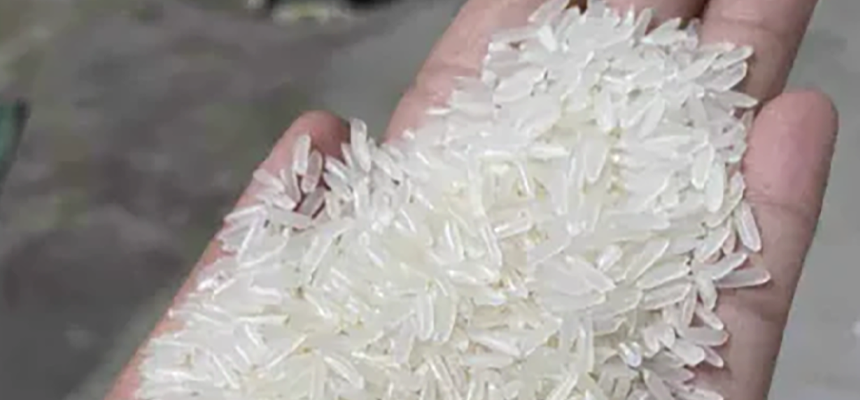
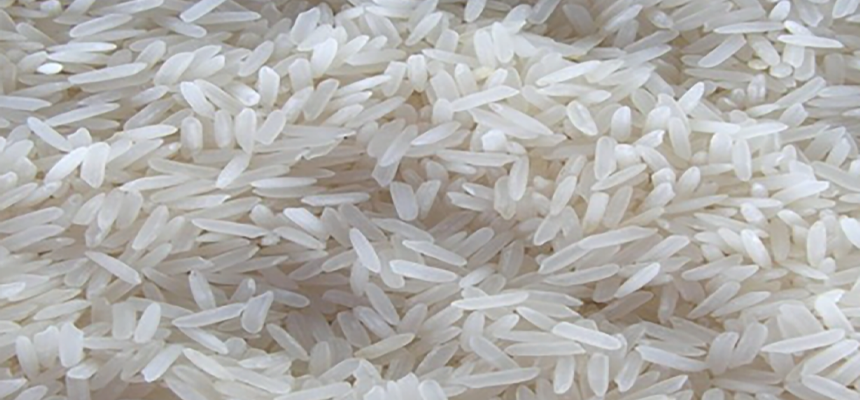
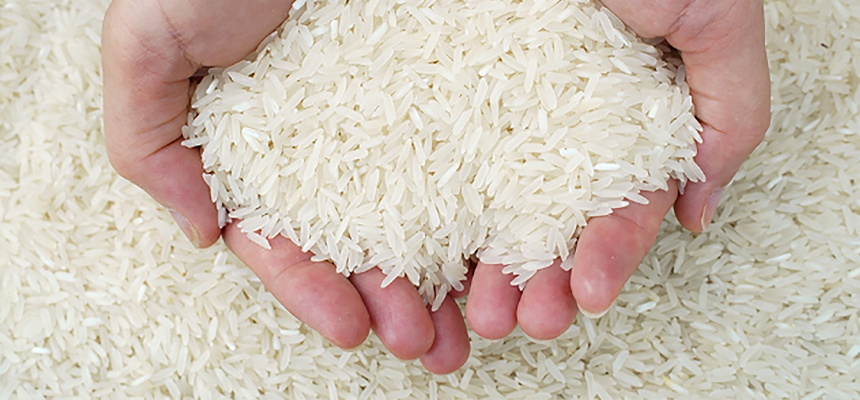
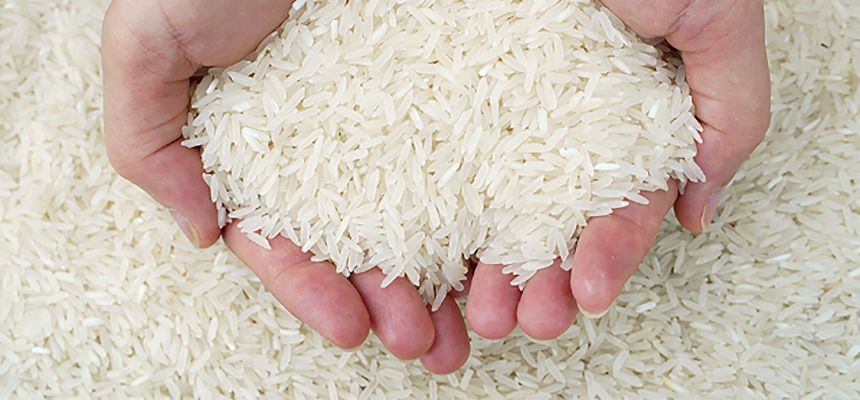
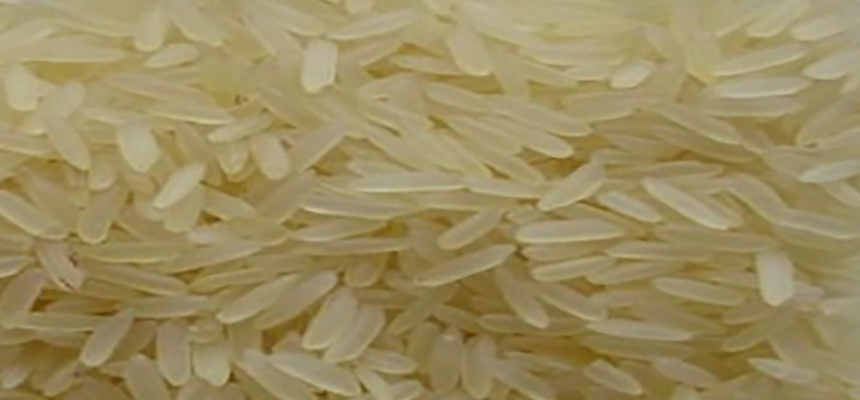
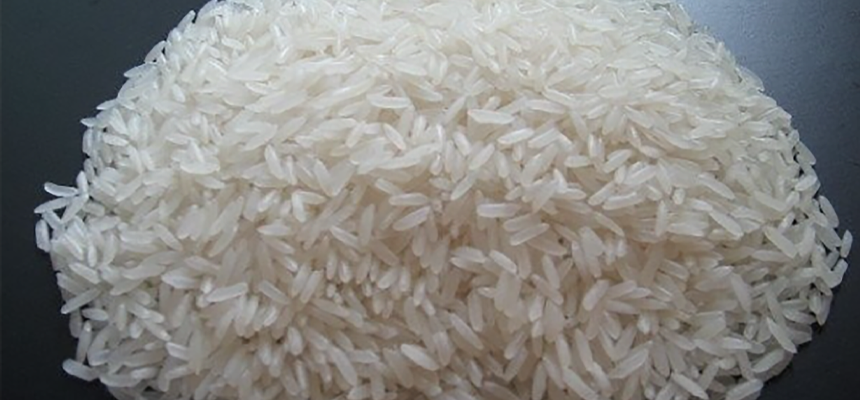
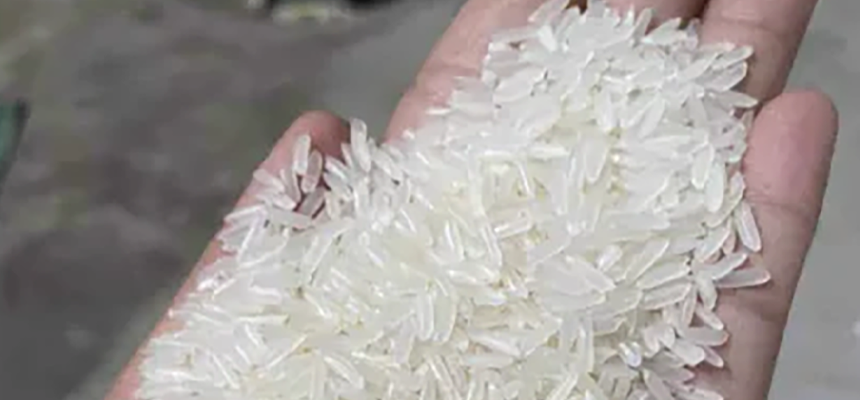
Fully broken rice is exactly what it sounds like. Every grain in the bag is a fragment instead of a whole kernel. Those fragments come from normal milling, because rice breaks a little every time it goes through a mill, and a grade like this simply collects them and sells them as a product in their own right.
It’s the same paddy and the same milling as our whole grain white rice. Nothing is swept off a floor and nothing is old stock. The only thing missing is the sorting step that would separate broken pieces from whole ones, and that missing step is what keeps the Thai 100% broken rice price per ton low.
Some people hear the word broken and think damaged. It isn’t. A fragment of rice has the same starch, the same protein and the same nutrition as a whole grain. It’s just smaller. If the rice is going to be ground, brewed, boiled down or blended into feed, size doesn’t matter, and paying extra for it is money wasted. You can see the product behind the Thai 100% broken rice price per ton on our Thai white rice 100% broken page.
Specification of Our Thai 100% Broken Rice
Here’s the specification behind the Thai 100% broken rice price per ton we quote. Nothing on this list is a marketing number. It’s the spec every batch gets tested against.
| Item | Specification |
|---|---|
| Product | Thai white rice, 100% broken |
| Origin | Thailand |
| Broken grains | 100% |
| Color | Natural white |
| Moisture | 14% maximum |
| Foreign matter | 0.1% maximum |
| Damaged kernels | 0.5% maximum |
| Chalky grains | Within standard milling tolerance |
| Insects and pests | None, and no unusual odor |
| Crop year | Current season |
| Packing | 25kg and 50kg polypropylene bags |
Look at the foreign matter line before you compare one Thai 100% broken rice price per ton with another. At 0.1% maximum it’s tight, and that matters a lot if you’re milling flour or mixing feed, because stones and husk cause far more trouble downstream than a few extra dollars ever will. A certificate of analysis is available with the shipping documents if you ask for one.
Thai 100% Broken Rice Price Per Ton: Why It’s the Cheapest White Rice We Sell
There are really only two things behind the Thai 100% broken rice price per ton. First, no sorting. In our other white rice lines someone has to pull the fragments out to reach a 5%, 10% or 25% broken grade, and that work gets built into the price. A fully broken grade skips it.
Second, it’s easier to supply. A wide range of milling output qualifies for a 100% broken specification, so the grade tends to hold steadier when whole grain supply gets tight and the premium grades jump. Buyers with a fixed budget for the year like that.
So the Thai 100% broken rice price per ton sits at the bottom of our white rice range. You aren’t paying for grain length, and if your process doesn’t need grain length, you shouldn’t be.
A Simple Cost Comparison You Can Do Yourself
Numbers help, so here is a worked example. These figures are made up to show the arithmetic. They are not quotes.
Say your plant grinds 400 tons of rice a year into flour. If you’ve been buying a tighter grade and it costs a ton more than fully broken rice, that’s ,000 a year spent on grain length your grinder throws away. Move to the Thai 100% broken rice price per ton and the saving lands straight on your margin.
Now flip it. If the rice goes into a retail bag where shoppers can see the grains, saving a ton is a false economy, and you’d be better off with one of our tighter white rice grades. The point isn’t that fully broken rice is always the answer. The point is to match the grade to what happens to the rice next, and to work out what a mismatch costs you. It takes five minutes and it usually settles the argument.
How the Price Compares With 25% Broken and Other Grades
Let’s put a number next to this so you have something to anchor on. The monthly benchmark for Thai 25% broken rice has ranged from about $351 a ton in October 2025 to about $479 in June 2026, and it finished August 2026 near $447, according to the published series on YCharts. The Thai 100% broken rice price per ton normally sits below that, although the gap isn’t fixed and it moves with feed demand and the season.
One warning, because it catches people out. In Thai rice trading you’ll see grades labeled 100% B, meaning 100% grade B white rice. That’s a purity grade for near whole grain rice and has nothing to do with broken rice. If a chart says 100% and the number looks higher than 25% broken, that’s usually why. Check what the label really means before you compare it with a quote.
For wider context on how rice prices have been moving, the FAO Rice Price Update is published every month and covers the main exporting countries.

If you want to see how the neighbouring grade behaves, we wrote a separate guide to the Thai white rice 25% broken price per ton.
How Fully Broken Rice Behaves in the Pot and in the Mill
If you cook it, expect it to behave differently from long grain rice. The pieces are small, so they soften quickly and release starch into the water. That’s exactly what you want for porridge and soft rice dishes, and it’s the reason it isn’t the right choice for a plate of separate, fluffy grains.
In the mill, the small size helps. Fragments grind to flour with less effort than whole kernels, and they take up water quickly in wet processing. In a brew, the starch is what you’re paying for, and it comes out of fragments the same as it does from whole grains.
Everything else about the rice is unchanged. It’s white, it’s naturally gluten free, it’s low in fat, and it gives you the same energy per kilo as whole grain rice. If you’d like more background on rice grades in general, Wikipedia’s page on broken rice is a fair place to start.
What Buyers Use 100% Broken Rice For
Buyers asking for a Thai 100% broken rice price per ton use it in more ways than most people expect, and the uses are mostly industrial.
- Rice flour and rice cakes. Fully broken rice grinds well. A mill doesn’t care whether the grain was whole, and you can read a short overview of rice flour if you’re new to it.
- Rice porridge and traditional dishes. Cooked down until soft, broken rice does the job as well as whole grain and costs less.
- Brewing and fermentation. Brewers use rice as an adjunct grain for its starch. Appearance never enters into it.
- Animal, poultry and fish feed. Feed mills buy it as a dependable energy source for their formulations.
- Pet food. Same reasoning: starch and energy at a sensible cost.
- Industrial starch extraction. When the goal is the starch itself, the shape of the grain is irrelevant.
Most of our customers for this grade are manufacturers, distributors who supply manufacturers, and importers buying by volume. A few are buying for government supply programs.
Flour Mills, Breweries and Feed Producers: What to Check Before You Buy
Industrial buyers ask better questions than anyone else, so let’s answer the ones that come up around the Thai 100% broken rice price per ton before you have to ask.
Moisture. The limit is 14%. If you store rice for weeks before using it, that number matters more than the price, so tell us how long the rice will sit and we’ll talk it through.
Foreign matter and pests. We hold the line at 0.1% foreign matter, and the rice is free from insects with no unusual odor. If your process is sensitive, ask for the certificate of analysis and run your own checks on a sample.
Fragment size. Broken pieces aren’t all the same size. If your mill or your recipe needs a particular fragment size, say so in your first message and we’ll tell you honestly whether we can match it or not.
The simplest way to remove doubt is a sample. Cook it, grind it, brew with it, and only then commit to a container.
Packing and Container Loads
Packing feeds into the Thai 100% broken rice price per ton, so it’s worth a look. The standard packing is 25kg or 50kg polypropylene bags, which are built for export handling. Bulk shipping options are available for large orders. If you need your own branding or a different bag, custom packaging can be arranged, so mention it when you enquire.

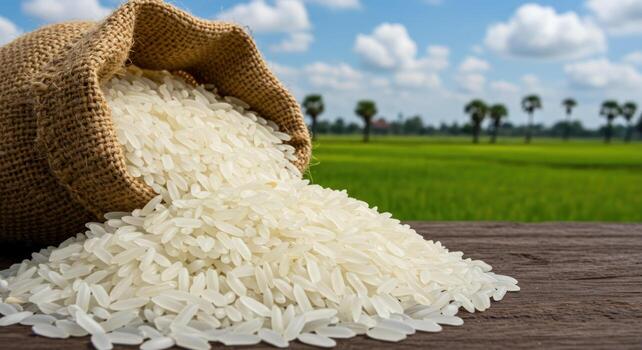
As a rough guide, a 20-foot container takes about 25 tons of bagged rice, around 500 bags of 50kg. A 40-foot container takes roughly 26 to 28 tons, because weight gets you before space does. We’ll confirm the loading plan for your order in the quote.
Looking for a parboiled version instead? Our Thai parboiled rice 100% broken follows the same idea with a different processing style.
Storage and Shelf Life
Keep the bags in a cool, dry place away from direct sunlight, with proper ventilation, and leave them in their sealed packaging until you’re ready to use them. Avoid damp floors and humid stores.
Because broken grains have more cut surface than whole grains, they pick up moisture a little faster, so dry storage matters even more with this grade. Stored properly, the rice stays fresh for an extended period without meaningful quality loss.
Good storage protects what you paid for, and the Thai 100% broken rice price per ton is only a bargain if the rice is still sound when you use it. If you’re buying for a feed mill or a flour plant, plan your stock so the oldest bags are used first. It sounds obvious, and it’s the mistake we see most often.
Where Thai Broken Rice Comes From
Broken rice is a product of milling in the same way any grade is a product of sorting. Mills polish the paddy, some grains snap, and what happens to those fragments is a business decision. We collect them into a grade that buyers ask for by name.
Everything starts in Thailand’s established rice growing regions, with the same long grain paddy behind our white rice line. The harvest runs roughly from November to January, and Thailand’s place among the biggest rice exporters in the world means supply of this grade is rarely a worry. To give you a sense of scale, Nation Thailand reported that the country shipped about 3.28 million tons of rice in the first half of 2026 alone.
We source from trusted mills and keep buying relationships with growers steady from one season to the next. That consistency is part of how we keep quality and supply steady behind every Thai 100% broken rice price per ton quote.
Quality Checks and Export Documents
Every batch is cleaned, milled and inspected before packing. We check moisture, foreign matter and damaged kernels against the specification above, and we confirm the rice is free from insects and pests with no unusual odor. Anything that misses gets held back, so the Thai 100% broken rice price per ton you’re quoted always refers to rice that passed those checks.
Each international shipment goes out with a certificate of origin, a phytosanitary certificate and a commercial invoice. We handle documentation quickly so paperwork doesn’t hold up your vessel. If your country needs something extra, such as a specific lab report or a fumigation certificate, tell us before you order.
More on how we work is on our quality control page, and the rice standard page explains the grading language we use.
Mistakes We See Buyers Make With Broken Rice
After enough orders you start to spot the same slip-ups. None of them are hard to avoid.
- Comparing labels instead of specs. A 100% B price and a 100% broken price are two different products. Ask what the grade actually means.
- Ignoring moisture. A cheap ton that arrives damp is not cheap. Check the 14% limit and think about how long you’ll hold the stock.
- Paying for whole grain that gets ground anyway. It happens more often than you’d believe, usually because nobody has looked at an old purchasing habit in years.
- Skipping the sample. A few kilos tested in your own process tell you more than any datasheet.
- Forgetting stock rotation. Use the oldest bags first, and keep them off damp floors.
If any of that sounds familiar, it’s worth a quick conversation before your next Thai 100% broken rice price per ton comparison.
Shipping Terms and How to Compare Quotes
We offer FOB, CIF and CNF terms. FOB stops at loading the ship in Thailand, CIF adds freight and marine insurance to your port, and CNF adds freight without insurance. Which one is cheaper depends on how good your own freight rates are.
When you line up quotes for the Thai 100% broken rice price per ton, check four things before you look at the number: the same moisture limit, the same foreign matter limit, the same bag and the same shipping term. Two quotes that differ on any of those aren’t the same offer.
Also look at how each supplier defines the grade. Names like broken rice, A1 broken and 100% broken get used loosely. Ask for the spec in writing. The Thai Rice Exporters Association publishes weekly FOB export prices if you want an independent reference before you talk numbers.
How to Get Your Thai 100% Broken Rice Price Per Ton Quote
It takes a couple of messages. Here’s how it usually goes.
- Tell us what you need. Quantity, destination port and what the rice will be used for.
- Receive a detailed quote. We’ll send a written Thai 100% broken rice price per ton against the specification, with a sample on request.
- Confirm the order and payment terms. We agree both before anything is packed.
- We process and pack your shipment. The batch is tested and bagged the way you asked.
- Delivery to your chosen port. The documents travel with the rice.
Not ready for a full container yet? Start with a trial order. We handle moderate trial quantities as well as full container loads, and the per-ton rate improves as your volume grows, so a good trial today can turn into a standing arrangement later.
The more you tell us about the end use, the closer the Thai 100% broken rice price per ton will be to what you actually pay. A brewer, a feed mill and a rice cake factory each care about slightly different things, and we’d rather match the rice to the job.
Common Questions About Thai 100% Broken Rice Price Per Ton
What is the Thai 100% broken rice price per ton right now?
It depends on the week, the volume and the shipping term, so we don’t print a fixed number that would be out of date by the time you read it. Send us your quantity and port and we’ll quote you.
Is 100% broken rice suitable for human consumption?
Yes. It keeps the same nutritional value as whole grain rice, and it’s commonly used in porridge, rice cakes and other traditional dishes.
Is fully broken rice lower quality than whole grain rice?
No. It comes from the same crop and the same milling, sorted differently. It’s a standard commodity grade in its own right, not a defective product.
Can I order a sample before a bulk order?
Yes. Samples are available on request so you can check the rice before you commit to the Thai 100% broken rice price per ton we quote.
What’s your minimum order quantity?
It varies, and bulk orders get a better Thai 100% broken rice price per ton. Tell us your target volume and we’ll quote to it.
Can I ask for custom packaging?
Yes. On top of our standard 25kg and 50kg bags we can arrange other packaging choices for your requirements.
Why is the Thai 100% broken rice price per ton lower than 25% broken?
Because nobody had to sort out the whole grains. You pay for the rice, and you don’t pay for grain length you won’t use.
Do you ship worldwide?
Yes. We export globally on FOB, CIF and CNF terms and handle the export paperwork ourselves.
Request Your Thai 100% Broken Rice Price Per Ton Offer
If fully broken rice fits your process, send us the quantity, the destination port and the shipping term you prefer, and we’ll come back with an offer on the Thai 100% broken rice price per ton for your actual order. Trial orders are welcome, and so are full containers.
You can email info@dethairice.com or message us on WhatsApp at +66 81 034 6390. The contact page works too, and our FAQ covers general questions about ordering.
If you also buy other Thai grades, take a look at our guide to the Thai glutinous rice wholesale price and browse everything we export on the products page. You can learn about the company on our about us page.


8 thoughts on “Thai 100% Broken Rice Price Per Ton: Best Direct Offer”
Comments are closed.