


What is broken rice used for? A lot more than most people think. Broken rice is cooked and eaten as a staple in West Africa and Vietnam, ground into rice flour, made into noodles, crackers and baby cereal, used by breweries to make beer, turned into pet food and animal feed, and processed into starch and syrups. It’s the same rice as whole grain, just in pieces, and because it’s cheaper it ends up in thousands of products people use every day.
We mill and export Thai rice, and broken rice is a big part of what we sell. Every tonne of paddy that goes through a mill produces some broken grains, and somebody has to find them a good home. This guide goes through what broken rice actually is, all the main uses, which grade suits which use, and the specs you get when you buy broken rice from us.

Table of Contents
What Is Broken Rice?
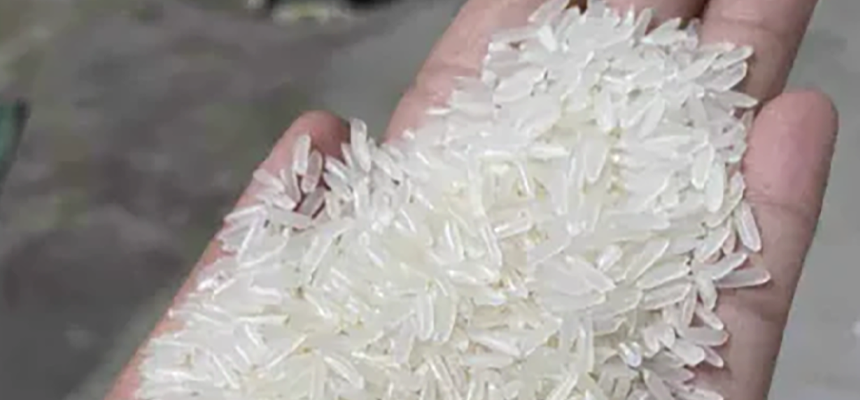
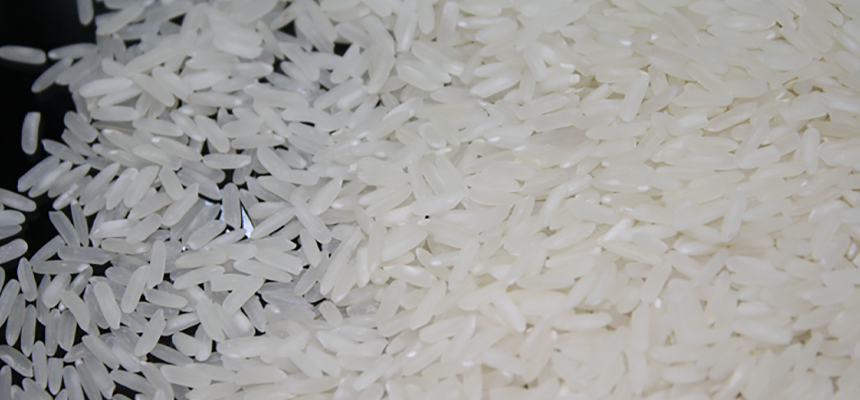
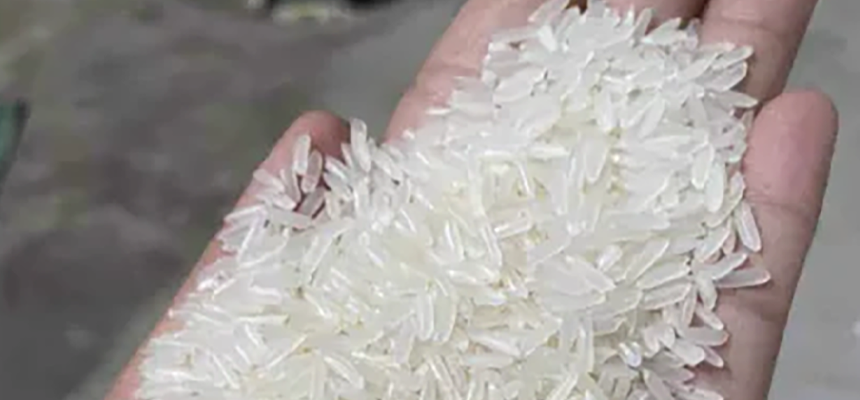
When paddy is milled, the husk is taken off, then the bran is polished away. Rice grains are fragile, and some crack during this process. These cracked pieces are broken rice.
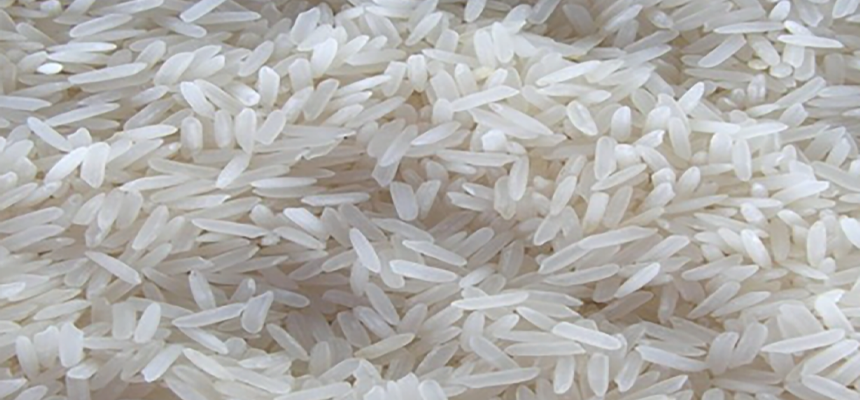
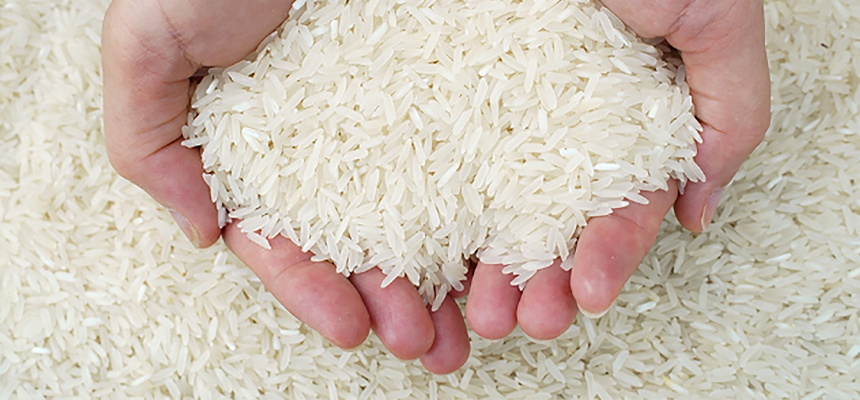
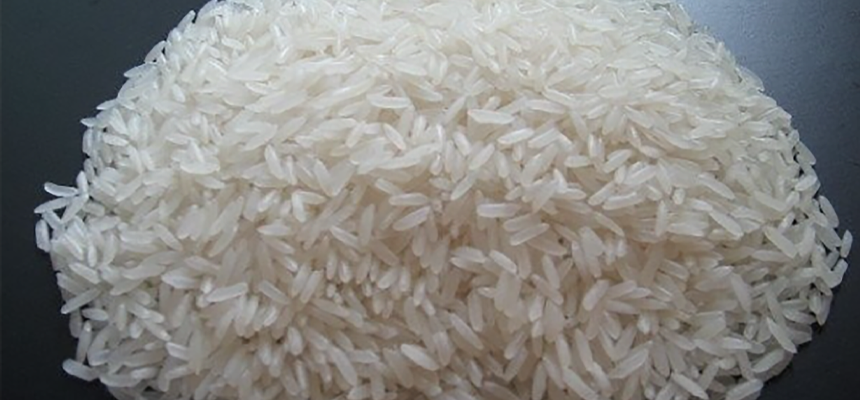
Mills separate the brokens from whole grains with sieves and graders. Some are blended back into whole grain rice to make grades like 5%, 10% or 25% broken. The rest is sold as broken rice on its own, usually as “100% broken” or by size, like A1 Super, A1 Special or C1.
Broken rice has the same nutrition as whole rice from the same lot. Same starch, same protein, same minerals. It just cooks faster and costs less. If you want the background on how it’s viewed around the world, the broken rice article on Wikipedia is a fair summary.
How Broken Rice Is Graded by Size
Before getting into the uses of broken rice, it helps to know the trade names, because you’ll see them on offers.
- A1 Super: the largest brokens, roughly half to three quarters of a whole grain. Cleanest and most even. Popular for cooking as food.
- A1 Special: medium sized brokens, a bit smaller and cheaper.
- C1 (sometimes called brewer’s rice or small brokens): very small pieces that pass through a fine sieve. Used for brewing, flour and feed.
- 100% broken: a general term for a lot made up entirely of brokens. The size mix depends on the seller, so ask.
Different mills and countries use slightly different names, so always look at the actual size spec and a sample, not just the label.
What Is Broken Rice Used For? The Short List
Here’s the quick answer, before we go into each one.
- Cooked as everyday rice, especially in Senegal and other West African countries
- Vietnamese cơm tấm and other traditional broken rice dishes
- Rice porridge and congee
- Rice flour for baking, gluten free products and Asian sweets
- Rice noodles and vermicelli
- Rice crackers, puffed snacks and extruded snacks
- Baby cereal and infant food
- Beer brewing and rice spirits
- Pet food (dog and cat food)
- Animal feed for pigs, poultry and fish
- Starch, glucose syrup and other food ingredients
- Industrial uses like ethanol
Cooked as Food
Let’s start with the use that surprises people most. In a lot of the world, broken rice isn’t a by-product at all. It’s preferred.
West Africa
Senegal is the classic example. Thieboudienne, the national dish of fish and rice, is traditionally made with broken rice, because the small pieces soak up the sauce better than whole grains. Senegal, Gambia, Mauritania and neighbouring countries import large volumes of 100% broken rice every year, and it’s sold in markets right next to whole grain rice. Many families simply prefer it.
Vietnam
Cơm tấm, which means broken rice in Vietnamese, is a street food classic in the south. Grilled pork, a fried egg, pickles and fish sauce over a plate of broken rice. It started as a poor man’s dish and is now loved by everyone.
Porridge and congee
Broken rice breaks down faster than whole grain, so it makes a smooth, creamy porridge in less time. Across China, Thailand (jok), the Philippines (lugaw) and other countries, cooks often use broken rice for this on purpose.
Other dishes
In parts of India and Sri Lanka, broken rice goes into idli, dosa batter, kanji and sweet dishes. In Thailand it shows up in desserts and in home cooking when money is tight.
So when people ask what is broken rice used for in the kitchen, the honest answer is: a lot of very good food.
Rice Flour
This is one of the biggest industrial uses of broken rice. Whole grain rice is too expensive to grind when broken rice does the same job. Broken rice is cleaned, soaked or dried, and milled into fine flour.
Rice flour then goes into:
- Gluten free bread, cakes, pasta and baking mixes
- Asian desserts and sweets
- Batter and coatings for fried food
- Thickeners for soups and sauces
- Snack and cereal mixes
Glutinous broken rice gives sweet (glutinous) rice flour for mochi, tang yuan and similar sweets. If that’s what you need, see our Thai glutinous rice 25% broken.
Rice Noodles and Vermicelli
Rice noodles, from thin vermicelli to wide flat noodles, are made from rice flour or wet ground rice. Noodle makers buy a lot of 100% broken rice because the noodle doesn’t care whether the grain was whole. What matters is the amylose content, which affects how firm and springy the noodle is. White long grain broken rice with medium to high amylose is the usual choice.
Snacks, Crackers and Cereals
Rice crackers, puffed rice cakes, extruded snacks and breakfast cereals all use broken rice or rice flour. Snacks are one of the fastest growing uses of broken rice in Asia. Baby cereal is a big one too. Infant rice cereal needs clean, safe, consistent rice, and broken rice from a good mill fits that well when it’s tested properly.
Brewing and Spirits
This is one of the less obvious answers to what is broken rice used for. Many large breweries use rice as an adjunct alongside barley malt. Rice adds fermentable starch, gives a lighter body and a crisp, clean taste. Several well known lagers in Asia and the Americas use rice this way, and breweries buy 100% broken rice because it’s the same starch at a lower price.
Broken rice also goes into rice spirits, rice wine and vinegar in several countries. For brewers, the key specs are starch content, low fat, low foreign matter and consistent moisture.
Pet Food
Rice is a common carbohydrate in dog and cat food, especially “sensitive stomach” recipes, because it’s easy to digest and gluten free. Pet food makers use 100% broken rice and rice flour as an affordable, steady ingredient. They tend to want low moisture, low foreign matter and tight testing for contaminants.
Animal Feed
Feed is one of the oldest uses of broken rice. It’s used in feed for pigs, poultry, ducks, fish and cattle, especially in Asia and Africa. It’s a good energy source and easy to digest. Feed mills usually buy the smallest brokens (often called C1 or brewer’s rice) and blend them with other grains and protein meals.
Starch, Syrup and Other Ingredients
Rice starch is used in food, cosmetics and pharmaceuticals because its granules are very small and smooth. Broken rice can also be turned into glucose and rice syrup, used in sweets, cereal bars and baby food. Some factories use broken rice to make ethanol.
Uses of Broken Rice by Region
The uses of broken rice change a lot depending on where you are. From what we ship:
West Africa
Mainly cooked as food. Senegal, Gambia, Mauritania, Guinea, Mali and neighbouring countries buy large volumes of 100% broken white rice, mostly A1 Super, in 25kg and 50kg bags. Buyers here care about clean, white, even pieces and a fair price.
East and Southern Africa
A mix of food and feed. Some broken rice is cooked at home, some goes to feed mills and breweries.
China and East Asia
Big industrial users. Broken rice goes into noodles, rice flour, rice wine, snacks and feed. Demand can jump when local rice prices rise.
Southeast Asia
Rice flour, noodles, snacks, porridge and feed. Vietnam and Thailand eat broken rice at home too.
Europe and North America
Mostly industrial: brewing, pet food, baby cereal, rice flour and gluten free products. Food safety rules are strict, so testing and paperwork matter a lot.
Middle East
Smaller volumes, mostly for flour, snacks and some feed.
Broken Rice vs Whole Rice: The Cost Side
For industrial buyers, the maths usually settles it. Broken rice often trades well below whole grain white rice of the same type, sometimes by a third or more, depending on the season. If you’re a noodle factory using 500 tonnes a year, that difference adds up very quickly, and the noodle comes out the same.
The only time whole grain makes sense for industry is when the process needs grain shape, like some puffed grain cereals or ready meals where the rice is served as rice. Everywhere else, the uses of broken rice line up neatly with what factories need.
What Is Broken Rice Used For in Brewing vs Feed?
People often lump these two together, but the specs are quite different, and it’s worth knowing before you buy.
| Brewing | Animal feed | |
|---|---|---|
| Typical grade | 100% broken rice, A1 or C1 | C1 small brokens |
| Key spec | Starch content, low fat, low protein | Energy value, price |
| Foreign matter | Very low | Moderate allowed |
| Moisture | 14% maximum, tightly controlled | 14% maximum |
| Testing | Mycotoxins, residues, starch | Basic quality, mycotoxins |
| Price | Higher | Lowest |
Breweries need the rice to convert cleanly to sugar in the mash, so fat and protein matter. Feed mills mostly look at price per unit of energy. So if someone asks what is broken rice used for and the answer is “beer”, expect to pay a little more for a cleaner grade than if the answer is “chicken feed”.
Which Broken Rice Grade for Which Use?
Not all broken rice is the same. Here’s a rough guide.
| Use | Typical grade | Notes |
|---|---|---|
| Cooking as food (West Africa, Vietnam) | White 100% broken, A1 Super | Clean, sortexed, even size |
| Porridge and congee | White or Hom Mali broken | Fragrant broken adds aroma |
| Rice flour | White 100% broken | Clean, low foreign matter |
| Sweet rice flour | Glutinous broken | Glutinous variety needed |
| Rice noodles | White long grain broken | Medium to high amylose |
| Brewing | White 100% broken, C1 | Starch content, low fat |
| Pet food | White or parboiled broken | Tight contaminant testing |
| Animal feed | C1 / small brokens | Price driven |
| Parboiled dishes, African markets | Parboiled 100% broken | Firm, golden, holds shape |
Our Broken Rice Specifications
Here’s what we supply. Each grade is lab tested before packing, with a certificate of analysis on request.
Thai White Rice 100% Broken
| Parameter | Specification |
|---|---|
| Product | Thai white rice, 100% broken (A1 Super available) |
| Origin | Thailand |
| Broken grains | 100% |
| Colour | Natural white |
| Moisture | 14% maximum |
| Foreign matter | 0.1% maximum |
| Damaged kernels | 0.5% maximum |
| Odour | Free from insects and unusual odour |
| Crop | Current season |
See Thai white rice 100% broken.
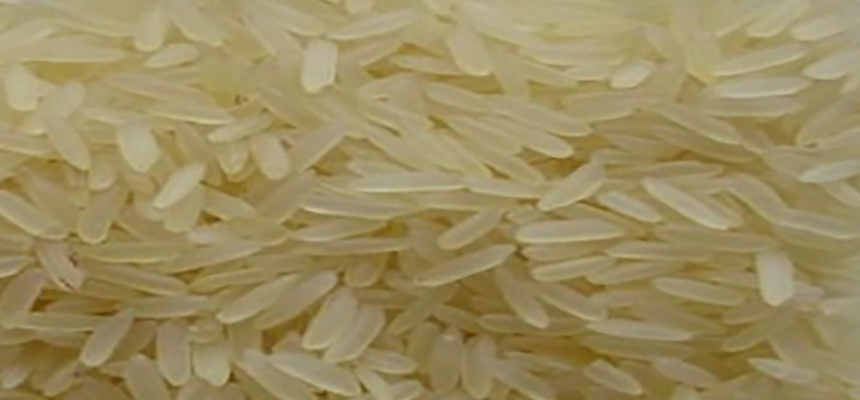
Thai Parboiled Rice 100% Broken (A1 Super)
| Parameter | Specification |
|---|---|
| Product | Thai parboiled rice, 100% broken, A1 Super |
| Colour | Light yellow to golden |
| Moisture | 14% maximum |
| Foreign matter | Sortex cleaned |
| Damaged kernels | Minimal |
| Crop | Current season |
See Thai parboiled rice 100% broken.
Other Broken Grades
We also offer Thai Hom Mali broken rice for fragrant porridge and desserts, glutinous broken rice for sweet flour, and whole grain grades with part brokens: white rice 25% broken, parboiled rice 25% broken and glutinous rice 25% broken.
Is Broken Rice Lower Quality?
No, and this is the misunderstanding we hear most when people ask what is broken rice used for. Broken rice is the same rice. What it isn’t is pretty. You can’t sell it in a supermarket bag next to long grain jasmine and expect shoppers to choose it. But for everything above, appearance doesn’t matter, and paying for whole grain would be wasting money.
Where quality does matter with broken rice is cleanliness. Cheap broken rice can carry more dust, stones, husk, bran and insects, because some mills treat it as waste. Ours goes through the same cleaning, sorting and testing as our whole grain rice. Ask any supplier for moisture, foreign matter and damaged kernel limits in writing. Our quality control page shows what we test.
Food Safety Checks for Broken Rice
If your broken rice goes into baby food, pet food or anything sold in Europe, the US, Japan or Australia, food safety testing isn’t optional. Common checks are:
- Moisture and foreign matter
- Insects and insect damage
- Mycotoxins, especially aflatoxin
- Heavy metals such as arsenic, lead and cadmium
- Pesticide residues
- Microbiology for flour and baby food uses
We can arrange these tests through accredited labs in Thailand before loading, so the results travel with the shipment. International food safety limits for rice are set out by bodies like the Codex Alimentarius, and most importing countries build on those.
Storing Broken Rice
Broken rice has more exposed surface than whole grain, so it can pick up moisture and insects a bit faster. Store it on pallets, in a cool, dry and well aired warehouse, away from walls and strong smells. Use first in, first out, and check stock for insects every few weeks in hot climates. Broken rice for flour should be milled and used within a few months for the best results.
Why Broken Rice Is Cheaper
100% broken rice usually trades well below whole grain rice of the same type. Why?
- It’s a co-product of milling. Every mill makes it, whether there’s demand or not.
- It can’t go into the premium retail market.
- Buyers are mostly industrial, and they buy on price.
That said, broken rice prices aren’t fixed. When demand from West Africa, China or feed makers jumps, broken rice can get surprisingly expensive. For current numbers, see Thai 100% broken rice price per ton.
Packing and Shipping
100% broken rice is normally packed in:
- 25kg and 50kg PP woven bags
- Jumbo bags (around 1 tonne) for factories
- Bulk in containers with liner bags, for some industrial buyers
A 20ft container takes about 25 to 27 tonnes of broken rice in bags, a bit more than whole grain because the small pieces pack tighter. We ship FOB Bangkok or CFR / CIF to your port. If you’re not sure which works better for you, read our guide on FOB vs CIF rice price.
How to Choose a Broken Rice Supplier
If you’re buying broken rice for food or for a factory, a few questions will save you trouble:
- Is the rice sortexed, or is it raw mill waste?
- What is the moisture limit, and how is it tested?
- What is the foreign matter limit?
- Is the rice fumigated before loading, and with what?
- Can you get a sample from the actual lot?
- Will the supplier accept independent inspection?
- Is supply steady, or does it depend on what the mill happens to have that week?
We’re a miller and exporter, so we produce broken rice every day and can supply it steadily across the year.
What Is Broken Rice Used For in Your Business?
If you’re still working out what is broken rice used for in your own line of business, think about where the rice ends up. If nobody ever sees the grain, because it’s ground, cooked into something else, brewed or fed to animals, then broken rice is almost always the smarter buy. If the grain is on a plate and people judge it by eye, go for whole grain or a grade like 5% or 10% broken.
And if you’re feeding families who prefer broken rice, as in Senegal, you already know the answer.
Frequently Asked Questions
What is broken rice used for most?
By volume, the main uses of broken rice are cooking as food in West Africa and Asia, rice flour and noodles, brewing, and animal feed.
Is broken rice safe to eat?
Yes. It’s the same rice as whole grain. Just buy from a supplier who cleans and tests it properly.
Is broken rice healthy?
It has the same nutrition as whole white rice from the same lot. It isn’t more or less healthy.
Does broken rice cook differently?
It cooks faster and a bit softer, because the small pieces absorb water quicker. Use a little less water and less time.
What is broken rice used for in pet food?
Mostly as the main carbohydrate in dry dog and cat food, and in “sensitive stomach” recipes. Pet food makers like 100% broken rice because it’s easy to digest, gluten free and steady in price.
What are the uses of broken rice in baking?
Ground into flour, broken rice goes into gluten free bread, cakes, cookies, batters and baking mixes. It’s one of the main uses of broken rice in Europe and North America.
Do you sell 100% broken rice in small quantities?
We usually ship by the container, about 25 to 27 tonnes. If you need less, ask, and we’ll tell you straight whether we can help.
Can I use broken rice for sushi or fried rice?
Not really. Those dishes need whole grains to hold their shape. For fried rice, try our white rice 5% broken.
Why do people in Senegal prefer broken rice?
It’s tradition, it absorbs sauce well, it cooks quickly and it’s affordable. Many families simply grew up with it and like it best.
Buy Thai Broken Rice From Us
That covers what broken rice is used for and which grade fits which job. We export Thai white rice 100% broken, parboiled 100% broken A1 Super, Hom Mali broken rice and glutinous broken rice, cleaned, sortexed and lab tested, in 25kg, 50kg or jumbo bags. We ship worldwide with full rice export documents and optional third party inspection.
Tell us what you’ll use it for, the grade, quantity, packing and port. We’ll send an offer and a sample.
Email info@dethairice.com, WhatsApp +66 81 034 6390, or use our contact page.
9 thoughts on “What Is Broken Rice Used For? 10 Best Uses”