


Looking for glutinous rice for sale in bulk? We export Thai glutinous rice, the white sticky rice used for mango sticky rice, dumplings, rice cakes, desserts and the everyday sticky rice people eat by hand in northern and northeastern Thailand. We sell it in 25kg and 50kg bags, in retail packs, under your own label, and by the container to buyers around the world.
This page is for importers, wholesalers, Asian grocery stores, restaurant groups and food factories who want a straight answer on what we sell, the specs, the packing and how to order. We’ll also cover what makes good sticky rice good, because not every bag of glutinous rice for sale on the market is the same.
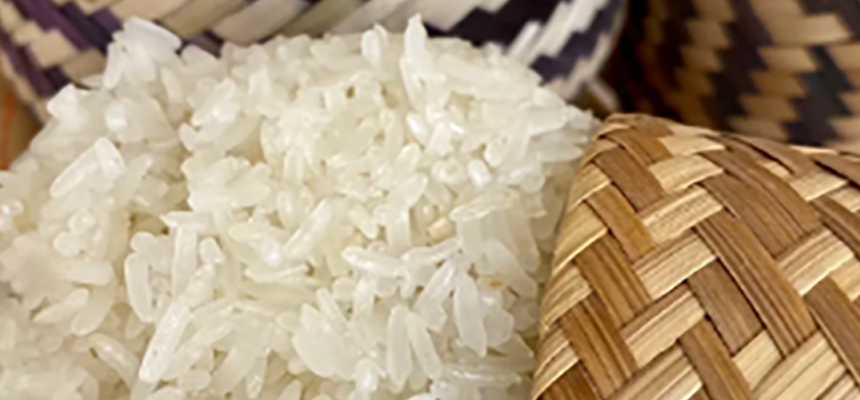
Table of Contents
What We Mean by Glutinous Rice
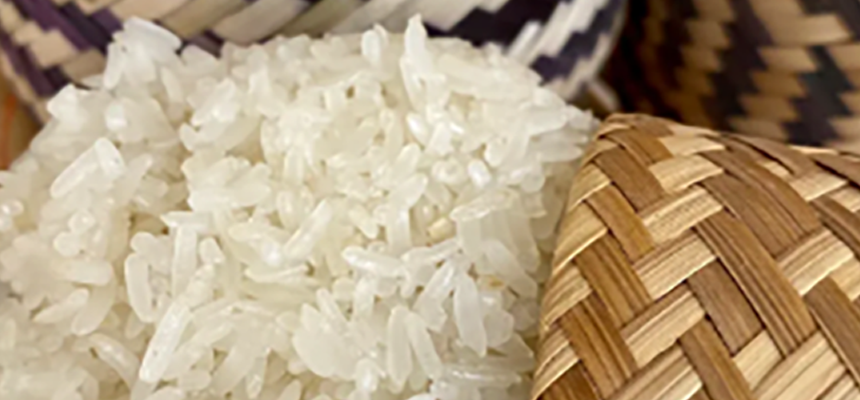
Glutinous rice, also called sticky rice or sweet rice, is a type of rice with almost no amylose starch. Its starch is nearly all amylopectin, and that’s what makes it cook into a soft, chewy, sticky mass instead of separate grains. The name has nothing to do with gluten. It’s gluten free, like all rice. “Glutinous” just means glue-like.
In Thailand it’s called khao niao. In Laos and the northeast of Thailand it’s the main daily rice, eaten with grilled meat, som tam and dipping sauces. Everywhere else in Asia it turns up in sweets and festival food: zongzi, mochi, bánh chưng, lemper, suman, and of course mango sticky rice.
If you want the botanical detail, the glutinous rice entry on Wikipedia covers it well. For a side by side with fragrant rice, see our post on glutinous rice vs jasmine rice.
Our Thai Glutinous Rice for Sale
We offer two main grades of Thai glutinous rice for sale: a whole grain grade with 5% broken or less, and a value grade with up to 25% broken. Both are white, both are current crop, and both are cleaned and sortexed before packing.
Thai Glutinous Rice, 5% Broken (premium)
| Parameter | Specification |
|---|---|
| Product | Thai white glutinous (sticky) rice |
| Origin | Thailand (north and northeast) |
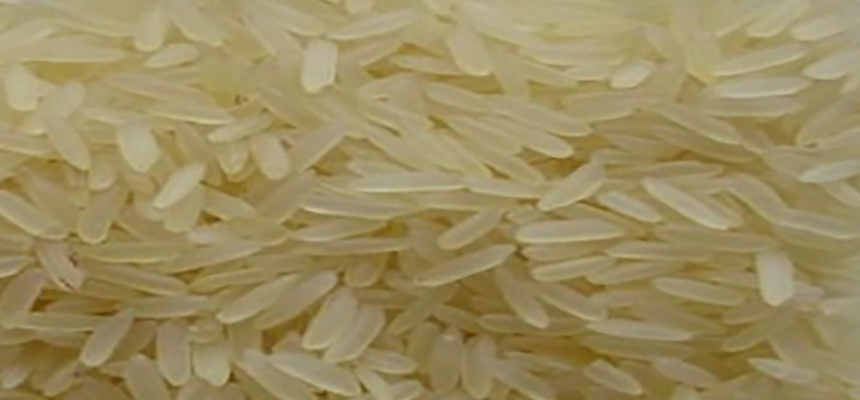
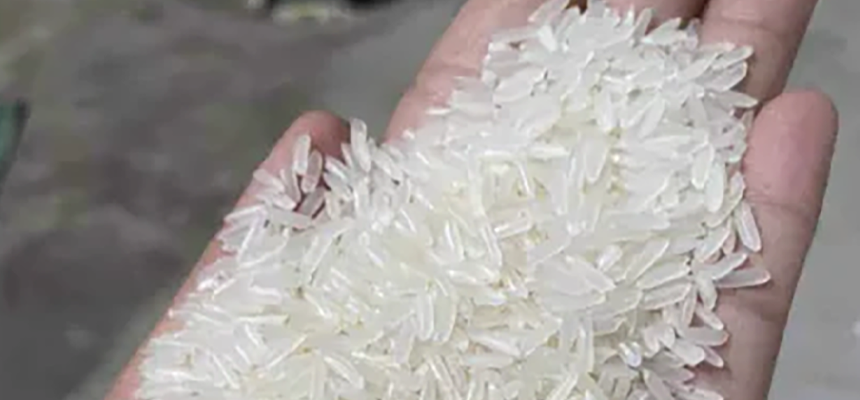
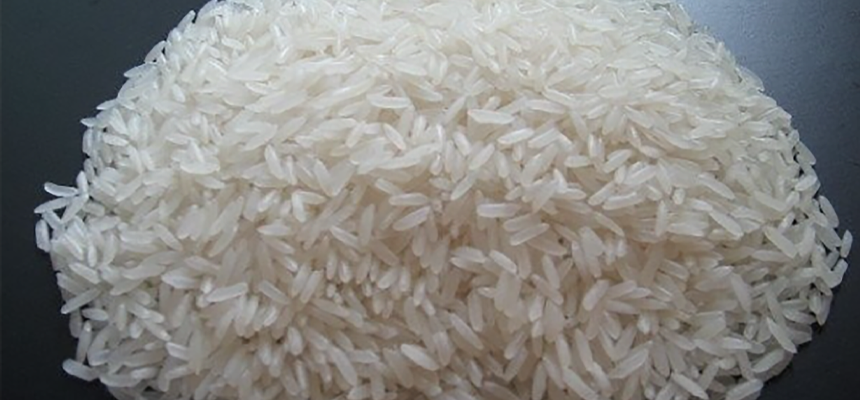
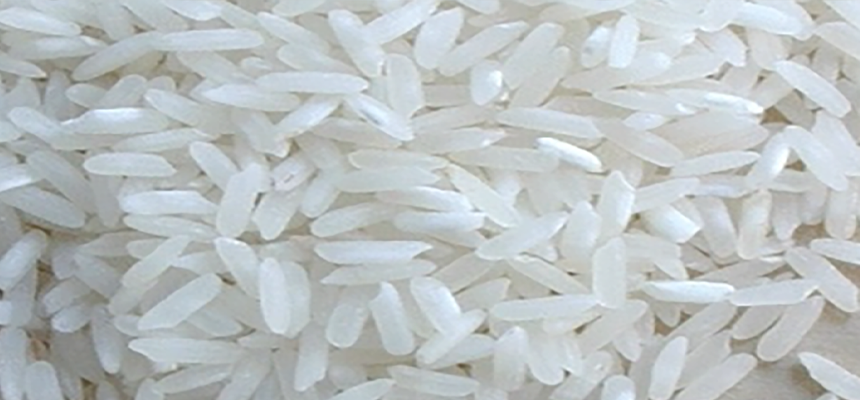
| Grain | Short to medium grain, opaque milky white |
| Broken grains | 5% maximum (lower on request) |
| Moisture | 14% maximum |
| Purity | 95 to 100% glutinous |
| Admixture (non-glutinous grains) | 5% maximum, usually much less |
| Foreign matter | 0.1% maximum |
| Damaged and yellow grains | 1% maximum |
| Crop | Current season |
| Shelf life | 12 to 24 months, cool dry storage |
Full product details are on our Thai glutinous rice for sale page.
Thai Glutinous Rice, 25% Broken (value grade)
| Parameter | Specification |
|---|---|
| Product | Thai white glutinous rice, 25% broken |
| Broken grains | 25% maximum |
| Moisture | 14% maximum |
| Purity | 95 to 100% glutinous |
| Best for | Rice flour, snacks, desserts, food processing, catering |
This one is popular with factories and caterers who don’t need perfect whole grains. Same rice, same stickiness, lower price. See Thai glutinous rice 25% broken.
Thai Glutinous Rice Varieties We Source
Not all sticky rice is the same variety, and it does make a difference in the pot. These are the main Thai varieties behind the glutinous rice for sale on our price list.
RD6
The big one. RD6 was bred from Khao Dawk Mali 105, the same parent as Thai Hom Mali rice, so it carries a light fragrance. It cooks very soft and is the favourite in the northeast. Most of our premium sticky rice is RD6.
Sanpatong
Grown mostly in the north, around Chiang Mai. Sanpatong is a bit firmer, holds its shape well when steamed and doesn’t go soggy. Some dessert makers prefer it for that reason.
Khiao Ngu and other local varieties
There are smaller local varieties with their own following, like Khiao Ngu (often written Kiew Ngoo). These come in smaller volumes and we offer them when the season allows.
If you have a preference, tell us. If you don’t, we’ll suggest what fits your dish and your price.
Where Our Sticky Rice Is Grown
Thai glutinous rice comes mainly from two areas. The northeast (Isan), which covers provinces like Khon Kaen, Udon Thani, Sakon Nakhon and Roi Et, grows the largest volume, mostly RD6, mostly rain fed, with one main crop harvested from about November. The north, around Chiang Mai, Chiang Rai and Phayao, grows less but has a good name for quality.
Because the main harvest lands at the end of the year, new crop sticky rice usually reaches the export market from December and January. That’s when the aroma is strongest and the grains are softest. Buyers who care about freshness often plan their big orders around that.
Packing Options
We pack sticky rice to suit retail shelves, wholesale and factories.
- 1kg, 2kg and 5kg retail bags (PE, BOPP, vacuum packed on request)
- 10kg and 25kg BOPP printed bags
- 25kg and 50kg PP woven bags with inner liner
- Jumbo bags for factories
- Private label with your brand, design and language
A 20ft container takes about 25 tonnes of sticky rice in 25kg or 50kg bags. Smaller buyers can mix glutinous rice with jasmine or white rice in the same container.
Why Buy Thai Glutinous Rice
There’s glutinous rice for sale from China, Vietnam, Laos, Myanmar and Thailand. We’re biased, of course, but here is why Thai sticky rice has the reputation it does.
- Texture. Thai varieties like RD6 and Sanpatong cook soft and chewy but not mushy. The grains stay intact when steamed.
- Aroma. RD6 in particular comes from a Hom Mali parent line and has a light fragrance that cheaper sticky rice doesn’t.
- Whiteness. Good Thai glutinous rice is a bright, even milky white. Buyers notice.
- Clean milling. Thai export standards are strict on admixture, the non-sticky grains that get mixed in. Too many of those and your dessert won’t hold together.
- Steady supply. The northeast grows a lot of glutinous rice, so supply is reliable year round.
How to Tell Good Glutinous Rice From Average
If you’re comparing glutinous rice for sale from a few suppliers, here’s what to look at.
Colour
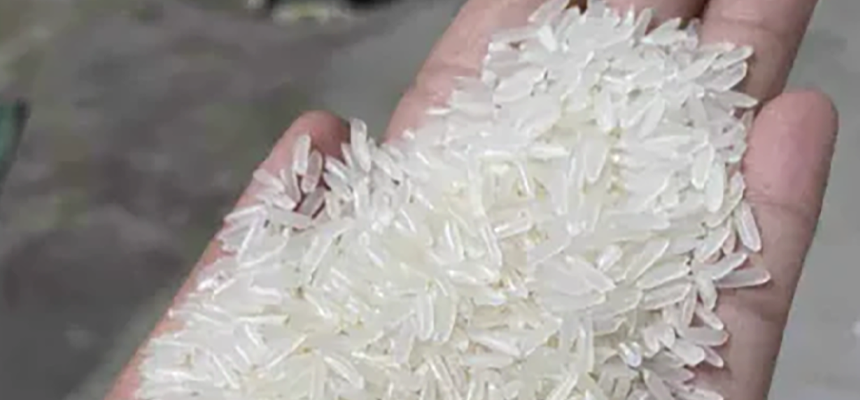
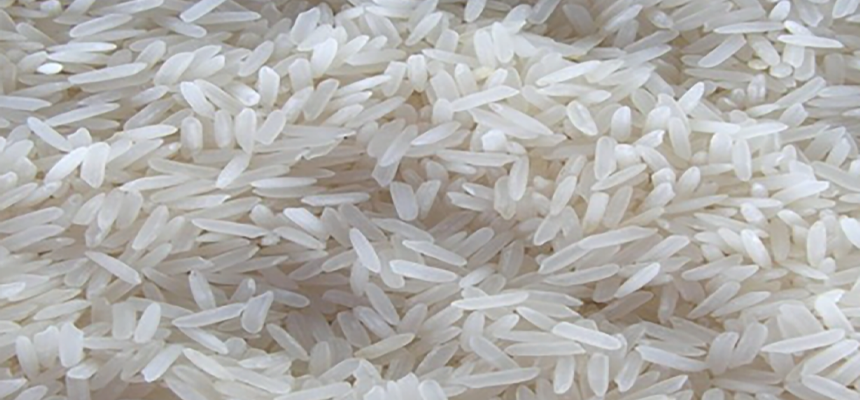
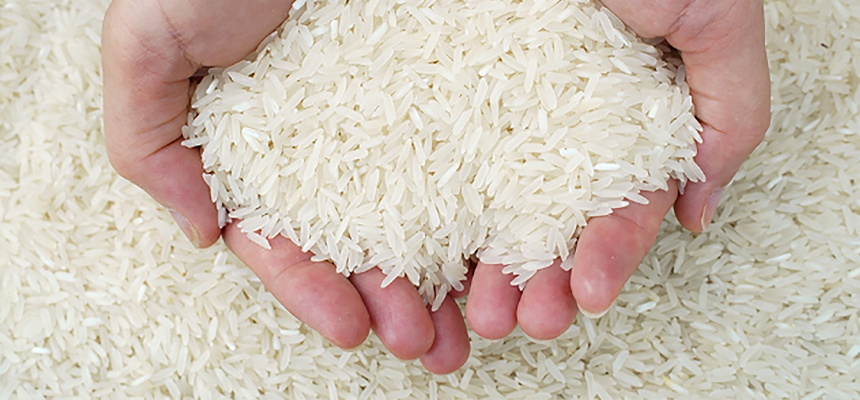
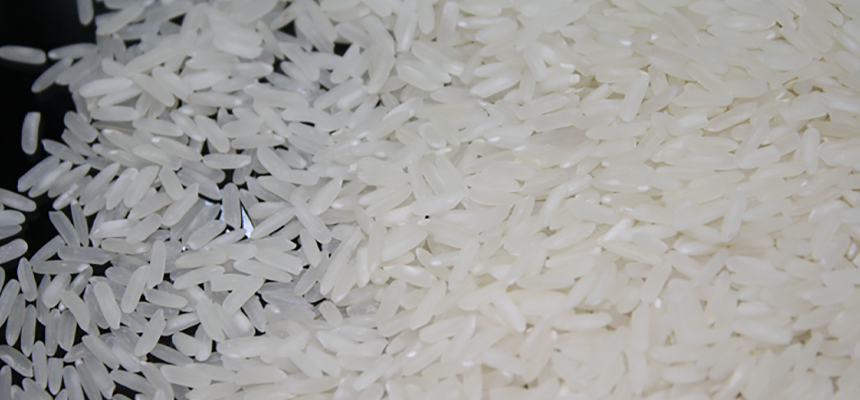
Raw glutinous rice should be opaque, chalky white, like little porcelain beads. That’s normal for sticky rice. If you see clear, translucent grains mixed in, those are probably non-glutinous rice. A few are fine. Lots of them is a problem.
Admixture
This is the big one. Admixture is the share of ordinary rice grains in the lot. In the pot they don’t stick, so the dish falls apart. Ask for the admixture figure in writing. We keep ours well under 5% and usually closer to 1 or 2%.
Broken grains
Broken pieces cook faster and can make the pot a bit pasty. For whole grain dishes and retail, go for 5% broken. For flour and processing, 25% broken is fine.
Moisture
14% or under for export. Wetter rice can heat up and smell musty after a long voyage.
Age
Fresh crop sticky rice is softer and more fragrant. Old rice gets harder and needs longer soaking.
Our post on Thai glutinous rice wholesale price explains how these factors show up in the price.
Sticky Rice for Sale to Food Factories
A big share of our glutinous rice ends up in factories, not kitchens. If that’s you, the buying logic is different.
You probably don’t care about how the grain looks. You care about consistent starch, low admixture, low moisture and a steady price over the year. For most food processing, 25% broken glutinous rice does the job at a lower cost, and for flour milling even 100% broken works.
What factory buyers usually ask us for:
- Admixture held very low, because non-glutinous grains change how the dough or batter behaves.
- A fixed spec across every shipment, so your production line doesn’t need adjusting.
- Bulk packing in 50kg bags or jumbo bags.
- Contract supply for six or twelve months with agreed delivery dates.
- Retained samples and COA per lot for your QA records.
We can do all of that. If you make mochi, rice flour, crackers, frozen desserts, dumplings or rice wine, send us your current spec sheet and we’ll match it or tell you honestly where we can’t.
Glutinous Rice for Sale in Retail Packs
Retail is a different game. Supermarket and grocery buyers are judged on what sits on the shelf, so the pack matters as much as the rice.
For retail glutinous rice for sale, we usually suggest:
- 5% broken or better, new crop, bright white
- 1kg or 2kg packs for mainstream supermarkets, 5kg for Asian grocery
- A clear window on the bag so shoppers can see the grain
- Vacuum packing for markets with long shelf times or hot climates
- Cooking instructions in the local language, including the soaking step
- A best before date and lot code on every pack
We can design the pack for you or print your existing artwork. Minimums for printed retail bags depend on the bag type, so ask and we’ll tell you up front.
Shipping and Payment Terms
Our glutinous rice for sale is quoted FOB Bangkok or Laem Chabang, or CFR / CIF to your port. We ship in 20ft and 40ft containers. Lead time from contract to loading is usually two to four weeks, depending on packing and label printing.
Payment is normally by irrevocable LC at sight, or by TT with a deposit and the balance against copy documents. For repeat customers we can talk about other terms. We don’t play games with documents or switch the lot after inspection, and we’re happy for you to send your own inspector to the warehouse before loading.
Thai rice varieties and grades are set by the Thai Rice Department, and every export lot has to meet the Thai standard for its grade, so you have that as a baseline too.
Who Buys Our Sticky Rice for Sale
We sell glutinous rice to a mix of customers. Some found us while searching for sticky rice for sale online, others came through referrals:
- Asian grocery importers in the US, Canada, the UK, Europe and Australia
- Wholesalers and distributors in Southeast Asia, East Asia and the Gulf
- Restaurant groups and Thai, Lao, Chinese, Japanese and Filipino restaurants
- Food factories making rice flour, mochi, rice cakes, snacks, dumplings and frozen desserts
- Bakeries and dessert brands
- Supermarket private label programmes
Some buy a pallet. Some buy a container a month. Both are welcome.
How to Cook Thai Sticky Rice (for Your Customers)
If you’re selling sticky rice in shops, it helps to print simple cooking instructions on the bag. Many shoppers try to boil it like normal rice and get a mess. Here’s the traditional way, which we’re happy to put on private label packs.
- Rinse the rice two or three times until the water runs fairly clear.
- Soak in cold water for at least 4 hours, or overnight. This is the step people skip.
- Drain well.
- Steam in a bamboo basket or a steamer lined with cloth for 20 to 25 minutes, flipping once halfway.
- Turn it out, fluff gently, and keep covered so it doesn’t dry out.
A rice cooker works too if it has a sticky rice setting. Use much less water than for normal rice, about 1 cup water to 1 cup soaked rice.
Common Uses by Market
Glutinous rice shows up in very different dishes depending on the country. Knowing the end use helps us suggest the right grade.
| Region | Typical uses | Grade we usually suggest |
|---|---|---|
| Thailand, Laos | Daily sticky rice, mango sticky rice, khao lam | 5% broken, fresh crop |
| China, Hong Kong, Taiwan | Zongzi, lo mai gai, tang yuan, rice wine | 5% broken; 25% for wine and flour |
| Japan, Korea | Mochi, rice cakes, tteok | 5% broken or flour grade |
| Vietnam | Xôi, bánh chưng, bánh tét | 5% broken |
| Philippines | Suman, biko, palitaw | 5% or 25% broken |
| Indonesia, Malaysia | Lemper, ketupat pulut, desserts | 5% broken |
| Food factories worldwide | Flour, snacks, frozen desserts | 25% broken or 100% broken |
Glutinous Rice for Sale: Pricing
Prices for Thai glutinous rice for sale move with the crop and with demand from China and Vietnam, which can be big buyers in some seasons. As a rough idea, glutinous rice trades above Thai white rice and in a similar range to, or a bit below, Thai fragrant rice. The 25% broken grade is noticeably cheaper than the 5% grade.
We quote on request because prices change week to week. Tell us:
- Grade (5% or 25% broken)
- Quantity (tonnes or containers)
- Packing and label
- Destination port
- FOB, CFR or CIF
We usually reply within one working day.
How Ordering Works
Buying glutinous rice for sale from us is simple. Here’s the usual path.
- Send your enquiry with grade, tonnage, packing and port.
- Get our offer and, if you want, a sample from the current lot.
- Agree the contract and payment terms (LC at sight, CAD or TT with deposit).
- We produce, pack and book the vessel.
- Lab test and optional SGS or third party inspection at loading.
- We send the full document set: invoice, packing list, bill of lading, certificate of origin, phytosanitary certificate, fumigation certificate, COA and any others your country needs.
New to importing from Thailand? Read how to import rice from Thailand and our rice export documents checklist.
Mistakes People Make When Buying Sticky Rice for Sale
We’ve seen these more than once, so it’s worth listing them.
- Buying on price alone. The cheapest glutinous rice for sale is often cheap because it has high admixture or is from an old crop. Your customers will notice.
- Not asking for admixture in writing. Broken and moisture get checked. Admixture often doesn’t, and it’s the one that ruins desserts.
- No sample from the real lot. A nice sample from last month doesn’t prove anything about the container you’ll get.
- Wrong grade for the use. Retail shoppers want whole grains. Factories don’t. Pay for what you actually need.
- Forgetting the cooking instructions on retail bags. A shopper who boils sticky rice like normal rice won’t buy it again.
- Shipping in the hottest months without liners or desiccant. Condensation in a container can ruin the top layer of bags.
Why Buy From a Miller, Not Just a Trader
There are plenty of traders offering sticky rice for sale online. Some are fine. Some are three or four steps away from the rice and can’t tell you which mill it came from or what crop it is.
We mill and export rice ourselves and work directly with mills in the growing areas. That means we can tell you the variety, the crop, the moisture and the admixture, and we can change the spec if you need something different. If a problem comes up, you’re talking to the people who loaded the container, not a middleman passing messages along.
Storage Tips for Importers
Sticky rice keeps well, but it’s not bulletproof. A few things help:
- Store bags on pallets, off the floor and away from walls.
- Keep the warehouse cool, dry and well aired. Heat plus humidity is how rice goes off.
- First in, first out. Sticky rice older than about 18 months gets harder and loses aroma.
- Keep it away from strong smells like fish, spices or chemicals. Rice picks up odours.
- Check bags for insects every few weeks in hot climates.
Most of the quality complaints we hear about rice come from storage at destination, not from the rice itself. Good sticky rice for sale can still go bad in a hot, damp warehouse, so it’s worth getting this right.
Our Quality Checks
Every lot of glutinous rice for sale on our list goes through the same checks as our other rice. We test moisture, broken percentage, admixture, foreign matter and colour. We run it through optical sorters to take out yellow, black and damaged grains and stones. We keep a retained sample of each lot.
You can read how we do it on our quality control page and our rice standard page.
Other Thai Rice We Sell
Most buyers who come to us for glutinous rice for sale also take other Thai rice in the same order. We sell:
- Thai Hom Mali rice (premium jasmine)
- Thai jasmine / Pathumthani fragrant rice
- Thai white rice 5% broken and other grades
- Thai parboiled rice
- Thai red cargo rice
- Organic jasmine rice
Frequently Asked Questions
Is glutinous rice the same as sweet rice?
Yes. Glutinous rice, sticky rice, sweet rice and waxy rice are all names for the same type of rice.
Does glutinous rice contain gluten?
No. It’s naturally gluten free. The word glutinous refers to how sticky it is when cooked.
Where can I find glutinous rice for sale in bulk?
Right here. We sell Thai glutinous rice for sale by the container, with mixed loads and private label available. If you need less than a container, ask anyway and we’ll tell you straight whether we can help.
What is the minimum order?
For export we usually work from one 20ft container, about 25 tonnes. Mixed containers with other Thai rice are fine.
Can you do private label sticky rice?
Yes. We print your brand on retail and wholesale bags, in any language, with your cooking instructions.
Do you sell black glutinous rice?
Ask us. Supply depends on the season and we can quote when it’s available.
How long does glutinous rice last?
Twelve to twenty four months in cool, dry storage. It’s best in the first year.
Where to Find Glutinous Rice for Sale From Thailand
If you’ve been searching for reliable glutinous rice for sale, we’d like to quote. We sell Thai white sticky rice at 5% and 25% broken, packed the way you want, under your brand if you like, and shipped to your port with full documents and inspection.
Send us your grade, quantity, packing and destination. We’ll come back with a price and a sample.
Email info@dethairice.com, WhatsApp +66 81 034 6390, or use our contact page.
2 thoughts on “Glutinous Rice for Sale: Best Thai Sticky Rice Offer”