


Rice shipping from Thailand to the USA looks simple on a map. Load a box in Thailand, unload it in California or Texas a few weeks later. But anyone who’s done it more than once knows the trip is where a lot of money is made or lost. A container that sweats on the way can arrive with moldy bags. A box that’s too heavy can’t leave the port. A missed filing can cost $5,000 before the ship even sails.
We’re De Thai Products 1989 Company Limited, a rice miller and exporter in Thailand. We load containers for US importers, grocery chains and food service distributors all year, and we sell to buyers worldwide. This guide covers rice shipping from Thailand to the USA the way we actually handle it: ports, transit times, containers, packing, paperwork, costs and the mistakes we’ve learned to avoid. Near the end you’ll find the rice we sell and our standard specs, because if you’re reading this, you’re probably about to buy some.
Table of Contents
How Rice Shipping From Thailand to the USA Works
Almost all rice shipping from Thailand to the USA moves in containers, not in bulk ships. Bulk vessels carry huge loads of loose rice to places like Iraq or the Philippines, but US buyers want bagged rice they can sell straight off a pallet, in volumes of one to fifty containers at a time. Containers suit that perfectly.
The basic chain looks like this:
- The mill grades, bags and tests your rice.
- The rice is fumigated and loaded into containers, either at our warehouse or at a port depot.
- The container is trucked to the port and loaded on a ship.
- The ship sails, often with a transshipment stop in Singapore, Hong Kong or another hub.
- The container arrives at a US port, clears Customs and the FDA, and is trucked to your warehouse.
Each step of rice shipping from Thailand to the USA has its own timing and its own ways to go wrong. Let’s take them one at a time.
Ports of Loading in Thailand
Most rice shipping from Thailand to the USA leaves from one of two ports.
Laem Chabang. Thailand’s main deep-sea container port, south-east of Bangkok. Big ships call here directly, so routes to the US are often faster and the choice of carriers is wider.
Bangkok Port (Khlong Toei). Closer to the central rice-milling areas, but it’s a river port and takes smaller ships. Cargo often goes to a hub port first and transfers to a bigger vessel there.
We pick the port based on your destination, the carrier with the best schedule that week, and where your rice is milled. For most rice shipping from Thailand to the USA it ends up being Laem Chabang.
US Ports and Transit Times
Transit time for rice shipping from Thailand to the USA depends mostly on which coast you’re on. These are typical port-to-port ranges we see. They’re not promises, because schedules, transshipment and routing change.
| US destination | Typical route | Port-to-port transit |
|---|---|---|
| Los Angeles / Long Beach | Trans-Pacific, sometimes via a hub | About 16 to 24 days |
| Oakland | Trans-Pacific | About 18 to 26 days |
| Seattle / Tacoma | Trans-Pacific | About 18 to 26 days |
| Houston | Via Panama Canal or via the West Coast by rail | About 30 to 40 days |
| Savannah / Charleston | Via Panama or Suez | About 30 to 40 days |
| New York / New Jersey | Via Suez or Panama | About 30 to 42 days |
| Chicago and inland | West Coast port plus rail | About 22 to 32 days |
A few notes. East Coast routing depends on what’s happening at the Panama Canal and in the Red Sea at the time. Inland points like Chicago, Dallas or Atlanta are often cheaper and faster through a West Coast port plus rail than through an East Coast port. And the Port of Los Angeles and Long Beach together handle a huge share of all Asian imports, so that’s where most US-bound rice lands.
Containers: How Much Rice Fits
For rice shipping from Thailand to the USA, the 20ft container is the workhorse. Rice is heavy for its size, so a 20ft box fills up by weight long before it fills up by space. A 40ft box holds more volume, but the shipping line’s weight limit for a 40ft isn’t much higher than for a 20ft, so you rarely gain much rice.
Here’s the catch that surprises many first-time US buyers. Thailand-to-Africa or Thailand-to-Asia containers commonly carry around 25 tons of rice. US roads have strict weight limits, and a 20ft carrying 25 tons is often too heavy to truck from the port on a standard chassis. So for rice shipping from Thailand to the USA we usually load:
- About 20 to 21 metric tons per 20ft for normal inland trucking
- Up to about 25 metric tons only if your trucker has an overweight permit or you transload at the port
Ask your trucker or freight forwarder before we load. Our post on how many tons of rice fit in a 20ft container goes into the numbers by bag size.
Packing Rice for a Long Sea Voyage
Rice is alive in a sense. It breathes moisture in and out. In a closed steel box crossing the equator and then the cold North Pacific, that moisture can condense on the container roof and drip back onto the bags. Shippers call this container rain. It’s the number one cause of damage in rice shipping from Thailand to the USA, and it’s almost entirely preventable.
What we do on every US container:
- Keep moisture at 14% maximum. Rice packed wet will cause problems no matter what else you do.
- Line the container with kraft paper on the walls and floor.
- Hang desiccant bags to soak up moisture during the trip.
- Use clean, dry, food-grade containers. We reject boxes that smell, leak or have rust holes.
- Choose the right bags. PP woven bags breathe well. BOPP printed retail bags look great but need careful stacking. PE inner liners help for long routes.
- Fumigate before sealing, and leave the right airing time.
If you’re selling small retail bags, we pack them into master bales or cartons so they don’t split. That detail makes a big difference in how many bags arrive looking sellable.
Fumigation and Inspection
Before loading, the rice is fumigated against insects, usually with phosphine. A fumigation certificate goes with your documents. We also arrange quality inspection, either our own or an independent surveyor like SGS or another firm you name, which checks the grade, broken percentage, moisture and packing against the contract.
If you’re shipping on wooden pallets, the wood must be heat treated and stamped under the ISPM 15 standard. Most US rice ships floor-loaded, bag by bag, which avoids the pallet question and fits more rice. Palletized loads cost a bit of space but unload faster.
This part of rice shipping from Thailand to the USA is the exporter’s job, and it’s where a careful mill earns its price.
Price Terms: Who Books the Ship
You’ll see three main terms on Thai rice offers:
- FOB (Free on Board). We deliver the rice onto the ship in Thailand. You book and pay the ocean freight.
- CFR (Cost and Freight). We book and pay freight to your US port. You arrange insurance.
- CIF (Cost, Insurance and Freight). Same as CFR, plus we insure the cargo.
Buyers with their own forwarder and good freight rates often prefer FOB. First-time buyers usually find CIF easier, because the rice shipping from Thailand to the USA is handled end to end on our side up to your port. The official definitions are in the ICC Incoterms rules, and our post on FOB vs CIF rice price explains how to compare offers.
The ISF Filing and Other Paperwork
One filing deserves its own section. For any ocean cargo going to the US, the importer must file an Importer Security Filing with U.S. Customs and Border Protection at least 24 hours before the container is loaded on the ship abroad. Late or wrong filings can bring penalties of up to $5,000. In practice your customs broker files it using data we send. We send that data a few days before loading so there’s no last-minute rush.
The documents that travel with rice shipping from Thailand to the USA usually include:
- Commercial invoice and packing list
- Bill of lading
- Certificate of origin
- Phytosanitary certificate
- Fumigation certificate
- Certificate of analysis or inspection certificate
- Insurance certificate on CIF terms
Then your broker files FDA Prior Notice and the customs entry before arrival. We cover the FDA side in detail in our post on FDA requirements for importing rice, and the full US import process in how to import Thai rice into the USA. There’s also a general list in rice export documents.
What Drives the Cost of Rice Shipping From Thailand to the USA
We’re not going to print freight rates here, because they move every week and any number would be wrong by the time you read it. But these are the things that push the cost of rice shipping from Thailand to the USA up or down:
- Destination coast. West Coast is usually cheaper and faster than East Coast or Gulf.
- Season. Freight tends to climb before Chinese New Year and in the third-quarter peak season when US retailers stock up for the holidays.
- Fuel and surcharges. Bunker surcharges, peak season surcharges and general rate increases come and go.
- Routing. Canal restrictions or Red Sea diversions can add days and cost to East Coast routes.
- Volume. Ten containers a month gets better rates than one container a year.
- US-side costs. Port terminal fees, chassis fees, trucking, and demurrage if the box sits too long.
There’s also duty. Since late July 2026, rice from Thailand pays an extra 12.5% under a US Section 301 action, on top of the normal tariff schedule rate, and talks between the two countries are ongoing. Duty isn’t technically a shipping cost, but it lands on the same invoice in your head, so include it. Our post on rice price trends in North America covers how this is playing out in prices.
Timeline From Order to Warehouse
Here’s a realistic timeline for rice shipping from Thailand to the USA on a normal first order:
| Stage | Typical time |
|---|---|
| Samples sent and approved | 1 to 2 weeks |
| Contract, payment, label approval | Several days to 1 week |
| Milling, grading, packing, testing | 1 to 3 weeks |
| Fumigation, loading, trucking to port | A few days |
| Ocean transit | 16 to 42 days, by coast |
| Customs and FDA clearance | 1 to 5 days if clean |
| Trucking to your warehouse | 1 to 5 days |
All in, think five to eight weeks to the West Coast and seven to ten weeks to the East Coast or Gulf, from signed contract to rice in your building. Repeat orders go faster because samples and labels are already approved.
Insurance and Claims
Marine cargo insurance is cheap compared with what it covers. On CIF terms we insure the cargo, normally for 110% of the invoice value. On FOB or CFR, buy it yourself.
If something arrives damaged, take photos before unloading, note the damage on the delivery receipt, keep samples, and call the insurer or a surveyor straight away. Claims are much easier with evidence from day one, and good insurance is cheap protection on any rice shipping from Thailand to the USA.
Common Problems and How We Avoid Them
We’ve seen most of what can go wrong in rice shipping from Thailand to the USA. These are the regulars:
- Wet bags from container rain. Fixed with dry rice, paper lining and desiccants.
- Overweight containers. Fixed by agreeing load weight with your trucker before we load.
- Torn retail bags. Fixed with master bales and careful stacking.
- Late ISF. Fixed by sending ISF data days before loading, not hours.
- Rolled bookings. Ships get overbooked and cargo gets pushed to the next sailing, especially in peak season. We book early and keep a backup carrier in mind.
- Demurrage at the US port. Fixed by having your warehouse and trucker lined up before arrival.
None of it is clever. Reliable rice shipping from Thailand to the USA is just doing the boring things every time.
Retail Bags or Bulk Sacks?
What you put in the box changes how rice shipping from Thailand to the USA works in practice.
Bulk sacks (25 kg, 50 kg, 50 lb). The easiest to load, the most rice per container, and the cheapest per ton to ship. They suit food service distributors, restaurants, institutional kitchens and repackers. The bags are tough, so damage in transit is rare.
Retail bags (2 lb, 5 lb, 10 lb, 20 lb, 25 lb). These go straight onto store shelves, so they have to arrive clean and unscuffed. We pack them into outer bales or cartons, which takes a bit of space but protects them. A container of small retail bags holds a little less rice than a container of 50 kg sacks.
Mixed loads. Many grocery importers take a mix, for example 25 lb jasmine for the shelf, 50 lb jasmine for restaurant customers and some 5 lb glutinous rice. That’s fine. We plan the stacking so the heavy sacks go on the bottom and the retail bales sit where they won’t be crushed.
If you’re not sure which mix to order, tell us who you’re selling to and we’ll suggest one. Getting the bag mix right is just as much a part of rice shipping from Thailand to the USA as booking the ship.
Setting Up a Regular Shipping Program
Once the first container is in and selling, most of our US buyers move to a steady schedule, for example two containers a month or one every three weeks. That changes a few things for the better.
Freight gets easier because we can book space ahead and sometimes lock in better rates. Quality stays more even because we can reserve paddy from the same growing areas. Your cash flow is smoother because you’re not buying a huge lot once and then waiting months to sell it. And you can switch between new crop and old crop jasmine as the season turns, which matters a lot to US shoppers who notice the aroma. Our post on old crop vs new crop jasmine rice explains why.
For regular rice shipping from Thailand to the USA, we also keep your label plates on file, so repeat orders don’t wait on printing. If your volumes are growing, it’s worth having that conversation early.
A Typical First Order, Start to Finish
To make this concrete, here’s how a normal first order for rice shipping from Thailand to the USA tends to go with us. This is a typical pattern, not one particular customer.
A grocery distributor in Texas wants one 20ft container of Thai Hom Mali in 25 lb bags. They ask for samples, cook them, and approve. They send their label artwork, and their broker confirms it meets US rules. We agree on CIF Houston with a 30% deposit and the balance against a scan of the bill of lading.
Because Houston is on the Gulf, we look at two options: a direct Gulf routing, or landing at Los Angeles and moving the box by rail. We pick whichever gives the better total time and cost that week. Their trucker tells us the box needs to stay around 20 tons for local roads, so we load to that.
We mill and pack, test the lot, fumigate and line the container with paper and desiccants. We send the ISF data four days before loading. The ship sails. While it’s at sea, their broker files Prior Notice and the entry using our document scans. The rice arrives, clears, and is in their warehouse a few days later.
Nothing dramatic happens, which is exactly the point. Good rice shipping from Thailand to the USA should be boring.
Rice We Ship to the USA
These are the grades we load for US buyers most often:
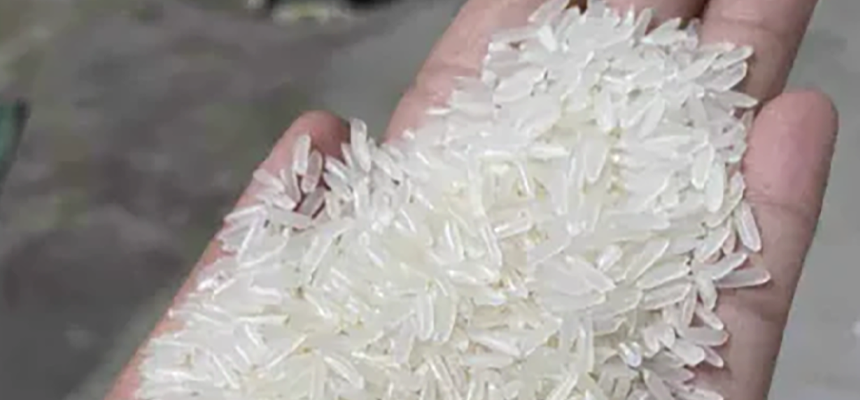
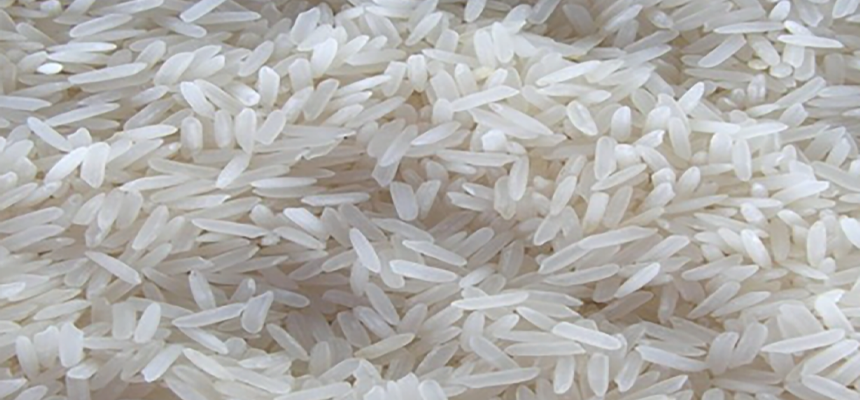
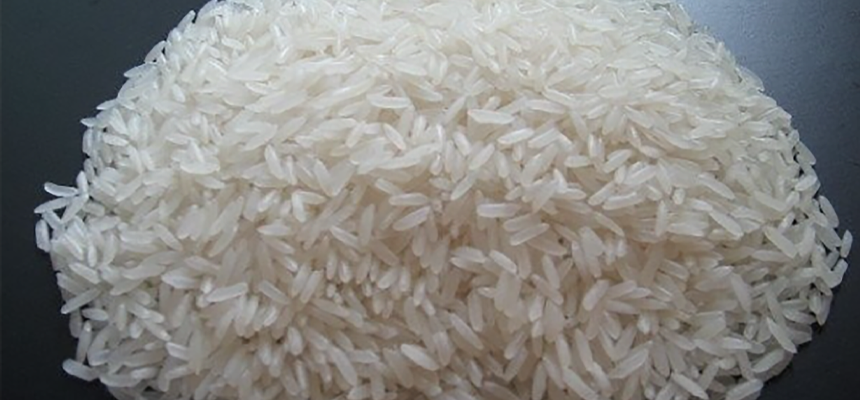
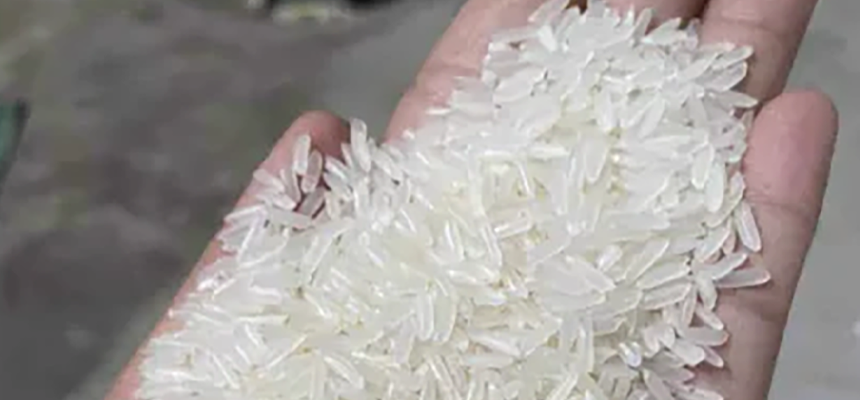
- Thai Hom Mali rice, the premium jasmine
- Thai jasmine rice / Pathumthani fragrant rice
- White rice 5% broken and Thai white rice 10% broken
- Thai white rice 100% sortexed
- Thai parboiled rice 5% broken
- Thai glutinous rice
- Organic jasmine rice and brown rice
- Thai white rice 100% broken for processors
We can mix two or three grades in one container for trial orders. The full list is on our products page, and our Thai long grain white rice bulk suppliers USA post covers white rice for the US in more depth.
Our Standard Specifications
| Grade | Purity | Broken | Moisture | Packing |
|---|---|---|---|---|
| Thai Hom Mali rice | 92% min | 4.5% max | 14% max | 2 lb to 50 lb, 1 kg to 50 kg |
| Thai jasmine rice | 95% min | 5% max | 14% max | 5 kg to 50 kg, 25 lb, 50 lb |
| White rice 5% broken | Long grain | 5% max | 14% max | 25 kg, 50 kg, 50 lb |
| White rice 10% broken | 95% min | 10% max | 14% max | 25 kg, 50 kg |
| Parboiled rice 5% broken | 100% sortexed | 5% max | 14% max | 5 kg to 50 kg |
| Glutinous rice | 95 to 100% | 5% max | 14% max | 1 kg to 50 kg |
All grades come with a certificate of analysis, fumigation certificate, phytosanitary certificate and certificate of origin. See our quality control page for how we test.
Frequently Asked Questions
How long does rice shipping from Thailand to the USA take?
Port to port, about 16 to 24 days to the West Coast and 30 to 42 days to the Gulf or East Coast. Add time for milling, clearance and trucking.
What’s the minimum order?
Usually one 20ft container. Read our post on Thai rice minimum order quantity.
Can you ship to inland US cities?
Yes. We can quote to a US port, and your forwarder can arrange rail and trucking inland. Many inland buyers use a West Coast port plus rail.
Do you ship to other countries too?
Yes. We ship worldwide, including Canada, Mexico, the Caribbean, Latin America, Europe, the Middle East, Africa and Asia.
Get a Shipping Quote
Tell us your grade, bag size, quantity and the US port or inland city you want, and we’ll send samples and a CIF or FOB offer. If you’ve been putting off rice shipping from Thailand to the USA because the logistics looked messy, we’ll walk you through it on the first order.
De Thai Products 1989 Company Limited. Email info@dethairice.com, WhatsApp +66 81 034 6390, or use our contact page. You can also read about us or our guide to Thailand rice exports 2026.


One thought on “Rice Shipping From Thailand to the USA: Best Guide”