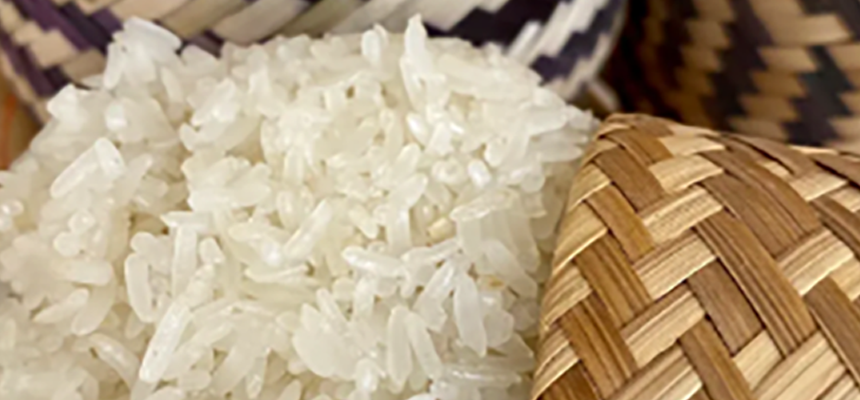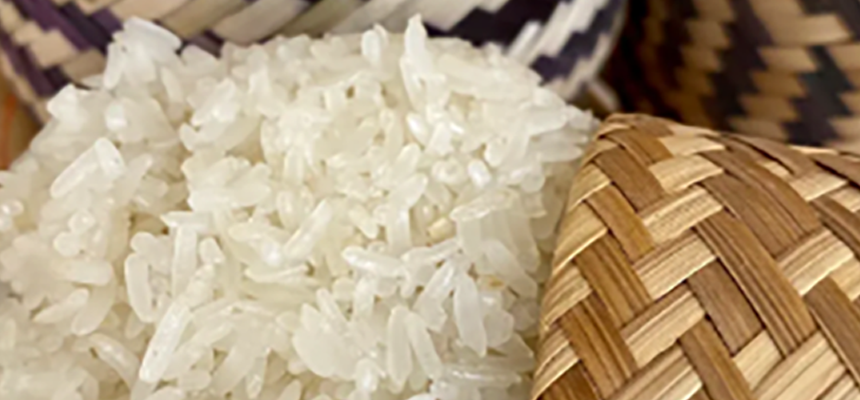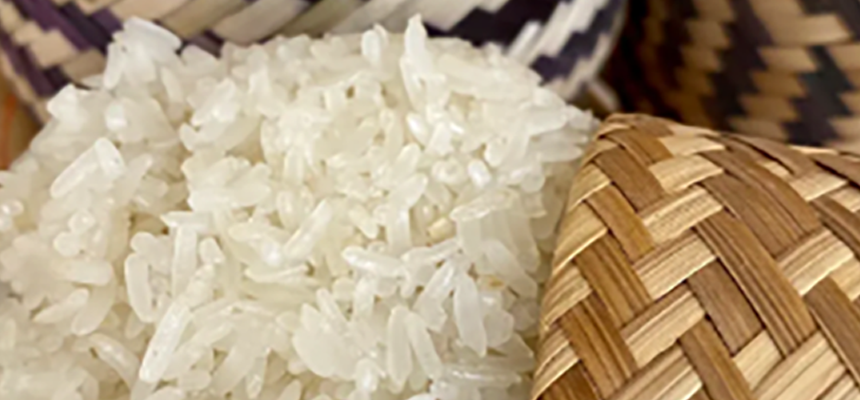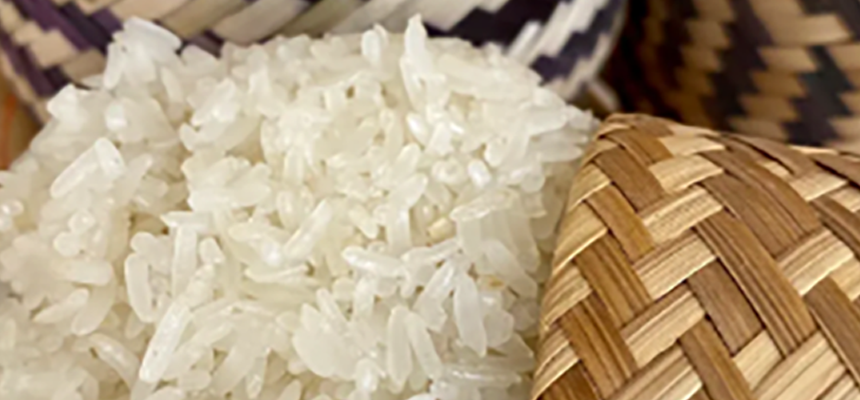


Sticky rice vs sushi rice is a question we get from restaurant buyers, grocery importers and even chefs who’ve been sent the wrong bag by a supplier. They look similar raw, they’re both short-ish grains, and they both stick. But they are different rice, cooked in different ways, for different food. We sell both: Thai glutinous (sticky) rice and short grain Japonica sushi rice, shipped worldwide in bulk and retail packs. Here’s the plain comparison, then the specs and packing for each.
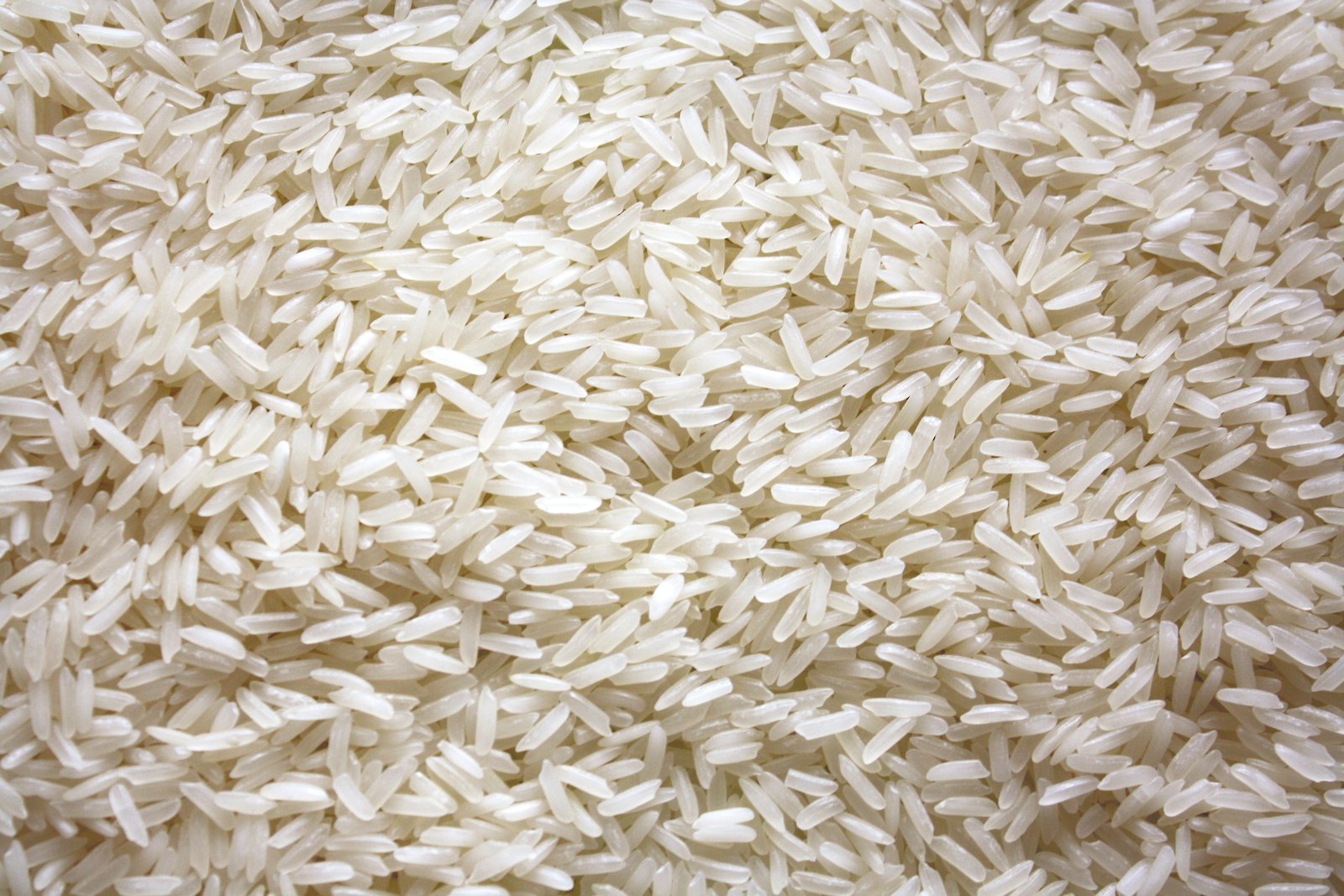
Table of Contents
Sticky Rice vs Sushi Rice: The Quick Answer
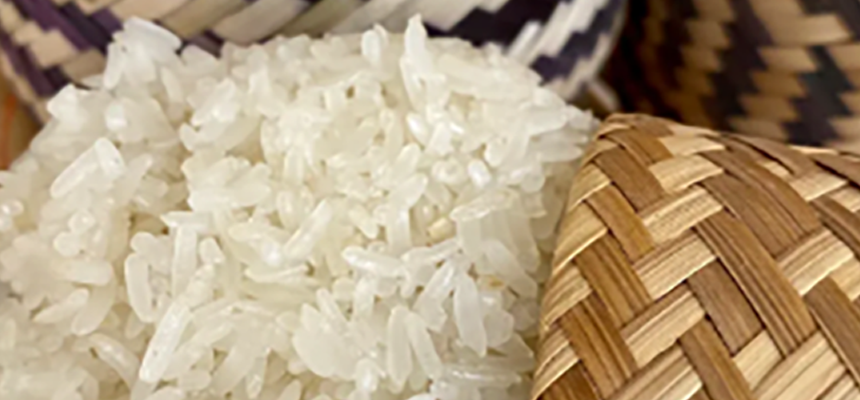
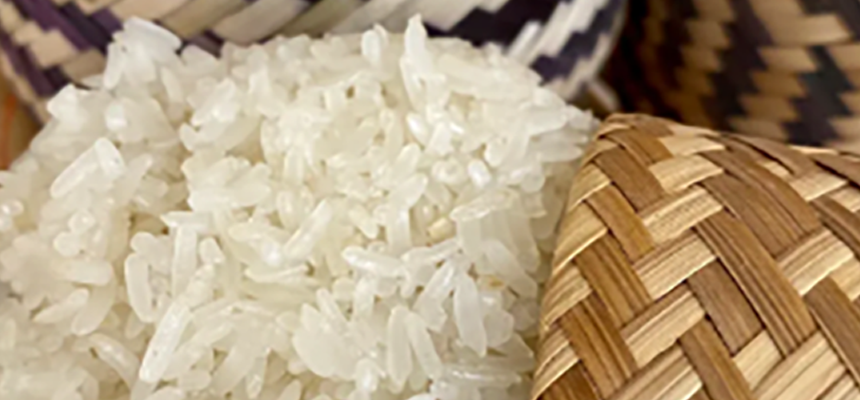
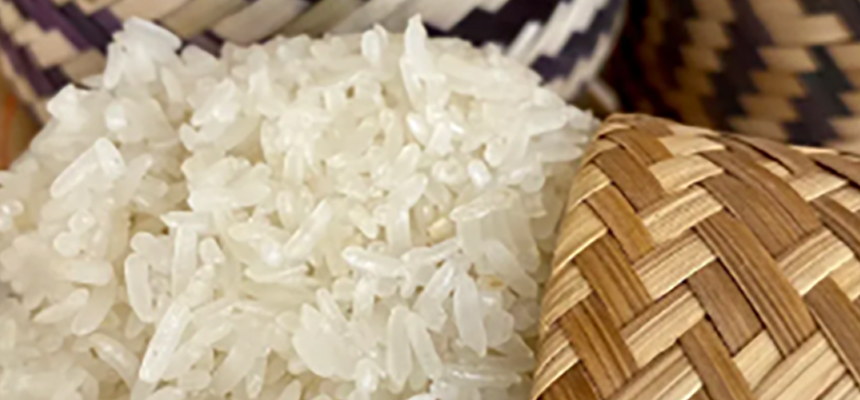
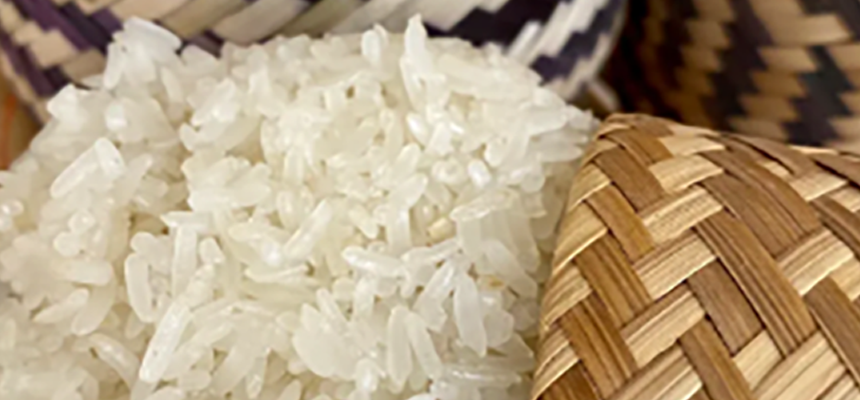
Sticky rice, also called glutinous rice or sweet rice, is almost pure amylopectin starch. When it’s soaked and steamed, the grains fuse into one chewy, elastic mass. It’s the rice in mango sticky rice, Lao and Isan meals eaten by hand, zongzi, mochi and many Asian desserts.
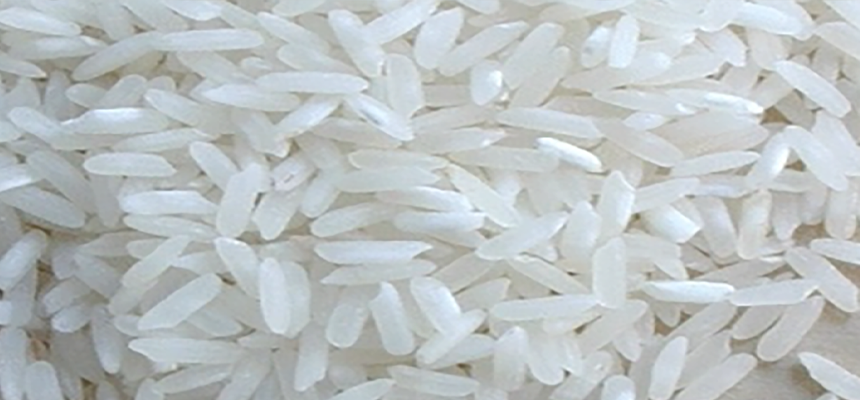
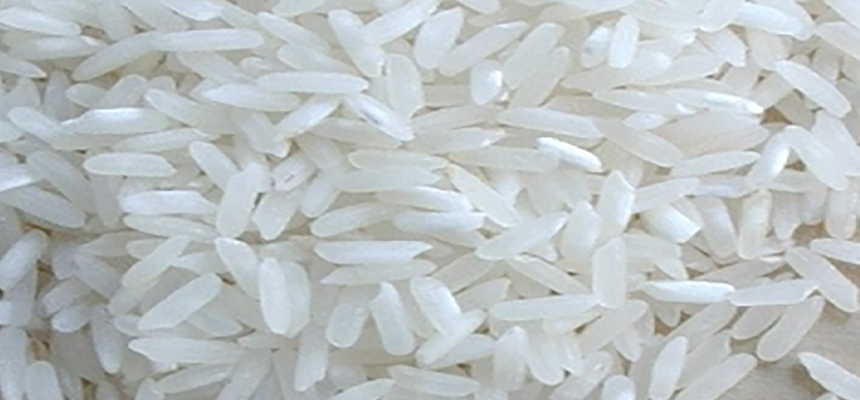
Sushi rice is a short grain Japonica rice. It has a bit more amylose, so when it’s boiled or cooked in a rice cooker it becomes sticky and glossy enough to shape, but each grain stays distinct and tender. It’s the rice in nigiri, maki, onigiri, poke bowls and Japanese everyday meals.
So in the sticky rice vs sushi rice debate, the short answer is this: sticky rice glues together completely, sushi rice holds together but keeps its grains. You can’t swap one for the other without changing the dish.
Sticky Rice vs Sushi Rice Side by Side
| Sticky rice (glutinous) | Sushi rice (Japonica) | |
|---|---|---|
| Other names | Glutinous rice, sweet rice, khao niao, waxy rice | Short grain rice, Japanese rice, Calrose (medium grain cousin) |
| Starch | Almost all amylopectin, close to 0% amylose | Mostly amylopectin, roughly 15% to 20% amylose |
| Raw look | Opaque, chalky white | Translucent, pearly, slightly glossy |
| Grain shape | Short to medium, or long in Thai varieties | Short and round |
| Cooking method | Soak, then steam | Rinse, then boil or rice cooker |
| Cooked texture | Very sticky, chewy, elastic | Sticky, tender, grains distinct |
| Flavour | Mildly sweet | Mild, slightly sweet, takes vinegar well |
| Main uses | Desserts, mochi, zongzi, Thai and Lao meals | Sushi, onigiri, poke, Japanese and Korean meals |
| Gluten | None | None |
Sticky Rice vs Sushi Rice: Why the Starch Matters
Rice starch comes in two forms. Amylose is a straight chain molecule that keeps grains firm and separate. Amylopectin is a branched one that makes them soft and sticky. Long grain rice like jasmine or parboiled has the most amylose, which is why it cooks fluffy.
Sushi rice sits in the middle. It has enough amylopectin to bind when pressed and enough amylose to keep its shape and a little bite. Sticky rice has almost no amylose at all, so once it’s cooked there’s nothing to stop the grains melting into each other. That single difference explains most of what you see in a sticky rice vs sushi rice taste test. If you want the deeper science, the Japanese rice article on Wikipedia and the glutinous rice article are both good reads.
Cooking Sticky Rice vs Sushi Rice
Cooking sticky rice
- Rinse until the water is fairly clear.
- Soak at least 4 hours, overnight is better.
- Drain and steam over boiling water in a bamboo basket or cloth-lined steamer for 20 to 30 minutes, flipping once.
- Keep it covered in a basket or insulated container so it doesn’t dry out.
Boiling sticky rice in a normal pot is possible, but it usually turns gluey. Steaming is the traditional and better way.
Cooking sushi rice
- Rinse gently four or five times until the water is almost clear. This step matters more for sushi rice than almost any other rice.
- Let it rest in the water 20 to 30 minutes, then drain.
- Cook with roughly 1.1 to 1.2 parts water to 1 part rice, in a rice cooker or a heavy covered pot.
- Rest it covered for 10 minutes, then fold in seasoned vinegar (rice vinegar, sugar, salt) while fanning it to cool.
That vinegar step is what turns plain short grain rice into sushi rice in the proper sense. The background is covered well in the sushi article on Wikipedia.
Can You Use Sticky Rice for Sushi?
Short answer: not really. We’ve had restaurant customers try it after a supplier substitution. It’s too sticky to cut cleanly, it smears on the knife, it doesn’t absorb vinegar evenly and it turns hard and chewy as it cools. Rolls fall apart in a different way, they collapse rather than loosen.
Some home cooks blend a small amount of glutinous rice into sushi rice to make it hold better, but it’s not standard and most chefs won’t do it.
Can You Use Sushi Rice for Sticky Rice Dishes?
Also not really. Mango sticky rice made with sushi rice is soft and pleasant, but it won’t have the stretchy, chewy texture people expect. Mochi made with sushi rice won’t pull. Zongzi won’t set. For anything that should be truly sticky, use glutinous rice.
That’s the main practical lesson from the sticky rice vs sushi rice comparison for buyers: if your customers cook both kinds of food, you need to stock both kinds of rice, and you need a supplier who won’t send one when you ordered the other.
The Sticky Rice We Sell
Our Thai glutinous rice is grown in northern and northeastern Thailand and milled for export. It’s bright white, clean and cooks soft and chewy with a light sweetness.
- Thai Glutinous Rice in 5% and 10% broken grades for retail and restaurants.
- Thai Glutinous Rice 25% Broken for food manufacturing, flour milling and desserts.
- Broken glutinous rice for rice flour and processing.
- Black glutinous rice on request for desserts and specialty lines.
Sticky rice specifications
| Parameter | Thai Glutinous Rice 5% / 10% |
|---|---|
| Origin | Thailand |
| Type | White glutinous rice |
| Colour | Opaque white |
| Moisture | 14% maximum |
| Broken grains | 5% or 10% maximum |
| Purity (glutinous) | 95% minimum |
| Damaged grains | 0.5% maximum |
| Red and striped grains | 1% maximum |
| Foreign matter | 0.2% maximum |
| Milling | Well milled, Sortex cleaned |
| Crop | Current crop |
The Sushi Rice We Sell
Our sushi rice is short grain Japonica, round and glossy, cooked tender and sticky enough to shape while each grain keeps its bite. We supply sushi restaurants, Japanese and Korean grocery stores, supermarket sushi counters, ready-meal factories and distributors. For buyers who want a slightly cheaper option for poke bowls or mixed Asian menus, we also offer medium grain and Calrose rice.
Sushi rice specifications
| Parameter | Japonica Sushi Rice |
|---|---|
| Type | Short grain Japonica |
| Grain shape | Short, round, glossy |
| Purity | 95% minimum |
| Moisture | 15% maximum |
| Broken grains | 3% to 5% maximum by grade |
| Chalky and damaged grains | Limited by grade |
| Foreign matter | 0.5% maximum |
| Crop | Current crop |
| Origin | Confirmed on each quotation |
| Shelf life | About 12 months, cool dry storage |
More on Japonica supply in our Japonica rice supplier guide, and on the US restaurant market in sushi rice demand in US restaurants.
Packing Sticky Rice vs Sushi Rice Orders
- Retail: 1 kg, 2 kg and 5 kg printed bags or vacuum packs.
- Food service: 10 kg, 15 kg, 20 kg and 25 kg bags. Many sushi kitchens like 20 kg or 25 kg paper or PP bags.
- Industrial: 25 kg and 50 kg bags for manufacturers and flour mills.
- Branding: your own brand, ours, or neutral. Labels in English, Japanese, Korean, Chinese, Thai and others.
- Mixed loads: sticky rice and sushi rice can share a container, which helps smaller importers.
Bag formats for glutinous rice are covered in glutinous rice 25kg bag wholesale.
Who Should Stock Both
If you’re an Asian grocery wholesaler, you almost certainly need both. Thai, Lao, Vietnamese, Chinese and Filipino shoppers buy sticky rice. Japanese and Korean shoppers buy short grain. Sushi bars need the short grain. Dessert shops need glutinous. A lot of our buyers start with one and add the other once they see the questions coming in.
The same goes for supermarkets building an “Asian rice” shelf. Having sticky rice vs sushi rice clearly labelled side by side cuts down returns and confused customers. A short line on the pack (“for sushi”, “for mango sticky rice”) helps a lot.
7 Proven Tips When Buying Sticky Rice and Sushi Rice
- Cook the sample the right way. Steam the sticky rice after a soak. Boil the sushi rice and season it. Judging either one cooked the wrong way tells you nothing.
- Check purity on glutinous rice. Ordinary rice mixed into sticky rice shows up as grains that don’t stick. Ask for 95% purity or better.
- Ask about crop year on sushi rice. New crop Japonica is sweeter and softer. Older rice needs a little more water and can taste flat.
- Watch moisture. Japonica rice runs a bit higher than long grain. Too high and it can mould in a hot container. Agree the limit.
- Label clearly. Mix-ups between sticky rice vs sushi rice happen more in the warehouse than at the mill. Different bag colours help.
- Combine in one container. If you need modest volumes of each, ship them together.
- Use independent inspection. We arrange SGS or similar at loading. See rice supplier with SGS inspection.
Sticky Rice vs Sushi Rice Price and Shipping
Glutinous rice and Japonica rice are priced differently and both move with the season. We give firm quotes on the day, FOB Thailand or CFR/CIF to your port. Our article on Thai glutinous rice wholesale price explains what drives sticky rice pricing.
Every order ships with the usual export documents, and we can provide analysis or health certificates where your country requires them. Read more in our rice export documents guide.
Where Medium Grain and Calrose Fit In
Between the two sits medium grain rice, including Calrose. It’s a Japonica type with slightly longer grains than true sushi rice. It cooks soft and a little sticky, and plenty of sushi bars outside Japan use it because it’s easier to source and costs less. It is not glutinous, so in a sticky rice vs sushi rice lineup it lands firmly on the sushi side.
For buyers it’s a useful middle option: good for poke bowls, Korean dishes, everyday Japanese meals and budget sushi, less suited to high-end nigiri. See our Calrose rice wholesale notes and the medium grain and Calrose product page.
Sticky Rice vs Sushi Rice Across Asia
The names get confusing because every country has its own word for each, and some words translate oddly into English.
- Thailand and Laos: khao niao is sticky rice. Thai glutinous rice is often a longer grain than other glutinous types but still fully sticky.
- Japan: mochigome is glutinous rice, used for mochi and sekihan. Uruchimai is ordinary short grain, the base of sushi rice.
- Korea: chapssal is glutinous rice, used for tteok and some porridges. Mepssal is regular short grain, used for bap and kimbap.
- China: nuomi is glutinous rice, used in zongzi, lo mai gai and tangyuan flour.
- Philippines: malagkit is glutinous rice, used in biko, suman and champorado.
So when a Japanese restaurant asks for “sticky rice”, they usually mean short grain sushi rice. When a Thai restaurant asks, they mean glutinous rice. That one misunderstanding causes a lot of the sticky rice vs sushi rice mix-ups we hear about from new importers.
Sticky Rice vs Sushi Rice for Restaurant Menus
If you’re a restaurant group or a distributor supplying one, it helps to map menu items to the right rice.
| Dish | Rice to use |
|---|---|
| Nigiri, maki, temaki, chirashi | Sushi rice |
| Onigiri, Japanese set meals | Sushi rice or medium grain |
| Poke bowls | Sushi rice or Calrose |
| Kimbap, bibimbap | Short or medium grain |
| Mango sticky rice | Glutinous rice |
| Isan and Lao meals (eaten by hand) | Glutinous rice |
| Mochi, daifuku, tteok | Glutinous rice or glutinous rice flour |
| Zongzi, lo mai gai | Glutinous rice |
| Rice pudding desserts | Glutinous rice |
Pan-Asian restaurants usually need both, which is why so many of our food service buyers order sticky rice vs sushi rice as a pair on the same purchase order.
Nutrition: Is One Healthier?
Not really, in plain white form. Both are polished white rice with similar calories per cooked cup. Sticky rice tends to digest a little faster because amylopectin breaks down quickly, so it’s often said to have a higher glycaemic index. Sushi rice in sushi form has added sugar and salt from the vinegar seasoning.
If health is the selling point, whole grain versions are the way to go: brown short grain rice on the sushi side, and black glutinous rice on the sticky side. We don’t make medical claims, but customers who want more fibre generally go that route.
Storage Differences
This is an area where sticky rice vs sushi rice really do behave differently, and it affects how you handle stock.
Sticky rice stores well dry. Cooked, it goes hard within a few hours at room temperature and doesn’t refrigerate well. Re-steaming brings it back. Kitchens usually cook it in batches through the day.
Sushi rice is more sensitive in storage before cooking. Japonica rice loses aroma and sweetness faster than long grain, so buyers care a lot about crop year and milling date. Cooked sushi rice is meant to be used the same day at room temperature and shouldn’t be refrigerated before use.
For both, keep the bags cool, dry and off the floor. Japonica in particular benefits from climate-controlled storage in hot countries.
Labelling for Retail Shelves
If you’re packing for supermarkets or Asian grocery stores, clear labels save a lot of confusion. What works:
- Put the use on the front: “for sushi” or “for sticky rice desserts”.
- Use the familiar local name too: khao niao, mochigome, malagkit, nuomi, sushi rice.
- Give short cooking instructions on the back, especially the soaking step for glutinous rice.
- Use clearly different bag colours or designs for the two products.
We can print bilingual or multilingual bags, and we’ll help you lay out the text so the sticky rice vs sushi rice difference is obvious at a glance on the shelf.
A Quick Way to Tell Them Apart Raw
If you’re in a warehouse and a bag has lost its label, this works most of the time:
- Look at the grain. Glutinous rice is opaque, chalky, snow white. Sushi rice is translucent and pearly.
- Try the iodine test. A drop of iodine solution turns ordinary rice dark blue-black. Glutinous rice turns reddish brown, because it has almost no amylose.
- Cook a spoonful. If it fuses into one chewy lump, it’s sticky rice. If the grains stay distinct, it’s sushi rice.
It’s a simple check, and it settles almost any sticky rice vs sushi rice argument in a few minutes.
Why Buy Both From One Supplier
There are practical reasons. One contract, one set of documents and one shipping line cut admin. Mixed containers reduce freight cost per kilo for modest volumes. And a single supplier who understands both products is less likely to send the wrong one. We handle sticky rice vs sushi rice orders together all the time for Asian grocery wholesalers, restaurant distributors and supermarket buyers.
Frequently Asked Questions
Is sticky rice the same as sushi rice?
No. Sticky rice is glutinous rice with almost no amylose. Sushi rice is short grain Japonica with some amylose. They cook and taste differently.
Which is stickier, sticky rice or sushi rice?
Sticky rice, by a long way. In any sticky rice vs sushi rice test, the glutinous rice fuses into one mass while the sushi rice keeps separate grains.
Is either one gluten free?
Both are naturally gluten-free.
Is sweet rice the same as sticky rice?
Yes. Sweet rice, glutinous rice and sticky rice are the same thing. See our sweet rice wholesale page.
Can you supply both in one order?
Yes. Mixed containers are common with our Asian grocery buyers.
Do you ship worldwide?
Yes, to Asia, Europe, the Americas, the Middle East, Africa and Oceania.
Which costs more, sticky rice or sushi rice?
It depends on the season and the grade. Japonica sushi rice is often priced higher than Thai glutinous rice, mainly because of where it’s grown and the freshness buyers demand. We quote both on the day.
Can I use sticky rice vs sushi rice interchangeably in onigiri?
Not really. Onigiri made with glutinous rice gets very chewy and hard once it cools. Sushi rice or medium grain is the right choice for onigiri.
Why does my sticky rice turn out hard?
Usually it wasn’t soaked long enough, or it was left uncovered after steaming. Soak longer and keep it covered in a basket or warm container.
Why does my sushi rice turn mushy?
Too much water, not enough rinsing, or old rice cooked with a new crop ratio. Rinse well and adjust water a little at a time.
What’s the simplest way to explain sticky rice vs sushi rice to shop customers?
Sticky rice is for Thai desserts and eating by hand, and you steam it after soaking. Sushi rice is for sushi and Japanese meals, and you boil it like normal rice. That one line on a shelf card answers most questions.
Do you supply glutinous rice flour as well?
We can arrange broken glutinous rice for flour milling, and glutinous rice flour on request. Ask us about volumes.
Is Thai glutinous rice different from Japanese mochigome?
Both are fully glutinous. Thai grains are usually a bit longer and slimmer, and mochigome is short and round. For most desserts and steamed dishes, Thai glutinous rice works well, and it’s a popular, cost-effective choice for mochi producers outside Japan.
Can I order samples of both to compare sticky rice vs sushi rice myself?
Yes. We’ll courier samples of both so you can cook them side by side. It’s the quickest way to see the difference and to show it to your own customers.
Is there a version that’s in between?
Medium grain and Calrose are the closest thing to a middle ground, though they’re still on the sushi side of the sticky rice vs sushi rice divide, not glutinous.
Get a Price for Sticky Rice and Sushi Rice
Now the sticky rice vs sushi rice question is settled, the practical step is getting the right grades into your warehouse. Tell us which rice, which grade, bag size, quantity and port. We’ll send prices, spec sheets and sample options, usually within one working day.
Email info@dethairice.com, WhatsApp +66 81 034 6390, or use our contact page. You can also see all our rice or read our glutinous rice vs jasmine rice comparison.