


Thai rice vs Vietnamese rice is a comparison almost every importer makes at some point. The two countries sit next to each other on the world rice market, they sell a lot of the same kinds of rice, and the price gap between them changes from week to week. So which one should you buy?
We’re a Thai rice exporter, so we’ll be upfront: we sell Thai rice, and we think it’s the better choice for a lot of buyers. But we also know Vietnam grows good rice, and there are times when it makes sense. This guide lays out the real differences as fairly as we can, so you can decide for yourself. Along the way we’ll show you exactly what we sell and the specs you get.
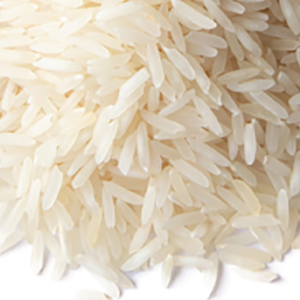
Table of Contents
Why Thai Rice vs Vietnamese Rice Matters
Thailand, Vietnam and India together sell most of the rice traded across borders every year. India is the big volume player at the cheap end. Thailand and Vietnam compete harder with each other, because they both sell long grain white rice, fragrant rice and sticky rice into the same markets in Asia, Africa, the Middle East and beyond.
If you’re an importer, the Thai rice vs Vietnamese rice choice affects your margin, what your customers think of your brand, and how reliable your supply is. Getting Thai rice vs Vietnamese rice right is worth the effort.
If you want the big picture of each country’s rice sector, Wikipedia has decent overviews of rice production in Thailand and rice production in Vietnam.
The 9 Real Differences
1. Fragrant rice: Hom Mali vs Vietnamese jasmine
This is the biggest difference in the Thai rice vs Vietnamese rice debate. Thailand’s top fragrant rice is Hom Mali, grown in the northeast from KDML 105 and RD15 paddy. It has a strong, natural smell, a soft texture and a long history as a premium product. It’s protected by Thai government standards, and genuine Hom Mali has to meet a minimum purity.
Vietnam has good fragrant rice too. ST25 has won awards, and Vietnamese jasmine sells well. But on most export markets, Thai Hom Mali is still the name buyers and shoppers trust at the top. That’s why it costs more.
Our Thai Hom Mali rice specs:
- Variety: KDML 105 and RD15
- Purity: 92% to 100% Hom Mali, depending on grade
- Broken grains: 4% to 5% maximum
- Moisture: 14% maximum
- Crop: current season, from the northeast
- Packing: 1kg to 50kg, private label available
We also sell a mid-priced Thai jasmine rice (Pathumthani fragrant) that competes directly with Vietnamese jasmine on price while keeping the Thai name on the bag.
2. Price
On price alone, Thai rice vs Vietnamese rice usually goes Vietnam’s way. In mid-September 2026, Vietnamese 5% broken white rice was trading roughly $40 to $60 a ton below Thai 5% broken, and Vietnamese jasmine was far below Thai Hom Mali.
That gap is real, and for price-driven markets it matters. But price per ton isn’t the whole story. You have to look at what you’re getting, how consistent it is and what your customers will pay for it. A lot of our buyers pay more for Thai rice because they sell it for more.
| Grade (FOB, mid-Sept 2026, approx.) | Thailand | Vietnam |
|---|---|---|
| White rice 5% broken | $476 to $480 | $422 to $426 |
| White rice 25% broken | $433 to $437 | $403 to $407 |
| Premium fragrant | Hom Mali 92%: $1,122 to $1,126 | Jasmine: $521 to $525 |
| Parboiled | 100% sortexed: $485 to $489 | very limited supply |
These numbers move. Ask us for a current quote before you compare Thai rice vs Vietnamese rice on price.
3. Parboiled rice
This is the easiest part of the Thai rice vs Vietnamese rice comparison. Thailand is one of the world’s main sources of parboiled rice. Vietnam makes very little. If your market eats parboiled rice, and much of Africa and the Middle East does, Thai rice is usually the practical answer.
Our parboiled line:
- Thai parboiled rice 5% broken, 100% sortexed
- Thai parboiled rice 15% broken
- Thai parboiled rice 25% broken
- Thai parboiled rice 100% broken (A1 Super)
We’ve written a lot about this. Start with parboiled rice vs white rice and golden sella vs white sella parboiled rice.
4. Long grain white rice
Both countries sell a lot of white rice. The Thai rice vs Vietnamese rice difference here is more about grain and cooking than about quality.
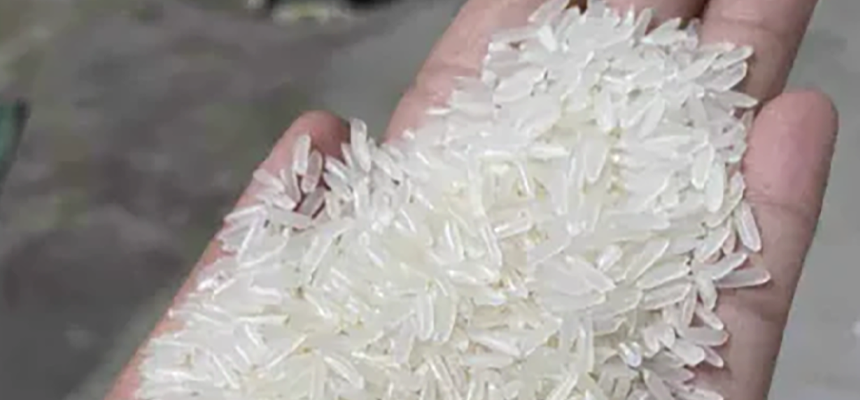
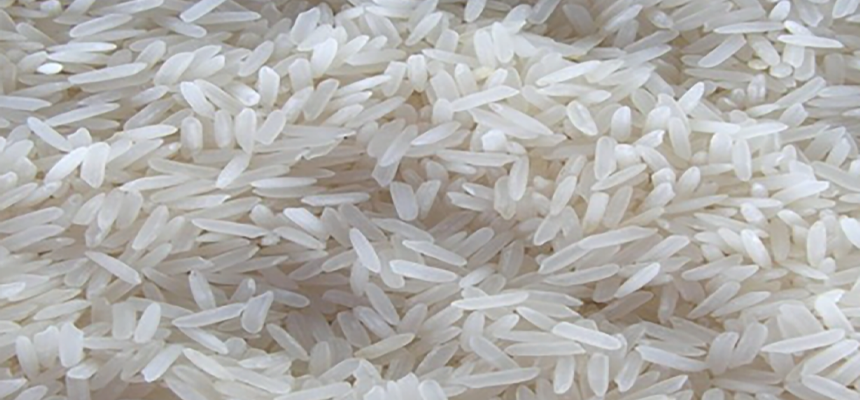
Thai long grain white rice tends to be longer and slimmer, and it cooks up drier and more separate. Many Vietnamese white rice varieties cook softer and a little stickier. Neither is better. It depends on what your market likes. West African buyers often want dry, separate grains. Some Asian markets like softer rice.
Our white rice grades:
| Grade | Broken max | Moisture max | Purity min |
|---|---|---|---|
| Thai white rice 100% sortexed | near zero | 14% | 95% |
| White rice 5% broken | 5% | 12 to 14% | 95% |
| Thai white rice 10% broken | 10% | 14% | 95% |
| White rice 25% broken | 25% | 14% | 95% |
| Thai white rice 100% broken | 100% | 14% | n/a |
5. Sticky rice
On sticky rice, Thai rice vs Vietnamese rice is closer than you might think. Both countries grow glutinous rice. Thai sticky rice is the table rice of northern and northeastern Thailand, and it’s what most Thai restaurants abroad want for mango sticky rice and Lao and Isaan dishes. Vietnamese glutinous rice is common in Chinese markets and some Southeast Asian markets.
We sell Thai glutinous rice at 5% and 25% broken. If you’re weighing sticky rice against fragrant rice for a menu or a shelf, see our guide on glutinous rice vs jasmine rice.
6. Consistency from one shipment to the next
This is the part buyers don’t always think about until something goes wrong. When you sell rice under your own brand, your customers expect the same rice every time. If one container cooks soft and the next cooks hard, you lose them.
Thai exporters work to a set of national grading standards that the trade has used for decades. Grades like “5% broken” or “Hom Mali 92%” mean something specific. Vietnam has standards too, and many Vietnamese mills are excellent, but the variety mix in some Vietnamese white rice can change more between seasons. That’s why, in the Thai rice vs Vietnamese rice question, many long-term importers pick Thailand for their main brand and use Vietnam as a second source.
Our rice standard and quality control pages explain how we check every batch.
7. Reputation on the shelf
“Thai rice” on a bag carries weight in a lot of countries. Shoppers in the Middle East, Africa, Europe and North America know it. That’s worth money. Many supermarkets will pay more for Thai rice because they can sell it for more.
Vietnamese rice has been building its own name, especially with ST25, and it’s growing. But for now, the Thai name still sells more easily in most markets we ship to.
8. Supply and logistics
On logistics, Thai rice vs Vietnamese rice is fairly even. Both countries have good ports. Thai rice mostly ships from Bangkok and Laem Chabang. Vietnamese rice mostly ships from Ho Chi Minh City. Sailing times to most markets are similar.
Where the difference shows up is in how easy it is to get mixed containers and special packing. Thai mills, us included, are used to loading several grades in one box and printing custom bags. That makes Thai rice easier for smaller importers who want to test several lines at once.
For the physical side of loading, see how many tons of rice fit in a 20ft container.
9. Paperwork and trust
Both countries issue the usual export papers: phytosanitary certificates, certificates of origin, fumigation certificates and so on. Thai Hom Mali shipments can also carry government certification of the grade from the Department of Foreign Trade. This gives buyers extra confidence that the fragrant rice they’re paying for is the real thing.
We’ve written a full guide on rice export documents if you want to know what should come with every container.
Thai Rice vs Vietnamese Rice at a Glance
| Point | Thai rice | Vietnamese rice |
|---|---|---|
| Premium fragrant | Hom Mali, strongest name | ST25 and jasmine, growing |
| Mid fragrant | Pathumthani jasmine | Vietnamese jasmine, cheaper |
| White rice | long, dry, separate | often softer |
| Parboiled | large supply | very little |
| Sticky rice | yes | yes |
| Price | higher | usually lower |
| Consistency | very steady grades | good, can vary by season |
| Shelf appeal | strong “Thai rice” name | improving |
| Mixed containers | easy | possible |
When Vietnamese Rice Might Suit You
We’d be lying if we said Thai rice always wins the Thai rice vs Vietnamese rice contest. Here are the times Vietnamese rice can make sense:
- Your market buys on price alone and doesn’t care about origin.
- Your customers like softer white rice.
- You’re buying for aid programmes or institutions where the lowest cost per ton is the main rule.
In those cases the Thai rice vs Vietnamese rice price gap can be hard to ignore.
When Thai Rice Is the Better Buy
- You want premium fragrant rice, and your customers know the Hom Mali name.
- You need parboiled rice.
- You’re building your own brand and need the same rice every shipment.
- You want mixed containers or custom retail packing.
- Your market pays more for “Thai rice” on the bag.
For most of our buyers, one or more of these applies, and that settles Thai rice vs Vietnamese rice for them. That’s why they keep coming back.
Three Typical Buyer Situations
These are the situations where we see the Thai rice vs Vietnamese rice question come up most. See if one sounds like you.
The fragrant rice distributor. You sell jasmine rice to restaurants and shops. You’re tempted by a cheaper Vietnamese jasmine to lift your margin. The risk is that your restaurant customers notice the change in smell and texture within a few weeks, and some of them go elsewhere. If your customers chose you for Thai jasmine, a switch can cost you more than it saves. A middle path is our Pathumthani jasmine, which keeps the Thai name at a lower price than Hom Mali.
The parboiled importer. Your market eats parboiled rice. Here the Thai rice vs Vietnamese rice choice is almost made for you, because Vietnam has very little parboiled rice to sell. You can also put white rice and parboiled in the same container from us, which helps if you serve both kinds of customer.
The supermarket buyer. You want your own brand on the shelf. The words “Thai Hom Mali” on the pack can be worth more than the price difference per ton, because shoppers look for them. You also need the same rice every time, or complaints start. For this buyer, Thai rice is usually the safer bet.
Cooking Side by Side
If you cook Thai rice vs Vietnamese rice in the same kitchen on the same day, a few differences stand out.
Thai Hom Mali has the strongest smell of the lot. You notice it as soon as the lid comes off. The grains are soft and a little clingy but still hold their shape. Thai Pathumthani jasmine smells a bit lighter and cooks just as soft. Thai long grain white rice cooks drier, with separate grains that suit rice dishes where each grain should stand alone, like jollof, biryani-style dishes and fried rice.
Vietnamese jasmine is pleasant and soft but, to most noses, has a milder smell than Thai Hom Mali. Many Vietnamese white rice varieties cook softer and stickier than Thai white rice. That’s great for some markets and wrong for others.
The best test is your own. Cook both, leave them for a couple of hours, then taste again. Rice that goes hard or loses its smell quickly will cause complaints.
Aroma and Age
Fragrant rice loses some of its smell as it ages. This matters in the Thai rice vs Vietnamese rice comparison because an old crop of good rice can smell weaker than a new crop of average rice.
When you compare, always ask for the crop year. We sell current season rice and put the crop year on the contract. If a supplier won’t tell you the crop year, that’s worth noting.
Storage matters too. Keep fragrant rice cool and dry, away from strong smells, and sell it within its shelf life. Our Hom Mali and jasmine hold their smell best when stored this way.
Milling and Sorting
Good rice can be ruined by poor milling. At our mill in central Thailand we clean, husk, polish, grade and colour-sort every batch. Colour sorting (sortexing) takes out yellow, chalky and damaged grains, so what goes into the bag looks clean and even. Our capacity is over 5,000 metric tons, so we can handle large orders without cutting corners.
Vietnamese mills have invested heavily in the same kind of machinery, and the best ones produce excellent rice. So when you weigh Thai rice vs Vietnamese rice, look at the specific mill, not just the country. Ask for photos of the line, a sample from the actual lot, and an inspection report.
Food Safety and Standards
Both countries export to strict markets like Japan, the EU and the United States, so both can meet high standards. What you want to check is that your supplier tests for moisture, foreign matter, pesticide residues and aflatoxin where your market requires it, and that they’ll put it in writing.
International food rules are set by the Codex Alimentarius, and most importing countries build on them. We test to these standards and to the buyer’s own spec if it’s tighter.
The Delivered Cost, Not Just FOB
When you set Thai rice vs Vietnamese rice side by side on a spreadsheet, it’s easy to look only at FOB. But the number that matters is what the rice costs you landed at your warehouse. That includes:
- The FOB price per ton
- Sea freight to your port
- Insurance
- Import duty and taxes in your country
- Port charges and clearing
- Trucking to your warehouse
- Any losses from broken bags or quality claims
A $50 gap at FOB can shrink once everything else is added. And if cheaper rice leads to more claims or slower sales, it can disappear altogether.
How We Help You Compare Fairly
If you’re weighing Thai rice vs Vietnamese rice, the best thing you can do is cook both. We’ll send you samples of whatever Thai grades you’re thinking about. Cook them side by side with what you’re buying now. Look at the grain, smell it, taste it, and see how it holds up after a few hours in a pot.
Then compare the delivered price, not just FOB. Add freight, insurance and any duties. Sometimes the gap is smaller than it looks on paper.
We’re also happy to put your first order in a mixed container so you can test a few grades without much risk. Our guide on how to import rice from Thailand walks through the whole process step by step.
Thai Rice vs Vietnamese Rice by Region
Different regions lean different ways. This is a rough guide from what we see in our own orders.
Middle East. Big market for Thai Hom Mali and Thai parboiled rice. In the Thai rice vs Vietnamese rice choice, the Gulf tends to favour Thai fragrant rice for hotels, restaurants and supermarkets.
West and Central Africa. Large buyers of parboiled and long grain white rice, plus 100% broken rice for price-sensitive trade. Thai parboiled is strong here. Vietnam competes on cheaper white rice.
East and Southern Africa. Mixed demand. Thai white rice and parboiled both sell, and so does fragrant rice in cities.
Asia. Hong Kong, Singapore and Malaysia buy a lot of Thai Hom Mali. The Philippines buys large volumes of white rice and often looks at Vietnam first on price. China buys both, including sticky rice.
Europe and the UK. Thai Hom Mali and Thai jasmine are well known on supermarket shelves, and organic jasmine is growing.
North America and Oceania. Thai Hom Mali is the fragrant rice most shoppers recognise. Asian grocers also stock Vietnamese brands.
So when you think about Thai rice vs Vietnamese rice, think about what your region already buys and what your customers already trust.
Our Recommendation
If you’re still unsure after reading all this, here’s the short version of how we’d approach Thai rice vs Vietnamese rice if we were in your shoes. Use Thai rice for anything fragrant, anything parboiled and anything sold under your own brand. Look at the lowest-cost option, from wherever, only for price-driven bulk white rice where origin doesn’t matter to your buyers. And whatever you do, cook samples before you sign.
Thai Rice for Every Market
We ship Thai rice worldwide. Our buyers are in Asia, the Middle East, Africa, Europe, the Americas and Oceania. Some take one container a year, some take ten a month. We’ve been doing this since 1980 and we’ve been recognised with an export award by Thailand’s Ministry of Commerce. See our achievements page and our brands.
If you want to follow Thai export prices yourself, the Thai Rice Exporters Association publishes weekly reference quotes.
Common Questions About Thai Rice vs Vietnamese Rice
Is Thai rice better than Vietnamese rice?
It depends on the grade and your market. For premium fragrant rice and parboiled rice, Thai rice is usually the stronger choice. For the cheapest white rice, Vietnam is often lower.
Why is Thai rice more expensive?
A stronger baht, higher farm costs, a premium for the Hom Mali name, and steady quality. Buyers pay for consistency.
Is Vietnamese jasmine the same as Thai jasmine?
No. They’re different varieties grown in different places. The smell and texture are different, and so is the price.
Can I mix Thai and Vietnamese rice?
Some repackers blend, but if you’re selling “Thai rice” it must be Thai. We only sell 100% Thai-grown rice.
Which is better for parboiled rice?
Thailand, by a long way. Vietnam produces very little parboiled rice for export.
How do I start buying Thai rice?
Send us the grade, quantity, packing and port. We’ll quote within a day or two and send samples.
Ready to Try Thai Rice?
Thai rice vs Vietnamese rice doesn’t have to be a guess. Tell us what you sell now and where it goes, and we’ll suggest the Thai grades that fit, send samples, and give you a clear delivered price. Or take a look at all our rice products first.
5 thoughts on “Thai Rice vs Vietnamese Rice: 9 Honest Differences”