


We sell Riceberry rice wholesale direct from Thailand: whole grain, deep purple Thai Riceberry, new crop, sortexed, in 500g and 1kg vacuum packs, 5kg to 25kg bags and 50 lb bags, shipped worldwide by the container. If you supply health food stores, supermarkets, restaurants or food brands, this page covers what you’d be buying and how to order it.
We’ll explain what Riceberry is, the specs we ship to, packing and shelf life, how it cooks, what buyers use it for, and how ordering Riceberry rice wholesale from us works from sample to loading.
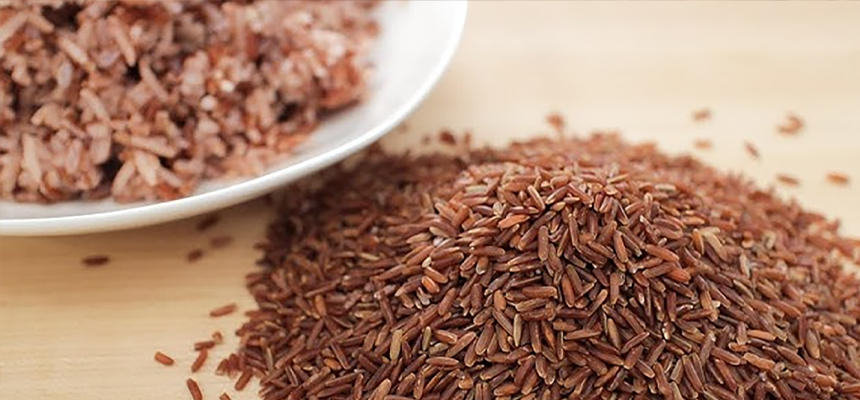
Table of Contents
Riceberry Rice Wholesale: What We Supply
| Parameter | Our standard spec |
|---|---|
| Product | Thai Riceberry rice |
| Type | Whole grain, husk removed, bran layer intact |
| Colour | Deep purple to black |
| Broken grains | 5% maximum |
| Moisture | 14% maximum |
| Paddy grains | 5 per kg maximum |
| Admixture of other varieties | 2% maximum |
| Damaged grains | 1% maximum |
| Foreign matter | 0.1% maximum |
| Sorting | 100% sortexed |
| Crop | New crop |
| Packing | 500g and 1kg vacuum, 5kg to 25kg bags, 50 lb bags, private label |
| GMO | Not detected, lab report per lot |
Riceberry is a whole grain rice, so like brown rice it keeps its bran. The colour comes from that bran layer. Every lot of Riceberry rice wholesale we ship is colour sorted and lab tested before it’s packed.
What Is Riceberry Rice?
Riceberry is a Thai rice variety with a dark purple grain. It was developed in Thailand by conventional breeding, crossing Thai Hom Mali (KDML 105) with a Thai black rice, and released in the early 2000s. The aim was a rice with the softness and gentle fragrance of jasmine rice and the colour and nutrients of black rice.
It worked. Riceberry cooks softer than most black rice, has a mild sweet and nutty taste, and turns a deep purple colour that looks striking on a plate. It’s now one of the best known speciality rices from Thailand. For background on the variety, see the Riceberry article on Wikipedia.
The purple colour comes from natural pigments called anthocyanins, the same family of pigments found in blueberries and purple grapes. The anthocyanin article on Wikipedia explains what they are.
Why Buyers Want Riceberry Rice Wholesale
Riceberry rice wholesale sells for different reasons to different buyers:
- Health and whole grain. Shoppers looking for whole grain, colourful foods pick it up for the health image.
- Colour. Restaurants and food brands use it because it looks dramatic in bowls, sushi, desserts and drinks.
- Taste and texture. It’s softer and more pleasant to eat than many black rices, so people come back for it.
- Thai origin. It’s a Thai variety with a Thai name, which helps it stand out on the shelf.
- Margin. It’s a premium product with a premium shelf price.
Many buyers take Riceberry rice wholesale alongside other whole grain rice. Our guides on Thai brown jasmine rice wholesale and Thai red cargo rice wholesale cover the other two most popular options.
Riceberry and Nutrition
Riceberry has a reputation as a healthy rice, and it’s a big part of why buyers ask for Riceberry rice wholesale. It’s a whole grain, so it keeps the fibre, minerals and natural oils in the bran. The purple colour comes from anthocyanins, which are antioxidant pigments.
That said, we’re a rice mill, not a nutrition lab. If you want to print nutrition values or specific health claims on your packs, have the rice tested by an accredited lab in your market and check what your local food rules allow. Simple, accurate messages like “whole grain”, “Thai purple rice” and “naturally purple” are safe in most markets and sell well on their own.
Riceberry vs Other Whole Grain Rice
| Riceberry | Brown jasmine rice | Red cargo rice | |
|---|---|---|---|
| Colour | Deep purple | Light brown | Red-brown |
| Taste | Mild, sweet, nutty | Fragrant, nutty | Earthy, nutty |
| Texture | Soft, slightly chewy | Chewy | Firm, chewy |
| Cooking time | About 30 to 40 minutes | About 35 to 45 minutes | About 35 to 45 minutes |
| Best for | Health ranges, colourful dishes, desserts | Everyday whole grain rice | Health ranges, mixed grain blends |
| Price | Highest | High | Medium to high |
For a full product page on red rice, see our Thai red cargo rice. For white jasmine, see Thai Hom Mali rice.
Where Our Riceberry Comes From
Riceberry is grown in several provinces of northern and northeastern Thailand. We buy paddy from farmers and groups who grow it as a dedicated crop, because keeping the variety pure matters. A few stray white grains in a bag of purple rice are very visible to shoppers.
At the mill, Riceberry is dehusked and sorted on its own run, separate from white rice, and the line is cleaned before and after. That’s how we hold the admixture limit on the spec. The Thai Rice Department oversees rice variety and seed programmes in Thailand, which is part of why Thai speciality varieties like Riceberry stay consistent.
Packing and Shelf Life
Like all whole grain rice, Riceberry keeps its bran oils, so it doesn’t last as long as white rice and needs good packing. As a Riceberry rice wholesale supplier, here’s how we pack it:
| Pack | Best for | Typical shelf life |
|---|---|---|
| 500g vacuum brick | Supermarkets, health shops, gift ranges | Up to 12 months or more |
| 1kg vacuum brick | Supermarkets and health shops | Up to 12 months or more |
| 1kg to 5kg laminated bag | Grocers and supermarkets | About 9 to 12 months |
| 10kg and 25kg bags with liner | Restaurants, repackers, food manufacturers | About 9 to 12 months |
| 50 lb bags | Food service buyers who buy in pounds | About 9 to 12 months |
Shelf life depends a lot on storage. Cool and dry is best. In hot warehouses, plan to sell it faster. We pack Riceberry close to shipment, so most of its shelf life is still there when it reaches you.
Private label is available on all packs. The first order needs printing cylinders made, which adds a couple of weeks. Our post on private label Thai Hom Mali rice shows the bag options and process.
How to Cook Riceberry Rice
Cooking instructions matter when you sell Riceberry rice wholesale, because many customers will be cooking it for the first time.
- Rinse the rice gently. The water will turn purple, which is normal.
- Soak for 30 minutes to an hour for a softer grain. It’s optional but helps.
- Use about 1 cup rice to 2 cups water.
- Bring to the boil, cover, and simmer gently for 30 to 40 minutes.
- Turn off the heat and rest for 10 minutes, covered.
In a rice cooker, use the brown rice setting. Riceberry can also be mixed with white jasmine rice, for example one part Riceberry to two or three parts white, which gives a purple-tinted rice that cooks in a normal cycle. Many households and restaurants cook it this way.
What Buyers Use Riceberry For
- Supermarket and health food ranges. Usually in 500g or 1kg vacuum packs.
- Restaurants and cafes. Rice bowls, salads, sushi, poke and side dishes where colour matters.
- Mixed grain blends. Combined with white jasmine, brown rice or red rice for blended rice products.
- Food manufacturing. Riceberry flour, crackers, snacks, cereals, noodles and drinks.
- Desserts and bakery. Purple rice puddings, cakes, ice cream and sweets.
If you’re a food manufacturer, our page on rice supplier for food manufacturers covers specs and packing for factory use. Retail buyers can see rice supplier for supermarkets.
Blended Riceberry Products
Not every shopper wants a bag of pure purple rice. Blends are an easy way to bring Riceberry to more people, and we pack them as part of our Riceberry rice wholesale range:
- Riceberry and Hom Mali. The most popular blend. Cooks in a normal rice cycle and comes out a soft lavender colour.
- Riceberry and brown jasmine. A whole grain blend for health ranges.
- Three-colour rice. Riceberry, red cargo and brown jasmine together, sold as a mixed whole grain rice.
Blends are mixed to the ratio you choose and checked for even distribution before packing. They’re a good way to test demand before committing to a full range of pure Riceberry.
Quality Control on Every Lot
Our checks on Riceberry rice wholesale lots:
- Paddy is checked for variety, moisture and purity when it arrives.
- The rice is cleaned and destoned before dehusking.
- Paddy separators remove grains still in the husk.
- Optical colour sorters remove white grains, damaged grains and foreign matter.
- Our lab tests moisture, broken grains, paddy count, admixture and foreign matter.
- A non-GMO lab test is run on each lot.
- Bags are filled, sealed and marked with the lot number and packing date.
An independent surveyor can sample and inspect at loading if you’d like third-party confirmation. More about our setup is on our quality control page.
Documents and Certificates
Every shipment of Riceberry rice wholesale includes:
- Certificate of analysis for the lot
- Non-GMO lab test report (see our page on being a non GMO Thai rice supplier)
- Commercial invoice and packing list
- Bill of lading
- Certificate of origin
- Phytosanitary certificate
- Fumigation certificate
- Halal certificate on request
- Independent inspection certificate on request
Our post on rice export documents explains what each document is for.
Selling Riceberry in Shops
Riceberry sells best when shoppers can see it and know what to do with it. What tends to work for retailers who buy Riceberry rice wholesale:
- Show the grain. Vacuum bricks and windowed bags let the purple colour sell itself.
- Place it in the whole grain or health section, next to brown rice and red rice, not hidden among white rice.
- Use small packs. 500g and 1kg packs are an easier first purchase than a 5kg bag.
- Add recipe ideas. A simple serving suggestion, like mixing with white jasmine rice, helps first-time buyers.
- Sample in store. Cooked Riceberry tastes good, and tasting sells it faster than any label.
Stocked next to brown jasmine and red cargo rice, the three tend to support each other on the shelf.
Riceberry in Restaurants and Food Service
Chefs like Riceberry because it adds colour and texture without being hard to eat. Some ways kitchens use it:
- Rice bowls and poke. As a base or mixed half and half with white rice.
- Sushi. Purple sushi rice made with a blend of Riceberry and short or medium grain rice.
- Salads. Cooked and cooled Riceberry holds its shape well in grain salads.
- Desserts. Riceberry pudding, sticky rice desserts and ice cream.
- Drinks. Some cafes make Riceberry milk or smoothies.
Food service buyers usually take Riceberry rice wholesale in 10kg or 25kg bags with liners, or 50 lb bags in markets that buy in pounds. Our post on bulk jasmine rice for restaurants covers kitchen buying more generally.
How an Order Works
- Enquiry. You tell us the pack, quantity, plain or private label, and your port.
- Samples. We courier samples so you can cook and check them.
- Offer. We send a dated price per metric ton, FOB or delivered.
- Artwork. For private label, we agree the design and send a proof.
- Contract and payment. Usually a deposit with the balance against documents, or a letter of credit.
- Milling and packing. We dehusk, sort and pack close to the loading date.
- Inspection and loading. A surveyor can sample at loading. The container is fumigated and sealed.
- Documents. You get the full set of papers to clear the rice at your port.
Most orders of Riceberry rice wholesale load within 15 to 30 days of the contract, depending on stock and packing.
Labelling Riceberry for Your Market
If you’re packing Riceberry under your own brand, a few things to think about:
- The name. “Riceberry rice” or “Thai Riceberry rice” is how most markets know it. Some brands add “purple rice” for shoppers who haven’t heard of it.
- Health claims. Many markets regulate health and nutrition claims closely. If you want to print nutrition values or health claims, test the rice through an accredited lab and check your local rules first.
- Cooking instructions. Include them, because longer cooking time is the main thing that puts first-time buyers off.
- Origin. “Product of Thailand” is a selling point. Put it on the front.
We print in many languages and can share examples of bags we’ve printed for other markets.
Riceberry for Food Manufacturers
Factories buy Riceberry rice wholesale for Riceberry flour, crackers, snacks, cereals, noodles, drinks and desserts. The colour carries through into finished products, which is a big part of the appeal.
For manufacturing, the main things to agree are moisture, paddy count, admixture of white grains and packing. Most factories take 25kg bags with liners or jumbo bags. We supply a certificate of analysis and non-GMO report per lot, and can work to your own spec if you have one. If you’re developing a new product, we’ll send samples for your R&D team to test first.
Price and Minimum Order
Riceberry rice wholesale is a speciality product and is priced higher per ton than white rice, brown jasmine or red rice. Prices move with the crop, which is smaller than mainstream Thai rice, so it’s worth planning orders ahead. We send dated offers FOB Bangkok or delivered CFR or CIF to your port. Our guide to FOB vs CIF rice price explains the terms.
Our minimum order is one 20 foot container. That container can mix Riceberry with white Hom Mali, brown jasmine, red cargo or any other rice, so you can start with a few tons of Riceberry rice wholesale without committing to a full container of it. We ask for around 5 tons per product in a mixed load. See our post on the Thai rice minimum order quantity.
Markets That Buy Riceberry
We ship Riceberry rice wholesale worldwide. The markets that take the most:
- East and Southeast Asia. Health-conscious city shoppers, cafes and dessert shops, often in vacuum packs.
- North America. Natural food stores, Asian grocers and health-focused brands.
- Europe. Health shops, organic and speciality grocers, and restaurants with whole grain menus.
- The Middle East. Premium supermarkets and hotel restaurants.
- Australia and New Zealand. Supermarkets and health food stores.
In most of these, Riceberry is still a growing category rather than a staple, so retailers tend to start small and add packs as sales build. A mixed container lets you do that without carrying too much stock.
Why Buy Riceberry From a Thai Mill
Riceberry is grown in smaller volumes than mainstream rice, and a lot of it moves through traders who buy from several mills. That can mean older stock, mixed lots and no clear crop date.
Buying Riceberry rice wholesale direct from our mill avoids that. We buy the paddy, dehusk and sort it on its own line, test it and pack it close to shipment. We can tell you the crop, the milling date and the lot, and if you need a change in packing or spec, you’re dealing with the people who actually do the work.
Mistakes to Avoid With Riceberry
- Ordering too much. Riceberry has a shorter shelf life than white rice. Order what you can sell in time.
- Big packs for retail. 500g and 1kg sell far better than 5kg for Riceberry in most supermarkets.
- Skipping vacuum packs in hot markets. They cost a little more and save a lot of stale stock.
- Assuming all purple rice is Riceberry. Other black and purple rices exist. Ask for the variety on the spec.
- No cooking instructions. First-time buyers need them.
Frequently Asked Questions
What is Riceberry rice?
A Thai whole grain rice with a deep purple colour, developed by crossing Thai Hom Mali with a Thai black rice. It’s soft, mildly sweet and nutty.
Is Riceberry the same as black rice?
No. It’s related, but Riceberry is a specific Thai variety that cooks softer than most black rice.
Do you sell Riceberry rice wholesale in vacuum packs?
Yes, in 500g and 1kg vacuum bricks, as well as bags from 5kg to 25kg and 50 lb.
How long does Riceberry keep?
About 9 to 12 months in a cool, dry store, and longer in vacuum packs.
Can I order a small amount first?
Yes, as part of a mixed container with other rice. We also send samples before you order.
Why is Riceberry rice wholesale more expensive than white rice?
The crop is much smaller than mainstream Thai rice, yields are lower, and it needs separate milling and careful sorting to keep it pure. That’s reflected in the price per ton.
Can you blend Riceberry with white jasmine rice for us?
Yes. Pre-blended packs, for example Riceberry mixed with Hom Mali, are a popular retail product. Tell us the ratio you want.
Is your Riceberry organic?
Our standard Riceberry is conventional and non-GMO. Ask us if you need organic.
Does Riceberry rice turn the cooking water purple?
Yes. The pigments in the bran colour the water. It’s natural and harmless, and it’s one of the things customers find interesting about Riceberry.
Can we take Riceberry rice wholesale on a monthly contract?
Yes. A regular monthly order lets us plan paddy buying and milling, which helps keep supply steady through the year.
Do you ship worldwide?
Yes. We ship Riceberry rice wholesale to buyers in Asia, the Middle East, Europe, the Americas, Africa and Oceania.
Order Riceberry Rice Wholesale From Thailand
De Thai Products 1989 Company Limited is a Thai rice miller and exporter in Chachengsao, near Bangkok’s ports. We buy Thai paddy, mill and sort it ourselves, and sell Riceberry rice wholesale to importers, retailers, restaurants and food companies worldwide.
If you’re adding a speciality whole grain to your range, or you want Riceberry rice wholesale packed fresh from the mill instead of sitting in a trader’s warehouse, we’d like to hear from you. Send us the pack you want, how much you need, plain or private label, and your destination port. We’ll send samples and a dated offer.
Email info@dethairice.com, WhatsApp +66 81 034 6390, or use our contact page.
2 thoughts on “Riceberry Rice Wholesale: Best Thai Direct Offer”