


Ask three exporters for the Thai glutinous rice wholesale price and you’ll get three different answers, and none of them will mean much unless you know what sits behind the number. Sticky rice isn’t priced like ordinary white rice. It’s a different variety, it’s bought by a different kind of customer, and the specification matters more than usual. We sell it, so let’s go through it properly.
This guide covers what the rice is, the specification we ship, what moves the Thai glutinous rice wholesale price, and how to ask for a quote that gets you a real answer the first time.
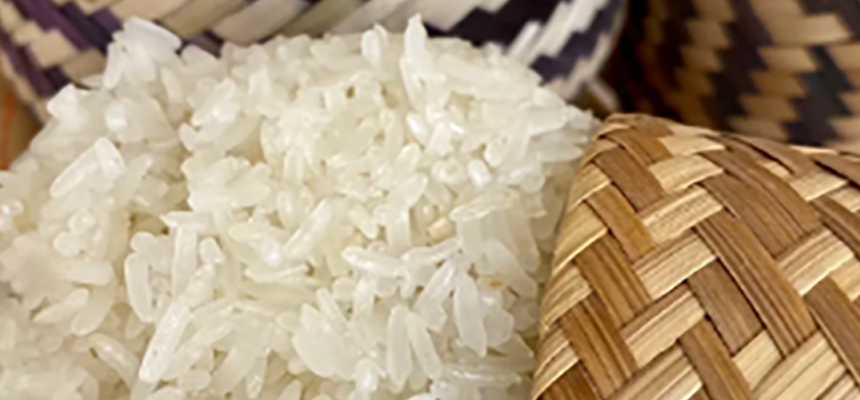
Table of Contents
Thai Glutinous Rice Wholesale Price: What You Are Buying
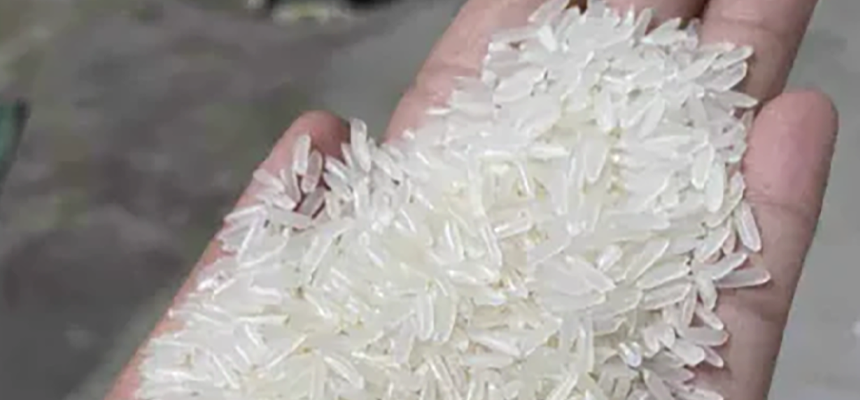
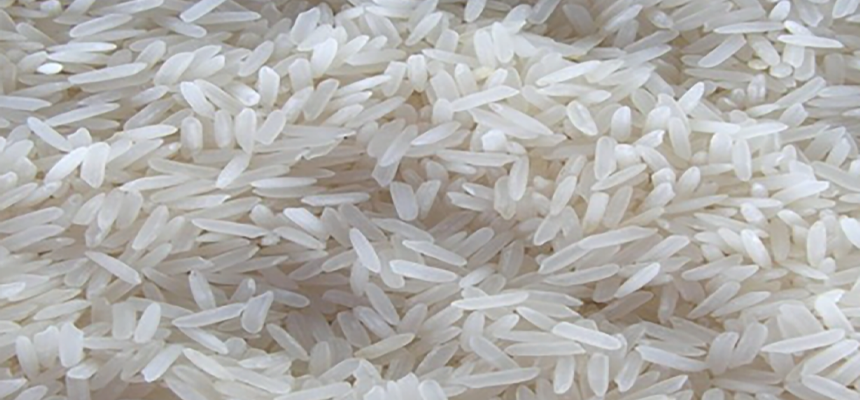
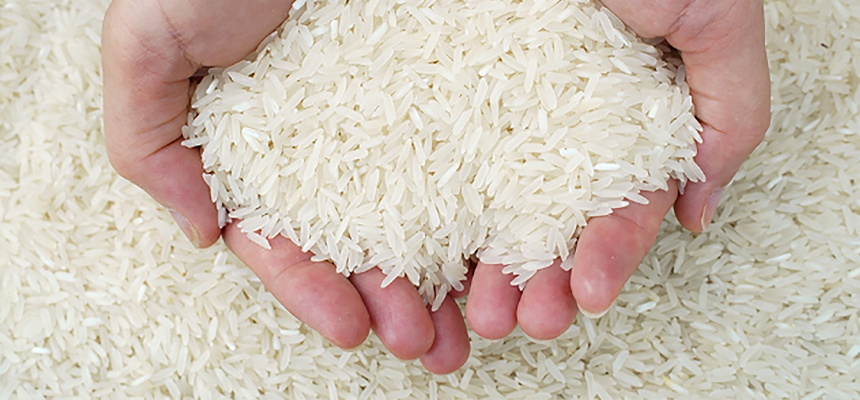
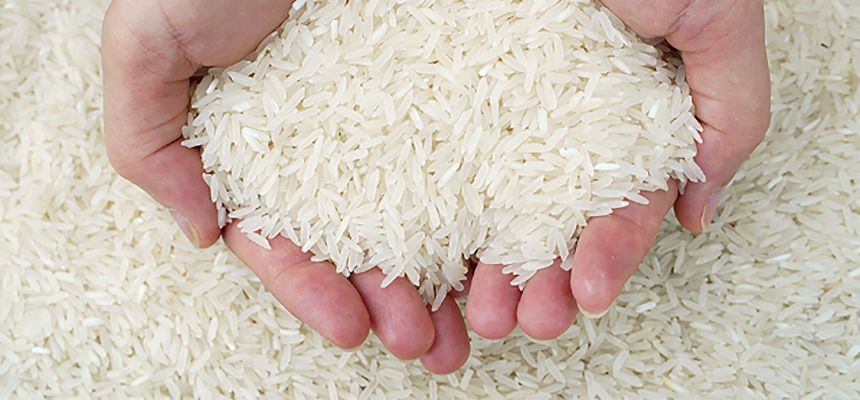
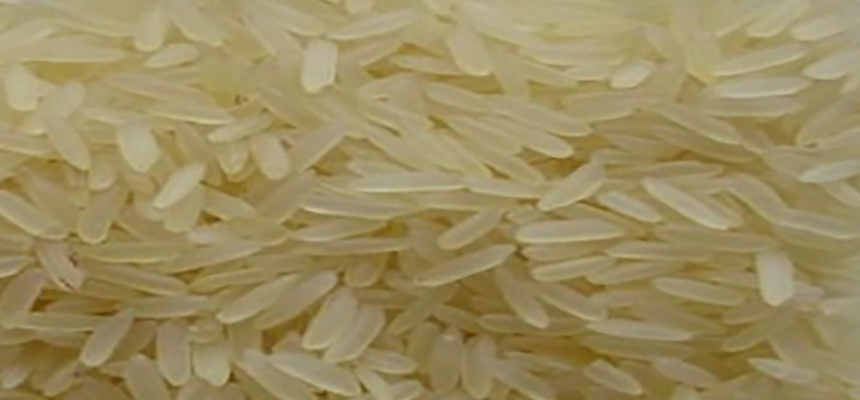
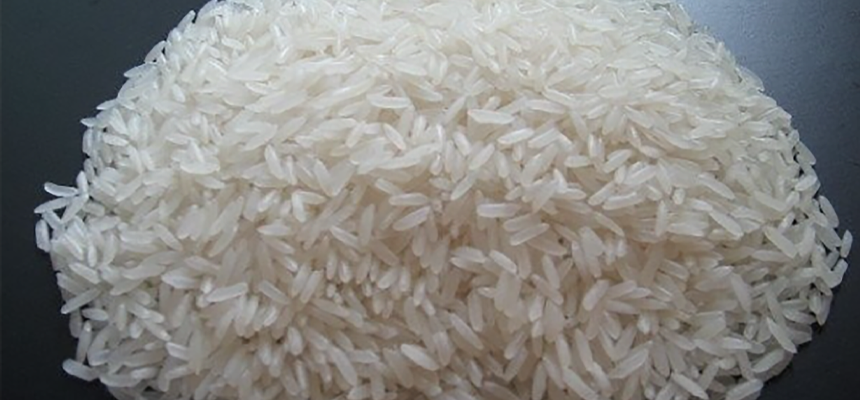
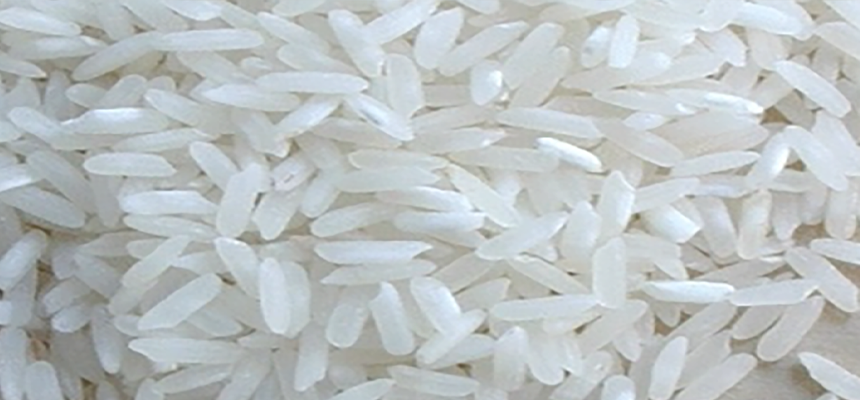
Glutinous rice is the sticky rice behind mango sticky rice and half the steamed dishes across northern Thailand and the wider region. The grain is short to medium in length and pure white, and once it’s cooked it turns soft, sticky and a little chewy. Thai cooks eat it every day, and food makers use it in desserts, dumplings and snacks.
The name confuses people. Glutinous doesn’t mean it contains gluten, because it doesn’t. Rice is naturally gluten free, and the word only describes the stickiness, which comes from the way the starch is built. That’s also why a Thai glutinous rice wholesale price can’t be compared with a jasmine or plain white rice quote. It’s a different product with its own market.
The rice we sell is milled and packed to hold its texture and aroma through a long sea voyage. You can see the product behind the Thai glutinous rice wholesale price on our glutinous rice for sale page. For the wider background on this rice, Wikipedia’s article on glutinous rice is a decent primer.
Specification of Our Thai Glutinous Rice
This is the specification behind every quote we send. It’s the same one on the product page.
| Item | Specification |
|---|---|
| Product | Thai white glutinous (sticky) rice |
| Origin | Thailand |
| Grain length | Short to medium |
| Color | Pure white |
| Moisture | 14% maximum |
| Broken grains | 5% maximum, adjustable to your specification |
| Purity | 95% to 100% |
| Admixture | Minimal to none |
| Crop year | Current season |
| Cooked texture | Soft, sticky and slightly chewy |
| Shelf life | 12 to 24 months with proper storage |
| Packing | 5kg, 10kg, 25kg and 50kg bags |
Two lines deserve a second look. The broken grain limit of 5% is adjustable, so if your customers would accept a looser grain to save money, or want something tighter, tell us. And purity at 95% to 100% is the number sticky rice buyers care about most, because even a small share of ordinary rice mixed in changes how a batch steams.
What Sets the Thai Glutinous Rice Wholesale Price
There’s no mystery behind the Thai glutinous rice wholesale price. Five things move the number, and roughly in this order.
The specification. A tighter broken grain limit or a higher purity figure costs more, because more of the milling output gets set aside to reach it. Ask for what your customers actually need, not for the tightest number on the page.
Supply and season. Sticky rice is a smaller market than white rice, so swings in supply and demand show up more sharply in the Thai glutinous rice wholesale price. A short crop or a burst of buying can move it faster than you’d see with plain white rice.
The bag. Plain 50kg export bags are the cheapest way to buy. Retail-sized bags and printed private label packaging cost more.
The shipping term. FOB, CIF and CNF are three different prices for the same rice. We’ll explain them in a moment.
Volume. A full container gets a better rate per ton than a small trial lot, and regular buyers get better terms than one-off ones.
Why Glutinous Rice Costs More Than Plain White Rice
Buyers who are used to white rice quotes are often surprised by the gap. There isn’t one big reason. It’s a pile of small ones: a smaller market, a variety that has to be kept separate from other rice, and a customer who won’t accept a substitute. Nobody wants their mango sticky rice made with ordinary rice.
The Thai Rice Exporters Association publishes weekly FOB prices for the main Thai grades. Look at the table and you’ll see sticky rice sits well above plain white rice, and it has done for years. So if a Thai glutinous rice wholesale price looks high to you next to a white rice quote, that’s not a sign anybody is overcharging.
What you should watch for is the opposite. A price that looks too good usually means a looser specification, a lower purity or a different rice altogether. Ask for the spec in writing before you compare.
Standard Grade or 25% Broken: Choosing the Right Version
We list two versions. The standard grade has 5% broken grains at most, and that’s what most buyers want for steamed sticky rice where the grain is served whole.
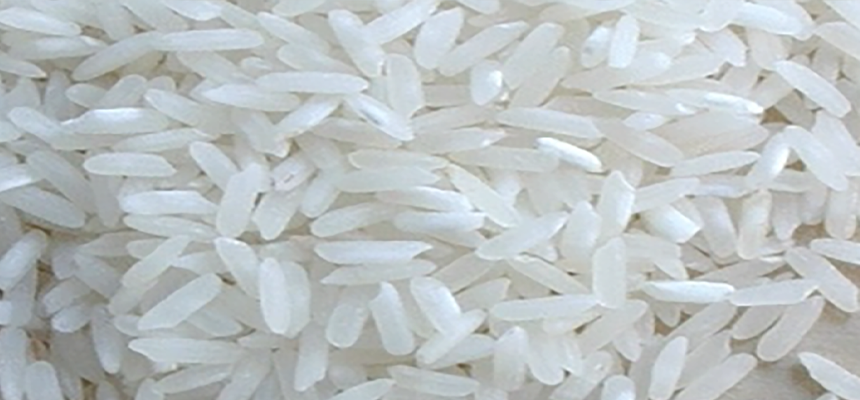
The second is our Thai glutinous rice 25% broken, which allows more broken pieces and costs less. It suits flour makers, food manufacturers using the rice as a binder, and anyone grinding or cooking it down. The Thai glutinous rice wholesale price for that version is lower because you aren’t paying for grain length you won’t use.
Simple rule: if a customer will see individual grains, buy the standard grade. If the rice disappears into a dough, a paste or a flour, the 25% broken version is usually the smarter buy. Not sure? Describe the end use and we’ll tell you.
Who Buys Sticky Rice From Us
The customers are a mixed group, but they share one thing. They all know what they want the rice to do.
- Importers and distributors. They supply Asian grocery shops and specialty stores that sell sticky rice to households.
- Restaurants and caterers. Thai kitchens, dessert bars and catering companies buy it for mango sticky rice and steamed dishes.
- Dessert and snack makers. Rice cakes, dumplings and packaged snacks all rely on that soft, chewy texture.
- Food manufacturers. Some process it into rice flour or use it as a binding ingredient.
- Private label brands. A number of our buyers sell it under their own name to retail or food service customers.
If your business isn’t on that list, ask anyway. The Thai glutinous rice wholesale price is the same conversation whatever the label on your door says.
Sticky Rice Beyond Dessert
Mango sticky rice gets all the attention, but it’s only one of the uses. The same rice turns up in savory steamed dishes, in rice cakes and dumplings, and in packaged snacks. It’s central to festival and ceremonial dishes across Southeast Asia, which means demand can spike at certain times of year.
Manufacturers also process it into rice flour or use it as a binding ingredient, because its sticky starch holds mixtures together. For those uses the grain doesn’t need to be perfect, which is where our 25% broken version earns its keep.
If you’re planning stock around a festival season, order early. Shipping takes weeks, and buyers who wait until demand is obvious end up paying for rush freight on top of the Thai glutinous rice wholesale price.
How Sticky Rice Is Cooked, and Why Your Customers Need to Know
This is where a lot of first-time importers get caught. Sticky rice isn’t boiled like jasmine or white rice. It’s soaked first, usually for several hours or overnight, and then steamed instead of simmered in water.
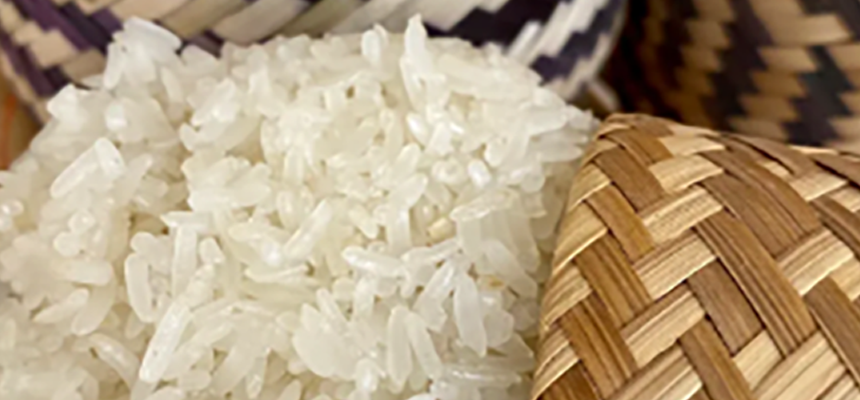
A traditional Thai bamboo basket over a pot of simmering water is the classic way. A normal steamer basket lined with cheesecloth works fine too. Twenty to twenty-five minutes later the rice should look translucent, feel soft and stick together enough to press into a ball by hand.
Skip the soak or try to boil it and you get grains that cook unevenly and never reach the right texture. Your customers will blame the rice, not their method. So we suggest printing a short cooking note on retail bags or including one with your shipment. The mango sticky rice page on Wikipedia is a nice reference to point people to.
Purity, Moisture and Batch Testing
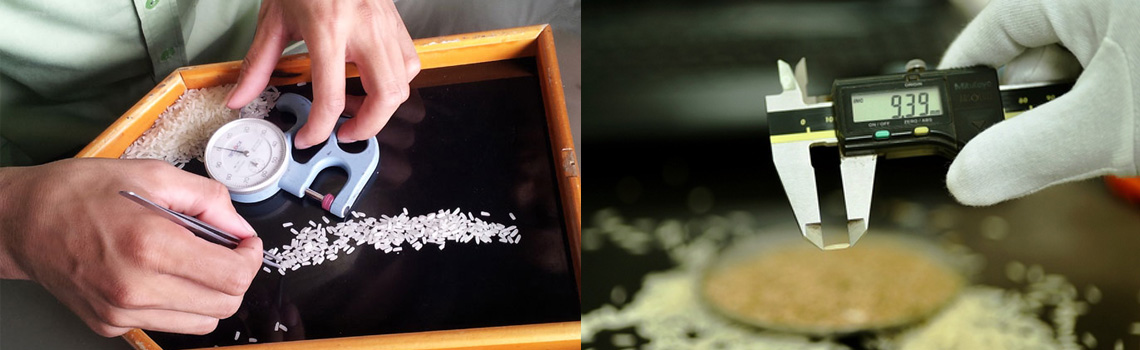
We test each batch for moisture and purity before packing. Moisture is capped at 14%, and purity runs between 95% and 100%. Anything that doesn’t meet the specification is held back.
For sticky rice, purity is the number that decides whether your customers are happy. A batch with too much ordinary rice steams unevenly, and you hear about it within a week. That’s why we pay attention to it on every lot and why it’s part of the specification you’ll see on the Thai glutinous rice wholesale price quote.
A certificate of analysis can go with your shipping documents if your import process needs one. You can read more about our process on the quality control page, and the rice standard page explains the grading terms we use.
Packing, Private Label and Container Loads
We pack Thai glutinous rice in 5kg, 10kg, 25kg and 50kg bags as standard. Smaller retail bags can be arranged for supermarkets or specialty grocery orders. All of our export packaging is moisture resistant, because sticky rice spends a long time in transit.
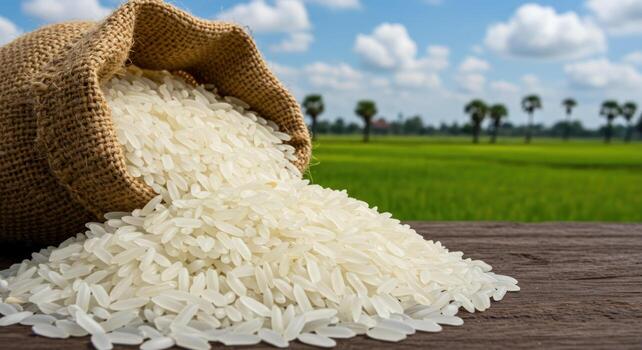
Private label is common with this rice. Send your artwork and the bag sizes you want when you enquire, and we’ll cost it properly. It’s cheaper to settle the packaging before the price than to renegotiate afterwards.
As a rough guide, a 20-foot container holds about 25 tons of bagged rice, which works out at roughly 500 bags of 50kg. A 40-foot container takes a little more, around 26 to 28 tons, since weight becomes the limit before space does. We’ll confirm the loading for your order in the quote, along with the Thai glutinous rice wholesale price for that quantity.
Where Thai Sticky Rice Comes From
Sticky rice is part of daily life in Thailand, particularly in northern regional cooking where it’s the everyday table rice instead of a special occasion food. That history matters for buyers, because it means there’s a real domestic tradition behind the rice and not a niche export product.
We source it from established rice growing regions in Thailand and mill it so the grain arrives clean, white and consistent. Most of the country’s main crop is harvested from about November to January. We buy through the season instead of in one go, which is how we keep stock available for shipping the rest of the year.
Growers who get a fair, steady deal keep planting the variety you need, so we keep buying relationships stable from one season to the next. That steadiness is part of what keeps the Thai glutinous rice wholesale price we quote you honest and repeatable.
Storage and Shelf Life
Store the bags in a cool, dry place away from direct sunlight and keep them sealed until you need them. Put them on pallets so they stay off the floor. Once a bag is open, move the rice to an airtight container.
Stored properly, glutinous rice keeps for 12 to 24 months. That gives importers plenty of room to hold stock through a slow month, but don’t let the bags sit at the back of the warehouse forever. Rotate them, oldest first.
Shipping Terms and Export Paperwork
We quote the Thai glutinous rice wholesale price on FOB, CIF and CNF terms. FOB means the price covers the rice, the bag and loading it on the ship at a Thai port, and you arrange freight and insurance. CIF adds ocean freight and marine insurance to your destination port. CNF adds freight but leaves insurance to you. The International Chamber of Commerce has the formal definitions if you want them.
Containers go by sea freight. Smaller or urgent orders can go by air, though air freight on rice is expensive and it only makes sense for samples.
Every international shipment goes out with a certificate of origin, a phytosanitary certificate and a commercial invoice. If your country needs something else, such as a specific lab report, tell us before you order so we can confirm we can supply it.
A Quick Guide to Reading Sticky Rice Quotes
When two offers arrive on the same day and the numbers don’t match, run through this list before you decide which one is cheaper.
- Broken grain limit. Is it 5%, 25% or something else? That alone can explain a large part of a difference in the Thai glutinous rice wholesale price.
- Purity. A lower purity figure means more ordinary rice in the bag. Make sure both offers state it.
- Moisture. The limit here is 14% maximum. Wetter rice weighs more and stores worse.
- Crop year. Ours is the current season. Older stock is cheaper for a reason.
- Bag and label. Plain export bags against printed retail packaging is a real price difference.
- Shipping term. FOB, CIF and CNF are not interchangeable, so compare like with like.
- How long the quote holds. Rice prices move. Ask how many days you have.
Put the answers side by side and the offers usually make sense. If they still don’t, send both to us and we’ll help you read them.
How to Get the Best Thai Glutinous Rice Wholesale Price
Nobody has a secret discount. But buyers who prepare well get sharper quotes, and here’s how.
- Know the grain you need. Decide between the standard grade and the 25% broken version before you ask. It can change the Thai glutinous rice wholesale price noticeably.
- Order in containers. The per-ton rate improves with volume, and a full container is the natural unit.
- Set up a standing order. If you buy regularly, we can agree a schedule and hold a price for a defined period, which protects you from sudden jumps.
- Keep packaging simple. Plain 50kg bags cost the least. Save custom labels for the orders that need them.
- Ask for FOB and CIF. Getting both versions of the Thai glutinous rice wholesale price shows you what freight is really adding.
We would rather quote once and get it right than send three versions of the same offer.
From Enquiry to Shipment
Getting a Thai glutinous rice wholesale price quote follows the same path for most orders, and it’s not complicated.
- Send your enquiry. Quantity, bag size, destination port and the use you have in mind.
- Receive your quote. We price against the current market and can send a sample first.
- Confirm the order. We agree the shipping term and payment terms together.
- Processing and packing. The batch is tested and packed to your specification.
- Shipment. The rice leaves with the export documents attached.
If you also buy jasmine-type rice, we cover it separately in our guide to the Thai Pathumthani fragrant rice wholesale offer, and you can see our Thai Hom Mali rice on its own page.
Common Questions About Thai Glutinous Rice Wholesale Price
What is the Thai glutinous rice wholesale price right now?
It changes with the season, the spec and the shipping term, so a printed number would be out of date before you read it. Send us your quantity and port and we’ll quote.
Does glutinous rice contain gluten?
No. Like all rice it’s naturally gluten free. The word glutinous only describes how sticky it gets when cooked.
Can I order a sample first?
Yes. Samples are available so you can steam the rice and judge the texture before you order in bulk.
What’s the smallest order you’ll take?
We supply everything from small trial orders to full container loads. Tell us what you need and we’ll quote to it.
Can you pack it under my own brand?
Yes. Send your artwork and target bag sizes with your enquiry and we’ll price custom private label packaging.
Can the broken grain percentage change?
The standard limit is 5% maximum and it’s adjustable to your specification, so ask. We also sell a 25% broken version.
Is glutinous rice the same as jasmine rice?
No. They’re different varieties with different starch and different cooking methods. Sticky rice is soaked and steamed. Jasmine is cooked in water.
How far ahead should I order?
Give yourself a comfortable lead time. Sea freight takes weeks depending on your port, and we need time to test and pack the batch. Tell us your delivery window and we’ll work back from it.
Why does the Thai glutinous rice wholesale price differ between suppliers?
Usually because of the specification, the bag or the shipping term. Ask each supplier for the spec in writing and compare like for like.
Request Your Thai Glutinous Rice Wholesale Price Quote
If sticky rice belongs in your range, tell us the quantity, the bag size, your destination port and whether you want FOB, CIF or CNF. We’ll send back a Thai glutinous rice wholesale price built around your order, not a generic list.
Email info@dethairice.com or message us on WhatsApp at +66 81 034 6390. You can also use the contact page or check the FAQ first. Everything else we export is on the products page, and you can learn who we are on the about us page.
We ship worldwide, and we’re happy to start with a sample. When you’re ready, the Thai glutinous rice wholesale price is one message away.


8 thoughts on “Thai Glutinous Rice Wholesale Price: Best Direct Offer”
Comments are closed.