


Hom Mali 105 rice is the variety behind almost every bag of real Thai jasmine rice you’ve ever cooked. In Thailand it’s called Khao Dawk Mali 105, and in the trade you’ll usually see it written as KDML 105. We export it from Thailand by the container, and this guide explains what the variety is, where it grows, the specification we ship and how you can buy it.
If you’re an importer, a distributor, a retail brand or a chef who wants to know exactly what you’re buying, this should answer most of your questions.
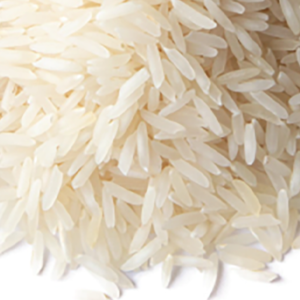
Table of Contents
What Is Hom Mali 105 Rice?
Hom Mali 105 rice is a long grain fragrant rice variety developed in Thailand. The name breaks down simply:
- Khao means rice
- Dawk Mali means jasmine flower, a nod to the rice’s bright white color
- 105 is the number of the selected line that was released to farmers
In export language, “Thai Hom Mali” means rice made from KDML 105, or from RD15, a closely related variety bred from it. Outside Thailand, most people just call it jasmine rice.
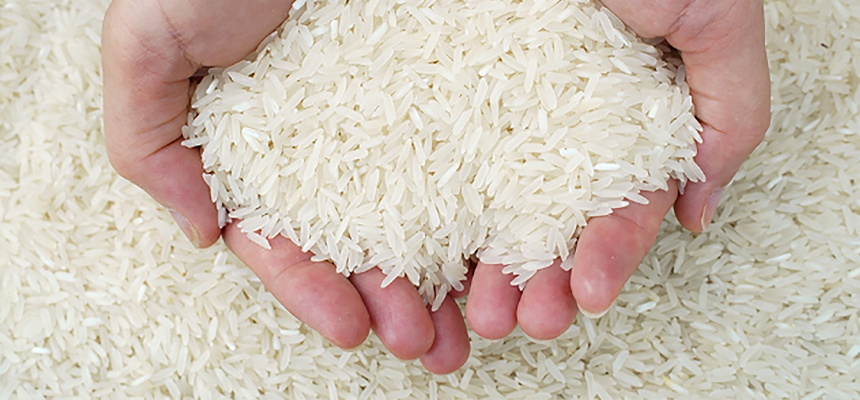
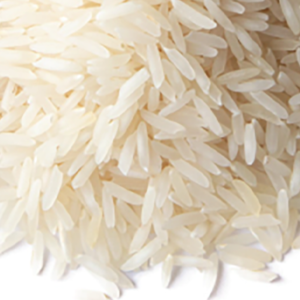
What makes Hom Mali 105 rice special is simple once you’ve cooked it. It smells like pandan leaves and warm popcorn, it cooks soft and slightly sticky, and it stays glossy white in the bowl. Good Hom Mali tastes fine with almost nothing on the side.
A Short History of KDML 105
The story starts in the early 1950s. A Thai rice official collected paddy samples from farmers in Bang Khla district, in Chachoengsao province east of Bangkok. One of those samples had an unusually strong smell. It was sent to a rice research station, where scientists planted and selected it over several years.
Line number 105 turned out to be the best of the batch. It was officially recommended to farmers in 1959 as Khao Dawk Mali 105. Within a couple of decades, Hom Mali 105 rice had spread across the northeast of Thailand, where it found its real home.
Later, Thai breeders used gamma radiation on KDML 105 seeds to create a new line that ripens a little earlier. That became RD15, released in the late 1970s. RD15 has the same aroma and cooking quality, and it’s allowed in the Thai Hom Mali standard alongside KDML 105.
Today, Hom Mali 105 rice is one of the best known rice varieties in the world and a big part of Thailand’s farm economy.
Where Hom Mali 105 Rice Grows
Although it was first found near Bangkok, KDML 105 does best in the northeast, the region Thais call Isan. We buy most of our paddy from:
- Surin
- Roi Et
- Buriram
- Sisaket
- Yasothon
- Ubon Ratchathani
Parts of these provinces sit on the Thung Kula Rong Hai plain. The name roughly means “the field where the Kula people cried,” from an old story that it was too dry and harsh to cross. The soil is sandy, low in nutrients and a bit salty. Farmers there get one rain-fed crop a year.
It sounds like terrible farmland, but Hom Mali 105 rice grown there often has the strongest aroma of all. Researchers believe the mild stress from dry, salty soil and cool nights at harvest helps the plant build up its fragrance. Rice from this area is protected as a geographical indication and has been recognized in the European Union.
How the Plant Grows
KDML 105 behaves differently from modern high yield rice, and that affects its price.
- Photoperiod sensitive. It only flowers when the days get shorter in autumn. So no matter when it’s planted, it’s harvested around November and December.
- One main crop a year. It’s grown in the wet season, relying on rain.
- Tall plant. It grows tall and can fall over in strong wind or heavy rain.
- Lower yield. Farmers get less rice per hectare than with ordinary varieties.
One crop a year, a tall plant and lower yields add up to a rice that’s harder and more expensive to grow. That’s a big part of why Hom Mali 105 rice sells at such a premium over regular white rice.
A Farmer’s Year With KDML 105
In the villages where our paddy comes from, the year follows the rain.
May and June. The first rains soften the ground. Farmers plough and get seed ready, often keeping their own KDML 105 seed from the previous crop or buying certified seed.
July and August. Planting. Some farmers transplant seedlings by hand, others broadcast seed straight into the wet fields.
September and October. The rice grows tall and green. Families watch the water levels and hope the rain holds.
November. As the days shorten, the plants flower and the grain fills. The fields turn gold. Cool, dry mornings at this time are part of what gives Hom Mali 105 rice its smell.
November to January. Harvest. More and more of it is done by combine now, though some families still cut by hand. The paddy is dried and sold to mills and cooperatives.
After that the fields sit dry until the rain comes back. One crop, once a year. When you buy Hom Mali 105 rice, you’re buying the result of a whole year’s work in a place that doesn’t give much away.
Where the Smell Comes From
The famous aroma comes mostly from a compound called 2-acetyl-1-pyrroline, often shortened to 2AP. The same compound gives pandan leaves and fresh bread crust their smell.
A few things affect how much aroma you get:
- Growing conditions. Mild stress, like dry sandy soil, tends to increase it.
- Harvest timing. Rice cut at the right moisture keeps more of it.
- Storage time. 2AP breaks down slowly. New crop rice smells stronger than old crop.
- Storage temperature. Heat speeds up the loss.
This is why crop year matters so much when you buy Hom Mali 105 rice. Two bags with the same spec can smell very different if one is a year older.
Our Hom Mali 105 Rice Specification
Here’s the spec we export as standard. It matches our Thai Hom Mali rice product page.
| Item | Specification |
|---|---|
| Variety | KDML 105 (Khao Dawk Mali 105), with RD15 allowed under the Thai standard |
| Grade | Thai Hom Mali rice 100% Grade A |
| Origin | Northeast Thailand |
| Hom Mali purity | 92% minimum |
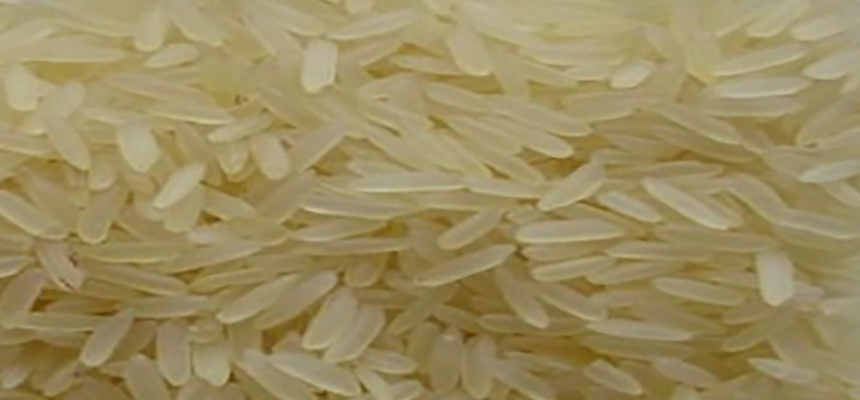
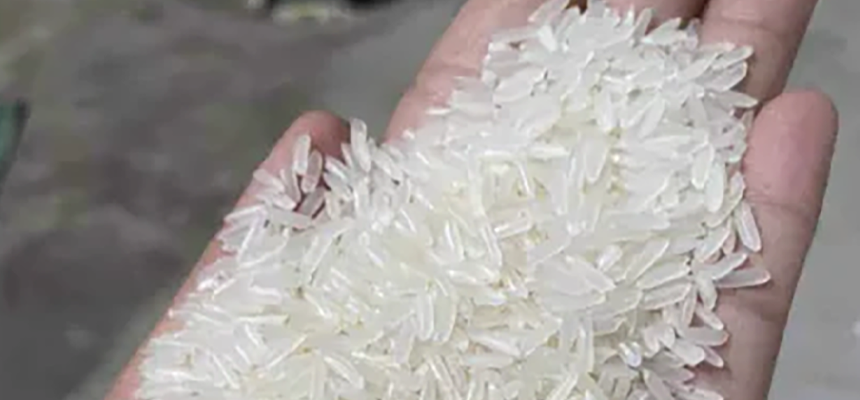
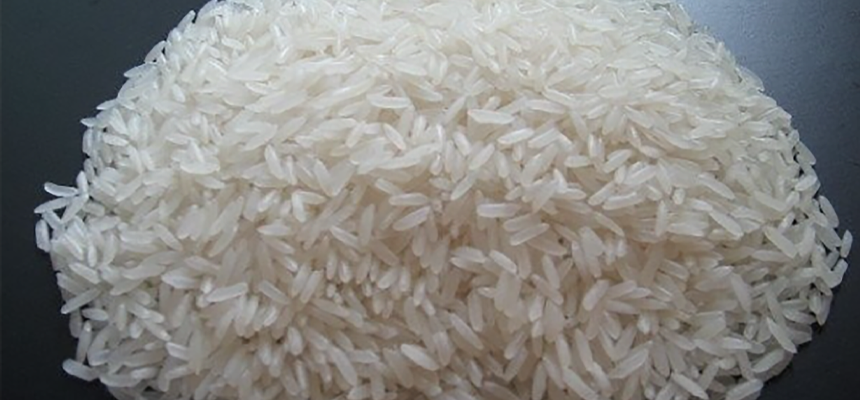
| Grain | Long, slender, white, translucent |
| Broken grains | 4.5% maximum |
| Moisture | 14% maximum |
| Chalky kernels | 6% maximum |
| Yellow kernels | 0.2% maximum |
| Admixture | 2% maximum |
| Milling | Double polished, sortexed |
| Crop year | Current season, stated in the contract |
| Packing | 5kg, 10kg, 25kg, 50kg PP or woven bags, jumbo bags, private label |
| Shelf life | 12 to 24 months from milling under good storage |
We can also grade tighter for premium retail packs, for example broken under 3%, or offer a food service grade with a looser broken allowance at a lower price.
Hom Mali 105 Rice vs Other Jasmine Rice
People often use “jasmine rice” for anything fragrant and long grain. That hides some real differences.
Hom Mali 105 rice vs Pathumthani 1. Pathumthani is a Thai fragrant variety that isn’t sensitive to day length, so it can be grown more than once a year. It’s cheaper and a little lighter in aroma. We sell both. Our Pathumthani wholesale guide covers it in more detail.
Hom Mali 105 rice vs Cambodian and Vietnamese jasmine. Neighboring countries grow excellent fragrant rice too, some from related varieties. It’s often cheaper. But it isn’t Thai Hom Mali, and in markets where people know the name, it doesn’t sell at the same price.
Hom Mali 105 rice vs basmati. Totally different. Basmati is extra long and cooks dry and separate. Hom Mali cooks soft and clings a little. Each has its fans, and they’re rarely swapped.
Hom Mali 105 rice vs ordinary long grain white. White rice 5% broken is cheaper and perfectly good for everyday cooking. It just doesn’t have the smell or the soft texture.
How to Check You’re Getting Real KDML 105
A lot of rice gets sold as “jasmine” or even “Hom Mali” without being what it says. Here’s how buyers can protect themselves:
- Ask for Hom Mali purity in writing. The Thai standard is 92% minimum.
- Ask for the Thai Hom Mali certificate issued through the Department of Foreign Trade.
- Ask for the crop year.
- Cook a sample. Real Hom Mali 105 rice smells clearly of pandan when the lid comes off.
- Use an independent surveyor at loading.
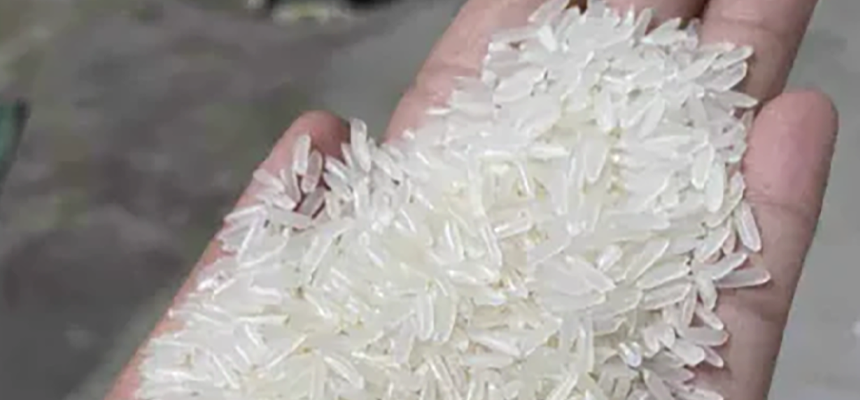
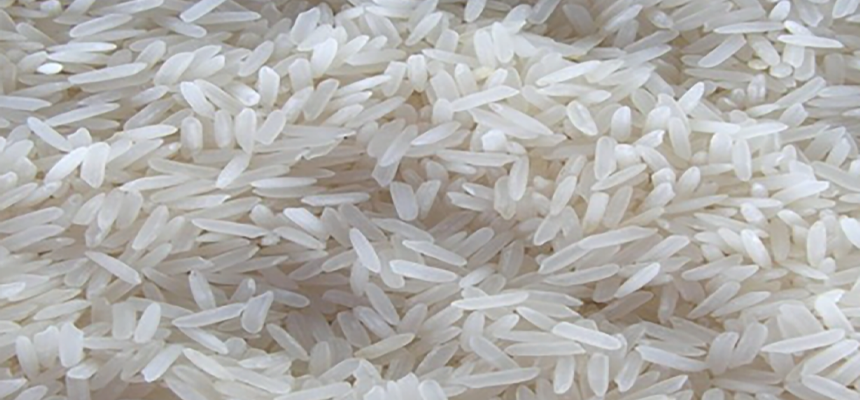
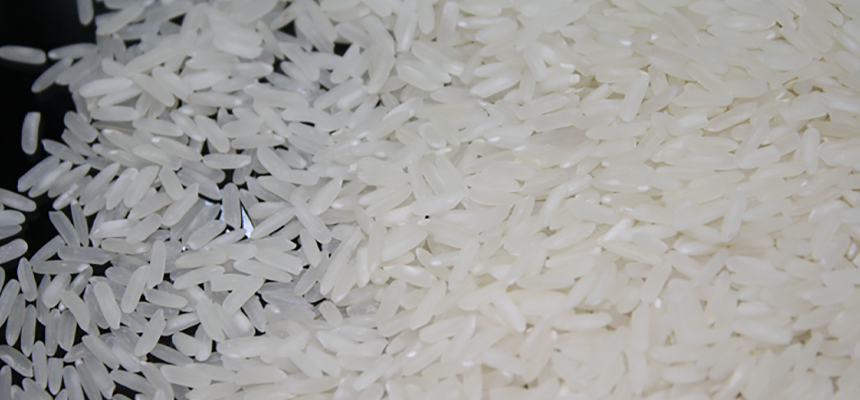
- Look at the grains. They should be long, slim and mostly translucent, with few chalky white spots.
A simple home test: cook a small pot with a little less water than you’d use for normal rice. If the whole kitchen smells of pandan and popcorn, you’ve probably got the real thing.
From Paddy to Export Bag
Once the paddy reaches us, the steps are the same for every lot of Hom Mali 105 rice we export:
- Paddy check. We test moisture and look at the grain before we accept it.
- Cleaning. Straw, dust, stones and other bits are removed.
- Husking. The outer hull comes off, leaving brown rice.
- Whitening and polishing. The bran is removed and the grain is polished twice for a clean, bright finish.
- Grading. Whole grains are separated from broken ones to hit the spec.
- Color sorting. Optical sorters remove yellow, chalky and damaged kernels.
- Hand check. Our QC team looks over the rice, because machines miss things.
- Testing. Purity, broken, moisture and a cooking test for smell and texture.
- Packing. Into your chosen bags, with batch codes on every bag.
You can read more on our quality control page and our rice standard page.
Grades of Hom Mali 105 Rice We Sell
We keep three grades so buyers can match the rice to their market:
- Premium grade. New crop, broken under 3%, extra sorting. For retail brands that sell on looks and smell.
- Standard grade. The spec in the table above. The grade most importers and supermarkets buy.
- Food service grade. Same Hom Mali 105 rice, more broken allowed, lower price. Good for restaurants and caterers where the rice ends up in a pot anyway.
If you’re not sure which one fits, tell us who your customers are and we’ll suggest one.
Cooking Hom Mali 105 Rice
For your own kitchen or to pass on to your customers:
- Rinse the rice once or twice in cold water
- Use about 1 to 1.2 cups of water per cup of rice, less than for ordinary white rice
- Bring to a boil, then turn the heat down low and cover
- Cook for about 12 to 15 minutes, until the water is absorbed
- Turn off the heat and leave it covered for 10 minutes
- Fluff with a fork or paddle
New crop Hom Mali 105 rice needs even less water because the grains hold more moisture. Old crop may need a little more. In a rice cooker, just use the jasmine setting or the lower water line.
What to Cook With It
In Thailand, Hom Mali 105 rice is simply the everyday rice for most meals. It goes with green curry, stir fried basil pork, grilled chicken, omelets and soups. Day-old Hom Mali makes very good fried rice, because the grains firm up in the fridge. Abroad, restaurants use it for Thai, Vietnamese, Chinese and Filipino dishes, and a lot of home cooks simply prefer it to plain white rice. It’s worth telling your customers this. People buy more rice when they have a few ideas for using it.
Nutrition
Like other white rice, Hom Mali 105 rice is mostly carbohydrate, low in fat and naturally gluten free. It has a lower amylose content than many long grain rices, roughly 12 to 18 percent, which is what makes it soft and slightly sticky once cooked.
If your customers want more fiber, we also export Thai red cargo rice, a whole grain rice with its bran left on, and organic jasmine rice.
Mistakes Buyers Make With KDML 105
A few that come up again and again:
- Not asking the crop year. Old rice is cheaper for a reason.
- Comparing prices on different terms. A CIF price and an FOB price aren’t the same thing.
- Assuming “jasmine” means Thai Hom Mali. Ask for purity and the certificate.
- Storing it badly. Heat and humidity kill the aroma faster than anything.
- Buying too much at once. Start with a container, see how it sells, then grow.
Who Buys Hom Mali 105 Rice From Us
We ship Hom Mali 105 rice to a mix of buyers worldwide:
- Importers and distributors supplying shops and restaurants
- Supermarket chains packing own brand jasmine rice
- Repackers who buy 50kg or jumbo bags and pack locally
- Food manufacturers making ready meals, frozen rice dishes and snacks
- Thai and Asian restaurant groups that want the real thing, reliably
Each needs a slightly different spec and pack, but all of them want the same rice: fresh, fragrant and consistent.
Packing and Private Label
We pack Hom Mali 105 rice in:
- 5kg and 10kg bags for supermarkets
- 25kg bags for restaurants
- 50kg PP woven bags for distributors
- Jumbo bags for repacking plants
- Private label bags in your design and language
For private label, send us your artwork and label rules, and expect the first print run to add a couple of weeks. After that, we keep your bags in stock.
Documents and Shipping
Every export order comes with a commercial invoice, packing list, bill of lading, certificate of origin, phytosanitary certificate, fumigation certificate, quality and weight certificate from an independent surveyor, and the Thai Hom Mali certificate where needed.
We ship from Bangkok and Laem Chabang on standard Incoterms: FOB, CFR or CIF. One 20 foot container carries about 25 metric tons. Milling and packing usually take two to three weeks after payment, and sea freight takes one to six weeks depending on your port.
Price of Hom Mali 105 Rice
Hom Mali 105 rice is priced per metric ton, and the number changes with the harvest, the baht, the crop year, the grade and the packing. It has traded well above ordinary Thai white rice all year. For a full breakdown, see our guide to Thai Hom Mali rice price per ton. The Thai Rice Exporters Association also posts weekly reference prices.
For a firm quote, send us your quantity and port.
Storing Hom Mali 105 Rice
To keep that aroma as long as you can:
- Store in a cool, dry, well ventilated place
- Keep bags on pallets, off the floor and away from walls
- Keep rice away from anything with a strong smell
- Sell oldest stock first
- In hot climates, try to sell within 12 months of milling
Opened bags at home should go into an airtight container.
What You Can Expect From Us
There are plenty of places to buy Thai rice. Here’s what we commit to on every order of KDML 105:
- The crop year, every time, written into the contract.
- A container that matches the sample. We keep a retained sample from every lot in case there’s ever a question.
- Quick answers. Most quotes go out the same day, and there’s a real person on WhatsApp.
- Honesty about the market. If we think prices will drop after harvest, we’ll say so, even if it means you wait.
- Problems sorted properly. If something is wrong with an order, we fix it rather than argue about it.
None of that is special. It’s just what buying rice should be like, and it’s how we want to earn repeat orders for our Hom Mali 105 rice.
A Note on Buying Smaller Quantities
Our normal minimum is one 20 foot container. We know that’s a lot for a new shop or an online store testing the market. If that’s you, there are two options. We can sometimes add a small lot of Hom Mali 105 rice to a mixed container with other rice types, or we can help you find a distributor in your region. Either way, ask. We’d rather help you start small than not at all.
Why the Name Matters on Your Bag
If you sell under your own brand, the words on the front of the bag do a lot of work. Shoppers who know this rice look for \”Thai Hom Mali\” or \”Thai jasmine\” first, then for a sign that it is the real thing. Some brands add the variety name, KDML 105, for customers who know it. Others print the crop year, or the region, like Surin or Thung Kula Rong Hai. All of these help, as long as they are true. Never put a claim on a bag that the rice in it cannot back up. We can give you the documents you need to support what you print, so your Hom Mali 105 rice sells on facts and keeps customers coming back.
Frequently Asked Questions
Is KDML 105 the same as Thai jasmine rice?
KDML 105 is the main variety used to make Thai Hom Mali rice, which is sold abroad as Thai jasmine rice. Some rice sold as “jasmine” comes from other varieties or other countries, so it’s worth checking.
Is RD15 as good as Hom Mali 105 rice?
RD15 was bred from KDML 105 and has very similar aroma and cooking quality. Both are allowed under the Thai Hom Mali standard.
Why is there only one crop a year?
KDML 105 is sensitive to day length and only flowers in the shorter days of autumn. So it’s harvested around November and December every year.
What’s your minimum order?
One 20 foot container, around 25 metric tons.
Can I get a sample?
Yes. We send samples of Hom Mali 105 rice from current stock.
More answers are on our FAQ page. You can also read about us, see our quality control process, or browse all our products.
Related Guides
- How to choose a Thai Hom Mali rice supplier
- Thai Hom Mali rice wholesale
- Working with a Thai Hom Mali rice exporter
- Thai jasmine / Pathumthani rice
- Thai glutinous rice
Order Hom Mali 105 Rice Direct From Thailand
Send us your quantity, bag size, destination port and preferred shipping term. We’ll reply with a price for Hom Mali 105 rice, the spec sheet and a sample offer.
Email info@dethairice.com or WhatsApp +66 81 034 6390, or use our contact page.
We ship KDML 105 worldwide, and a sample is the best place to start.
7 thoughts on “Hom Mali 105 Rice (KDML 105): Best Direct Offer”