


Thai Hom Mali rice 100% Grade A is the top export grade of Thailand’s fragrant rice, and it’s the grade we sell most. If you’ve been sent offers that just say “jasmine rice, premium quality” and you’re not sure what you’re actually getting, this page lays it out. It covers what the grade means, the specification we ship, how to check it, and how to order it from us.
We mill and export from Thailand to buyers around the world. Everything here is based on the way we test and pack our own rice.
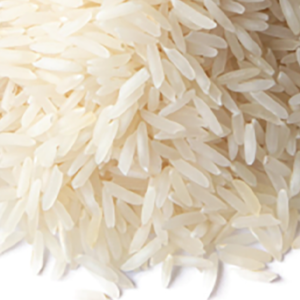
Table of Contents
What Thai Hom Mali Rice 100% Grade A Means
There are two parts to the name, and both matter.
Thai Hom Mali is the rice itself. It’s Thailand’s fragrant long grain rice, made from the KDML 105 and RD15 varieties. Abroad it’s usually sold as jasmine rice. Under the Thai export standard, a lot has to contain at least 92% Hom Mali grains to use the name.
100% Grade A is the milling grade. Thai rice is graded by how much of it is whole grain and how much is broken. The “100%” grades are the top whole-grain classes. Grade A is the best of those, with the longest grains and the lowest broken content. Below it you’ll find 100% Grade B and Grade C, then grades like 5%, 10% and 15% broken, and finally the broken rice grades.
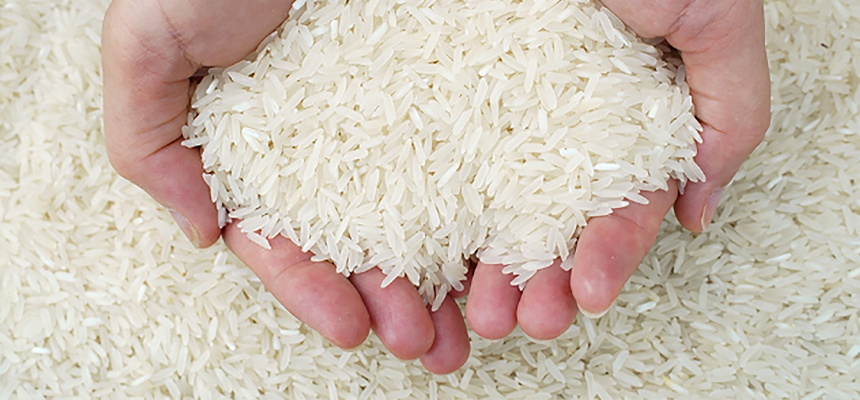
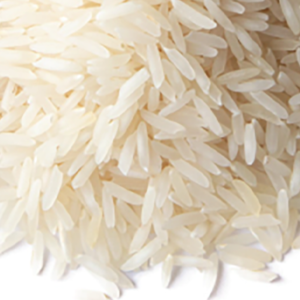
So Thai Hom Mali rice 100% Grade A is genuine Hom Mali, milled to the highest whole-grain standard. It’s the rice you want in a retail bag with a clear window, on a restaurant plate, or anywhere the grain is going to be seen.
Our Thai Hom Mali Rice 100% Grade A Specification
This is the spec we test against for every lot. It’s the same one on our Thai Hom Mali rice product page.
| Item | Specification |
|---|---|
| Product | Thai Hom Mali rice 100% Grade A |
| Variety | KDML 105 / RD15 |
| Origin | Northeast Thailand |
| Hom Mali purity | 92% minimum |
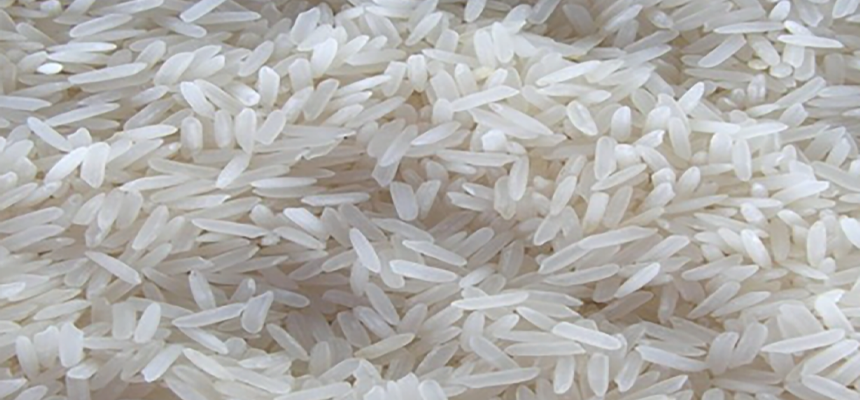
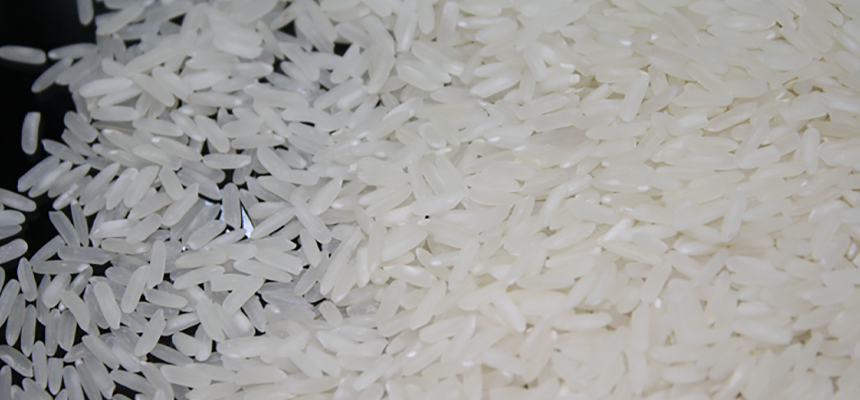
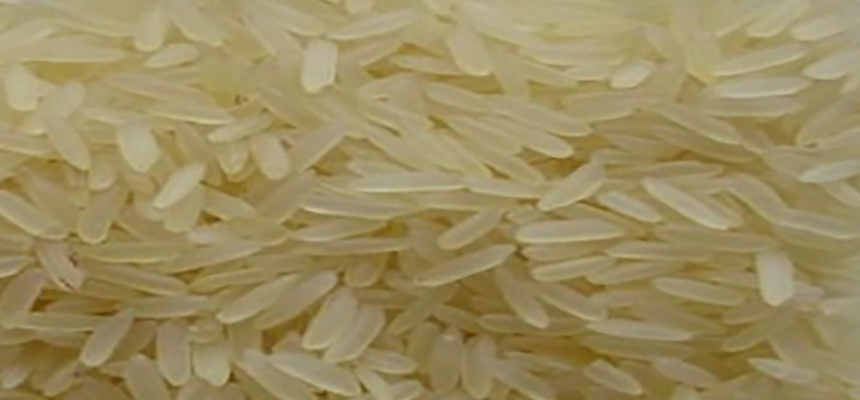
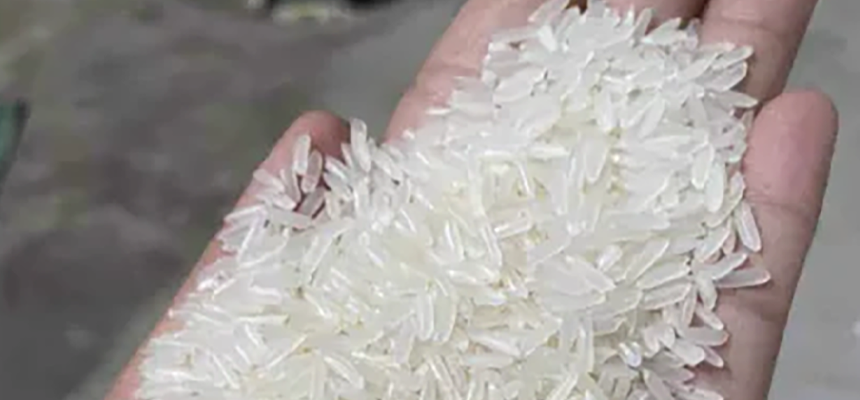
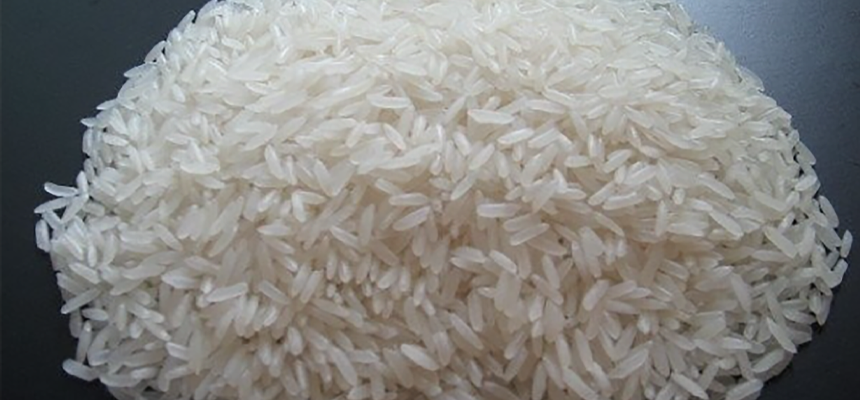
| Grain | Long, slender, white, translucent |
| Broken grains | 4.5% maximum |
| Moisture | 14% maximum |
| Chalky kernels | 6% maximum |
| Yellow kernels | 0.2% maximum |
| Admixture | 2% maximum |
| Red and damaged kernels | Negligible |
| Milling | Double polished, sortexed |
| Crop year | Current season, stated in the contract |
| Packing | 5kg, 10kg, 25kg, 50kg bags, jumbo bags, private label |
| Shelf life | 12 to 24 months from milling |
If you want an even tighter spec, for example broken under 3% for a premium shelf pack, we can grade for that. It costs a little more, because more of the milled rice gets sorted out to get there.
Why Buyers Ask for 100% Grade A
Most importers who sell to supermarkets or restaurants end up at this grade for a few simple reasons.
- It looks right. Long, whole, clear grains in a bag sell better than a mix of whole and broken.
- It cooks evenly. Broken pieces cook faster than whole grains and can turn mushy. Fewer broken means a more even pot.
- It holds its value. Thai Hom Mali rice 100% Grade A is the benchmark grade. Shoppers and chefs who know Hom Mali expect it.
- It’s easy to sell on. Distributors know the name and the grade, so there’s less explaining to do.
If your customers are price shoppers who won’t notice a few broken grains, a lower grade may be a better buy. We sell those too. But for shelves and plates, Grade A is usually worth it.
How Thai Hom Mali Rice 100% Grade A Is Made
Good paddy is the start, but milling is where the grade gets decided. Here’s the process for every lot of Thai Hom Mali rice 100% Grade A we ship.
- Buying the paddy. We buy from farmers, cooperatives and partner mills in Surin, Roi Et, Buriram, Sisaket, Yasothon and Ubon Ratchathani.
- Paddy check. Moisture and grain quality are tested before we accept a lot.
- Cleaning. Straw, dust, stones and bits of metal come out.
- Husking. The hull comes off, leaving brown rice.
- Whitening and polishing. The bran is removed and the rice is polished twice.
- Grading. Screens and cylinders separate whole grains from broken ones. This is the step that makes it Grade A.
- Color sorting. Optical sorters pull out yellow, chalky and damaged kernels.
- Hand check. Our QC staff look over the rice, because machines miss things.
- Testing. Purity, broken, moisture and a cooking test for aroma and texture.
- Packing. Into your chosen bags, with batch codes.
More about how we test is on our quality control page, and our milling setup is on the rice standard page.
Grade A Compared With Other Hom Mali Grades
It helps to see where Grade A sits in the range. This is a general guide to how the grades differ, not a price list.
| Grade | Whole grains | Typical use | Price |
|---|---|---|---|
| Thai Hom Mali rice 100% Grade A | Highest share, lowest broken | Retail packs, restaurants, premium brands | Highest |
| 100% Grade B | Slightly more broken | Retail at a lower price point, food service | A little lower |
| 100% Grade C | More broken again | Food service, repacking | Lower |
| 5% to 15% broken | Noticeably more broken | Catering, processing, budget packs | Lower again |
| Broken grades (A1 Super and similar) | Mostly broken | Flour, snacks, brewing, feed | Lowest |
One thing to watch: some sellers quote “Grade A” but mean a different rice, like Pathumthani or a blend. The grade only tells you how the rice was milled. The purity figure tells you whether it’s really Hom Mali. You need both.
Checking a Grade A Sample Yourself
You don’t need a lab to get a good idea of what you’ve been sent. When a sample of Thai Hom Mali rice 100% Grade A arrives, try this:
- Smell it raw. Good Hom Mali has a light, sweet smell even before cooking.
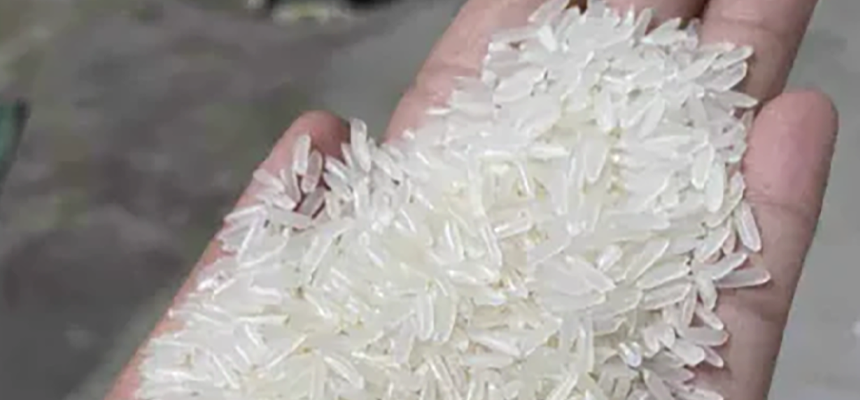
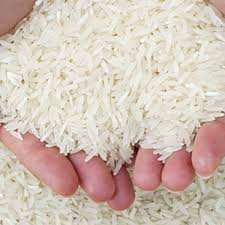
- Spread it on a dark plate. Look for long, slim, mostly clear grains. A lot of chalky white or yellow grains is a warning sign.
- Count the broken bits. Take a small handful and pick out the broken pieces. For Grade A there should be very few.
- Cook it. Use about 1 to 1.2 cups of water per cup of rice. When you lift the lid, you should smell pandan.
- Taste it warm and cold. Good Hom Mali stays soft and a little sticky, not hard or mushy.
If it passes all of that, ask for the crop year and the purity figure in writing. Then you’ve got a real Thai Hom Mali rice 100% Grade A offer.
Why Crop Year Matters for Grade A
The smell of Hom Mali comes from a natural compound called 2-acetyl-1-pyrroline. It’s strongest right after harvest and fades slowly in storage. Old rice can still meet every milling number for Grade A and yet smell like ordinary white rice.
That’s why we put the crop year in every contract. The Hom Mali harvest runs from about November to January, so rice milled from that harvest is new crop into the following year. If you’re paying for Thai Hom Mali rice 100% Grade A, you should get the aroma that goes with it.
Packing Options
We pack Thai Hom Mali rice 100% Grade A in:
- 5kg and 10kg bags for supermarkets and shops
- 25kg bags for restaurants and caterers
- 50kg PP woven bags for distributors and repackers
- Jumbo bags for repacking plants
- Private label bags in your design and language
Retail bags can be PE, laminated or with a clear window. We’ll help you pick what suits your market. Our guides on 25kg and 50kg bags and private label Hom Mali go into more detail.
Price of Thai Hom Mali Rice 100% Grade A
Thai Hom Mali rice 100% Grade A is the most expensive Hom Mali grade, and Hom Mali itself is one of the most expensive white rices in world trade. The price is quoted per metric ton and depends on:
- The paddy price after the harvest
- The US dollar to Thai baht rate
- Crop year
- How tight you want the broken level
- Bag size and printing
- Shipping term (FOB, CFR or CIF)
- How many containers you’re buying
The Thai Rice Exporters Association publishes weekly reference prices if you want to see where the market sits. Our guide to Thai Hom Mali rice price per ton breaks the price down in detail. For a firm number, send us your quantity and port.
Who Buys Grade A From Us
Thai Hom Mali rice 100% Grade A goes to buyers who can’t afford to have the rice disappoint:
- Importers and distributors supplying Asian supermarkets and restaurants
- Supermarket chains with own brand jasmine rice
- Restaurant groups, especially Thai, Chinese and Vietnamese kitchens
- Hotels and caterers serving rice as a side
- Online grocers selling premium rice to home cooks
Food manufacturers sometimes buy Grade A too, but many of them are just as happy with a lower grade since the rice is cooked into something else.
Documents That Come With Every Order
Every shipment of Thai Hom Mali rice 100% Grade A comes with:
- Commercial invoice and packing list
- Bill of lading
- Certificate of origin
- Phytosanitary certificate, issued under IPPC rules
- Fumigation certificate
- Quality and weight certificate from an independent surveyor
- Thai Hom Mali certificate from the Department of Foreign Trade
We can also arrange halal certificates, lab reports for pesticide residues and other documents your country may ask for. Tell us your destination and we’ll confirm the list before you order.
Shipping and Payment
We ship from Bangkok and Laem Chabang. One 20 foot container holds about 25 metric tons. Milling and packing usually take two to three weeks after payment, and sea freight takes one to six weeks depending on your port.
We quote on standard Incoterms: FOB, CFR or CIF. For payment, we work with LC at sight or TT with a deposit and the balance against documents. We don’t ask new buyers to pay 100% up front.
Storing Grade A Rice
Paying for top grade rice only makes sense if you look after it. A few basics:
- Keep it cool, dry and out of direct sun
- Stack bags on pallets, away from walls
- Keep it away from anything with a strong smell
- Sell oldest stock first
- In hot climates, try to sell within about 12 months of milling
Heat is the biggest enemy of the aroma. A cool warehouse keeps your Thai Hom Mali rice 100% Grade A smelling like it should.
Common Mistakes With Grade A Offers
These come up again and again:
- Assuming Grade A means Hom Mali. It doesn’t. Ask for purity.
- Ignoring the crop year. Old Grade A rice has lost its smell.
- Comparing an FOB price with a CIF price. Put both on the same term first.
- Skipping the surveyor. An independent inspection at loading is cheap insurance.
- Paying everything up front. A real exporter will accept LC or a deposit.
Other Rice We Supply
If you need something alongside Thai Hom Mali rice 100% Grade A, we also export:
- Thai jasmine and Pathumthani fragrant rice
- Organic jasmine rice
- Thai glutinous rice
- White rice 5% broken
- Thai parboiled rice
- Thai red cargo rice
The full range is on our products page.
Where Grade A Hom Mali Grows
Not every Hom Mali field produces rice that can reach Grade A with a strong smell. The best paddy for Thai Hom Mali rice 100% Grade A usually comes from the northeast, the region Thai people call Isan.
Part of it is a wide, flat area called Thung Kula Rong Hai, spread across Roi Et, Surin, Sisaket, Yasothon and Maha Sarakham. The soil there is sandy, poor and a bit salty. It rains once a year. On paper it’s bad farmland, but the rice grown there is known for its aroma, and it’s protected as a geographical indication.
Hom Mali is sensitive to day length, so it flowers only when the days shorten in autumn. It’s planted in the rainy season around July and August and harvested from November into January. There’s one real crop a year, which is part of why the grade holds its price.
What Makes a Grain Fail Grade A
It helps to know what gets sorted out, because those are the things you’ll see in a poor sample.
- Broken grains. Cracks can come from drying paddy too fast, from rough milling, or from harvesting at the wrong moisture.
- Chalky grains. These are grains that didn’t fill properly in the field. They look white and opaque instead of clear, and they break easily.
- Yellow grains. Usually from paddy that got wet and heated up in storage. They can affect smell and taste.
- Red and streaked grains. Bits of red bran left on the grain, or off-type rice mixed in.
- Immature and damaged grains. Thin, green or insect-damaged kernels.
In Thai Hom Mali rice 100% Grade A, all of these are kept to a very low level. In lower grades more are allowed, which is how the price comes down.
Grade A for Retail vs Food Service
We get asked a lot whether a buyer really needs Grade A. The honest answer depends on who’s eating the rice and where they see it.
Retail. If the rice sits on a shelf in a bag with a window, or the brand promises premium quality, go for Thai Hom Mali rice 100% Grade A. Shoppers do look at the grain, and they notice broken bits.
Restaurants. For rice served plain as a side, Grade A is worth it. It cooks evenly and looks good on the plate. For fried rice, rice bowls or mixed dishes, a lower grade often works just as well.
Catering and institutions. Budget usually wins here. Grade B or a 5% broken grade can be a sensible choice.
Food manufacturing. If the rice is being cooked into ready meals or ground into flour, grade matters much less than price and consistency.
We’re happy to help you pick. Tell us what the rice is for, and we’ll tell you which grade makes sense, even if it’s not the most expensive one.
A Year of Supply
If you’re planning to buy Thai Hom Mali rice 100% Grade A over a whole year, it helps to know how the market moves.
- November to January. Harvest. New paddy comes in, and prices can ease.
- February to May. New crop rice is milled and in demand. Many buyers book their year’s contracts now.
- June to October. Paddy stocks run lower and prices often firm up before the next harvest.
Buyers who book early in the season usually get the best mix of price and aroma. We can set up a contract for regular shipments through the year, with price reviews at agreed points.
Cooking Grade A Hom Mali
If you’re selling to shops or restaurants, pass these directions on. People who cook the rice well buy it again.
- Rinse once or twice in cold water, just until the water runs mostly clear
- Use about 1 to 1.2 cups of water per cup of rice, which is less than for ordinary white rice
- Bring to a boil, then turn the heat right down and cover
- Cook for 12 to 15 minutes
- Turn off the heat and leave it covered for 10 minutes
- Fluff gently and serve
New crop Thai Hom Mali rice 100% Grade A needs even less water, since the grains still hold a bit of moisture. In a rice cooker, use the jasmine setting or the lower water line. Too much water is the most common reason people say their jasmine rice came out sticky.
What You Can Expect From Us
We try to keep buying rice simple. On every order of Thai Hom Mali rice 100% Grade A you get:
- A spec sheet and a crop year in writing, in the contract, not just in an email
- A sample from current stock, so you can cook it before you commit
- A retained sample from your lot, kept in case there’s ever a question later
- An independent surveyor at loading, with a certificate for your bank and customs
- Draft documents to check before the final set goes out
- A real person to talk to by email or WhatsApp, usually the same day
If something goes wrong, we deal with it rather than argue about it. That’s the only way to build the kind of repeat business we want.
Grade A and Your Brand Promise
If your bag or menu says premium, Grade A is what backs that up. Shoppers who open a bag of Thai Hom Mali rice 100% Grade A expect long, even, clear grains and a strong smell when it cooks. If they find broken bits, chalky grains or a flat smell, they blame your brand, not the mill in Thailand. That is why we test every lot against the spec, keep a sample from each one, and write the crop year into the contract. It is also why we will tell you straight if a cheaper grade would suit your market better. Selling the right grade to the right customer is how brands keep repeat buyers.
Frequently Asked Questions
Is Thai Hom Mali rice 100% Grade A the same as Thai jasmine rice?
It’s the top grade of Thai jasmine rice. Plenty of rice sold as jasmine is a lower grade, a different variety or from another country. Our guide on Thai Hom Mali vs jasmine rice explains the difference.
What does the 92% purity mean?
At least 92% of the grains must be Hom Mali varieties. It’s the Thai government’s minimum for rice exported under the Hom Mali name.
Can I get broken lower than 4.5%?
Yes. We can grade tighter for premium packs. Ask when you request a quote.
What’s the minimum order?
One 20 foot container, about 25 metric tons. See our guide to Thai Hom Mali rice bulk and container orders.
Can I get a sample?
Yes. We send samples of Thai Hom Mali rice 100% Grade A from current stock.
More answers are on our FAQ page, and you can read about us too.
Related Guides
- Hom Mali 105 rice (KDML 105)
- Choosing a Thai Hom Mali rice supplier
- Working with a Thai Hom Mali rice exporter
Order Thai Hom Mali Rice 100% Grade A
Send us your quantity, bag size, destination port and preferred shipping term. We’ll send back a price for Thai Hom Mali rice 100% Grade A, the spec sheet and a sample offer, usually the same day.
Email info@dethairice.com or WhatsApp +66 81 034 6390, or use our contact page.
We ship worldwide. A sample is the best place to start.
11 thoughts on “Thai Hom Mali Rice 100% Grade A: Best Direct Offer”