


If you need a halal certified rice supplier, we’re a Thai rice mill that holds halal certification and ships certified rice worldwide. Thai Hom Mali, jasmine, white, parboiled, glutinous and red cargo rice, in 1kg to 50kg bags or 50 lb bags, with a halal certificate available for your shipment along with the usual export documents.
This page explains what halal certification means for rice, why importers ask for it even though rice is naturally halal, what we supply, the specs, the paperwork, and how to order from us as your halal certified rice supplier.
Table of Contents
Halal Certified Rice Supplier: What We Sell
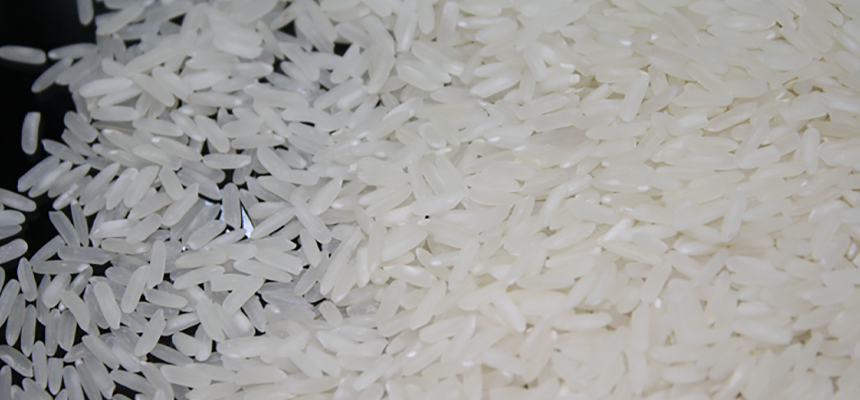
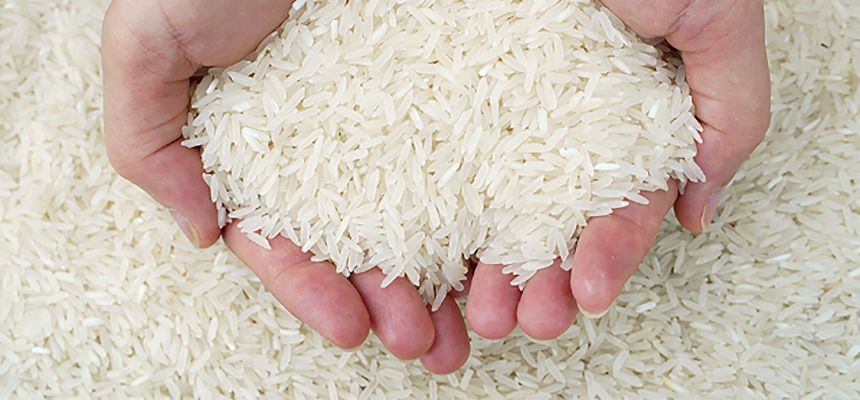
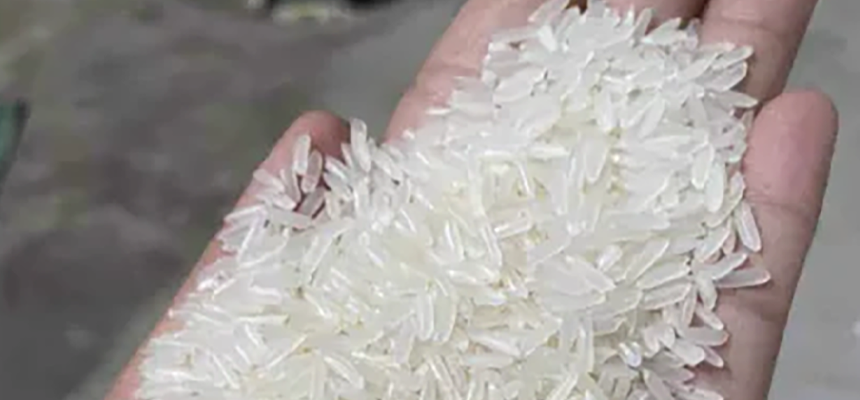
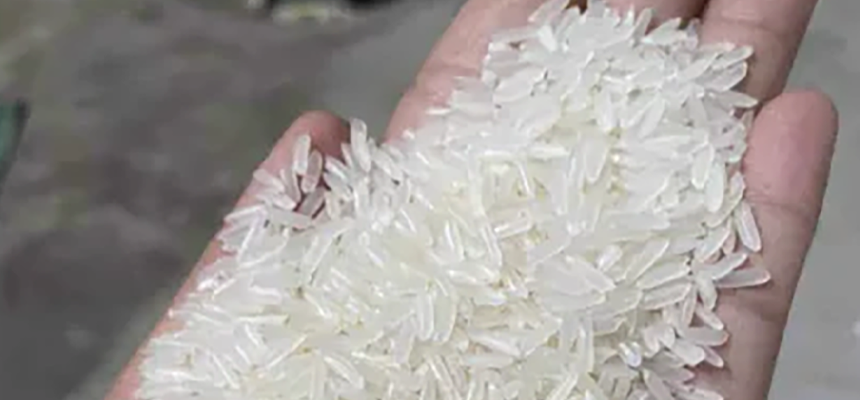
As a halal certified rice supplier, everything we mill can be supplied with halal certification. These are our main products and standard specs.
| Product | Broken max | Moisture max | Packing |
|---|---|---|---|
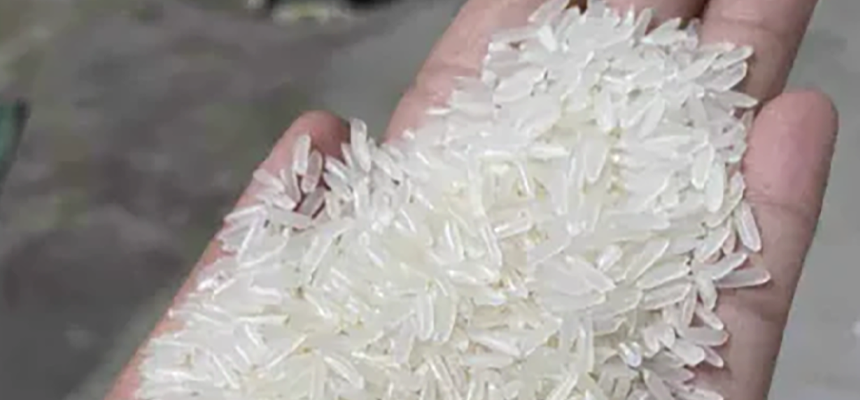
| Thai Hom Mali rice | 4.5% | 14% | 1kg to 50kg, 50 lb |
| Thai jasmine rice (Pathumthani) | 5% | 14% | 1kg to 50kg, 50 lb |
| Organic jasmine rice | 5% | 14% | 1kg to 25kg |
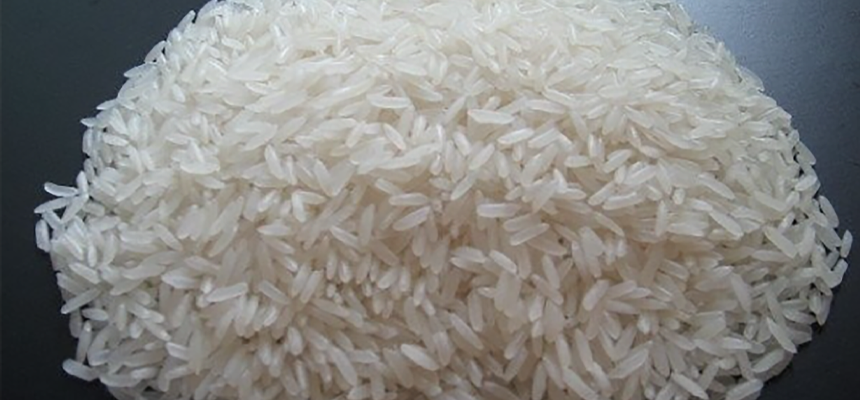
| Thai white rice | 5%, 10%, 15%, 25% | 14% | 25kg, 50kg |
| Thai parboiled rice | 5%, 15%, 25% | 14% | 25kg, 50kg |
| Thai glutinous rice | 10%, 25% | 14% | 1kg to 50kg |
| Thai red cargo rice | Whole grain | 14% | 1kg to 25kg |
| 100% broken rice | 100% | 14% | 50kg, jumbo bags |
All of it is sortexed, packed in clean dedicated bags and shipped in containers worldwide. Tell us the product and market, and we’ll confirm the halal paperwork that goes with it.
Isn’t All Rice Halal Anyway?
Yes. Plain rice is a plant food, and in itself it’s halal. So it’s fair to ask why anyone needs a halal certified rice supplier at all.
The answer is that certification isn’t really about the grain. It’s about everything that touches the grain on its way to you. A halal certificate confirms that:
- The mill doesn’t process anything haram on the same lines
- Cleaning agents, lubricants and processing aids used near the food are acceptable
- Packaging materials don’t contain non-halal ingredients
- Storage and transport keep the rice away from contamination
- Any additives, such as in flavoured or fortified rice, are from permitted sources
- There’s a system for checking all of this regularly, not just once
For many importers it’s also simply a requirement. Some countries need a halal certificate to clear food at the border. Many supermarket chains in Muslim-majority markets won’t list a product without one. And a lot of consumers look for the halal logo on the bag, rice or not. If you want to read about the wider concept, the halal article on Wikipedia is a reasonable starting point.
How Halal Certification Works in Thailand
Thailand has a well established halal system. The Central Islamic Council of Thailand oversees halal certification for food produced in the country, and the Halal Standard Institute of Thailand works on halal standards and testing. Thai halal certification is recognised by importers across the Middle East and Southeast Asia, which is one reason Thailand is a major exporter of halal food.
For a rice mill, certification means an audit of the facility, the process, the materials that touch the food and the people responsible for keeping it all in line. The mill then has to stay compliant and is checked again over time.
As a halal certified rice supplier, we can provide a copy of our halal certificate with your offer, and a shipment-level halal certificate with your export documents when your market requires one.
Why Buy From a Halal Certified Rice Supplier in Thailand
Thai rice is already one of the most trusted rices in the world, especially Hom Mali jasmine rice. Buying it from a halal certified rice supplier adds a few practical benefits:
- Easier customs clearance in countries that require halal documents for food imports
- Supermarket listings, because retail buyers in many markets ask for halal certification up front
- Consumer trust, because shoppers recognise and look for halal logos
- Food service contracts, since hotels, airlines, schools and hospitals often need halal paperwork from every supplier
- Simpler private label, because your brand can carry a halal mark backed by a real certificate
That’s the difference between a real halal certified rice supplier and a trader with a logo. Because we’re the mill, not a trader, the halal certificate covers the place where the rice is actually processed and packed.
Markets We Supply Halal Certified Rice To
We ship worldwide. The buyers who most often ask us to act as their halal certified rice supplier are in:
- The Gulf and Middle East: Saudi Arabia, UAE, Qatar, Kuwait, Oman, Bahrain, Iraq, Jordan
- Southeast Asia: Malaysia, Indonesia, Brunei, Singapore
- Africa: Senegal, Mali, Guinea, Nigeria, Niger, Mauritania, Sudan, Somalia, and other markets with large Muslim populations
- Europe and North America: halal grocery wholesalers, Middle Eastern and South Asian supermarkets, halal food service companies
- South Asia and Central Asia: importers supplying halal retail and food service
Each market has its own rules on halal documents and labelling, and a good halal certified rice supplier should know them before you have to explain. Tell us where the rice is going and we’ll make sure the paperwork matches.
Specs: Thai Hom Mali Rice
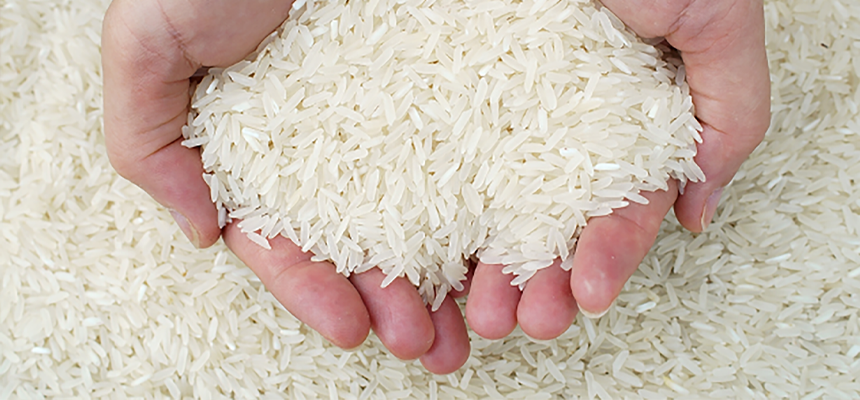
Hom Mali is our most popular product for halal markets, especially in the Gulf and Southeast Asia.
| Parameter | Spec |
|---|---|
| Variety | KDML 105 / RD15 |
| Purity | 92% minimum Hom Mali |
| Broken grains | 4.5% maximum |
| Moisture | 14% maximum |
| Average grain length | 7.0 mm minimum |
| Chalky grains | 6% maximum |
| Damaged and yellow grains | 0.5% maximum |
| Foreign matter | 0.1% maximum |
| Crop | New crop |
| Halal | Certified, certificate on request |
You can read more about the grade in our post on Thai Hom Mali rice 100% Grade A.
Specs: Thai Parboiled Rice
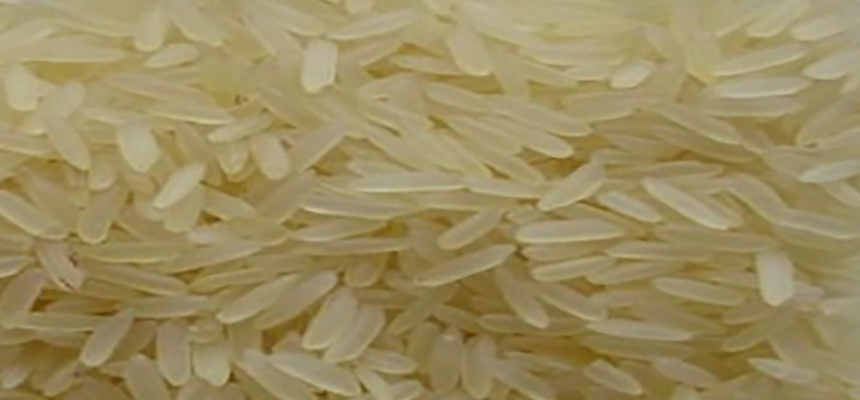
Parboiled rice is a staple in West Africa and parts of the Middle East and South Asia, and halal certification is often part of the deal.
| Parameter | Spec |
|---|---|
| Type | Long grain parboiled, golden or white sella |
| Broken grains | 5%, 15% or 25% maximum |
| Moisture | 14% maximum |
| Average grain length | 6.8 mm minimum |
| Damaged and black grains | Within grade limits, sortexed |
| Foreign matter | 0.1% maximum |
| Halal | Certified, certificate on request |
Our post on golden sella vs white sella parboiled rice explains which colour suits which market, and parboiled rice import to West Africa covers that region in detail.
Specs: Thai Jasmine and White Rice
For buyers who want a fragrant rice at a lower price than Hom Mali, or a plain white rice for everyday meals, these are the specs we ship from our halal certified mill.
| Parameter | Thai jasmine rice (Pathumthani) | Thai white rice 5% |
|---|---|---|
| Purity | 95% minimum | 95% minimum long grain |
| Broken grains | 5% maximum | 5% maximum |
| Moisture | 14% maximum | 14% maximum |
| Average grain length | 7.0 mm minimum | 6.8 mm minimum |
| Sorting | 100% sortexed | 100% sortexed |
| Halal | Certified | Certified |
We also mill white rice at 10%, 15% and 25% broken for price-driven markets and tenders. The full Thai white rice 15% broken specification is on its own page. All of it comes from the same halal certified rice supplier setup, so the halal paperwork works the same way whichever grade you choose.
What Keeps Our Rice Halal
Being a halal certified rice supplier isn’t a sticker on a bag. Day to day, it comes down to how the mill runs.
- We only mill rice. No meat, alcohol or other non-halal products are processed on our premises.
- Cleaning chemicals and machine lubricants are chosen to meet food and halal requirements.
- Bags, liners and printing inks come from suppliers who can show what’s in them.
- Rice is stored in clean, dedicated warehouses, on pallets, away from non-food goods.
- Containers are inspected before loading to make sure they’re clean, dry and free of smells or residues.
- Staff are trained on hygiene and the halal rules that apply to our work.
- Records are kept so every lot can be traced back to the milling date.
This is what being a halal certified rice supplier means in practice. None of it changes how the rice cooks or tastes. It just means you can show your customers and your customs office that the rice was handled properly from mill to container.
Halal Documents With Every Shipment
When you buy from us as your halal certified rice supplier, your shipment can include:
- Halal certificate for the shipment
- Copy of our facility halal certificate
- Commercial invoice and packing list
- Bill of lading
- Certificate of origin
- Phytosanitary certificate
- Fumigation certificate
- Certificate of analysis from our lab
- Independent inspection certificate (SGS, Intertek, Bureau Veritas or similar) on request
- Health certificate where required
Some countries also want the halal certificate legalised by an embassy or chamber of commerce. Tell us early if that applies, because it adds a few days. Our post on rice export documents explains what each document does.
Shipping Halal Rice Safely
A lot of the halal question is really about what happens after the rice leaves the mill. A container that last carried something unsuitable, or a warehouse shared with non-food goods, can cause problems that no certificate can fix.
Here’s how we handle it as a halal certified rice supplier:
- Container checks. Every empty container is inspected before loading. If it smells, is damp, or shows residues, it’s rejected and replaced.
- Lining. We can line containers with kraft paper or use dry bags to protect against condensation on long voyages.
- Fumigation. Rice is fumigated inside the sealed container to protect it from insects during the voyage. The fumigant is a gas that disperses and doesn’t leave anything in the rice, and the fumigation certificate travels with your documents.
- Sealing. The container is sealed after loading and the seal number goes on the bill of lading, so you can check nothing has been opened on the way.
When the container arrives, open it, let it air for a while after fumigation, and check the bags before unloading. If anything looks wrong, take photos before moving a single bag and send them to us.
Halal Rice for Hotels, Airlines and Food Service
Food service buyers often need halal paperwork from every single supplier, and rice is no exception. Hotels in the Gulf, airline caterers, school and hospital kitchens, and halal restaurant chains all buy from us for this reason.
For these customers we usually supply:
- Hom Mali or jasmine rice in 10kg, 25kg or 50 lb bags for kitchens
- Parboiled rice for buffets and large-batch cooking, because it holds its shape
- White rice 5% for staff meals and fried rice
- Glutinous rice for desserts on Asian menus
If you’re a food service distributor, it helps to have one halal certified rice supplier for all of these, so your customers only need one set of halal documents for the whole rice range. Our post on bulk jasmine rice for restaurants is useful background on how kitchens use our rice.
Planning Around Ramadan and Eid
Demand for rice jumps in the weeks before Ramadan and again before Eid al-Adha in many halal markets. Importers who wait until the last minute often find freight is tight, prices have moved and stock is short.
Our advice, from years of shipping to these markets:
- Order early. Aim to have rice in your warehouse at least four to six weeks before Ramadan starts.
- Book freight early too. Shipping lines get busy around the same time.
- Agree the halal documents in advance. If your certificates need legalising, allow extra days for that.
- Think about bag sizes. Families buy bigger bags during Ramadan, so 10kg and 25kg retail bags often sell faster than 5kg.
- Keep a buffer. It’s better to carry a little extra stock than run out at the busiest time of year.
As your halal certified rice supplier, we’re happy to plan shipments with you months ahead so the rice lands on time.
Private Label With the Halal Logo
Many of our buyers sell rice under their own brand and want the halal logo on the bag. We can print it, as long as the certificate covers the product and the mill. Bags can carry Arabic and English text, your own logo and any wording your market needs.
The first private label order takes a couple of weeks longer while the printing cylinders are made. After that, repeat orders run at normal speed. Our page on private label Thai Hom Mali rice shows bag options and the process.
Minimum Order and Lead Time
Buying from a halal certified rice supplier doesn’t change the minimum. Our minimum order is one 20 foot container, about 25 metric tons, which can be one product or a mix of up to four. Lead time from contract to loading is usually 15 to 30 days, a little longer for new private label designs or if documents need legalising.
We quote FOB Bangkok or CFR and CIF to your port. Payment is usually by letter of credit at sight or by bank transfer with a deposit and the balance against documents. If you’re new to buying from Thailand, our guide on how to import rice from Thailand walks through the process.
Samples and Testing Before You Buy
We send samples of any rice by courier, usually 1kg to 5kg per product, with the spec sheet and a copy of our halal certificate. Cook the rice, show it to your customers, and if your buyers or authorities need it, have it tested in a local lab.
Some importers send samples to their own halal authority or a recognised lab before approving a new halal certified rice supplier. That’s sensible, and we’re glad to support it with whatever documents they ask for. It’s better to answer every question before the first container than to argue about it at the port.
When the container is loaded, an independent surveyor can take samples from the actual bags going into your container and seal them. That gives you a reference sample from your own shipment, which is useful for any quality or halal query later.
Why Importers Move Their Business to Us
When new buyers come to us, they’ve usually had a problem with a previous halal certified rice supplier. The stories tend to be similar:
- The halal certificate turned out to belong to a different company or an expired facility
- The rice was milled by one company and packed by another, and only one of them was certified
- Documents arrived late and the container sat at the port paying storage
- The rice didn’t match the sample, and nobody could explain why
We can’t promise nothing will ever go wrong in international trade. What we can promise is that we mill and pack the rice ourselves, our halal certification covers that work, and you’ll always be dealing with people who were there when your rice was produced.
How to Check a Halal Certified Rice Supplier
Whoever you buy from, check these before you sign:
- Ask for a copy of the halal certificate. Check the company name, the address of the facility, the products covered and the expiry date.
- Make sure it covers the mill. A trader’s certificate doesn’t help if the rice is milled somewhere else.
- Confirm the certifying body is accepted in your country. Most importing countries publish a list of halal bodies they recognise.
- Ask whether a shipment certificate is issued per container. Some markets need one for each shipment, not just a facility certificate.
- Check the rest of the spec too. A halal certificate says nothing about broken percentage, moisture or crop year.
A genuine halal certified rice supplier will answer all of this without fuss and send copies before you pay a deposit.
A final word on timing. Halal certificates have an expiry date, and the rules on which certifying bodies are accepted can change in some importing countries. Before every new season, ask your halal certified rice supplier for an up to date copy of the certificate and check it against the current list your customs office uses. It takes five minutes and can save a container from sitting at the port while paperwork is sorted out.
Frequently Asked Questions
Are you a halal certified rice supplier?
Yes. We hold halal certification for our rice milling and packing, and we can issue halal documents with export shipments.
Is plain rice halal without a certificate?
Rice itself is halal. A certificate confirms the processing, packaging, storage and handling are also halal, which many importers, retailers and customs offices require.
Which rice can you supply with halal certification?
All of our rice: Hom Mali, jasmine, organic jasmine, white rice, parboiled, glutinous, red cargo and broken rice.
Can the halal logo go on my private label bags?
Yes, for products covered by our certificate.
Do you ship halal certified rice worldwide?
Yes. We supply buyers in the Middle East, Southeast Asia, Africa, Europe, the Americas and elsewhere.
Can I see the certificate before ordering?
Yes. We send a copy with our offer so you can check it with your customs broker or certifying body before you commit.
Does halal certification make the rice more expensive?
Very little, if at all. The cost of running a halal certified mill is spread across everything we produce, so the price per ton is close to the same rice without a certificate. The extra cost usually comes from legalising documents, if your market needs that.
How quickly can a halal certified rice supplier like you ship?
Usually 15 to 30 days from contract to loading, plus a few days if the halal certificate needs embassy legalisation.
What’s your minimum order?
One 20 foot container, about 25 tons, which can be mixed across products.
Order From a Halal Certified Rice Supplier in Thailand
De Thai Products 1989 Company Limited is a Thai rice miller and exporter based in Chachengsao, near Bangkok’s main ports. We mill, sort, pack and ship our own rice, and we’re a halal certified rice supplier to importers, wholesalers, supermarkets and food service companies around the world.
If you’ve been looking for a halal certified rice supplier you can rely on for the long run, we’d like to hear from you. Send us the rice you want, the packing, your destination and any halal or labelling rules your market has. We’ll reply with an offer, a copy of our halal certificate and samples.
Email info@dethairice.com, WhatsApp +66 81 034 6390, or use our contact page.
10 thoughts on “Halal Certified Rice Supplier: Best Thai Rice Offer”