


Golden sella vs white sella parboiled rice comes up a lot with buyers from the Middle East, South Asia, East Africa and Europe. Some of them are used to buying basmati sella from India or Pakistan and want to know what the Thai version looks like. Others see “golden” and “white” on price lists and aren’t sure which one their customers are actually asking for.
We export Thai long grain parboiled rice. This guide explains what golden sella and white sella mean, how they’re made, how they cook, and where each one sells. We’ll also be clear about what we supply and how to pick the right shade for your market.
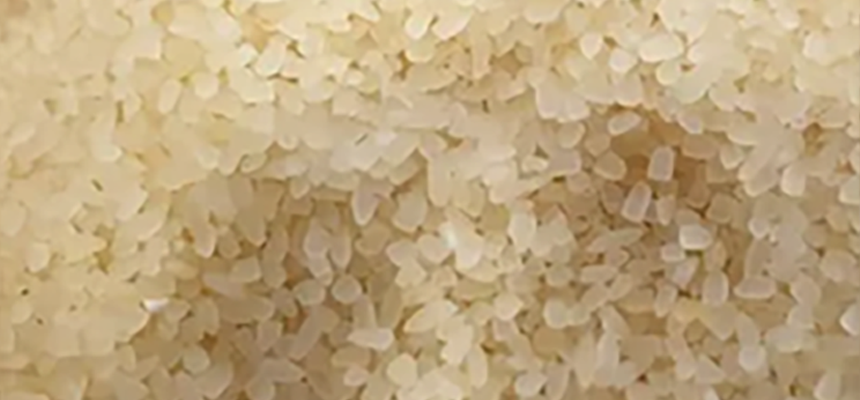
Table of Contents
What “Sella” Means
Sella is simply another name for parboiled rice. It’s the word used mostly in the Indian and Pakistani rice trade, and it’s spread from there to buyers in the Gulf, East Africa and Europe. When a buyer says “sella”, they mean rice that’s been soaked, steamed and dried in the husk before milling.
So the golden sella vs white sella parboiled rice question isn’t about two different plants. It’s about two versions of the same process. Both are parboiled. The difference is how hard the paddy is steamed, and that shows up in the colour.
If you want general background on parboiling itself, the Wikipedia page on parboiled rice is a fair summary. Most sella rice in the world is basmati, which you can read about on the basmati rice page, but non-basmati long grain rice from Thailand and elsewhere is parboiled the same way.
Golden Sella vs White Sella Parboiled Rice: The Short Version
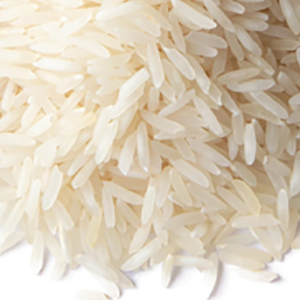
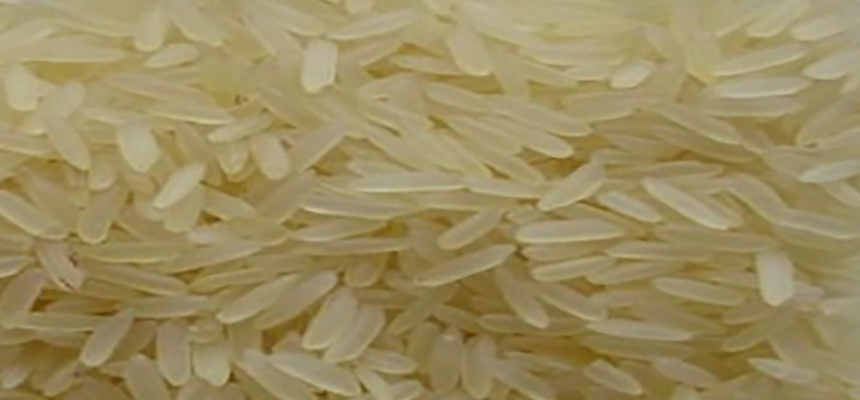
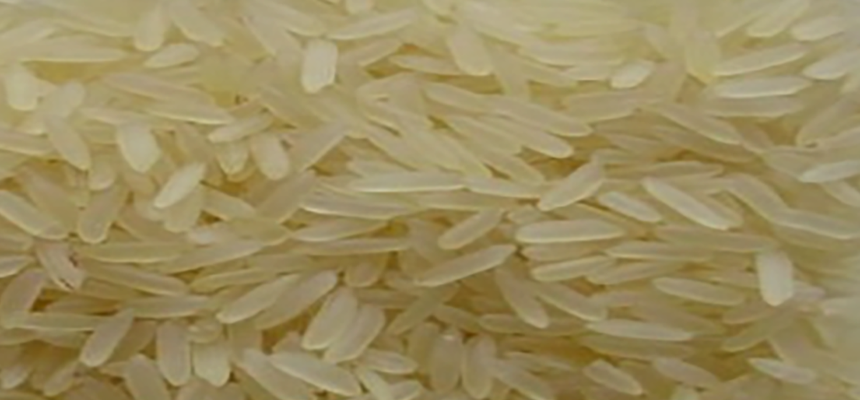
- Golden sella is steamed longer or at higher heat. The raw grain is a deep golden yellow. It stays slightly golden after cooking. It’s very firm and very hard to overcook.
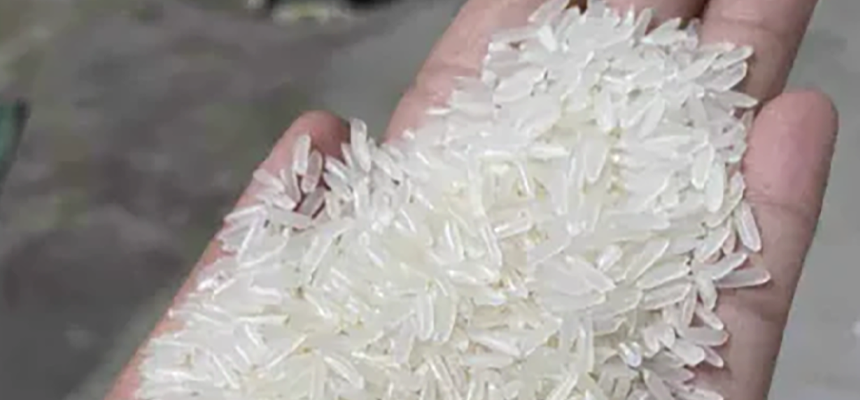
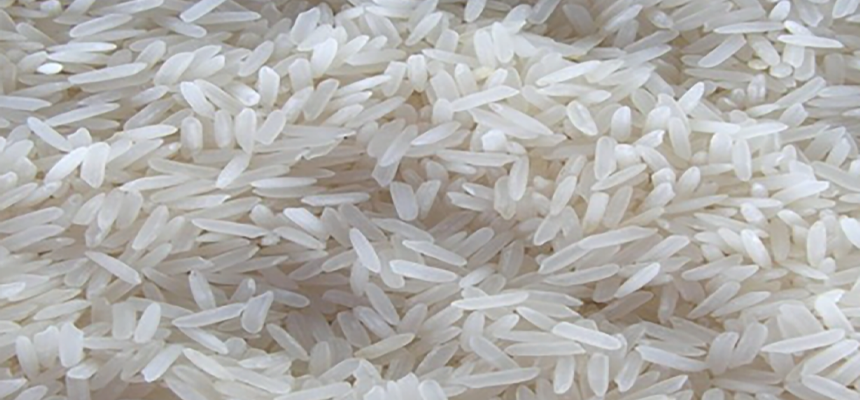
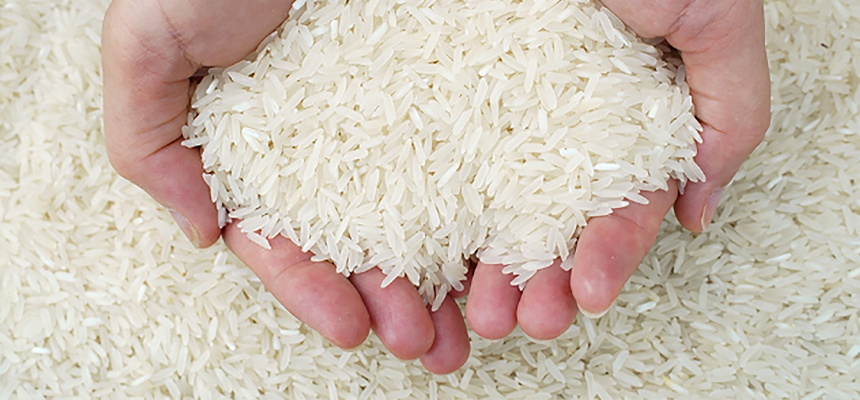
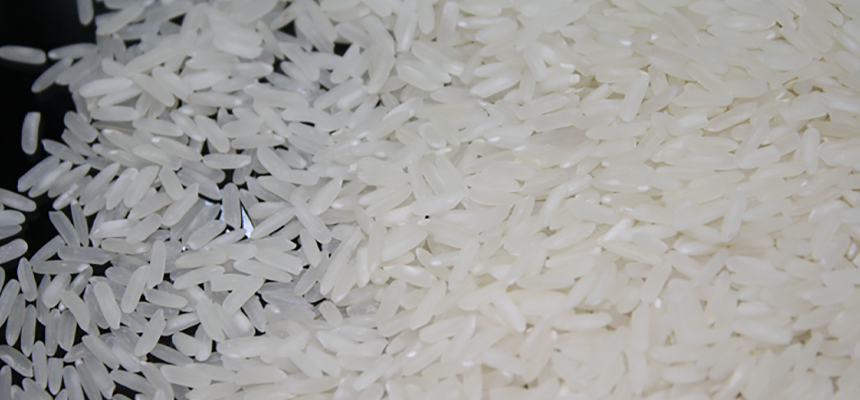
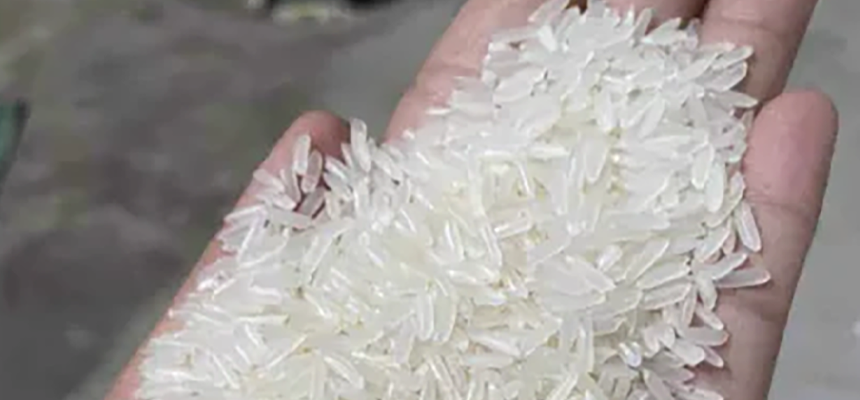
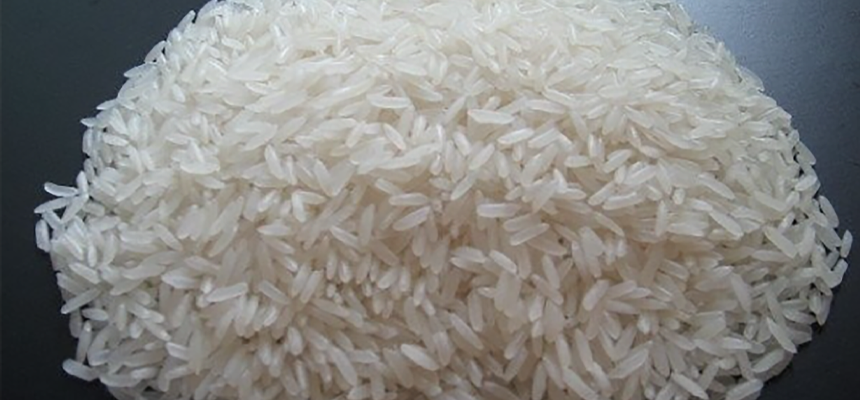
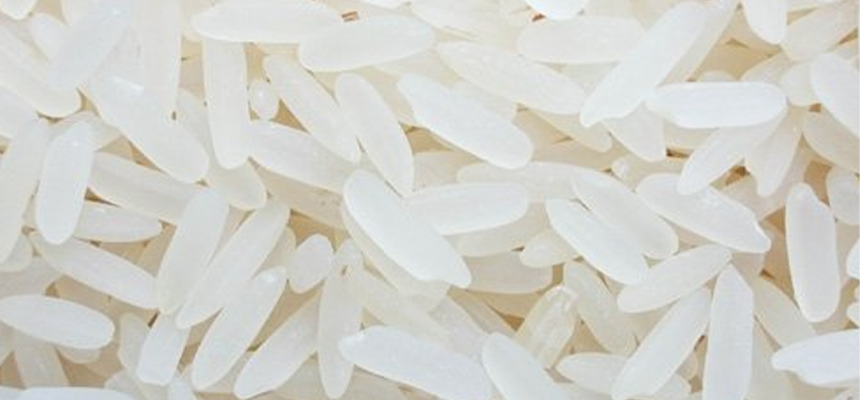
- White sella, sometimes called creamy sella, is steamed more gently. The raw grain is creamy or pale. It cooks up almost white. It’s firm, but a little softer than golden.
Everything else, like the soaking, drying, milling and sorting, is broadly the same. The whole golden sella vs white sella parboiled rice decision really comes down to steaming, and what your customers expect to see in the pot.
How Each One Is Made
Here’s where the two split.
| Step | Golden sella | White sella |
|---|---|---|
| Soaking | Hot water, longer | Warm water, shorter or gentler |
| Steaming | Longer, higher pressure or heat | Shorter, lighter |
| Drying | Slow, controlled | Slow, controlled |
| Milling and polishing | Same | Same |
| Colour sorting | Same | Same |
| Raw colour | Deep golden | Cream to pale |
The heat in steaming pulls colour from the husk and bran into the grain, and it changes the starch. More heat means more colour and a harder grain. Less heat means a paler grain that’s closer to white rice in look.
Colour: Raw and Cooked
This is what most people mean when they talk about golden sella vs white sella parboiled rice.
| Golden sella | White sella | |
|---|---|---|
| Raw | Deep golden yellow | Creamy, off white |
| Cooked | Light golden tint | Near white |
| First impression | Rich, “traditional” | Clean, close to white rice |
In some markets, the golden colour is seen as a sign of good, properly parboiled rice. In others, shoppers want rice that looks white on the plate and may think golden rice is old. Neither is right or wrong. It’s about local habit.
Texture and Cooking
Both cook firm and separate. That’s the point of parboiling, and it’s where golden sella vs white sella parboiled rice have the most in common.
Golden sella is the firmer of the two. Grains stay distinct even if the pot is left on too long, and it holds for hours in a warmer. That’s why big kitchens, hotels, and caterers doing rice for hundreds of people like it.
White sella is still firm, but a touch softer and closer to regular rice in mouthfeel. Home cooks who want parboiled benefits without the strong colour often prefer it.
| Golden sella | White sella | |
|---|---|---|
| Rice to water | About 1 : 2 to 1 : 2.5 | About 1 : 2 |
| Cooking time | 20 to 25 minutes | 18 to 22 minutes |
| Firmness | Very firm | Firm |
| Holds in warmer | Excellent | Very good |
| Absorbs sauce | Well | Well |
On cooking, golden sella vs white sella parboiled rice is a trade between maximum hold and a softer, whiter plate.
Taste and Aroma
On taste, golden sella vs white sella parboiled rice is a small gap. Golden sella has a slightly stronger, nuttier taste from the heavier steaming. White sella is milder. With basmati sella, some of the basmati aroma is lost in parboiling, and golden loses a bit more than white. With Thai long grain parboiled, the aroma is naturally mild anyway, so the difference is mainly in taste and texture.
Nutrition
Both keep more of the bran’s vitamins and minerals than plain white rice, because the steaming moves them into the grain before milling. In theory, heavier steaming moves a little more across, but in practice the gap between golden sella vs white sella parboiled rice on nutrition is small. The bigger difference is between any parboiled rice and plain white rice. We cover that in our guide to parboiled rice health benefits, and the wider comparison in parboiled rice vs white rice.
Golden Sella vs White Sella Parboiled Rice in Milling and Breakage
Heavier steaming makes a harder grain. That has a knock-on effect at the mill: golden sella usually breaks less during husking and polishing than white sella from the same paddy. The grains also survive handling better, bag after bag, from the mill to the ship to the market.
In practice, this means a golden lot and a white lot of the same broken grade can look slightly different after a long journey. The golden one tends to arrive with fewer extra broken grains. If your rice changes hands many times before it reaches the kitchen, that’s worth thinking about when you weigh up golden sella vs white sella parboiled rice.
Storage and Shelf Life
Both store well, better than plain white rice. The steaming firms up the grain and slows down the changes that make rice go stale. Golden sella, with its heavier steaming, is marginally tougher still.
For either shade:
- Keep bags on pallets, off the floor.
- Store in a cool, dry, shaded warehouse.
- Leave space for air to move around the stacks.
- Sell the oldest stock first.
- Move opened rice into a sealed container.
Stored like that, our parboiled rice keeps its quality for up to 24 months. One thing to note: parboiled rice colour can deepen very slightly over many months in hot storage. That’s normal and doesn’t affect eating quality, but it’s another reason to keep your approved sample in the same conditions as your stock.
Cooking Guide for Both Shades
If your customers are new to parboiled rice, a simple cooking guide on the bag helps a lot. Here’s the one we suggest.
Golden sella
- Rinse the rice once in cold water.
- Use about 2 to 2.5 cups of water per cup of rice.
- Bring to the boil, then turn down to a gentle simmer with the lid on.
- Cook for 20 to 25 minutes.
- Rest for five minutes, then fluff with a fork.
White sella
- Rinse the rice once in cold water.
- Use about 2 cups of water per cup of rice.
- Bring to the boil, then simmer with the lid on.
- Cook for 18 to 22 minutes.
- Rest for five minutes, then fluff.
For big-tray dishes cooked in stock or sauce, both shades take the liquid well. Golden sella can take a little more liquid and a longer cook without breaking.
Golden Sella vs White Sella Parboiled Rice for Different Buyers
Restaurants and hotels
Most chefs we’ve spoken to go golden or light golden for service. It’s forgiving, holds for hours, and the grain looks long and separate on the plate. If the menu is built around big rice dishes, golden sella vs white sella parboiled rice usually tips towards golden.
Caterers and institutions
Same logic, only more so. When you’re cooking for hundreds of people, rice that won’t go mushy even if the timing slips is worth a lot.
Supermarkets and retail brands
Here it depends on the shopper. Where families expect rice to look white, white or creamy sella sells better in retail packs. Where golden is the norm, stick with golden. Some brands carry both and let shoppers choose.
Ready meal and frozen food makers
Firm, separate grains that survive cooking, chilling or freezing and reheating are exactly what factories need. Both shades work, and the choice usually follows the look the brand wants on the finished product.
Where Each One Sells
These are broad patterns we see from our own buyers when they ask about golden sella vs white sella parboiled rice. Your city may be different.
| Region | What sells more |
|---|---|
| Gulf and wider Middle East | Both. Golden for restaurants and big trays, white or creamy for many households |
| East Africa | Golden and creamy both sell, depending on the city |
| West Africa | Light golden parboiled, like Thai, is the everyday choice in many markets |
| Europe | Light golden to creamy parboiled for food service and ready meals |
| North America | Light golden parboiled, often called “converted” rice |
| South Asia | Both, with strong local preferences |
For food service, golden sella is often the pick because it’s so forgiving. For retail family packs, many markets lean towards white or creamy sella.
What We Supply
We’re a Thai rice exporter. Our parboiled rice is Thai long grain, not basmati. The standard Thai parboiled colour sits in the middle of the golden sella vs white sella parboiled rice range: a light, even golden raw, cooking up to a pale cream. Many buyers who used to buy creamy or light golden sella find it a close match.
If you need a deeper golden or a paler, creamier shade, tell us. The shade depends on how the mill steams the paddy, and mills in Thailand can adjust within limits. We’ll send samples of what’s available before you order, so you can see the colour for yourself, not just read about it.
Our parboiled grades:
| Grade | Broken | Moisture | Sorting | Product page |
|---|---|---|---|---|
| Parboiled 5% | 5% max | 14% max | 100% sortexed | Thai parboiled rice 5% broken |
| Parboiled 15% | 15% max | 14% max | Sortexed | Thai parboiled rice 15% broken |
| Parboiled 25% | 25% max | 14% max | Sortexed | Thai parboiled rice 25% broken |
| Parboiled 100% broken | All broken | 14% max | Cleaned | Thai parboiled rice 100% broken |
All grades: purity 100%, admixture 0.1% max, shelf life up to 24 months in cool, dry storage. The full details for our top grade are in Thai parboiled rice 5% broken, 100% sortexed.
How to Choose for Your Market
When a buyer asks us about golden sella vs white sella parboiled rice, these are the questions we ask back.
Who cooks it?
Restaurants, hotels, caterers and canteens: lean golden. It holds for hours and forgives mistakes. Families cooking at home: often white or creamy, unless the local habit is golden.
What do shoppers expect to see?
Look at what’s on the shelves and in the market bags now. If the leading brands are golden, a pale rice may look wrong. If they’re creamy, a deep golden may look old. Match the market first, then compete on quality and price.
What dish is it for?
Mandi, kabsa, biryani, pilau, jollof and other big-tray dishes: golden or light golden. Plain rice with curry or stew at home: white sella or light golden both work.
What’s your price point?
Deeper steaming costs the mill a bit more energy and time. Price differences between golden and creamy shades are usually small next to the difference between broken grades, so pick the broken level first and the shade second.
Checking Colour When You Receive Rice
Colour is the easiest thing to argue about and the hardest to put in numbers. To avoid problems:
- Keep your approved sample. Seal it and label it.
- Put “colour as per approved sample” in the contract.
- When the container arrives, compare bags from the front, middle and back with the sample, in daylight.
- Remember that raw colour and cooked colour are different. Cook both before you judge.
Doing this keeps the golden sella vs white sella parboiled rice question from turning into a dispute after the rice has landed.
Pricing Golden Sella vs White Sella Parboiled Rice
Buyers often expect a big price gap between golden and white sella. In our experience, there usually isn’t one. The things that move the price of parboiled rice much more are:
- The broken level: 5%, 15%, 25% or 100% broken
- Whether the rice is 100% sortexed
- Paddy prices in Thailand at the time you order
- The baht against the dollar
- Bag type, printing and liners
- Freight to your port
- How much you buy, and how often
So when you compare golden sella vs white sella parboiled rice quotes, compare the full spec, not just the colour. A cheap golden lot with a loose broken limit and no sorting is not a better deal than a properly sorted creamy lot at a slightly higher price. If you’re new to trade terms, the ICC Incoterms page explains FOB, CFR and CIF.
A Note for Buyers Switching From Basmati Sella
Some of our buyers used to buy only basmati sella and moved part of their range to Thai parboiled to offer a lower price point. A few things they’ve told us:
- Thai parboiled grains are long and slim, but not as extra long as basmati after cooking.
- Aroma is milder than basmati.
- Texture is just as firm and separate.
- Price per ton is usually noticeably lower than basmati sella.
- It works well in the same dishes, especially in food service.
If that’s what you’re thinking about, start with a sample and cook it next to your current basmati sella. Your cooks will tell you quickly whether it fits.
Packing Options
Whichever side of golden sella vs white sella parboiled rice you choose, we pack it in:
- 1kg, 2kg and 5kg printed retail bags
- 10kg bags, PP woven or laminated
- 25kg and 50kg PP woven bags for trade
- Laminated bags and vacuum packs on request
- Private label, with your artwork and brand
Most orders ship in 20 foot containers of around 25 metric tons. We ship worldwide, FOB Thailand or CFR/CIF to your port. For what’s involved in shipping to one of the biggest parboiled markets, see our guide to parboiled rice import to West Africa.
Labelling: Sella or Parboiled?
In some markets, “sella” on the bag sells better, because that’s the word shoppers know. In others, “parboiled” is clearer. Some brands use both. What matters is that the label is honest. If the rice is Thai long grain parboiled, don’t call it basmati. Call it Thai parboiled, or Thai sella, and let the quality speak.
Common Questions We Get
Is golden sella better than white sella?
Not better, just different. Golden is firmer and more forgiving. White is paler and a little softer. In golden sella vs white sella parboiled rice, the right one is the one your customers expect.
Is golden sella rice dyed?
No. The colour comes from steaming the paddy in its husk. Proper parboiled rice has no added colour.
Does golden sella take longer to cook?
A little. Plan a couple of extra minutes and a bit more water.
Is sella the same as basmati?
No. Sella means parboiled. Basmati is a rice variety. You can have basmati sella, and you can have non-basmati sella like Thai parboiled.
Can you match my current sella colour?
Send us a sample or clear photos in daylight. We’ll tell you honestly how close we can get and send samples before you commit.
Can I get samples of different shades?
Yes, subject to what the mills have at the time. We’ll send what we can match.
Quick Checklist Before You Order
Before you settle on golden sella vs white sella parboiled rice for your next container, run through this list:
- What colour are the leading brands in your market?
- Who cooks it: families, restaurants, caterers or factories?
- Which broken level suits your price point?
- Do you need 100% sortexed for retail shelves?
- What bag size and type sells best where you are?
- Have you cooked samples of both side by side?
- Is “colour as per approved sample” written into the contract?
If you can answer all seven, you’re ready to order. If not, we’re happy to talk it through on WhatsApp before you commit to anything.
Golden Sella vs White Sella Parboiled Rice: Our Advice
From what we’ve seen shipping parboiled rice, the advice is simple. Don’t pick a shade because a price list says one is premium. Look at the dish, the cook and the shopper in your market. Then get samples, cook them side by side, and ask a few of your customers. The golden sella vs white sella parboiled rice decision usually makes itself once the rice is on the plate.
Why Buy Parboiled Rice From Us
- Parboiled rice is a core product for us.
- Specs in writing, checked by an independent inspector at loading.
- Samples from real stock, including colour samples.
- Private label bags for your brand.
- Fast replies on WhatsApp and email.
Read more about us, our quality control, and our rice standard. Common buying questions are on our FAQ page.
Get a Quote
Tell us the shade you’re after, golden, light golden or creamy, plus grade, tons, bag size and destination port. We’ll send a price, spec sheet and samples.
Email info@dethairice.com, WhatsApp +66 81 034 6390, or use our contact page. See all our products. We ship worldwide.
10 thoughts on “Golden Sella vs White Sella Parboiled Rice: Best Buyer Guide”