


Parboiled rice vs white rice is a question we get from buyers every week. Some are importers deciding what to bring into a new market. Some are caterers who’ve been told parboiled “holds better” and want to know why. Some are shop owners whose customers keep asking for one or the other.
We export both from Thailand, so we don’t have a reason to push you one way. This guide sets out what’s actually different, where each one works best, and the specs we sell each grade at. At the end there’s a short section on how to order either one.
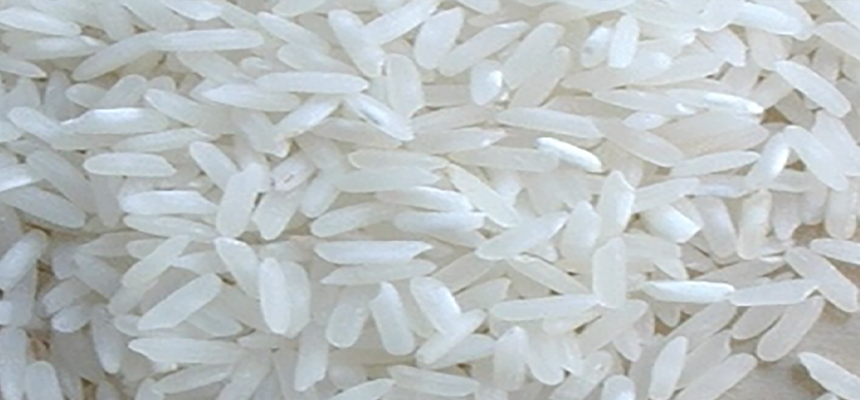
Table of Contents
Parboiled Rice vs White Rice: The Short Answer
Both start as the same thing: paddy rice in the husk. Parboiled rice vs white rice really comes down to one extra step at the mill.
White rice goes straight from the field to the mill. The husk comes off, the bran comes off, and you’re left with the white inner grain.
Parboiled rice is soaked, steamed and dried while still in the husk, and then it goes to the mill. That steaming step changes the grain. It becomes harder, turns a light gold colour, holds more of the vitamins that were in the bran, and cooks up firm and separate.
So when people compare parboiled rice vs white rice, they’re not comparing two plants. They’re comparing two ways of processing the same grain. If you want the technical background, the Wikipedia article on parboiled rice is a decent starting point.
1. How Each One Is Made
Here’s the process side by side.
| Step | White rice | Parboiled rice |
|---|---|---|
| Harvest paddy | Yes | Yes |
| Soak in water | No | Yes |
| Steam in the husk | No | Yes |
| Dry | Field or dryer | Controlled drying after steaming |
| Remove husk | Yes | Yes |
| Remove bran and polish | Yes | Yes |
| Grade and colour sort | Yes | Yes |
The soak, steam and dry steps add time, energy and cost at the mill. That’s one reason parboiled rice often costs a bit more than white rice of the same broken level.
2. Colour and Look
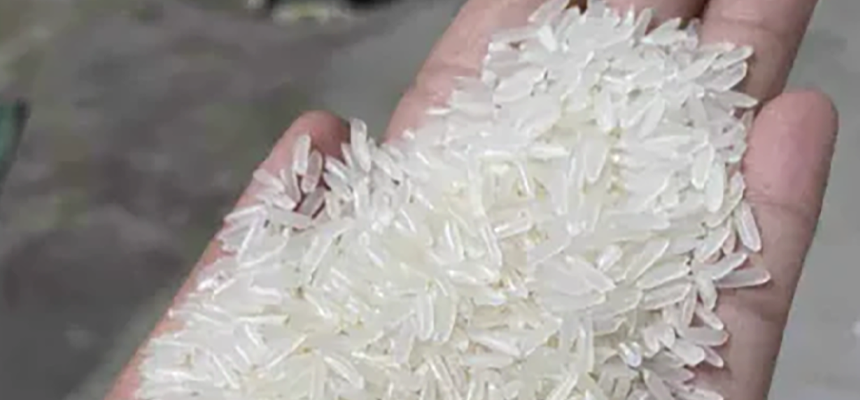
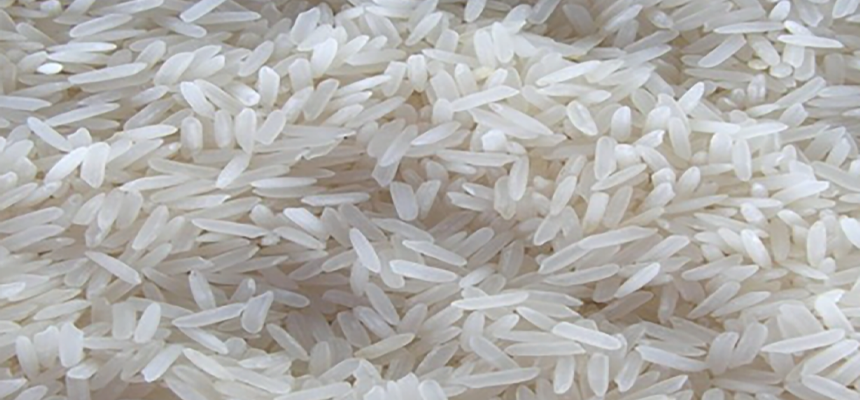
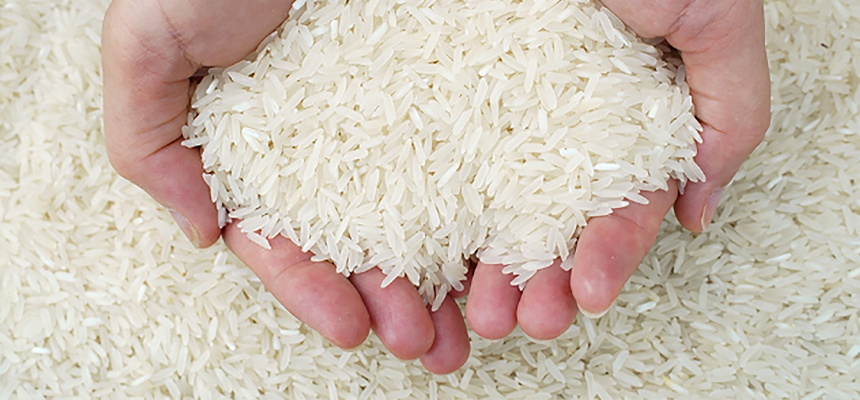
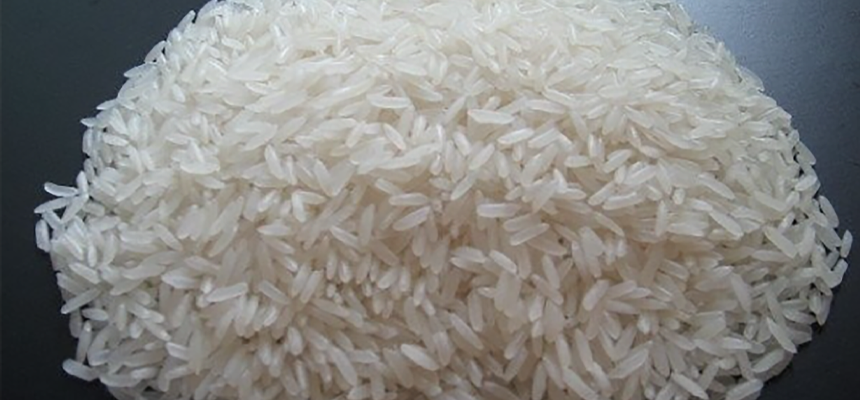
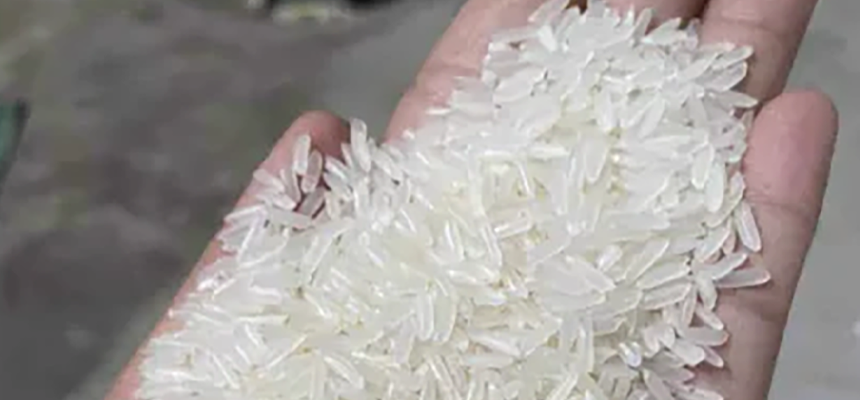
White rice is, well, white. Thai white rice is bright and slightly see-through when milled well.
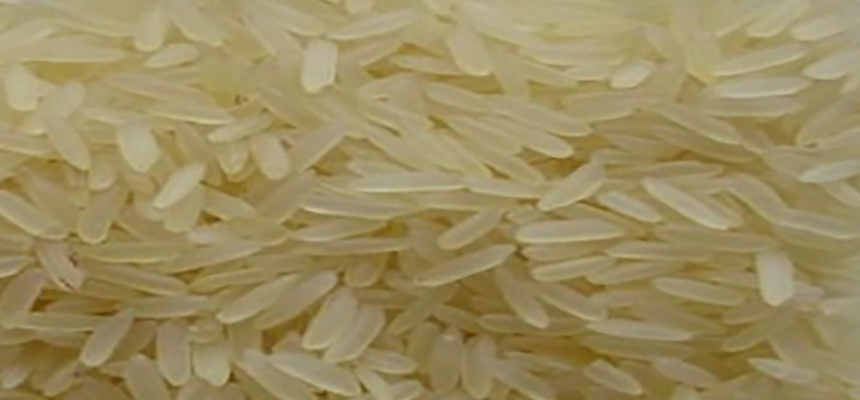
Parboiled rice is light gold or cream when raw. After cooking it goes paler, close to white, but still a touch creamier than plain white rice. In the parboiled rice vs white rice debate, colour is the first thing shoppers notice. Where people have grown up on parboiled, the gold is a sign of the rice they know. Where they haven’t, it can look like old rice at first glance. It isn’t. The colour comes from steaming, not from age.
3. Texture After Cooking
Texture is the big one in parboiled rice vs white rice, and it’s why most of our food service buyers choose parboiled.
White rice, especially Thai white and jasmine, is softer and a little sticky. It’s lovely fresh from the pot. Leave it sitting for an hour, or chill it and reheat it, and it clumps.
Parboiled rice cooks up firmer, and every grain stays separate. It holds that texture for hours in a warmer, survives reheating, and doesn’t go mushy in sauces. For a restaurant cooking in the morning and serving until night, parboiled rice vs white rice isn’t much of a contest.
4. Cooking Time and Water
Parboiled rice needs a bit more of both. Here’s parboiled rice vs white rice on the stove.
| White rice | Parboiled rice | |
|---|---|---|
| Rice to water | About 1 : 1.5 | About 1 : 2 |
| Cooking time | 15 to 18 minutes | 20 to 25 minutes |
| Rinsing | Usually rinsed | Light rinse |
| Forgiving if overcooked | Less | More |
The extra five or so minutes is the trade for rice that doesn’t fall apart. Cooks who make big pots every day get used to it quickly. Cooking yield is also a little higher for parboiled, because the grain swells more.
5. Nutrition
When the paddy is steamed in the husk, some of the water-soluble vitamins and minerals in the bran move into the grain. Then the bran is milled off. The result is that parboiled rice keeps more of certain B vitamins, like thiamine, than white rice milled to the same level. You can compare nutrient figures for different rice types on the USDA FoodData Central database.
Parboiled rice also tends to digest a little slower than regular white rice, and lists of glycemic index values, like the one kept by the University of Sydney’s GI database, often show lower numbers for parboiled. The figure depends on the variety and how it’s cooked, so we’d never sell it as a medical product. But in a parboiled rice vs white rice comparison on nutrition, parboiled comes out slightly ahead. We cover this in more detail in our guide to parboiled rice health benefits.
White rice isn’t bad for you. It’s easy to digest, low in fat, naturally gluten free, and it’s the everyday staple for billions of people. It just loses more of the bran nutrients in milling.
6. Taste and Smell
White rice from Thailand has a clean, mild taste. Jasmine and Hom Mali have a natural fragrance, which is a different product again.
Parboiled rice has a slightly nutty, fuller taste, and less aroma. Some people love it, some prefer the softer taste of white rice. It really comes down to what your customers grew up eating. On taste, parboiled rice vs white rice is a matter of habit, not quality.
7. Storage and Shelf Life
On storage, parboiled rice vs white rice is an easy call: parboiled stores better. The steaming hardens the grain and deactivates some of the enzymes that cause rice to go stale, and it’s less attractive to some insects. Our parboiled grades keep for up to 24 months in cool, dry conditions. White rice keeps well too, but for long sea voyages to hot ports and long periods in warehouses, parboiled gives you a bit more margin.
8. Breakage in Milling and Shipping
In the parboiled rice vs white rice comparison, breakage is another point for parboiled. Its grains are tougher, so fewer snap in the mill and in handling. A 5% broken parboiled lot usually arrives looking cleaner than a white rice lot with the same broken level, especially after a lot of loading and unloading. For importers who move rice through several hands before it reaches the shop, that’s worth something.
9. Price
On price, parboiled rice vs white rice usually works out like this: parboiled costs a little more than white rice of the same broken grade, because of the extra processing. The gap moves with paddy prices, energy costs and demand. Once you factor in cooking yield and less waste in kitchens, many food service buyers find parboiled comes out about even or better per plate served.
Parboiled Rice vs White Rice Around the World
Preferences vary a lot by region, and it’s worth knowing where your market sits before you order.
In much of West Africa, parboiled rice is the everyday rice. Families, market cooks and caterers use it for jollof, rice and stew, and fried rice. White rice sells too, but parboiled leads in many countries.
In the Middle East, both sell well. Parboiled and sella rice are common for mandi, kabsa and other rice dishes that sit in big trays, while fragrant white rice has its own following.
In Europe and North America, parboiled rice is well known as the rice that “doesn’t stick”, and it’s popular with food service and ready meal makers. White long grain and fragrant rice lead in home cooking.
In Asia, white rice dominates, apart from some parboiled traditions in South Asia.
So parboiled rice vs white rice isn’t a question with one answer. It depends on the customer in front of you.
Parboiled Rice vs White Rice: Side-by-Side Summary
| Point | White rice | Parboiled rice |
|---|---|---|
| Colour raw | White | Light gold |
| Texture cooked | Soft, a little sticky | Firm, separate |
| Cooking time | Shorter | Longer |
| Holds in warmer | Poorly | Very well |
| Vitamins kept | Fewer | More |
| Shelf life | Good | Better |
| Breakage | Higher | Lower |
| Price | Lower | A little higher |
| Best for | Home cooking, Asian dishes | Catering, rice dishes with sauce |
Parboiled Rice vs White Rice in the Kitchen
We talk to a lot of cooks, and this is roughly how they describe parboiled rice vs white rice once they’ve used both for a while.
Jollof, pilaf and one-pot dishes
Anything where the rice cooks in a sauce or stock suits parboiled. The grains soak up the flavour and stay whole. White rice in the same pot tends to break down and go soft at the bottom. For jollof in particular, most cooks we deal with won’t use anything else.
Biryani and layered rice
Parboiled works well because the grains stay long and separate when layered. Fragrant white rice gives more aroma but needs more care not to overcook.
Stir fry and fried rice
Both work. Day-old white rice is the classic for fried rice. Parboiled fries well too, and it’s easier to keep separate if you’re cooking fresh.
Rice with curry, stew or beans
White rice is softer and soaks up sauce on the plate. Parboiled holds its shape better if the plate sits. Either is fine, it’s down to taste.
Sushi, congee and rice puddings
White rice, no question. These dishes need the starch and softness that parboiled rice doesn’t give.
Parboiled Rice vs White Rice for Caterers
For a catering business, the parboiled rice vs white rice choice is mostly about waste and consistency. A few things caterers tell us:
- Parboiled rice can be cooked early and held hot for hours without clumping.
- It reheats well from chilled, so leftovers can be used the next day.
- Different cooks get more consistent results with it, because it’s harder to overcook.
- Yield per kilo of raw rice is usually a little higher.
- Less rice ends up thrown out at the end of service.
Put those together and the slightly higher price per ton often pays for itself. That’s why hotel groups, airline caterers, school feeding programmes and big canteens around the world lean towards parboiled.
Parboiled Rice vs White Rice for Retail Shelves
For shops and supermarkets, it’s different. Here, parboiled rice vs white rice comes down to what local families already eat. If your shoppers grew up on parboiled, stock parboiled. If they grew up on soft white rice, they’ll want that, and only a few will switch.
What sells well in retail:
- Clean, even rice. Buy 5% broken and 100% sortexed for shelf packs.
- Good bags that don’t tear or leak.
- Clear cooking instructions.
- A brand name shoppers can find again next time.
We can print your own brand on 1kg, 5kg and 10kg bags for either rice type.
Parboiled Rice vs White Rice on a Long Sea Route
If you import into a hot, humid port with a long voyage from Thailand, parboiled has a small edge. The harder grain handles heat and humidity a bit better, and it’s less prone to insects. White rice still ships fine if moisture is kept at or under 14% and the bags are good, which is how we ship all our grades. Either way, ask for fumigation before loading and store the rice properly when it lands.
What to Put in Your Contract
Whether you go with parboiled rice vs white rice, get the key specs in writing:
- Rice type and origin
- Broken percentage, maximum
- Moisture, maximum
- Sorting: sortexed or not, and how many passes
- Crop year
- Bag type, size and weight, plus marking
- Inspection company and where inspection happens
- Documents to be supplied
It sounds basic, but most rice disputes we hear about come from contracts that just said “parboiled rice” or “white rice 5%” and nothing else.
Which One Should You Buy?
Here’s how we’d help a buyer choose between parboiled rice vs white rice for their business.
Choose parboiled rice if
- You supply restaurants, hotels, schools, hospitals, camps or airlines.
- Your customers cook one big pot and eat from it all day.
- Your market already knows and likes parboiled, like much of West Africa, parts of the Middle East, Europe and the Americas.
- You’re making ready meals, frozen rice dishes or canned rice.
- The rice will sit a long time in a hot warehouse.
Choose white rice if
- Your customers eat rice fresh, straight from the cooker.
- They prefer a soft, slightly sticky texture.
- Price per ton is the main thing, and cooking performance matters less.
- The rice goes into Asian dishes like stir fries, curries or congee.
Or take both
A lot of our importers carry both. White rice for home cooks who want it soft, parboiled for caterers and people cooking for big families. A mixed container can be a good way to test demand.
Our Parboiled Rice Grades
All our parboiled rice is Thai long grain, soaked and steamed in the husk, milled, polished and colour sorted.
| Grade | Broken | Moisture | Sorting | Product page |
|---|---|---|---|---|
| Parboiled 5% | 5% max | 14% max | 100% sortexed | Thai parboiled rice 5% broken |
| Parboiled 15% | 15% max | 14% max | Sortexed | Thai parboiled rice 15% broken |
| Parboiled 25% | 25% max | 14% max | Sortexed | Thai parboiled rice 25% broken |
| Parboiled 100% broken | All broken | 14% max | Cleaned | Thai parboiled rice 100% broken |
For more detail on the top grade, read our full guide to Thai parboiled rice 5% broken, 100% sortexed.
Our White Rice Grades
Our Thai white rice is long grain, milled, double polished and sorted.
| Grade | Broken | Moisture | Product page |
|---|---|---|---|
| White rice 100% sortexed | Premium | 14% max | Thai white rice 100% sortexed |
| White rice 5% | 5% max | 14% max | White rice 5% broken |
| White rice 10% | 10% max | 14% max | Thai white rice 10% broken |
| White rice 25% | 25% max | 14% max | White rice 25% broken |
| White rice 100% broken | All broken | 14% max | Thai white rice 100% broken |
If you want fragrant rice instead, we also sell Thai Hom Mali rice and Thai jasmine rice.
Packing for Both
Whichever side of parboiled rice vs white rice you land on, the packing options are the same:
- 1kg, 5kg and 10kg retail bags, printed or plain
- 25kg and 50kg PP woven bags for trade
- Laminated bags and vacuum packs on request
- Private label with your own brand and artwork
- Inner liners for long, hot sea routes
Most orders ship in 20 foot containers, around 25 metric tons each in 50kg bags.
Common Myths We Hear
“Parboiled rice is precooked, so it’s instant.” No. It’s steamed in the husk before milling, not cooked for eating. You still cook it normally, a little longer than white rice.
“The yellow colour means it’s old.” No. The colour comes from the steaming. Fresh parboiled rice is gold on day one.
“Parboiled is brown rice.” No. Brown rice keeps the bran. Parboiled rice has the bran milled off, just like white rice. It only keeps some of the bran’s nutrients because they moved into the grain during steaming.
“White rice has no nutrition.” Also not true. It’s a good source of energy and it’s easy to digest. In the parboiled rice vs white rice comparison, the gap on nutrition is real but not huge.
“You can’t sell parboiled where people eat white rice.” You can, especially to caterers. It just takes a bit of explaining at first.
How Buyers Test the Difference
If you’re still weighing up parboiled rice vs white rice for your market, do a simple test. Order samples of both. Cook each one the way your customers would. Leave both in the pot for two hours with the lid on, then look at them and taste them. Then reheat some the next day. It’ll be obvious which one suits your customers’ way of cooking.
We send samples of any of our grades. You cover the courier, and we’ll often credit it back on your first order.
Selling Tips for Importers
If you’re bringing parboiled rice into a market that mainly eats white rice, or the other way round, a few things help:
- Start with caterers and restaurants. They see the difference fastest.
- Put cooking instructions on the bag, with the right water ratio.
- Explain the colour on the pack.
- Offer a small retail size so families can try it without committing to 50kg.
- Keep your price close to the white rice they know, at least at the start.
Frequently Asked Questions
Is parboiled rice healthier than white rice?
It keeps more of some vitamins and minerals, and it tends to digest a bit more slowly. White rice is still a fine everyday food. For more, see our guide on parboiled rice health benefits.
Which is cheaper, parboiled rice vs white rice?
White rice is usually a bit cheaper per ton at the same broken level. Parboiled can work out close once you count cooking yield and less waste.
Does parboiled rice taste different?
A little. It’s slightly nuttier and firmer. White rice is softer and milder.
Can I mix both in one container?
Yes, within reason. Ask us about mixed loads.
Is golden sella the same as parboiled?
Sella is another name for parboiled rice, used mostly in basmati trade. Golden and white sella are shades of parboiled. We explain it in golden sella vs white sella parboiled rice.
Do you ship to West Africa?
Yes. It’s one of the biggest markets for parboiled rice. Read our guide to parboiled rice import to West Africa.
Get a Quote for Parboiled or White Rice
Once you’ve settled parboiled rice vs white rice for your market, send us your details: grade, tons, bag size, destination port and FOB or CIF. We’ll reply with a price, the spec sheet and a sample offer, usually within a day.
Email info@dethairice.com, WhatsApp +66 81 034 6390, or use our contact page. You can also browse all our products, read how we handle quality control, or check the FAQ. We ship worldwide.


20 thoughts on “Parboiled Rice vs White Rice: 9 Honest Differences for Buyers”