


Parboiled rice health benefits are one of the main reasons buyers ask us about this rice. Supermarkets want something to say on the pack. Caterers feeding schools and hospitals want to know it’s a sensible choice. Importers want to know whether “healthier than white rice” is a real selling point or just marketing.
We’re rice exporters, not doctors, so we’ll keep this practical. Below is what parboiling actually does to the grain, what that means for nutrition, where the claims hold up and where they get stretched. At the end, you’ll find the specs of the Thai parboiled rice we sell and how to order it.
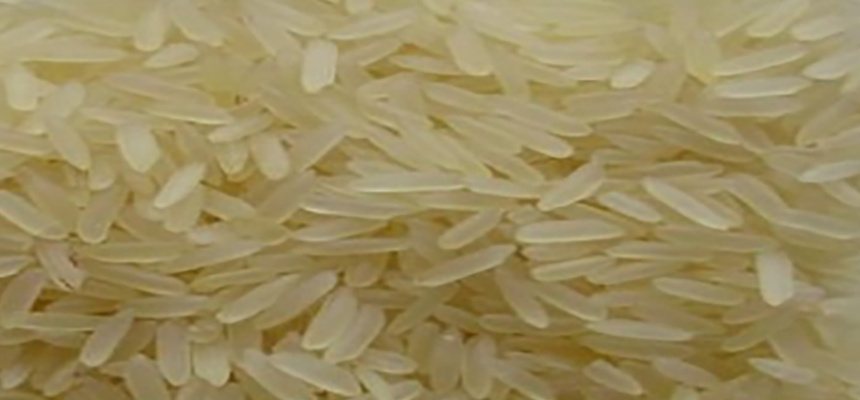
Table of Contents
First, What Parboiling Does to the Grain
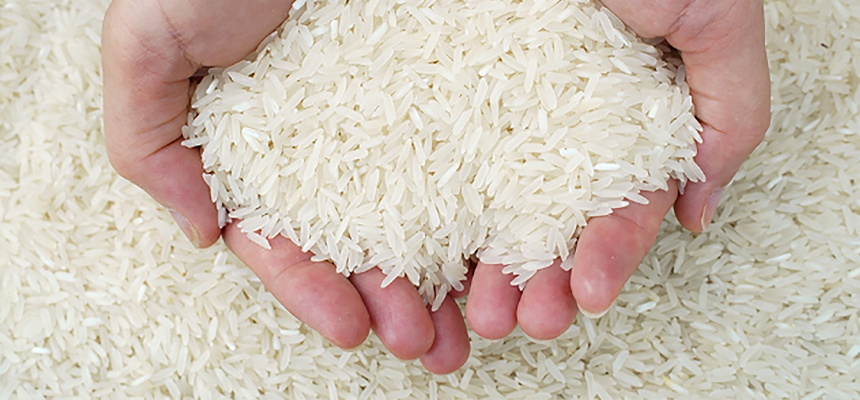
Parboiled rice is paddy that’s soaked, steamed and dried while still in its husk, and only then milled. Most parboiled rice health benefits come from that one step.
When the paddy is soaked and steamed, water carries some of the vitamins and minerals from the bran layer into the starchy inside of the grain. Then, when the bran is milled off, those nutrients stay behind in the kernel instead of leaving with the bran. The steam also changes the starch, making the grain harder and changing how it breaks down when you eat it.
That’s the whole mechanism. No additives, no enrichment powder, nothing sprayed on. It’s a physical process. You can read the background on the Wikipedia page on parboiled rice.
1. More B Vitamins Than Plain White Rice
This is the best-known of the parboiled rice health benefits, and the one with the longest history behind it. Plain white rice loses most of its thiamine (vitamin B1) when the bran is milled off. Parboiled rice keeps a good share of it, because the steaming pushed it into the grain first. Niacin (B3) and some other B vitamins follow the same pattern.
Thiamine matters. Historically, in places where people lived mostly on polished white rice, thiamine deficiency, known as beriberi, was a real problem. Communities that parboiled their rice were much less affected. You can read about thiamine and why the body needs it on the Wikipedia thiamine page.
Today most people eat a mixed diet, so this isn’t usually a life-or-death point. But in markets where rice is eaten two or three times a day, the extra B vitamins add up.
2. Some Minerals Stay in the Grain
Minerals are the second of the parboiled rice health benefits that come straight from the bran. Along with vitamins, some minerals from the bran move into the kernel during parboiling. The amounts vary with the rice variety and the process, but parboiled rice generally holds a bit more of certain minerals than white rice milled to the same degree. You can compare nutrient figures for different rice types on USDA FoodData Central, which lists lab values for many rice products.
3. Slower Digestion and a Gentler Blood Sugar Rise
Here’s the one people ask about most. The steaming changes the starch structure, and part of it re-forms into a type that the body digests more slowly. Many studies and glycemic index tables, including the University of Sydney’s GI database, list parboiled rice with lower glycemic index values than regular white rice.
What that means in plain terms: parboiled rice tends to raise blood sugar a bit more slowly after a meal. That’s one of the parboiled rice health benefits that people managing their weight or blood sugar often look for.
A fair warning, though. GI numbers vary a lot with the rice variety, how long it’s cooked and what it’s eaten with. Parboiled rice is still a carbohydrate food. It’s not a medicine. Anyone with diabetes should follow their own doctor’s or dietitian’s advice on portions.
4. More Resistant Starch
Linked to point 3, parboiled rice contains more resistant starch than regular white rice. Resistant starch behaves a bit like fibre. It passes through the small intestine without being fully digested and gets fermented in the large intestine, which feeds the good bacteria there. Cooling cooked rice and reheating it can raise resistant starch further.
This is one of the quieter parboiled rice health benefits, but it’s one that nutrition researchers take seriously.
5. Keeps You Full a Bit Longer
Fullness is one of the parboiled rice health benefits people notice without reading any study. Because it’s firmer and digests more slowly, a lot of people find parboiled rice keeps them full a little longer than soft white rice. It’s not a dramatic difference, and it depends on the meal, but it’s something our buyers hear from their own customers.
6. Naturally Gluten Free
This isn’t unique among parboiled rice health benefits, since all plain rice is naturally gluten free, and parboiled rice is no different. For people with coeliac disease or gluten intolerance, it’s a safe staple, as long as it’s packed and cooked without cross contact. If your market needs a gluten-free statement on the pack, ask us and we’ll tell you what paperwork we can supply.
7. Low in Fat, Easy on the Stomach
Low fat is one of the simpler parboiled rice health benefits. Parboiled rice is very low in fat and has no cholesterol. It’s easy to digest for most people, which is why hospitals, schools and elderly care kitchens use it. The firm grains also hold up well in soups and stews for people who need softer food.
8. Better Kept, Less Waste
This one’s not strictly one of the nutritional parboiled rice health benefits, but it matters. Parboiled rice stores better than white rice and resists insects better. In hot, humid places, that means less spoiled rice, and less chance of eating rice that’s gone off. For a school feeding programme or a family buying in bulk, that’s a real benefit.
Parboiled Rice Health Benefits for Different People
The same rice suits different people for different reasons. Here’s how the parboiled rice health benefits play out for a few groups our buyers feed.
Children and school meals
Kids need steady energy through the school day. Parboiled rice gives slow-release carbohydrate, keeps more B vitamins than white rice, and holds its shape in big school kitchens where rice might be cooked hours before lunch. It’s also mild in taste, which most children accept easily. School feeding programmes in several countries use parboiled rice for exactly these reasons.
Older people
For older people, rice that’s easy to digest and gentle on the stomach matters. Parboiled rice fits well, and because it doesn’t go mushy, it can be served in soups and stews without turning to paste. Care home kitchens like that it holds well in a warmer too.
Active workers and athletes
People doing heavy physical work, and people training hard, need a lot of carbohydrate. Parboiled rice gives them fuel that lasts a bit longer than soft white rice. It’s also cheap per serving, which matters for canteens feeding workers on farms, building sites, mines and ships.
People watching their weight
Nothing makes rice a diet food on its own. But because parboiled rice tends to keep people full a bit longer and digests more slowly, some find it easier to stick to sensible portions. Pair it with plenty of vegetables and some protein.
Sensible Portions
The parboiled rice health benefits only go so far if the plate is mostly rice. A few simple guides that dietitians often use:
- About a quarter of the plate as rice, a quarter protein, half vegetables.
- Around 60 to 75g of raw rice per adult serving for a normal meal, more for heavy workers.
- Add beans, lentils or peas to the rice to raise fibre and protein.
These are general guides, not medical advice. People with health conditions should follow their own doctor or dietitian.
Easy Meal Ideas With Parboiled Rice
Parboiled rice works in almost any rice dish that needs firm, separate grains. Some healthy ideas our buyers pass on to their customers:
- Vegetable jollof. Cooked in tomato and pepper stock, loaded with carrots, peas and green beans.
- Rice and beans. A classic across Africa, the Caribbean and the Americas. Beans add fibre and protein.
- Chicken and vegetable pilaf. One pot, stock-cooked rice with lean meat and vegetables.
- Fish and rice bowls. Grilled fish, parboiled rice and a big salad.
- Rice salad. Cooled parboiled rice with chopped vegetables, herbs and a little oil. Cooling raises resistant starch.
- Lentil and rice pot. Cheap, filling and full of protein.
All of these hold up well if cooked ahead, which is another reason parboiled suits busy kitchens.
Keeping the Goodness in Storage
Parboiled rice health benefits hold up well in storage, but a few basics protect the rice. Keep it cool, dry and out of direct sun. Keep bags sealed until use. Once opened, move rice into an airtight container. Heat and damp are the main enemies of any rice, parboiled included. Stored properly, our parboiled rice keeps its quality for up to 24 months.
Parboiled Rice Health Benefits Compared With White and Brown Rice
It helps to see parboiled rice health benefits in context.
| White rice | Parboiled rice | Brown rice | |
|---|---|---|---|
| Bran removed | Yes | Yes | No |
| B vitamins kept | Low | Medium to good | High |
| Fibre | Low | Low to medium | Higher |
| Glycemic response | Higher | Lower on average | Lower on average |
| Resistant starch | Lower | Higher | Medium |
| Texture | Soft | Firm, separate | Chewy |
| Cooking time | Short | Medium | Long |
| Shelf life | Good | Better | Shorter, bran oils go rancid |
So parboiled rice sits in a useful middle ground. It keeps a good part of brown rice’s nutrition, cooks and looks close to white rice, and stores better than either. That’s why many families who don’t enjoy brown rice still get some of the benefit by switching to parboiled. For the full comparison with white rice, see our guide on parboiled rice vs white rice.
Where the Claims Get Stretched
We sell parboiled rice, so it would be easy for us to overstate things. We’d rather not. Here’s where parboiled rice health benefits get exaggerated online:
- “It’s a superfood.” It’s a good staple, not a superfood.
- “It’s diabetic rice.” It may raise blood sugar more slowly than white rice, but people with diabetes still need to watch portions.
- “It has as much fibre as brown rice.” It doesn’t. Brown rice keeps the bran, parboiled doesn’t.
- “It’s lower in calories.” Per gram, calories are about the same as white rice.
- “The gold colour means it’s healthier.” The colour is just from steaming. Deeper gold doesn’t mean more nutrition in any way you’d notice. We explain the colours in golden sella vs white sella parboiled rice.
If you’re writing claims on your own packs, check your country’s food labelling rules. Most countries control what health claims you can print.
How to Cook It to Get the Most From It
Parboiled rice health benefits last through normal cooking, but a few habits help.
- Rinse lightly, once. Heavy washing can wash away some water-soluble vitamins.
- Use about two cups of water per cup of rice, and let it absorb the water rather than boiling it in lots of water and draining.
- Simmer 20 to 25 minutes with the lid on.
- Cooking, cooling and reheating raises resistant starch. Leftover parboiled rice reheats very well.
- Eat it with vegetables, beans, fish or meat. A mixed plate slows digestion even more.
Why Thai Parboiled Rice
Parboiled rice is made in many countries, and the parboiled rice health benefits come from the process, not the flag. But Thai parboiled has some things going for it that buyers value.
Thailand has been parboiling long grain rice for export for decades, and the mills know the process well. That means even steaming, even colour and a consistent grain from one lot to the next. The paddy is long grain, which gives long, slim cooked grains that look good on the plate. And because Thai mills export to demanding markets around the world, colour sorting and clean processing are standard at the better mills.
For a buyer, consistency is part of the health story too. If one shipment is steamed properly and the next isn’t, the nutrition and cooking quality won’t match what’s on your label. We work with mills that steam and dry every lot the same way, and we check each lot before it leaves Thailand.
Questions to Ask Any Parboiled Rice Supplier
If the parboiled rice health benefits are part of your pitch to customers, ask your supplier:
- Is the rice properly parboiled, or just lightly steamed?
- Is anything added, like colour, oil or glazing?
- What are the broken and moisture limits in the contract?
- Is it colour sorted?
- Can you supply lab reports for residues and nutrition if we need them?
- How old is the crop?
We’ll answer all of these for our rice, in writing.
Who Buys Parboiled Rice for Health Reasons
Our buyers who talk about parboiled rice health benefits usually fall into a few groups:
- Supermarkets and retail brands who want a better-for-you rice line next to their white rice.
- School feeding and institutional caterers who need nutritious, filling, low-waste rice for large numbers.
- Hospital and elderly care kitchens who want rice that’s easy to digest and holds well.
- Airline and hotel caterers where rice sits hot for long periods.
- Importers in markets where parboiled is already the everyday rice and families trust it.
The Thai Parboiled Rice We Sell
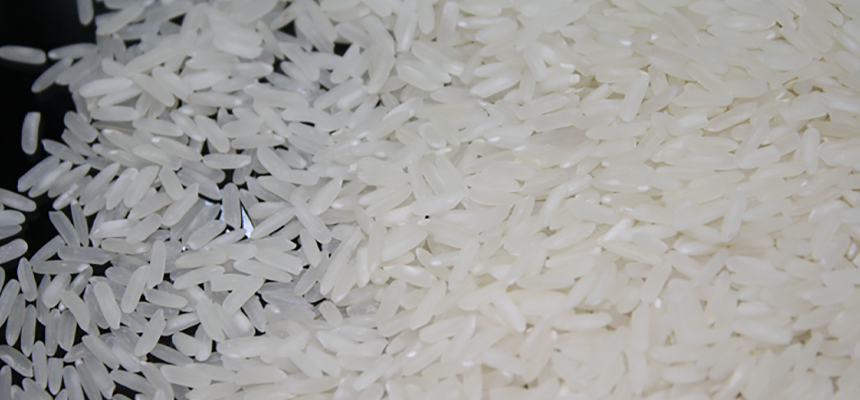
We export Thai long grain parboiled rice from Thailand, in four grades. All are soaked and steamed in the husk, milled, polished and sorted, with no additives.
| Grade | Broken | Moisture | Sorting | Product page |
|---|---|---|---|---|
| Parboiled 5% | 5% max | 14% max | 100% sortexed | Thai parboiled rice 5% broken |
| Parboiled 15% | 15% max | 14% max | Sortexed | Thai parboiled rice 15% broken |
| Parboiled 25% | 25% max | 14% max | Sortexed | Thai parboiled rice 25% broken |
| Parboiled 100% broken | All broken | 14% max | Cleaned | Thai parboiled rice 100% broken |
All grades: purity 100%, admixture 0.1% max, light golden colour, shelf life up to 24 months in cool, dry storage. For retail packs where the health angle matters, most buyers choose our Thai parboiled rice 5% broken, 100% sortexed.
Packing
- 1kg, 2kg and 5kg printed retail bags
- 10kg laminated or PP woven bags
- 25kg and 50kg PP woven bags for trade
- Vacuum packs on request
- Private label with your brand and nutrition panel
We can print a nutrition panel and cooking instructions on your bags. You’re responsible for the final wording of any health claim, since the rules differ country by country, but we’re happy to share lab results to support your label.
Quality and testing
Every lot is cleaned, checked for foreign matter and insects, tested for moisture and broken, and inspected by an independent company at loading. Lab tests for residues, heavy metals or nutrition values can be arranged on request. You can read more on our quality control page and our rice standard page.
Cooking for Large Numbers
In big kitchens, parboiled rice health benefits are easy to lose through bad cooking habits. Boiling rice in a huge pot of water and pouring the excess down the drain throws away some of the water-soluble vitamins with it. The absorption method, with measured water, keeps them in the rice. For large batches, steam ovens and rice cookers work very well with parboiled rice, and the firm grains stay separate even in deep trays. Cook in batches through the service where possible, rather than one giant pot at the start, and the rice will look and taste better at the end of the day too.
Using Parboiled Rice Health Benefits in Your Marketing
If you’re an importer or a brand owner, here’s how we’ve seen parboiled rice health benefits used well, without overpromising:
- “Keeps more natural B vitamins than regular white rice.”
- “Firm, separate grains. Naturally gluten free.”
- “Steamed in the husk, the traditional way.”
- “No additives. Just rice.”
Keep it simple and true. Shoppers trust a plain claim more than a big one, and it keeps you on the right side of food labelling rules.
Shipping and Ordering
We ship parboiled rice worldwide, usually in 20 foot containers of around 25 metric tons. We sell FOB Thailand or CFR/CIF to your port, with the standard documents: commercial invoice, packing list, bill of lading, certificate of origin, phytosanitary certificate, fumigation certificate and an inspection certificate. If you’re shipping to one of the biggest parboiled markets, our guide on parboiled rice import to West Africa covers the details.
Frequently Asked Questions
Is parboiled rice healthier than white rice?
On most counts, a little. It keeps more B vitamins and some minerals, and it tends to digest more slowly. Those are the main parboiled rice health benefits. White rice is still a fine everyday food.
Is parboiled rice good for people with diabetes?
It often has a lower glycemic index than white rice, but it’s still a carbohydrate. Anyone with diabetes should follow their doctor’s advice on what and how much to eat.
Is parboiled rice the same as brown rice?
No. Brown rice keeps the bran. Parboiled rice has the bran removed, but keeps some of its nutrients because of the steaming.
Does parboiled rice have more calories?
No. Calories per gram are about the same as white rice. Parboiled rice health benefits are about nutrients and digestion, not fewer calories.
Is there anything added to your parboiled rice?
No. Just rice, soaked, steamed, dried, milled and sorted.
Can you provide lab reports?
Yes. Standard quality reports come with each shipment, and extra lab tests can be arranged on request.
Order Parboiled Rice
If the parboiled rice health benefits above fit what your customers want, send us your grade, tons, bag size, destination port, and FOB or CIF. We’ll come back with a price, the spec sheet and a sample offer.
Email info@dethairice.com, WhatsApp +66 81 034 6390, or use our contact page. You can browse all our products, read about us or check our FAQ. We ship worldwide.
10 thoughts on “Parboiled Rice Health Benefits: 8 Honest Reasons to Stock It”