


Looking for a Thai Japonica rice supplier? We supply Thai-grown Japonica rice, the short and medium grain rice used for sushi, onigiri, bento, Korean and Chinese dishes, ready meals and rice desserts. It’s grown in the cooler north of Thailand, milled and sorted to export grade, and shipped in retail packs, 25kg sacks or full containers to buyers around the world.
Most people think of Thailand as the home of long grain rice, Hom Mali and parboiled. That’s true. But Thailand also grows a smaller, very good crop of Japonica rice, and for a lot of buyers it hits a sweet spot between price and quality that’s hard to beat. This guide explains what Thai Japonica rice is, how it compares with Japanese, Californian and Chinese Japonica, what our specs are, and how to order from us as your Thai Japonica rice supplier.
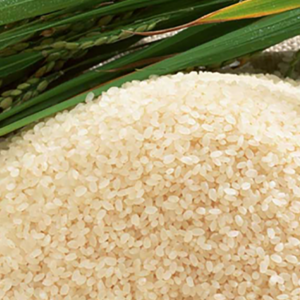
Table of Contents
What Is Japonica Rice?
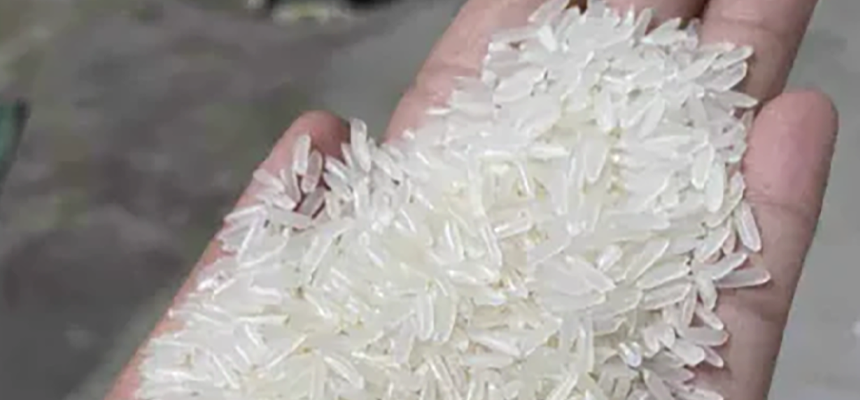
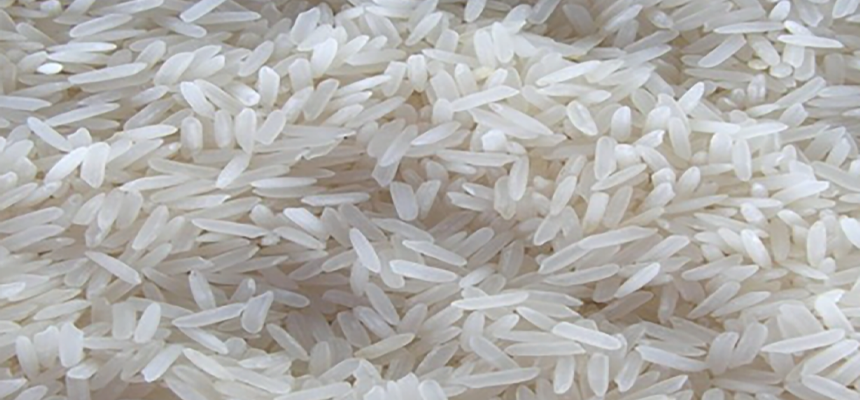
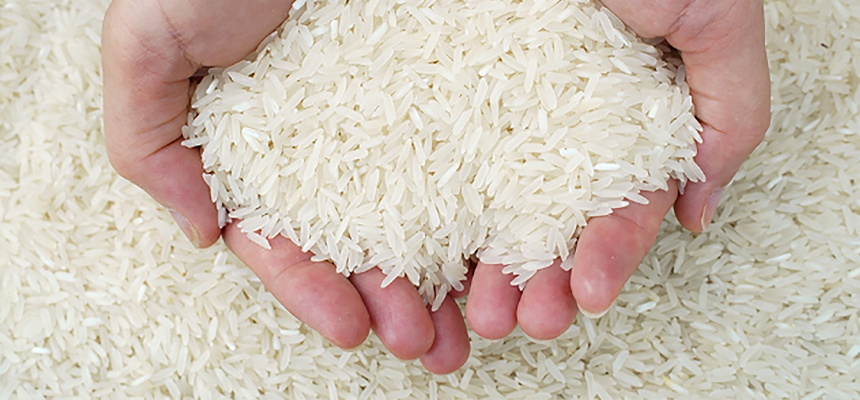
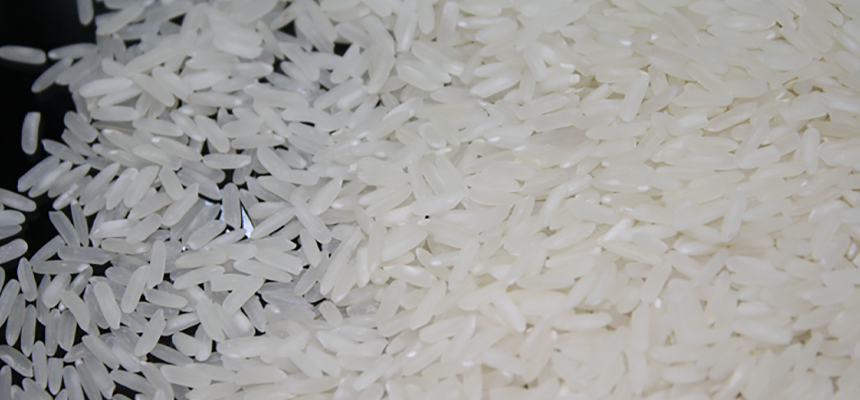
Rice for eating falls into two big groups: Indica and Japonica. Indica rice, like Thai Hom Mali, white rice and parboiled, has long, slender grains that cook up separate. Japonica rice has short, round or medium grains that cook soft, moist and a bit sticky, so the grains hold together.
That stickiness comes from the starch. Japonica rice has lower amylose than most long grain rice, usually somewhere around 15 to 20%, which gives it a soft, glossy, slightly chewy bite. It’s the rice of Japan and Korea, and of north and northeast China. The Japonica rice article on Wikipedia gives a good overview if you want the plant science.
Japonica rice is not the same as glutinous (sticky) rice. Glutinous rice has almost no amylose at all and turns into a sticky mass. Japonica is soft and clingy, but each grain is still a grain. If you need true sticky rice, look at our Thai glutinous rice instead.
Japonica Rice in Thailand
Japonica rice needs cooler weather than Indica, so in Thailand it grows mainly in the north: Chiang Rai, Chiang Mai, Phayao and nearby provinces, where the nights are cooler and the hills give a longer growing season. Farmers grow Japanese-type varieties, often under contract, with seed and growing methods matched to what Japanese and Korean buyers expect.
It’s a small crop compared with Thai Hom Mali or white rice, but it’s been growing for years, mainly to supply Japanese restaurants, Japanese food factories in Thailand, and export buyers who want Japonica at a better price than Japan or California can offer.
So when you work with a Thai Japonica rice supplier, you’re buying rice that is grown and milled in a country with a long rice export history, strict grading, good ports, and costs well below Japan.
A Short Note on Varieties
Thai Japonica rice isn’t one single variety. Most of what’s grown is Japanese-type short grain, bred for soft, sticky, glossy cooked rice, with some medium grain types as well. Seed is usually supplied through the companies that contract the farms, and the growing calendar is set so harvest falls in the cooler, drier months.
For you as a buyer, the variety name matters less than three things: the grain shape, how it cooks, and how consistent it is from lot to lot. That’s why we always suggest cooking a sample before you sign. A good Thai Japonica rice lot should cook glossy and soft, hold its shape in a sushi roll or onigiri, and still taste good when it cools to room temperature.
Sushi Grade vs Standard Grade
Not every buyer needs the same thing. We split our Thai Japonica rice into two main grades.
| Standard grade | Sushi grade | |
|---|---|---|
| Broken grains | 5% maximum | 2 to 3% maximum |
| Chalky grains | 3% maximum | 2% maximum |
| Sorting | 100% sortexed | Double sortexed |
| Crop | Current season | New crop where available |
| Milling | Close to shipment | Milled and packed as close to loading as possible |
| Best for | Ready meals, Korean and Chinese dishes, retail | Sushi chains, onigiri, premium retail |
| Price | Lower | Higher |
If you’re not sure which you need, start with a sample of each. Some buyers are surprised how well standard grade works for their menu.
Our Thai Japonica Rice Specifications
Here is the standard spec we offer as a Thai Japonica rice supplier. We can tighten it for sushi-grade orders.
| Parameter | Specification |
|---|---|
| Product | Thai Japonica rice, white, polished |
| Origin | Northern Thailand |
| Grain type | Short to medium grain, round |
| Average grain length | About 4.5 to 5.5 mm |
| Broken grains | 5% maximum (2 to 3% available for sushi grade) |
| Moisture | 14% maximum |
| Purity | 95% minimum Japonica |
| Chalky grains | 3% maximum |
| Yellow and damaged grains | 0.5% maximum |
| Red and undermilled grains | 0.5% maximum |
| Foreign matter | 0.1% maximum |
| Milling | Well milled, polished, 100% sortexed |
| Crop | Current season, stated on contract |
| Shelf life | 12 months, best within 6 to 9 months of milling |
Every lot is lab tested before packing. You’ll get a certificate of analysis with the shipping documents, and you can send your own inspector or book SGS or a similar company to check the lot at loading. More on how we test on our quality control page.
Japonica rice is listed on our products page alongside our other Thai rice. For the latest offer, it’s easiest to contact us directly.
Packing Options
Japonica buyers tend to be fussy about packing, and rightly so. Short grain rice picks up smells easily and loses freshness faster than long grain. We offer:
- 1kg, 2kg and 5kg retail bags, with a clear window or fully printed
- Vacuum packs in 1kg, 2kg and 5kg for long shelf life
- 10kg retail and food service bags
- 20kg, 25kg and 30kg kraft paper or PP woven bags for restaurants and factories
- 50kg PP woven bags for wholesale
- Private label in Japanese, Korean, Chinese, English, Arabic or any language you need
A 20ft container takes about 24 to 25 tonnes depending on the bag type. Mixed containers with other Thai rice are no problem.
Thai Japonica Rice vs Other Origins
Buyers looking for a Thai Japonica rice supplier usually compare us with three other sources: Japan, the US (California) and China. Here’s the honest picture.
| Thai Japonica | Japanese Japonica | Californian (Calrose type) | Chinese Japonica | |
|---|---|---|---|---|
| Grain | Short to medium | Short | Medium | Short to medium |
| Eating quality | Good to very good | Excellent | Good | Good, varies a lot |
| Price | Moderate | Very high | Moderate to high | Low to moderate |
| Supply to Asia, Africa, Middle East | Short shipping from Thailand | Limited, expensive | Long shipping | Export rules can change |
| Best for | Restaurants, sushi chains, ready meals, retail | Top-end restaurants, premium retail | US market, food service | Price-driven markets |
Japanese rice is the benchmark. If you run a high-end sushi restaurant, you may still want it. But for most sushi chains, conveyor belt sushi, bento makers, supermarket sushi counters and ready meal factories, Thai Japonica rice does the job at a fraction of the cost.
Against Californian medium grain, Thai rice is often closer and cheaper to ship to Asia, the Gulf, Africa and Oceania. Against Chinese Japonica, Thai supply tends to be more stable and the grading more consistent.
What Thai Japonica Rice Is Used For
Here’s where our Japonica rice ends up:
- Sushi and sashimi restaurants, sushi chains and supermarket sushi counters
- Onigiri (rice balls), bento boxes and convenience store meals
- Korean restaurants for bap, bibimbap and kimbap
- Chinese restaurants, especially for northern Chinese dishes and congee
- Frozen and ready meal factories (rice bowls, fried rice, donburi)
- Rice desserts and puddings
- Retail packs for Asian grocery stores
If you make sushi, ask us about our sushi grade lot: lower brokens, extra sorting, and new crop where available.
Thai Japonica Rice for Food Factories
Ready meal, frozen food and convenience store suppliers are some of our biggest Japonica buyers. Their needs are a bit different from a restaurant’s.
A factory wants the rice to cook the same way every single day, because the production line is set up around a fixed water ratio, cooking time and portion weight. If one shipment cooks softer than the last, the whole line has to be adjusted, and that costs money. So for factory buyers, consistency beats everything.
What we do for them:
- Supply from the same growing area and variety across the contract wherever possible.
- Keep moisture in a tight band, so cooking water doesn’t need changing.
- Send a cooked sample report with each lot.
- Pack in 20kg to 30kg bags or jumbo bags that suit their feed hoppers.
- Agree supply for six to twelve months with fixed delivery dates.
If you run a factory, send us your current spec sheet and your cooking method, and we’ll tell you straight whether our Thai Japonica rice matches it.
Shipping Japonica Safely
Short grain rice is more sensitive in transit than long grain. A container sitting in the sun at a hot port can reach very high temperatures inside, and moisture moves around as it heats and cools. That’s how you get damp top layers and a stale smell.
We line every Japonica container with kraft paper, add desiccant bags, use bags with inner liners, and avoid stacking that crushes the lower layers. For long or hot routes, ask about reefer (refrigerated) containers. They cost more, but for premium sushi grade going to hot climates, some buyers find it worth it.
How to Cook Thai Japonica Rice
If you’re selling retail, it helps to print this on the pack. Many shoppers cook Japonica like long grain rice and get it wrong.
- Rinse the rice three or four times, gently, until the water is fairly clear. This takes off loose starch.
- Soak for 20 to 30 minutes.
- Use about 1 cup rice to 1.1 to 1.2 cups water. New crop needs less.
- Cook in a rice cooker or covered pot. Bring to a boil, then low heat for about 12 to 15 minutes.
- Leave the lid on and rest for 10 minutes.
- Fluff gently with a paddle.
For sushi rice, mix in seasoned rice vinegar while the rice is still warm, fanning it as you fold.
Why Choose Us as Your Thai Japonica Rice Supplier
There are a few traders offering Japonica rice from Thailand. Here’s why buyers stick with us.
- We are a rice miller and exporter, not a broker. We can tell you where the rice was grown, which crop it’s from and when it was milled.
- Japonica gets its own milling settings and sorting. We don’t run it straight after parboiled rice and hope for the best.
- We pack close to shipment, because Japonica loses freshness faster than long grain rice once milled.
- We ship Japonica alongside our other Thai rice, so you can fill one container with Japonica, Hom Mali and white rice if that suits your market.
- We give you a proper spec, a COA and independent inspection if you want it.
How to Order
Ordering from us as your Thai Japonica rice supplier works like this:
- Tell us the grade (standard or sushi grade), quantity, packing and destination port.
- We send an offer, usually within one working day, FOB Bangkok or CFR / CIF to your port.
- If you want, we send a sample from the actual lot so you can cook it.
- Sign the contract. Payment is normally by LC at sight or TT with a deposit.
- We mill, sort and pack close to the loading date.
- Lab test and optional SGS inspection at loading.
- We send the full document set: commercial invoice, packing list, bill of lading, certificate of origin, phytosanitary certificate, fumigation certificate, COA, and anything else your country needs.
New to importing? Read how to import rice from Thailand and our rice export documents checklist. If you’re comparing price terms, our guide on FOB vs CIF rice price will help.
Questions to Ask Any Thai Japonica Rice Supplier
Whether you buy from us or someone else, ask these before you commit. A good Thai Japonica rice supplier will answer all of them without fuss.
- Where exactly was the rice grown, and which crop is it from?
- When will it be milled, and how close to loading will it be packed?
- What is the broken, chalky and moisture spec, in numbers?
- Is the rice 100% sortexed? Single or double pass?
- Can I get a sample from the actual lot, not a stock sample?
- Will you accept independent inspection at loading?
- What liner and desiccant do you use in the container?
- Can you hold the price for several shipments?
If a supplier gets vague on any of these, be careful. Japonica is a product where small details make a big difference on the plate.
Quality Checks We Run on Japonica
On top of our normal rice tests, Japonica gets a few extra checks:
- Cooking test: every lot is cooked in our lab kitchen and checked for gloss, stickiness, softness and taste, hot and cooled.
- Chalky grain count under strong light, because chalkiness shows badly in white short grain rice.
- Smell check of raw and cooked rice for any stale or foreign odour.
- Moisture tested more than once, because short grain rice reacts quickly to drying.
Thai rice exports are also graded under national standards, and the FAO rice page gives a good picture of how rice quality is judged in world trade generally.
Pricing
Thai Japonica rice is priced above Thai white rice and usually in a similar range to Thai fragrant rice, depending on the grade and season. Sushi grade with very low brokens costs more than standard grade. Prices also depend on packing: small vacuum packs cost more per tonne than 25kg sacks.
Because the crop is smaller, prices can move more than they do for white rice. We’d suggest agreeing supply for several months at a time if you need a steady price. Ask us and we’ll quote current numbers.
Storage Tips for Japonica Rice
Japonica rice needs a bit more care than long grain rice. A few rules:
- Keep it cool. Under 20°C is ideal. Heat dries the grain and dulls the taste.
- Keep it away from strong smells. Short grain rice picks up odours fast.
- Use first in, first out. Japonica tastes best within six to nine months of milling.
- Vacuum packs hold freshness much longer, especially in hot climates.
- Don’t store open bags. Once open, use within a few weeks or reseal well.
Restaurants in Japan often say rice is like a fresh product, and they’re not wrong. Treat Japonica the same way and it’ll reward you.
Mistakes Buyers Make When Sourcing Japonica
A few things to watch out for, from orders we’ve seen go wrong elsewhere:
- Buying “Japonica” that is really a medium grain Indica blend. Cook a sample. Real Japonica clings together and looks glossy.
- Ignoring the milling date. Japonica milled months ago and stored warm won’t taste like fresh rice.
- Choosing the cheapest offer for sushi. Brokens and chalky grains show up badly in sushi.
- Shipping without proper liners in the hot months. Condensation in a container is bad news for short grain rice.
- Not asking for the crop year in writing.
Thai Japonica Rice by Market
Here’s where Thai Japonica rice tends to sell well, from our experience:
- Southeast Asia: Japanese and Korean restaurants have boomed in Malaysia, Singapore, the Philippines, Indonesia and Vietnam. Thai Japonica is close, affordable and arrives fast.
- Middle East and Gulf: lots of sushi bars and Asian restaurants in Dubai, Riyadh, Doha and Kuwait. Thai Japonica is a popular choice for price and quality.
- Africa: a growing number of Asian restaurants and hotel kitchens in Lagos, Nairobi, Johannesburg, Accra and other cities.
- Australia and New Zealand: sushi chains and Asian grocery.
- Europe and North America: mostly food service and Asian grocery, alongside Californian and Italian supply.
Other Thai Rice You Can Add to Your Order
Many Japonica buyers also need long grain or fragrant rice for other parts of the menu. We can load these in the same container:
- Thai Hom Mali rice
- Thai jasmine / Pathumthani fragrant rice
- Thai white rice 5% broken
- Thai glutinous rice
- Thai red cargo rice
- Organic jasmine rice
Frequently Asked Questions
Does Thailand grow Japonica rice?
Yes. Thailand grows Japonica rice mainly in the cooler northern provinces, often from Japanese-type varieties. It’s a smaller crop than Hom Mali or white rice, but it’s grown for export and for Japanese restaurants and food companies in Thailand.
Is Thai Japonica rice good for sushi?
Yes. Our sushi grade lot is low in brokens and chalky grains and cooks soft and glossy. Many sushi chains use Thai Japonica rice.
Is Japonica rice the same as sticky rice?
No. Japonica rice is soft and clings together. Sticky (glutinous) rice is much stickier and is cooked by steaming after soaking.
What is your minimum order as a Thai Japonica rice supplier?
Usually one 20ft container, about 24 to 25 tonnes. Mixed containers with other Thai rice are fine. If you need less, ask anyway.
Can you pack under my brand?
Yes. We do private label in any language, from 1kg vacuum packs to 30kg sacks.
How fresh will the rice be?
We mill close to the loading date and state the crop year on the contract. For Japonica, freshness is everything.
Talk to a Thai Japonica Rice Supplier Who Mills the Rice
If you’ve been looking for a reliable Thai Japonica rice supplier, we’d like to quote. We supply standard and sushi grade Thai Japonica rice, milled fresh, 100% sortexed, lab tested and packed the way your market wants. We ship worldwide, FOB or CFR / CIF, with full documents and optional inspection.
Send us your grade, quantity, packing and port. We’ll come back with a price and a sample you can cook in your own kitchen.
Email info@dethairice.com, WhatsApp +66 81 034 6390, or use our contact page.
2 thoughts on “Thai Japonica Rice Supplier: Best Direct Offer”