


Parboiled rice demand in the Caribbean has never really gone away. Walk into a supermarket in Port of Spain, Kingston, Bridgetown or Nassau and you’ll find golden parboiled rice next to the white rice, often taking up more shelf space. Restaurants, school kitchens and roadside cookshops use it because it cooks up separate and doesn’t turn to mush when it sits in a pot for hours.
We’re a Thai rice mill and exporter. We sell Thai parboiled rice in bulk, by the container, to importers and wholesalers worldwide, and a growing share of our enquiries now come from the islands. So we’ve put together what we’ve learned about parboiled rice demand in the Caribbean: who’s buying, what grades they want, how it ships, and exactly what we can supply. Specs are near the middle if you want to skip straight to them.
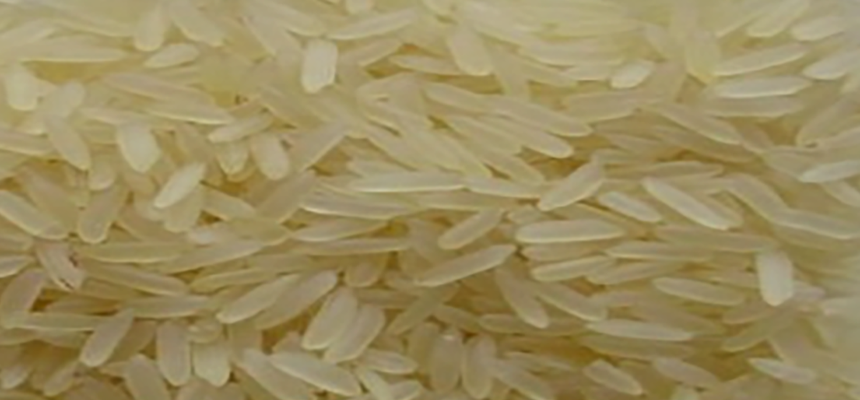
Table of Contents
Why the Caribbean Eats So Much Parboiled Rice
There’s history behind it. Rice came into much of the region with indentured workers from India in the 1800s, and with them came the habit of parboiling paddy before milling. Guyana and Suriname grew into big rice producers, and parboiled rice became a regular part of daily cooking across the English speaking Caribbean.
Today parboiled rice demand in the Caribbean comes from a few simple facts about how people cook:
- Big pots, long holds. Rice and peas, pelau, cook-up rice and curry dishes are often made in large batches. Parboiled rice holds its shape far better than plain white rice.
- Heat and humidity. Parboiled grains are harder and stand up better in hot, damp storage.
- Habit. Plenty of families grew up on it and simply prefer the taste and texture.
If you want the technical side of how parboiling works, Wikipedia’s parboiled rice page explains the soaking, steaming and drying steps clearly.
Where Parboiled Rice Demand in the Caribbean Is Strongest
Parboiled rice demand in the Caribbean isn’t spread evenly. From our enquiries and orders, this is roughly how it looks.
Trinidad and Tobago
Probably the strongest single market for parboiled rice in the region. A large Indo-Trinidadian population, a big food service sector and active wholesalers all add up. We’ve written a separate guide on bulk parboiled rice for Trinidad and Tobago.
Jamaica
Jamaica buys both white and parboiled rice. It’s one of the places where parboiled rice demand in the Caribbean keeps growing, mostly in food service and institutional kitchens. Our page on parboiled rice suppliers in Jamaica goes into more detail.
Barbados, the Bahamas and the Eastern Caribbean
Smaller markets, but steady. Parboiled rice demand in the Caribbean outside the two big islands is often underrated. Importers here often take a mixed container with parboiled rice, white rice and sometimes jasmine, then sell into supermarkets and restaurants across several islands.
Guyana and Suriname
These two grow their own parboiled rice and export it to the rest of the region. They’re competitors to us in a sense, but they also have their own seasons and supply gaps, which is when buyers start looking further afield.
What’s Pushing Demand Up Now
Several things have nudged parboiled rice demand in the Caribbean up over the past few years.
Tourism has bounced back on most islands, and hotels and restaurants need rice that holds on a buffet line. Food service suppliers tell us parboiled is easier for their customers because it forgives overcooking.
School feeding and government programmes buy large volumes, usually through tenders. Parboiled rice is often named in the spec because it keeps well and holds its nutrients. We’ve covered that side in our post on parboiled rice health benefits.
Price swings in regional supply also push importers who serve parboiled rice demand in the Caribbean to find a second origin. When Guyanese or Surinamese supply gets tight, or prices jump, buyers want another mill they already trust. That’s often how we get the first call.
Why Thai Parboiled Rice Works for Caribbean Buyers
We’re obviously biased, but when we ask buyers who serve parboiled rice demand in the Caribbean why they buy from Thailand, here’s what they say.
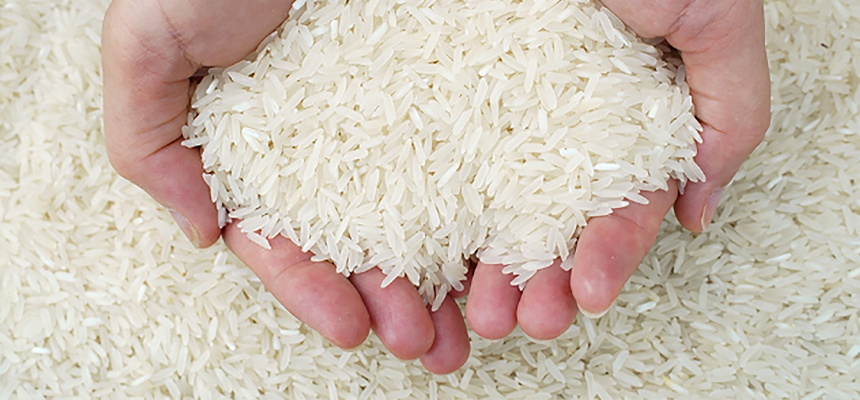
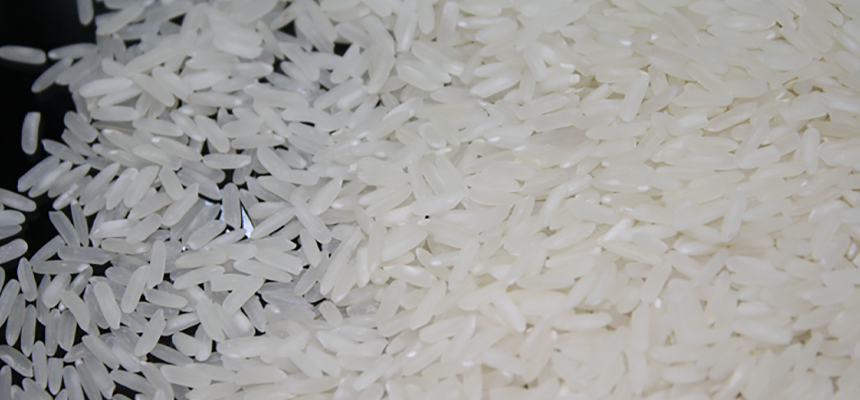
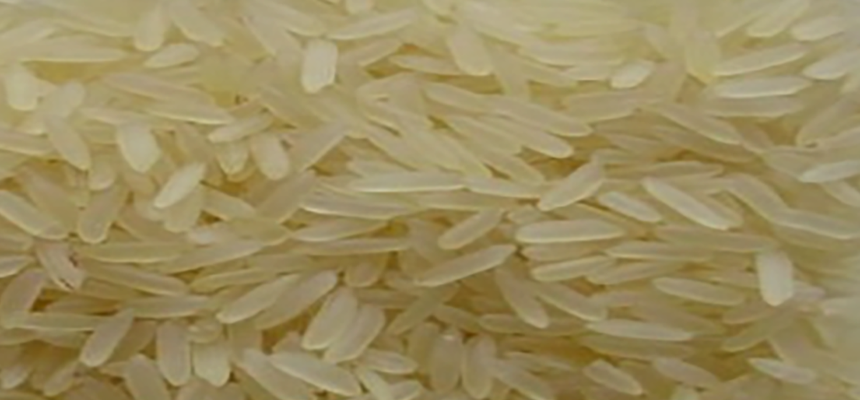
- Consistency. Thai parboiled rice comes out the same lot after lot, with a clean golden colour and even grain size.
- Grade range. We offer 5%, 15%, 25% and 100% broken, so you can match price to your market.
- Packing flexibility. From 1 kg retail bags to 50 kg sacks and jumbo bags, plain or with your brand.
- Good cooking. Long, firm grains that stay separate, which is exactly what drives parboiled rice demand in the Caribbean in the first place.
There’s more on this in our article on Thai parboiled rice for Caribbean importers.
Thai Parboiled Rice Specifications
These are the specs we contract on. Importers who supply parboiled rice demand in the Caribbean check against them when the rice lands.
| Specification | 5% Broken | 15% Broken | 25% Broken | 100% Broken |
|---|---|---|---|---|
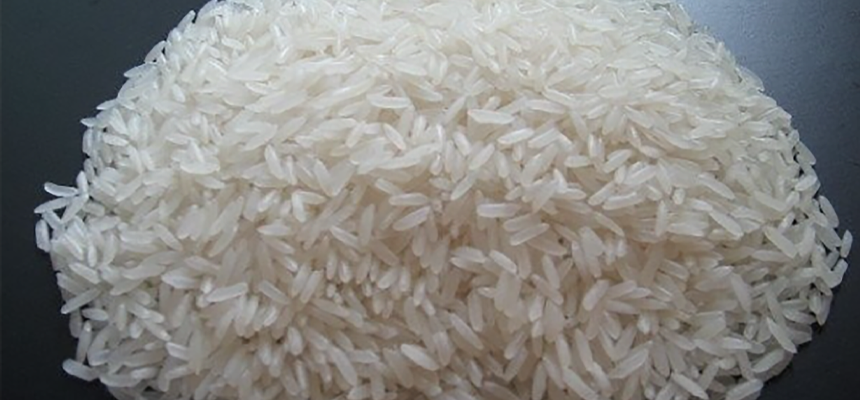
| Grain type | Long grain parboiled | Long grain parboiled | Long grain parboiled | Broken parboiled |
| Broken grains | 5% max | 15% max | 25% max | 100% |
| Moisture | 14% max | 14% max | 14% max | 14% max |
| Foreign matter | 0.1% max | 0.2% max | 0.5% max | 0.5% max |
| Damaged and yellow grains | 0.5% max | 1% max | 1.5% max | 2% max |
| Black and pecky grains | 0.1% max | 0.2% max | 0.5% max | 1% max |
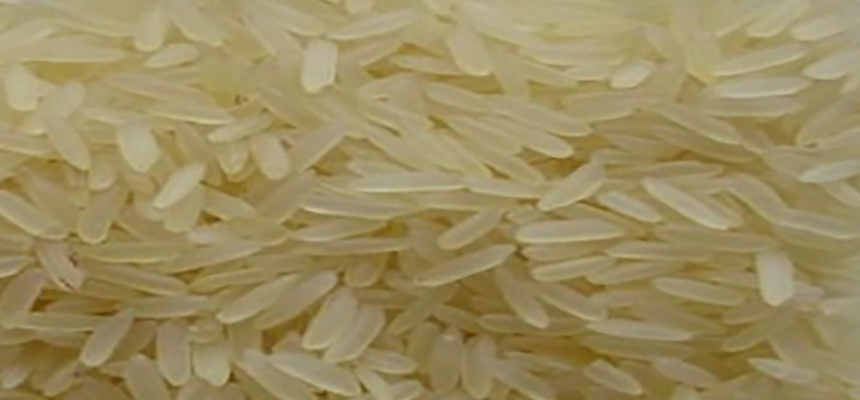
| Colour | Light golden | Light golden | Light golden | Light golden |
| Crop | Current crop | Current crop | Current crop | Current crop |
Each grade has its own product page with more detail:
- Thai parboiled rice 5% broken
- Thai parboiled rice 15% broken
- Thai parboiled rice 25% broken
- Thai parboiled rice 100% broken
Every lot is checked before packing, and you can have an independent surveyor inspect at loading. Our quality control page explains the process.
Which Grade Suits Which Buyer
Parboiled rice demand in the Caribbean is not one market. It’s several, and each one wants something a bit different.
Supermarkets
Most supermarkets go with 5% broken in 1 kg, 2 kg or 5 kg bags. Shoppers can see the grains, and whole, even rice sells better. Some chains want 4 lb or 10 lb packs, which we also do.
Wholesalers and distributors
15% broken in 25 kg or 50 kg bags is the workhorse grade. It cooks almost the same as 5% broken and costs less.
Restaurants, hotels and caterers
Many kitchens use 15% broken. Some use 5% broken for front of house dishes and 25% broken for staff meals.
Institutions and tenders
25% broken is common. Read the tender spec carefully, because some ask for a specific broken percentage or moisture level.
Feed and food processing
100% broken parboiled rice goes into animal feed, flour, snacks and brewing. It’s the cheapest option and moves in bulk.
How Thai Parboiled Rice Gets to the Islands
To meet parboiled rice demand in the Caribbean, rice from Thailand usually ships from Laem Chabang with one or two transshipments, often through a hub port in the region. Depending on the route and the island, total transit tends to run six to eight weeks.
Smaller islands rarely get direct calls, so the container is often moved through a hub and then fed onwards. Ask us to quote CIF to your exact port so the feeder cost is included. If you’re comparing terms, our guide to FOB vs CIF rice price explains the difference.
A 20ft container holds about 25 tonnes of bagged rice. Some buyers on smaller islands share a container with another importer, or take a mix of grades to keep stock fresh. See how many tons of rice fit in a 20ft container for the details.
Duties and Trade Rules Worth Knowing
Most Caribbean countries are part of CARICOM, which applies a common external tariff to many goods coming from outside the bloc. Rice from Guyana and Suriname can move inside CARICOM on preferential terms, while rice from Thailand usually comes in under the external tariff unless a country has a suspension or special arrangement in place.
Those rates and exceptions change, and they vary by island. Before you work out your margin, ask your customs broker for the current duty on parboiled rice for your HS code. It can swing the numbers more than the rice price itself. Anyone serious about parboiled rice demand in the Caribbean has to price this in from the start.
Documents That Come With Your Rice
Caribbean ports check paperwork closely, especially phytosanitary documents. A container stuck in customs means empty shelves, and that’s the worst time to miss parboiled rice demand in the Caribbean. Every shipment from us includes:
- Commercial invoice and packing list
- Bill of lading
- Certificate of origin
- Phytosanitary certificate
- Fumigation certificate
- Certificate of analysis, plus independent inspection on request
Some islands need an import permit or a health ministry approval before arrival. Tell us early and we’ll match our documents to the requirements. Our rice export documents checklist lists everything we handle.
Pricing and Why Parboiled Can Be Good Value
People sometimes assume parboiled rice costs more because there’s an extra processing step. It often doesn’t. Parboiled grains break less during milling, so more whole rice comes out of each tonne of paddy. Our post on why parboiled rice is cheaper explains the full reasons.
Our prices move with the Thai market, the season and the exchange rate, so we send dated offers rather than a fixed price list. Send us your grade, packing, quantity and port and we’ll quote both FOB and CIF.
Private Label for Caribbean Brands
A lot of parboiled rice demand in the Caribbean is filled by local brands. The rice inside is imported and packed under the distributor’s name. We do this all the time.
You send us the artwork, or we design a bag around your brand. We print it, pack your rice into it, and ship it ready for the shelf. English labelling is standard, and we can add nutrition panels, barcodes and cooking instructions. New bag designs usually add one to two weeks to the first order while bags are printed.
How Demand Shifts Through the Year
Parboiled rice demand in the Caribbean isn’t flat across the calendar. Our buyers tell us the same pattern most years.
The run up to Christmas is the busiest stretch. Families cook more, hotels fill up, and supermarkets stock deep. Carnival season in Trinidad and other islands brings another bump in food service. Divali and Eid also lift sales in communities that cook big rice dishes for family and guests. Back to school months push institutional buying up again.
If you plan your containers around these peaks, you won’t be caught short. Work back from the date you need rice on the shelf, add six to eight weeks at sea and two to four weeks for milling and packing, and that’s when the order needs to be with us.
What Caribbean Shoppers Look For
Talk to any rice buyer in the islands and you’ll hear the same few things about what sells.
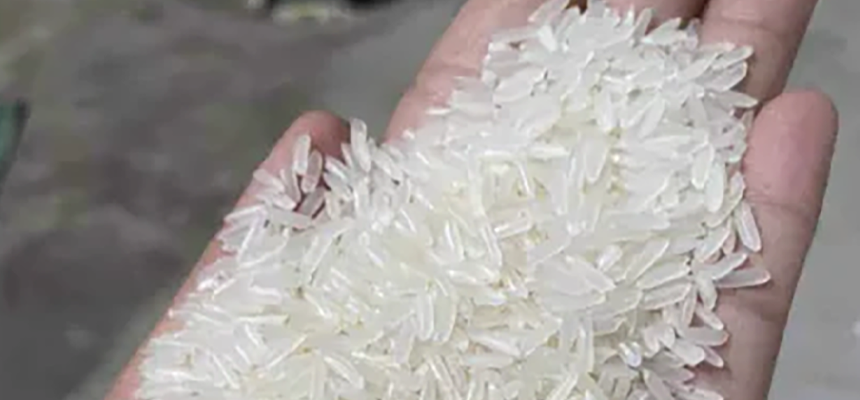
- Colour. Shoppers expect a clean, light gold. Grains that are too dark or patchy look old, even if they’re not.
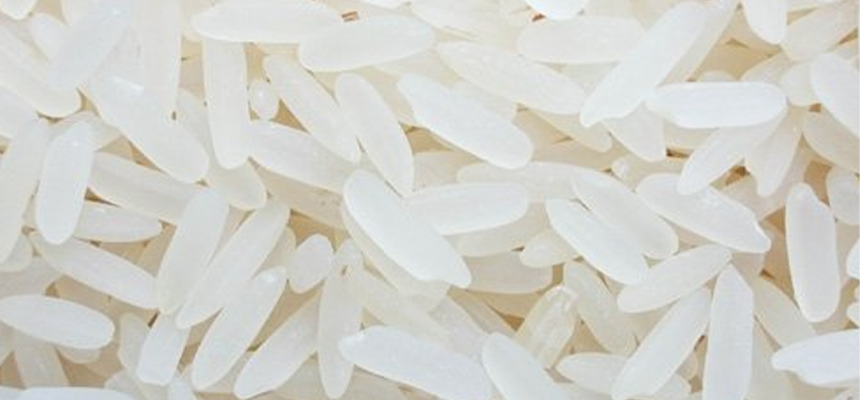
- Length. Long, slim grains look better through the bag window.
- Few broken bits. On the retail shelf, whole grains win.
- No smell. Rice that smells musty gets returned. Proper drying and storage stop that.
- A brand they know. Many shoppers are loyal to a local brand, which is why private label matters so much.
All of this feeds back into parboiled rice demand in the Caribbean. Get these basics right and shoppers stick with your brand.
Parboiled vs White Rice in Caribbean Kitchens
We get asked this a lot by new importers who aren’t sure which to bring in. The honest answer is that most markets need both.
White rice is softer and cooks faster. Some households prefer it for everyday meals. Parboiled rice takes a few minutes longer, but it stays separate, holds on the stove and reheats well. For one-pot dishes cooked in coconut milk or stock, parboiled is often the favourite because it soaks up flavour without falling apart.
If you’re weighing the two, our post on parboiled rice vs white rice lays out the differences, and we also sell Thai white rice 5% broken if you want to mix both into one container. Many importers do exactly that to cover parboiled rice demand in the Caribbean alongside white rice sales.
How We Check Every Lot Before It Ships
Quality on paper means nothing if the rice in the bag is different. Anyone supplying parboiled rice demand in the Caribbean learns that fast. This is what happens before your container is sealed.
Moisture testing
We test moisture on every lot. Rice heading for the tropics needs to be dry, and 14% is our upper limit.
Broken and colour sorting
Our machines grade grains by size and colour sort out dark, yellow or damaged kernels. That’s how we keep the gold colour even.
Visual and cooking checks
Our team cooks samples from each lot. If it doesn’t cook the way it should, it doesn’t ship.
Fumigation
Every lot is fumigated before loading, and you get the certificate.
Independent inspection
You can appoint SGS, Intertek, Bureau Veritas or any surveyor you like. We’ll give them full access.
Storage Tips for Hot, Humid Islands
Parboiled rice stores better than white rice, but heat and humidity still take a toll if you’re careless. A few habits that our Caribbean buyers swear by:
- Store on pallets, never on a concrete floor
- Keep stock away from walls and out of direct sun
- Rotate stock, oldest bags out first
- Keep the warehouse ventilated and check bags each month
Stored this way, parboiled rice keeps its quality well beyond a year in most cases.
A Recent Order, Start to Finish
To give you a feel for how it works, here’s a recent first order from a wholesaler supplying the Eastern Caribbean, with some details changed.
He’d been buying parboiled rice from a regional supplier, but supply ran short twice in one year. He asked us for samples of 5% and 15% broken. He cooked both, showed them to two of his supermarket customers, and placed an order for one container: 15% broken in 50 kg sacks for food service, and 5% broken in 2 kg retail bags printed with his own brand.
Bags took ten days to print. The rice was milled, inspected and loaded. Documents were checked in draft by his broker before sailing, so there were no surprises when the container arrived about seven weeks later. He now books every six weeks. That’s the kind of steady supply that parboiled rice demand in the Caribbean really needs.
Working With Distributors Across Several Islands
Some of our buyers cover parboiled rice demand in the Caribbean across four or five islands from one warehouse. If that’s you, a few things help.
Use one bag design with labelling that works for all your markets. Keep a mix of retail and bulk packs in each container so you can serve supermarkets and restaurants from the same stock. And talk to your shipping line about feeder schedules, because the smaller islands may only get a call once a week or less.
We can help plan the mix. Send us your sales by grade and pack size for the past few months, and we’ll suggest a container split that keeps stock fresh without running out. It’s one of the easiest ways to keep up with parboiled rice demand in the Caribbean without overstocking.
Common Mistakes When Buying for the Caribbean Market
We’ve seen a few of these more than once from importers new to parboiled rice demand in the Caribbean.
Ordering the wrong grade for the market
Buying 25% broken for a supermarket shelf rarely works. Shoppers notice. Match the grade to where it’s going.
Ignoring the colour
Caribbean shoppers know what parboiled rice should look like. Dark or uneven colour gets complaints. Our grades are a light, even gold.
Leaving it too late
With six to eight weeks at sea, a late order means empty shelves. Book well ahead, especially before the end-of-year holidays when parboiled rice demand in the Caribbean peaks.
Skipping inspection on a first order
An independent inspection at loading costs very little compared with a bad container. We’re happy for you to use one.
Who We Are
De Thai Products 1989 Company Limited mills and exports Thai rice, including parboiled, long grain white, jasmine, Hom Mali, glutinous and basmati rice. We pack to order and ship worldwide. You can read more about us or browse all our products. Buyers in Central America can also see our page on long grain rice exporters to Central America.
We don’t claim to be the cheapest every month. What we try to be is reliable: the rice matches the sample, the documents arrive on time, and somebody answers when you call.
How to Order
To get a quote, send us:
- The grade or grades you want
- Bag sizes and whether you need private label
- Quantity, in containers or tonnes
- Your destination port
- FOB or CIF
The minimum is one 20ft container, and you can split it across grades. Our minimum order guide explains how mixed containers work.
Frequently Asked Questions
Is parboiled rice demand in the Caribbean growing?
From what we see in enquiries and orders, yes, especially in food service, tourism and institutional buying.
Which grade is most popular in the Caribbean?
15% broken for wholesale and food service, 5% broken for supermarket shelves.
Do you ship to small islands?
Yes. We quote CIF to your port and the line handles the feeder leg.
Can you pack in pounds?
Yes. 4 lb, 10 lb, 25 lb, 50 lb and 100 lb bags are all possible.
Is your parboiled rice non-GMO?
Yes. Thai rice is non-GMO, and we can supply lab reports. More in our post on non-GMO Thai rice.
Do you only sell to the Caribbean?
No. We ship worldwide.
Meet Parboiled Rice Demand in the Caribbean With Thai Supply
If you’re an importer, wholesaler or food service supplier trying to keep up with parboiled rice demand in the Caribbean, we’d like to quote for your next container. We’ll send samples first so you can cook them yourself.
Email info@dethairice.com, WhatsApp +66 81 034 6390, or use our contact page.
3 thoughts on “Parboiled Rice Demand in the Caribbean: Best Supply Offer”