


If you’re looking for the Thai white rice 15% broken specification, here it is up front: 15% broken grains maximum, 14% moisture maximum, long grain, well milled and double polished, sortexed, current crop. That’s the grade we mill and sell from our plant in Chachengsao, and we ship it to buyers worldwide in 25kg and 50kg bags, or in your own branded packing.
The rest of this page goes through every line on the spec sheet, what each number actually means when the rice lands at your warehouse, how 15% compares with the grades either side of it, and how an order with us works from sample to loading. We’ve written it the way we’d explain it to a new buyer on the phone, and everything below is based on the Thai white rice 15% broken specification we actually ship, not a textbook table.

Table of Contents
Thai White Rice 15% Broken Specification at a Glance
This is the Thai white rice 15% broken specification we quote on our offers. Every lot is tested against it before the bags are sewn shut, and the numbers go on the certificate of analysis that travels with your documents.
| Parameter | Our standard spec |
|---|---|
| Product | Thai long grain white rice, 15% broken |
| Origin | Thailand |
| Broken grains | 15% maximum |
| Moisture | 14% maximum |
| Average whole grain length | 6.8 mm minimum |
| Purity (long grain) | 95% minimum |
| Chalky grains | 6% maximum |
| Red and red-streaked grains | 2% maximum |
| Yellow grains | 0.5% maximum |
| Damaged grains | 0.5% maximum |
| Foreign matter | 0.1% maximum |
| Paddy grains | 10 grains per kg maximum |
| Milling degree | Well milled, double polished |
| Sorting | 100% sortexed |
| Crop | Current season |
| Packing | 25kg or 50kg PP bags, 50 lb bags, or private label |
A few of these can be tightened if your market wants it. Chalky grains and red grains are the two buyers most often ask us to bring down. If you need a tighter Thai white rice 15% broken specification than this, tell us before we quote, because it changes how we blend and sort the lot.
What “15% Broken” Actually Means
The 15% figure is the share of the rice, by weight, that’s made up of broken pieces. Under the Thai standard, a grain counts as broken when it’s shorter than about 70% to 80% of a full grain, depending on the class. So in every 100 kg of 15% broken rice, up to 15 kg can be pieces and at least 85 kg is whole or nearly whole grain.
Broken grains aren’t a defect in the sense of being bad rice. They’re the same rice, from the same paddy, milled on the same line. A grain cracks during drying or milling, and the pieces come off the polisher with the rest. Mills then use graders to sort the rice into different broken levels, and each level is sold as its own grade. If you want a longer explanation of how breakage happens and how it’s measured, our post on what 5% broken rice means covers it in more depth.
So when someone asks us for the Thai white rice 15% broken specification, what they really want to know is how much whole grain they’re getting, how clean it is, and how it’ll cook. The broken number answers the first question. The rest of the Thai white rice 15% broken specification answers the other two.

Why Buyers Choose the 15% Grade
The 15% grade sits right in the middle of the white rice range. It’s cheaper than 5% and 10%, but it still looks like good long grain rice in the bag and on the plate. That’s why it sells well into markets where people buy rice by price but still notice the look of it.
From our order book, the buyers who take this grade are mostly:
- Wholesalers who repack into 5kg and 10kg bags for supermarkets and corner shops
- Importers supplying markets in Africa and the Middle East where 15% is a standard tender grade
- Food service and catering companies that cook rice in volume
- Government and aid buyers who need a reliable, well-priced staple
- Processors making rice flour, snacks or ready meals where whole grain length matters less
If your customers are fussy about long, unbroken grains, 5% or 10% is a better fit. If price is the only thing that matters and the rice is going into porridge or processing, 25% will save you money. The Thai white rice 15% broken specification is for the buyer in between, and there are a lot of them.
Thai White Rice 15% Broken Specification, Line by Line
Numbers on a spec sheet only help if you know what they mean in practice. Here’s how we read each line of the Thai white rice 15% broken specification, and what goes wrong when a supplier quietly lets it slip.
Broken grains: 15% maximum
This is the headline figure, and it’s the line of the Thai white rice 15% broken specification that buyers check first. We measure it in our lab on a sample drawn from the running lot, and the inspector at loading measures it again. Our target on the line is a bit under 15%, usually around 13% to 14%, so there’s room for the small amount of extra breakage that happens when bags are handled and stacked.
Moisture: 14% maximum
Moisture is the number in the Thai white rice 15% broken specification that decides whether your rice arrives in good shape. Above 14%, rice in a hot container can sweat, go mouldy or pick up insects. We dry and temper our rice so it leaves the mill well under the limit, typically 13% to 13.5%. For long voyages to West Africa or South America, we can target the lower end on request.
Grain length: 6.8 mm minimum
This is the average length of whole grains, and it’s what makes rice “long grain” on paper. Thai long grain white rice usually comes in around 6.8 to 7.0 mm. If a supplier sends you a Thai white rice 15% broken specification with grain length left off, ask about it. Shorter, mixed varieties are sometimes blended in to bring the price down.
Chalky grains: 6% maximum
Chalky grains have an opaque white patch where the starch didn’t fill in properly while the grain was growing. They cook fine but look dull and break more easily. Lower chalk means a brighter, more even looking product, and it’s the line of the Thai white rice 15% broken specification retail buyers most often tighten. We can go to 5% or below for buyers who repack for retail shelves.
Red, yellow and damaged grains
Red and red-streaked grains come from bran that wasn’t fully polished off. Yellow grains are usually heat damaged during storage. Damaged grains include ones that are stained, insect bitten or broken in odd ways. The colour sorter catches most of these, which is why every lot we sell under our Thai white rice 15% broken specification goes through sortexing. You can read more about the process in our guide to what sortexed rice is.
Foreign matter and paddy
Foreign matter is anything that isn’t rice: stones, husk, bits of straw. Paddy grains are rice still in the husk that slipped through. Both are kept very low by cleaning, destoning and sorting. Nobody wants a customer biting down on a stone, and in some markets a single complaint like that can lose you a supermarket account.
How 15% Compares With Other Thai White Rice Grades
It helps to see the 15% grade next to the others we sell. These are our standard specs for each, so you can judge where 15% sits for your market.
| Grade | Broken max | Moisture max | Typical use |
|---|---|---|---|
| White rice 5% broken | 5% | 14% | Retail, premium shelf, restaurants |
| White rice 10% broken | 10% | 14% | Retail and wholesale |
| White rice 15% broken | 15% | 14% | Wholesale, tenders, catering |
| White rice 25% broken | 25% | 14% | Price-driven markets, processing |
| White rice 100% broken | 100% | 14% | Flour, brewing, feed, snacks |
The price steps between grades follow the broken level. Each step down in whole grain usually takes some dollars per ton off the price, though the exact gap moves with the season. For current figures on the neighbouring grades, see our pages on white rice 5% broken price per ton and white rice 25% broken price per ton. If you’re thinking of parboiled instead, we also mill parboiled rice 15% broken.

How the Rice Looks and Cooks
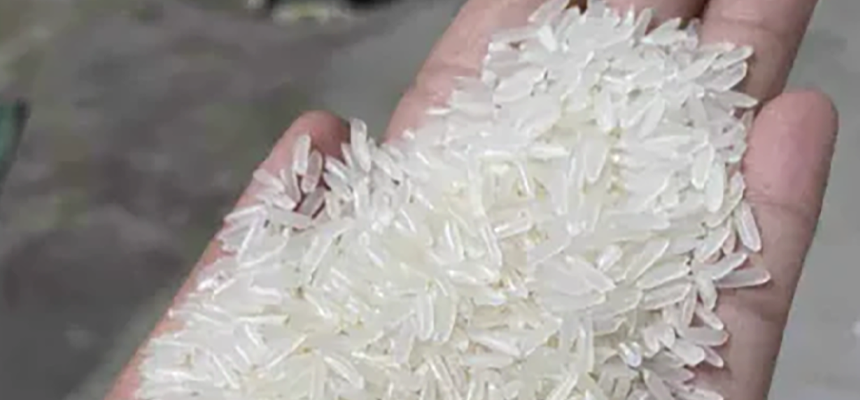
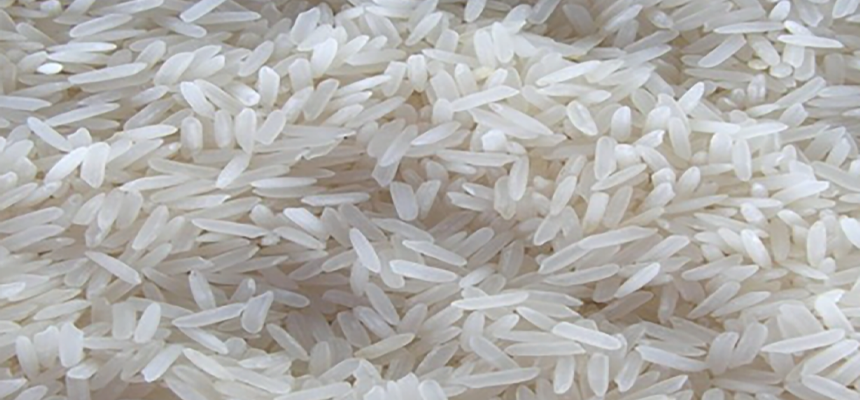
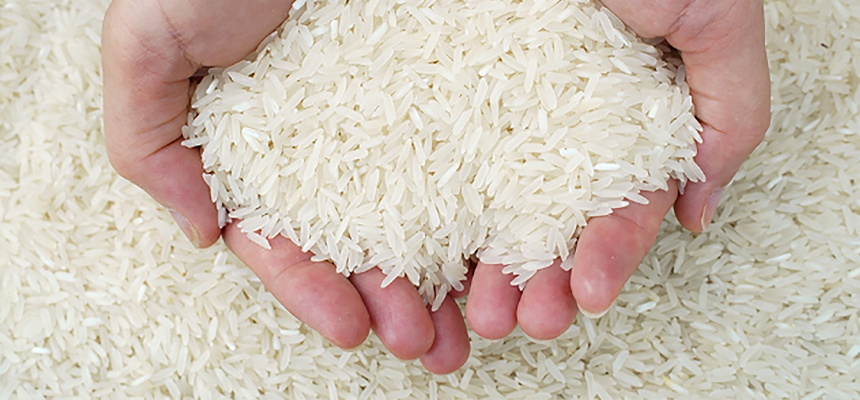
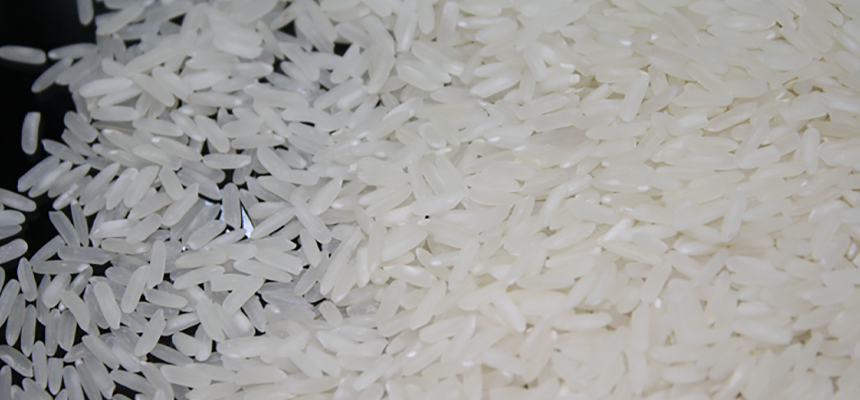
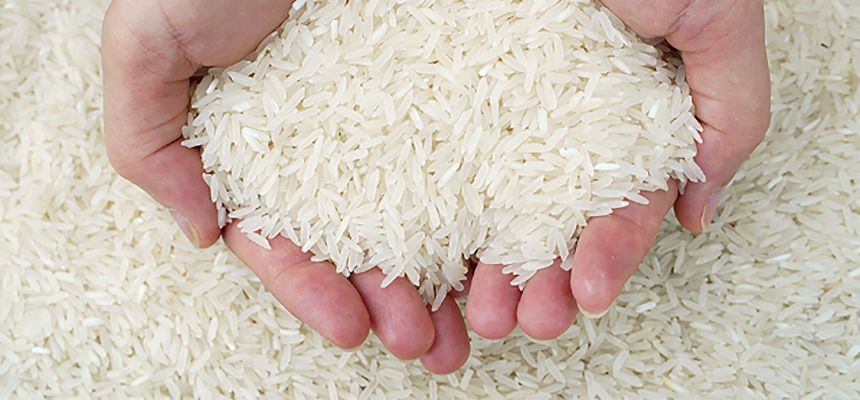
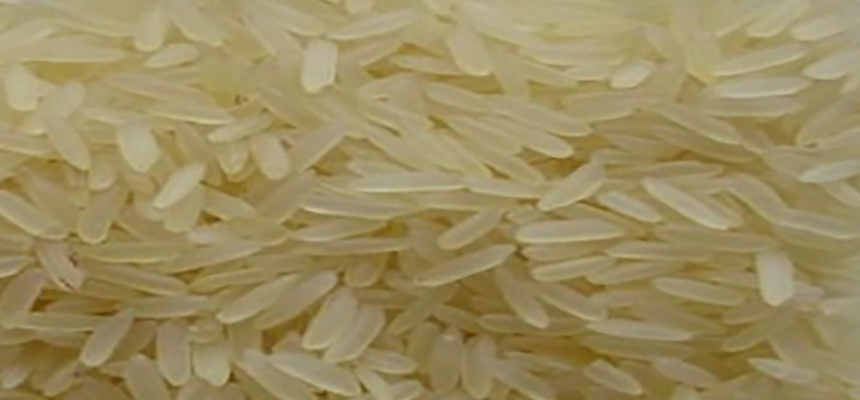
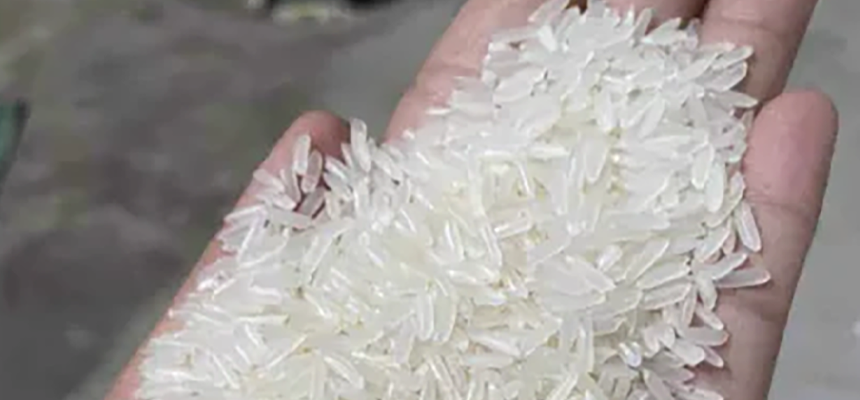
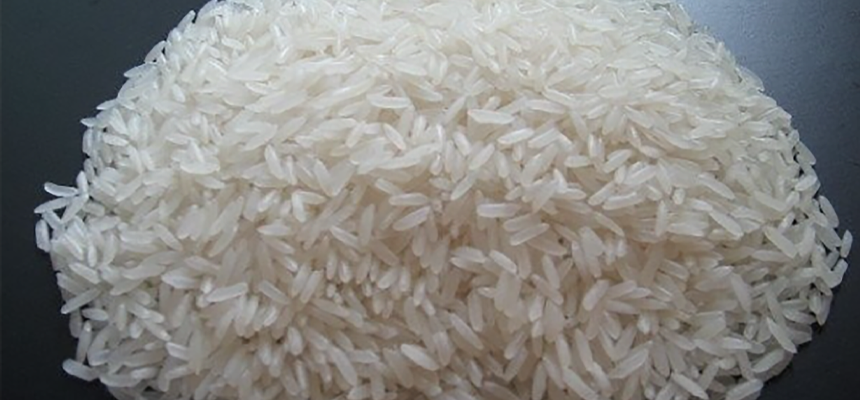
Raw, rice milled to our Thai white rice 15% broken specification is bright, translucent and long, with a sprinkling of shorter pieces you can see if you pour some into your hand. Most people buying a 5kg bag in a shop wouldn’t spot the difference from 10% unless the two were side by side. That’s really the whole appeal of the Thai white rice 15% broken specification: it looks the part without the 10% price.
Cooked, it behaves like any good Thai long grain white rice. Use about 1 part rice to 1.5 or 1.75 parts water, simmer covered for 15 to 18 minutes, and let it rest. The grains come out soft and separate. It’s not fragrant like Hom Mali, because it’s a non-aromatic variety, but it has a clean, mild taste that goes with anything. The broken pieces cook a little faster and make the rice slightly softer overall, which a lot of home cooks in our markets actually prefer.
Quality Control Before Your Rice Ships
Here’s what happens to every lot before we sign it off against the Thai white rice 15% broken specification:
- Paddy is checked for moisture and variety when it arrives at the mill.
- The rice is cleaned, husked, whitened and polished twice.
- Length graders separate whole grain and broken pieces, then blend them back to the 15% target.
- The rice runs through optical colour sorters to take out discoloured grains and foreign matter.
- Our lab tests broken percentage, moisture, chalk, colour defects and grain length on samples from the running lot.
- Bags are filled, weighed, sewn and marked with the lot number.
- An independent surveyor such as SGS, Intertek or Bureau Veritas can draw samples at loading if you want a third-party certificate.
You can see more about our setup on our quality control page. For reference, the international benchmark for rice quality factors is the Codex standard for rice, published under the FAO/WHO Codex Alimentarius. Thai export grades follow the Thai rice standards set by the Ministry of Commerce, and the Thai Rice Exporters Association publishes weekly export prices for the main grades.
Packing Options for Thai White Rice 15% Broken
The bag you choose doesn’t change the Thai white rice 15% broken specification, so we pack this grade however your market sells it. The most common options:
- 50kg PP woven bags, the standard for wholesale and tender business
- 25kg PP woven bags, easier for hand loading and smaller shops
- 50 lb bags for buyers who sell in pounds
- 5kg and 10kg retail bags, printed with your brand
- Jumbo bags of around one ton for processors
Bags can be plain or printed, laminated or not, with or without an inner liner. Printing private label bags takes a little extra time for the first order because the printing cylinders need to be made, but repeat orders go straight through. We keep the bag weight and the net weight clearly marked, because some ports check this closely.

How Much Fits in a Container
A 20 foot container takes about 25 metric tons of rice in 50kg or 25kg bags. That’s 500 bags of 50kg, or 1,000 bags of 25kg. Retail bags in cartons fill less weight because of the packaging, so expect somewhat lower tonnage. There’s a full breakdown in our post on how many tons of rice fit in a 20ft container.
For larger tonnages, we can also load break bulk vessels. Most of our Thai white rice 15% broken goes in containers, though, because buyers like being able to receive it in manageable lots.
How to Check a Sample Against the Spec
When our sample reaches you, it’s worth spending half an hour checking it against the Thai white rice 15% broken specification yourself, even if you plan to use a surveyor later. You don’t need a lab for a first look.
Take 100 grams and spread it on a dark tray. Pick out the broken pieces with tweezers and weigh them. You should end up with 15 grams or less. Then look for yellow, red and chalky grains and count them roughly. On a good sample you’ll find very few yellow grains and only a scattering of chalky ones. Line up ten whole grains on a ruler and check that they average close to 7 mm.
Cook a cup the way your customers would and look at it on the plate. Smell it, taste it, and leave some overnight to see how it holds. If the sample passes these simple checks, it’s a good sign the shipment will match the Thai white rice 15% broken specification on paper too. If anything looks off, send us a photo and we’ll explain what you’re seeing.
We keep a retained sample from every lot we ship for at least six months, so if there’s ever a question after arrival, both sides can test the same rice.
Price and Payment Terms
We don’t publish a fixed price for this grade on the website because Thai rice prices move every week with the exchange rate, the harvest and demand from big buyers like the Philippines and Indonesia. What we do is send you a dated offer, valid for a few days, based on the Thai white rice 15% broken specification above, your packing and your port.
We quote FOB Bangkok, CFR or CIF. If you’re not sure which suits you, our guide on FOB vs CIF rice price explains the difference with real examples. Payment is normally by irrevocable letter of credit at sight, or by telegraphic transfer with a deposit and the balance against copy documents. For first orders we’re happy to start with a single container so you can check the quality yourself.
Documents You Get With Every Shipment
Every shipment comes with the full set of export papers, and the certificate of analysis shows the lab result for each line of the Thai white rice 15% broken specification:
- Commercial invoice and packing list
- Bill of lading
- Certificate of origin (Form A or Form D where it applies)
- Phytosanitary certificate
- Fumigation certificate
- Certificate of analysis from our lab
- Independent quality and weight certificate if you request a surveyor
- Health certificate, or a halal certificate on request (we’re a halal certified rice supplier)
If your importer needs the Thai white rice 15% broken specification written into the contract word for word, we do that as standard. Each country has its own import rules, so tell us early if you need anything extra on the paperwork. Our post on rice export documents lists what each paper is for and who issues it.
Mistakes We See Buyers Make With 15% Broken Rice
We’ve been doing this long enough to see the same problems come up again and again. A few to watch for when you compare offers:
- Comparing a 15% offer from one supplier with a 15% offer from another without checking the rest of the sheet. One might be sortexed and the other not. One might allow 10% chalk, the other 6%.
- Not asking for grain length. This is where blended rice hides.
- Accepting “moisture 14% max” without asking how it’s measured and when. Rice tested straight off the dryer reads differently from rice tested at loading.
- Skipping a sample. A 1kg sample costs almost nothing and saves arguments later.
- Buying on price alone from someone who can’t tell you which mill the rice comes from.
None of this is complicated, but it’s where most disputes start. A clear Thai white rice 15% broken specification on the contract, signed by both sides, avoids nearly all of them.
Thai 15% Broken vs Vietnamese and Indian 15%
Buyers often ask whether Thai white rice 15% broken is worth paying more for than the same grade from Vietnam, India or Pakistan. It depends on what your customers expect.
Thai long grain white rice is generally longer, whiter and more consistent from lot to lot, and Thai mills sort harder. Vietnamese 15% is a strong competitor, often slightly softer and cheaper in some seasons. Indian non-basmati 15% is usually the cheapest of the three, with more variation between mills. We’ve written a separate comparison of Thai rice vs Vietnamese rice if you want the details.
What most of our repeat buyers tell us is that their customers recognise Thai rice and come back for it. That brand trust, plus a Thai white rice 15% broken specification that holds from one shipment to the next, is a big part of why the Thai grade holds its price.
Frequently Asked Questions
What is the moisture limit in the Thai white rice 15% broken specification?
14% maximum. We aim for 13% to 13.5% at loading so the rice has a margin for long voyages and humid ports.
Is your 15% broken white rice sortexed?
Yes. Every lot goes through optical colour sorters. Unsorted 15% is cheaper but carries more yellow, red and damaged grains, and we don’t think it’s worth the complaints it causes.
Can I change the Thai white rice 15% broken specification for my market?
Yes, within reason. The common changes are lower chalk, lower red grains, or a specific moisture target. Tell us what you need and we’ll confirm whether we can hold it and whether it affects the price.
What is the smallest order you take?
One 20 foot container, about 25 tons, is our normal minimum for this grade. Our page on the Thai rice minimum order quantity explains how mixed containers work if you want to test a few products at once.
Can I get a sample before ordering?
Yes. We send samples by courier so you can test the rice yourself or have your own lab check it against the Thai white rice 15% broken specification on our offer.
Does the Thai white rice 15% broken specification change between crops?
The limits on the sheet stay the same every season. What can shift a little is chalk and grain length, because those depend on the weather during the growing season. If a new crop comes in weaker on either, we tell you before you book, not after the rice arrives.
How long does it take to ship after payment?
Usually 15 to 30 days, depending on packing. Plain bags are quicker. Printed private label bags take longer on the first order.
Do you ship worldwide?
Yes. We ship rice to the same Thai white rice 15% broken specification to Africa, the Middle East, Asia, Europe and the Americas. Give us your port and we’ll quote CFR or CIF to it.
Who We Are
De Thai Products 1989 Company Limited is a Thai rice miller and exporter based in Chachengsao, east of Bangkok, close to the main export ports. We buy paddy from Thai farmers every season, mill and sort it ourselves, and sell to importers, wholesalers, food companies and private label brands around the world.
Besides white rice in every broken grade, we sell Thai Hom Mali rice, Thai jasmine rice, Thai parboiled rice, glutinous rice and red cargo rice. If you’re new to buying from Thailand, our step by step guide on how to import rice from Thailand is a good place to start.
Order Thai White Rice 15% Broken From Us
If the Thai white rice 15% broken specification on this page fits what you need, send us four things: the tonnage, the packing, your destination port and whether you want FOB, CFR or CIF. We’ll come back with a dated offer and arrange a sample.
Email info@dethairice.com, message us on WhatsApp at +66 81 034 6390, or use our contact page. We answer most enquiries the same day, Bangkok time.
5 thoughts on “Thai White Rice 15% Broken Specification: Best Guide”