


Broken jasmine rice is one of those products that people either know well or have never thought about. Restaurant owners making com tam know it, and they know broken jasmine rice uses and price better than most traders. Rice flour mills know it. Food factories making crackers, porridge and baby food know it. Everyone else tends to assume broken rice is a reject. It isn’t. This guide covers broken jasmine rice uses and price from the point of view of a mill that sells it every week.
We’re De Thai Products 1989 Company Limited, a rice miller and exporter in Thailand. We sell Thai broken jasmine rice in bulk, mostly the A1 Super grade, packed in 25 kg and 50 kg bags and shipped by the container to buyers worldwide. Below you’ll find what it is, what it’s used for, the specs we sell to, how the price works, and how to order.
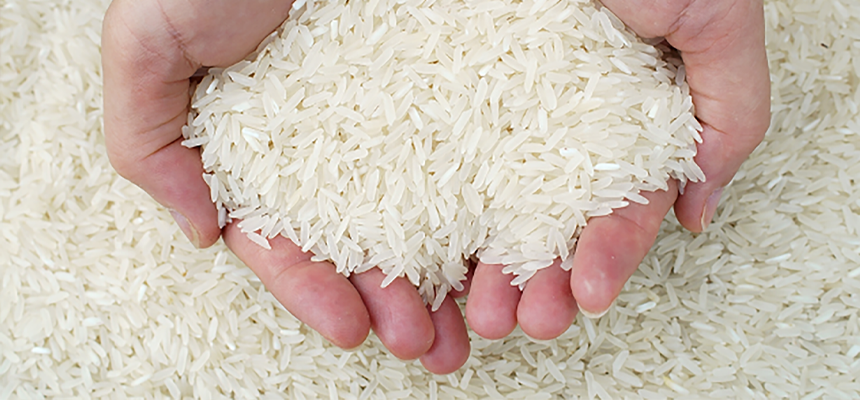
Table of Contents
What Broken Jasmine Rice Is
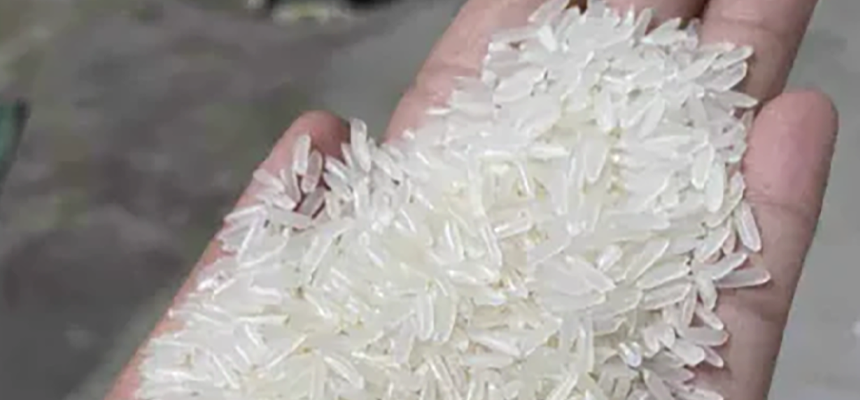
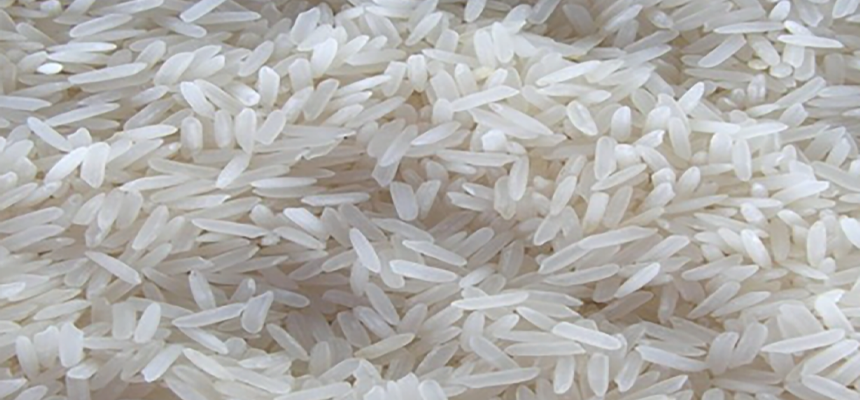
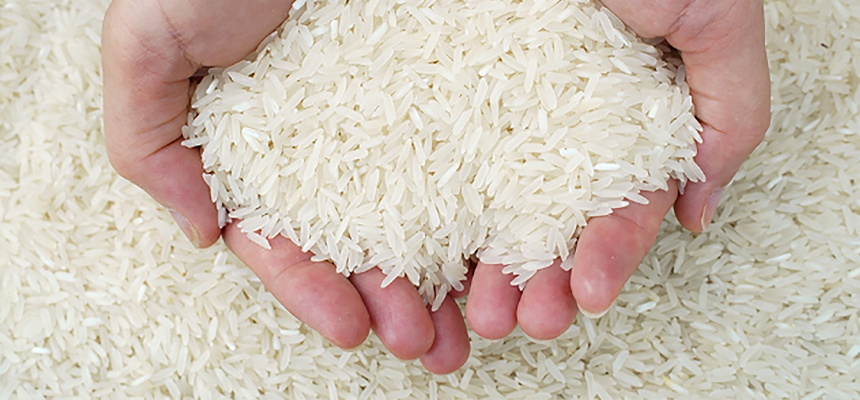
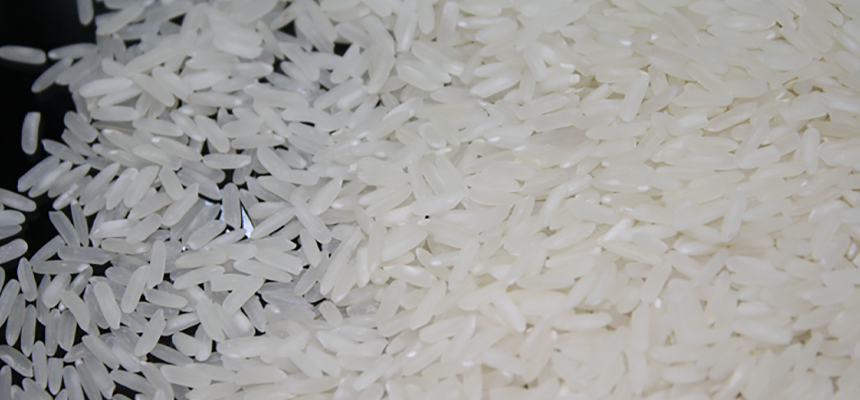
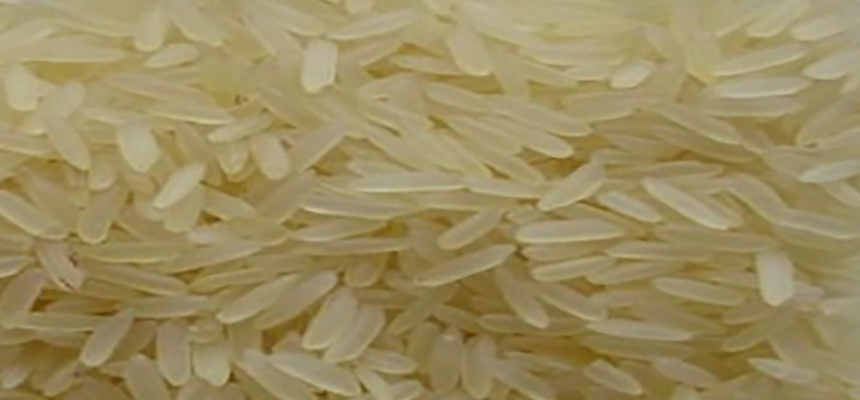
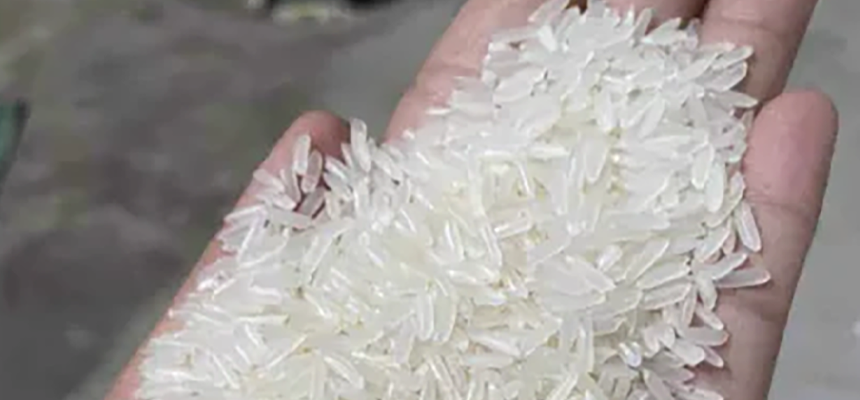
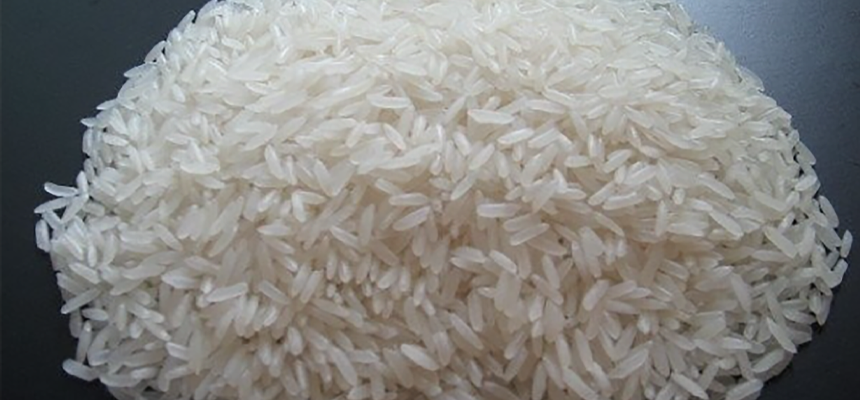
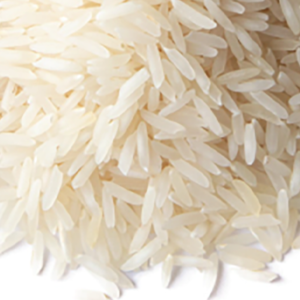
Jasmine rice, Hom Mali in Thai, is the long fragrant grain grown mainly in the northeast and central plains of Thailand. When it goes through the mill, some grains break. That happens with every rice, and jasmine is a long slender grain so it breaks more easily than short or medium grain. The mill sorts the whole grains from the pieces. The whole grains are sold as jasmine rice. The pieces are sold as broken jasmine rice.
So broken jasmine is the same rice. Same variety, same field, same aroma, same soft texture when cooked. The pieces are just shorter. If you want the general history of the variety, the jasmine rice article on Wikipedia covers it. For our full whole-grain range, see Thai jasmine rice and Thai Hom Mali rice, or read what is jasmine rice for the basics.
Grades of Broken Jasmine Rice
Grade is the first thing to settle, because it shapes both broken jasmine rice uses and price. In the Thai trade broken rice is graded by piece size.
- A1 Super. The bigger pieces, usually around half to three-quarters of a whole grain. This is the grade most buyers mean when they ask about broken jasmine rice uses and price. It cooks well on its own and is the standard for com tam and congee.
- C1 Super and smaller brokens. Very small pieces, close to grit. Mainly used for flour, brewing and feed.
Most of our broken jasmine sales are A1 Super. If you need the smaller pieces for a flour mill, ask, and we’ll tell you what’s available from the current milling.
Broken Jasmine Rice Uses and Price by Use
This is the part people find surprising. Broken jasmine isn’t a fallback product. For several uses, cooks and factories actually prefer it.
Com tam and broken rice dishes
Com tam is the Vietnamese broken rice plate, usually with grilled pork, a fried egg and fish sauce. It’s made with broken rice on purpose because the pieces cook up soft and slightly fluffy, and they hold the sauce. Vietnamese restaurants in the US, Canada, Europe and Australia buy broken jasmine for exactly this reason. Many will tell you whole grain rice doesn’t taste right with it.
Rice porridge and congee
Congee comes up first whenever people ask about broken jasmine rice uses and price, and cost is part of the reason: a cheap ingredient that cooks fast. Jok in Thailand, chao in Vietnam, congee in Chinese cooking. Broken rice breaks down faster than whole grain, so porridge is ready in less time and comes out smoother. Using broken jasmine keeps the fragrance, which plain broken white rice doesn’t have.
Rice flour
For flour mills, broken jasmine rice uses and price come down to one thing: whether the aroma is worth paying for. Mills grind broken jasmine into rice flour for noodles, dumpling wrappers, cakes, crackers, gluten-free baking and batter. Since the rice gets ground anyway, there’s no reason to pay for whole grain.
Baby food and cereals
For baby food makers, broken jasmine rice uses and price come second to safety and consistency. Rice cereal for infants, instant rice porridge and cereal bars are often made from broken rice, ground and cooked. Jasmine gives a softer, more pleasant flavor than ordinary white rice.
Snacks and crackers
Snack makers look at broken jasmine rice uses and price in terms of flavor per dollar. Rice crackers, puffed rice and extruded snacks use broken rice as the base. Again, the grain is ground or cooked down, so pieces are fine.
Rice drinks and desserts
Rice milk, horchata-style drinks, rice pudding and coconut rice desserts can all be made from broken jasmine.
Blending
Blending is where broken jasmine rice uses and price meet most directly. Some packers blend a share of broken jasmine with whole jasmine to make a lower-priced jasmine grade. If you do this, label it honestly. We sell whole jasmine and broken jasmine separately, so you can control the mix yourself.
Brewing and feed
Smaller pieces go into brewing as a starch adjunct and into feed, though for those uses most buyers choose cheaper ordinary white broken rice. For more ideas, read our general guide what is broken rice used for.
That’s the short version of broken jasmine rice uses and price for most buyers: the uses decide whether you need jasmine at all, and the price decides whether jasmine broken or ordinary white broken makes more sense for you.
Specifications We Sell To
Specs matter here too, since a tight spec affects broken jasmine rice uses and price. These are the specs we normally contract for Thai broken jasmine rice, A1 Super. Each lot is tested before bagging.
| Item | Thai Broken Jasmine Rice A1 Super |
|---|---|
| Origin | Thailand |
| Variety | Thai Hom Mali / jasmine |
| Broken grains | 100% |
| Moisture | 14% max |
| Foreign matter | 0.1% max |
| Damaged kernels | 0.5% max |
| Yellow and red kernels | Within Thai standard |
| Aroma | Natural jasmine fragrance |
| Insects | Free from live insects |
| Crop | Current season |
| Packing | 25 kg or 50 kg PP bags, other sizes on request |
A certificate of analysis comes with the shipping documents. If your market needs extra tests, such as pesticide residue or heavy metals, tell us when you ask for a quote. Our rice standard page explains the Thai grading system.
Broken Jasmine Rice Price
Here’s the honest part about broken jasmine rice uses and price: we can’t put a number on this page that will still be right next month. Thai rice prices move with the harvest, the baht, government policy, freight rates and what India and Vietnam are doing. So instead, here’s how the price sits compared with other rice, and what pushes it up or down.
Where it sits
Broken jasmine is priced well below whole-grain jasmine or Hom Mali, because the market values whole long grains. It’s priced above ordinary white broken rice, because it still carries the jasmine aroma and texture. Roughly, from highest to lowest:
- Whole Thai Hom Mali
- Thai jasmine / Pathumthani fragrant
- Broken jasmine rice A1 Super
- 100% broken white rice A1 Super
The exact gap moves through the year, which is why broken jasmine rice uses and price should be checked together each time you buy.
What moves the price
- Crop timing. Jasmine is mostly a main-crop rice harvested late in the year. New crop arrivals can soften prices. Off-season tightness pushes them up.
- Whole jasmine demand. Broken jasmine comes out of milling jasmine. When mills are busy milling whole jasmine for export, more brokens are available.
- Exchange rate. A strong baht makes Thai rice dearer in dollars.
- Packing. Printed bags, liners and small retail packs add cost per ton.
- Freight. For buyers far from Thailand, freight can be a big share of the landed cost.
- Tests and certificates. Extra lab tests or special certificates add a little.
How to compare quotes
When you’re comparing broken jasmine rice uses and price across sellers, line them up on the same grade, moisture, packing and Incoterm. FOB Thailand and CIF your port are very different numbers. Our post on FOB vs CIF rice price shows how to compare them properly.
Is Broken Jasmine Worth It?
This is where broken jasmine rice uses and price meet, and the answer depends on what you’re making. If you’re cooking com tam, congee or anything where the fragrance matters, yes. It’s cheaper than whole jasmine and works better for those dishes. If you’re grinding flour for a product where aroma doesn’t matter, plain white broken rice is cheaper and you won’t notice the difference. If you’re feeding animals, definitely buy plain white broken.
So when people ask us about broken jasmine rice uses and price, we usually turn it around and ask what they’re making. The answer decides the grade.
Cooking Broken Jasmine Rice
People who buy it for the first time often cook it like whole jasmine and end up with something closer to porridge. It needs less water and less time.
For a plate of com tam, rinse the rice two or three times until the water runs mostly clear. Use a little less water than you would for whole jasmine, around 1 cup of rice to 1 to 1.1 cups of water. Bring it up, cover, and cook on low for 12 to 15 minutes, then let it rest covered for five minutes. In a rice cooker, cut the water back a little from the normal line. Some restaurants steam it instead, which keeps the pieces separate.
For congee, go the other way. Use 1 cup of rice to 8 to 10 cups of water or stock, simmer and stir now and then for 30 to 45 minutes. Broken jasmine gets there faster than whole grain and the texture is smoother.
For flour, it’s ground dry or soaked and wet-milled, depending on what you’re making. Wet-milled flour is used for fresh noodles and steamed cakes. Dry-milled flour is more common for baking and batters.
Cooking is a big part of broken jasmine rice uses and price, because a rice that cooks faster saves gas, time and labor in a busy kitchen. That never shows on the invoice but it’s real money.
Cost per Serving
Price per ton only tells you part of the story. What a restaurant or a factory really cares about is cost per plate or cost per kilo of finished product.
Broken jasmine absorbs water a little differently from whole jasmine, and kitchens often find they get about the same number of servings per kilo. So if broken jasmine costs noticeably less per ton than whole jasmine, the saving goes almost straight onto the plate. For a busy Vietnamese restaurant cooking a few hundred plates of com tam a week, that adds up over a year.
For a food factory, the comparison is against plain white broken rice. If the product sells on flavor and smell, like a premium rice cracker or a fragrant baby cereal, the higher price of broken jasmine is usually worth paying. If the flavor gets lost under seasoning, it usually isn’t. Thinking about broken jasmine rice uses and price together, rather than price alone, is how you make that call.
Broken Jasmine vs Other Broken Rice
| Item | Broken Jasmine A1 Super | White Rice 100% Broken | Parboiled Rice 100% Broken |
|---|---|---|---|
| Aroma | Fragrant | Neutral | Neutral |
| Cooked texture | Soft, slightly sticky | Soft | Firmer, separate |
| Typical uses | Com tam, congee, baby cereal, premium flour | Household rice, flour, feed, brewing | Food service, long-held rice, feed |
| Relative price | Highest of the three | Lowest | Middle |
If you want the plain white or parboiled versions, see Thai white rice 100% broken and Thai parboiled rice 100% broken. We also sell Thai glutinous rice 25% broken for sticky rice desserts and snacks.
Buying for a Restaurant vs a Factory
Restaurants care about aroma, texture and consistency from one bag to the next. They usually buy through a distributor in smaller packs, 10 kg to 25 kg. If you’re a distributor serving restaurants, ask for current crop, retail or 25 kg packs, and a steady supply so your customers don’t notice a change when a new container lands.
Factories care about specs on paper: moisture, foreign matter, microbiology, sometimes residue tests. They buy in 50 kg bags or bulk and want the same lab numbers every time. If you’re buying for a plant, send us your full spec sheet and we’ll tell you which points we can meet and which we can’t.
Both types of buyer ask us about broken jasmine rice uses and price, but they mean different things. The restaurant wants to know if it’ll taste right. The factory wants to know if it’ll pass QC. We try to answer both clearly.
Price Checklist Before You Order
- Is the quote for A1 Super or smaller brokens?
- Is it jasmine, Hom Mali, or Pathumthani fragrant?
- Is it current crop?
- What’s the moisture limit in writing?
- Is it FOB or CIF, and to which port?
- What packing, and is printing included?
- Is a surveyor included?
- How long is the price valid?
If any of these are missing from a quote, ask. Two quotes for broken jasmine can look the same and be quite different products.
Packing
We pack broken jasmine rice in:
- 50 kg woven PP bags
- 25 kg woven PP bags
- Smaller retail bags on request for supermarkets and Asian grocery stores
- Printed private label bags with your brand
A 20-foot container holds about 25 to 26 tons in 50 kg bags. For details, see how many tons of rice fit in a 20ft container. If you’re thinking about your own brand, our private label Thai Hom Mali rice post explains how it works.
Who Buys Broken Jasmine Rice
We sell broken jasmine rice worldwide, and each type of buyer looks at broken jasmine rice uses and price a little differently. Typical buyers include:
- Vietnamese and Thai restaurants and their distributors
- Asian grocery importers in North America, Europe and Australia
- Rice flour and noodle mills
- Snack, cereal and baby food manufacturers
- Food service companies cooking congee and porridge
- Wholesalers in Africa, the Middle East and the Caribbean who want a fragrant rice at a lower price
If you supply restaurants, our post on bulk jasmine rice for restaurants is also worth a look. If you’re a food factory, see rice supplier for food manufacturers. If price is your only concern, our page on cheap broken rice wholesale Caribbean covers the lower-cost white and parboiled grades.
Quality Checks
Broken rice can hide problems, and no talk about broken jasmine rice uses and price means much if the rice arrives dusty. Dust, bran, stones and old crop all turn up in cheap lots. Here’s what we do on every lot of broken jasmine rice.
- Color sorting to remove stones, husk and discolored pieces
- Sifting to remove fine powder and bran
- Moisture checks from the bagging line
- Aroma check against our reference sample
- Fumigation before loading, with a certificate
- A sealed retained sample from every lot
- Independent survey at loading on request
You can read more on our quality control page. If you’ve had trouble with broken rice from another seller, tell us what went wrong and we’ll tell you whether our process would catch it.
Storage
Storage is the forgotten part of broken jasmine rice uses and price, because rice that loses its smell in the warehouse loses value too. Broken jasmine keeps its aroma best when it’s cool and dry. Store bags on pallets, away from walls, out of direct sun. Use it within a few months of arrival if aroma matters to you. Fragrance fades over time in all jasmine rice, and broken pieces have more surface, so they lose it a little faster. If you need it to last longer, ask about vacuum-packed retail bags or liners.
Documents and Shipping
Paperwork doesn’t change broken jasmine rice uses and price much, but missing papers can hold a container at port for weeks. Each shipment comes with the usual set: commercial invoice, packing list, bill of lading, certificate of origin, phytosanitary certificate, fumigation certificate, certificate of analysis, and a quality and weight certificate if you want a surveyor. Some markets also ask for a health certificate or a specific certificate format. Our rice export documents checklist covers each one.
We ship from Bangkok and Laem Chabang. We quote FOB or CIF to your port.
Minimum Order
Order size has a small effect on broken jasmine rice uses and price, since freight per ton drops in a full box. Our usual minimum is one 20-foot container. On a first order, you can split it with whole jasmine rice or another grade, which is a good way to test both in your market. See our Thai rice minimum order quantity guide for more.
What We Offer
To put it plainly, here’s what you get when you buy broken jasmine rice from us:
- Thai broken jasmine rice, A1 Super, current crop
- Smaller brokens on request for flour and brewing
- 25 kg and 50 kg bags, or retail packs with your brand
- Certificate of analysis with every lot, and an independent surveyor if you want one
- FOB Bangkok or Laem Chabang, or CIF your port
- Samples before you order
We’re happy to talk through broken jasmine rice uses and price for your exact product before you commit. A short call or a few WhatsApp messages usually sorts out the right grade.
Frequently Asked Questions
Does broken jasmine rice still smell like jasmine?
Yes, if it’s fresh. It’s the same rice, just in pieces. Aroma fades with time in all jasmine rice, so buy current crop.
What is A1 Super?
It’s the grade most people mean when they ask about broken jasmine rice uses and price. It’s the Thai grade name for 100% broken rice with larger pieces, and the standard grade for com tam and congee.
What decides broken jasmine rice uses and price?
The use decides the grade and the packing. The grade, the crop, the packing and the freight decide the price.
Is broken jasmine rice cheaper than jasmine rice?
Yes, usually by a good margin. It’s more expensive than ordinary white broken rice, though.
What’s the best use for broken jasmine rice?
Com tam, congee, rice flour and baby cereal are the most common. Any dish where the rice is cooked soft or ground benefits from it.
Can I get a sample?
Yes. We send samples so you can cook and test before ordering.
Can you pack it in small bags?
Yes. We can pack retail sizes and print your brand.
Get a Quote
If you’ve read this far about broken jasmine rice uses and price, you probably have a use in mind. Send us the grade, quantity, packing and destination port, and we’ll send samples and a dated offer with the full spec written in.
De Thai Products 1989 Company Limited. Email info@dethairice.com, WhatsApp +66 81 034 6390, or use our contact page. You can also read about us or browse all our rice on the products page.
4 thoughts on “Broken Jasmine Rice Uses and Price: Best Buyer Guide”