


Jasmine rice imports to Canada have grown steadily for years, and Thai rice makes up most of what Canadian shoppers and restaurants buy. We’re a rice mill and exporter in Thailand, and we sell Thai Hom Mali and Thai jasmine rice by the container to Canadian importers, distributors, grocery chains and food service companies. We pack in metric bags from 1 kg to 50 kg, with bilingual labels if you need them, under our brand or yours.
This guide is for anyone planning jasmine rice imports to Canada, whether it’s your first container or your fiftieth. I’ll cover the Canadian market, the rules you’ll need to follow, packing and labelling, shipping routes, costs and what we sell, with full specifications. I’ve kept it practical and skipped the theory, because jasmine rice imports to Canada are mostly about getting a handful of details right every single time.
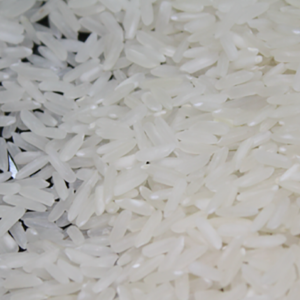
Table of Contents
Jasmine Rice Imports to Canada: The Market in Brief
Canada grows no rice to speak of. Every grain sold in the country is imported, and fragrant jasmine is one of the biggest categories. Thailand is the main source of jasmine, with the US, India, Pakistan, Vietnam and others supplying other types of rice.
Who’s buying? Canada has large Chinese, Vietnamese, Filipino, Thai, Cambodian, Lao and South Asian communities, especially around Toronto, Vancouver, Calgary, Edmonton and Montreal. Add mainstream supermarkets, which now stock jasmine as a standard line, plus a big restaurant trade, and you’ve got a market that keeps asking for more. That’s why jasmine rice imports to Canada keep climbing even in years when other food imports level off.
Main regional markets
- Greater Toronto. The largest single market. Big Asian supermarket chains, a dense restaurant scene and plenty of independent grocers.
- Metro Vancouver. Huge demand, close to the Pacific ports, and very picky about aroma.
- Calgary and Edmonton. Fast growing Asian communities and strong food service demand.
- Montreal. A solid Vietnamese and Chinese market, and French labelling is a must here.
- Winnipeg and the Prairies. Smaller, but growing, often supplied from Toronto or Vancouver distributors.
Why Thai Rice Leads Jasmine Rice Imports to Canada
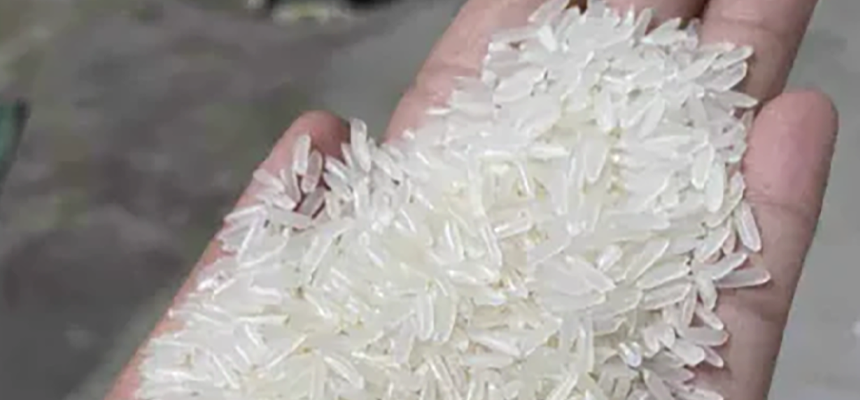
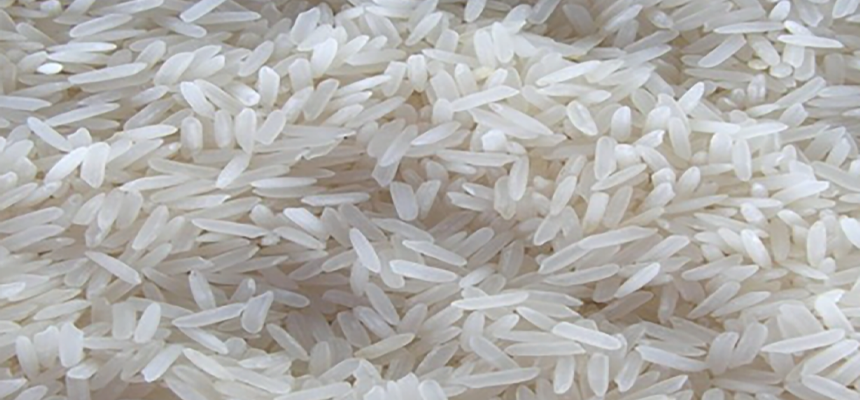
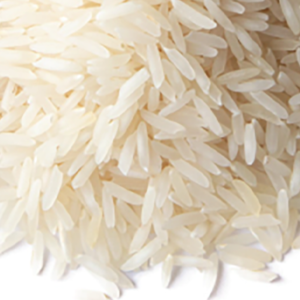
Canadians who buy jasmine generally want Thai. The Thai Hom Mali varieties, KDML 105 and RD15, have a stronger, sweeter smell and softer texture than most jasmine type rice grown elsewhere. The jasmine rice page on Wikipedia covers the background. For importers, what matters is simple: the Thai name sells, and customers notice when it’s missing.
Vietnamese and Cambodian fragrant rice compete on price, and some Canadian importers carry them as a second line. If you’re weighing them up, our comparison of Thai rice vs Vietnamese rice is worth a read. Most of our Canadian buyers keep Thai Hom Mali as their lead product and use a cheaper rice to fill the value end.
What We Sell for Jasmine Rice Imports to Canada
All our rice is milled to order at our facility in Chachengsao, close to Bangkok’s ports, and shipped in containers. Here’s what Canadian buyers order most.
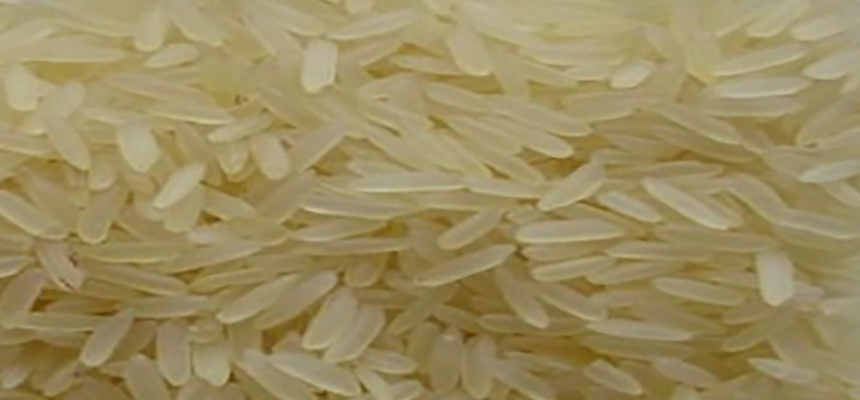
| Specification | Thai Hom Mali rice (100% Grade A) | Thai jasmine rice (Pathumthani) |
|---|---|---|
| Variety | KDML 105 / RD15 | Pathumthani 1 |
| Purity | 92% minimum Hom Mali | 95% minimum |
| Broken grains | 4.5% maximum | 5% maximum |
| Moisture | 14% maximum | 14% maximum |
| Average whole grain length | 7.0 mm minimum | 7.0 mm minimum |
| Chalky grains | 6% maximum | 6% maximum |
| Red and undermilled grains | 0.5% maximum | 0.5% maximum |
| Yellow grains | 0.2% maximum | 0.2% maximum |
| Sorting | 100% sortexed | 100% sortexed |
| Crop | New crop | Current crop |
| Packing | 1, 2, 4.5, 8, 9, 18, 20, 25 or 50 kg | Same |
| Labels | English and French, metric weight, your brand or ours | Same |
| Bags | PP woven, BOPP laminated, with or without liner, window optional | Same |
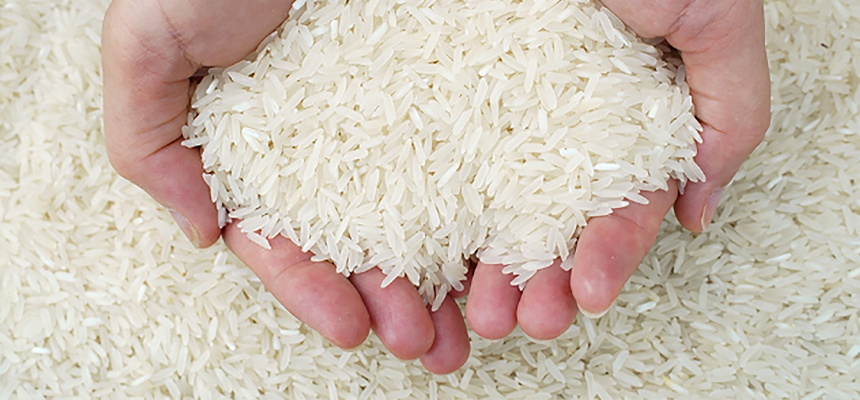
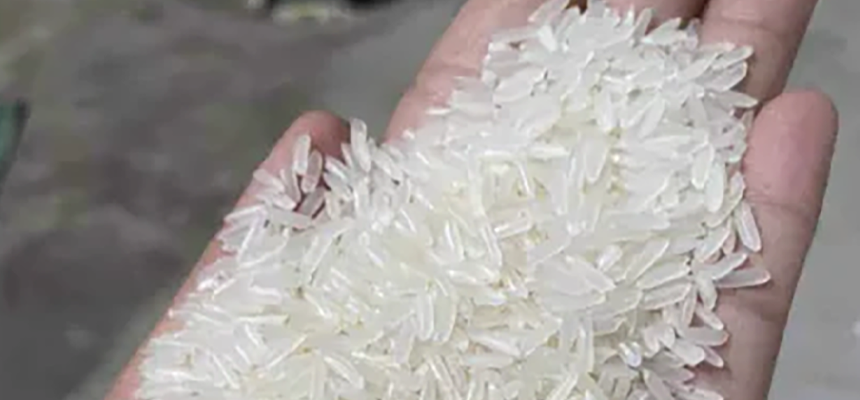
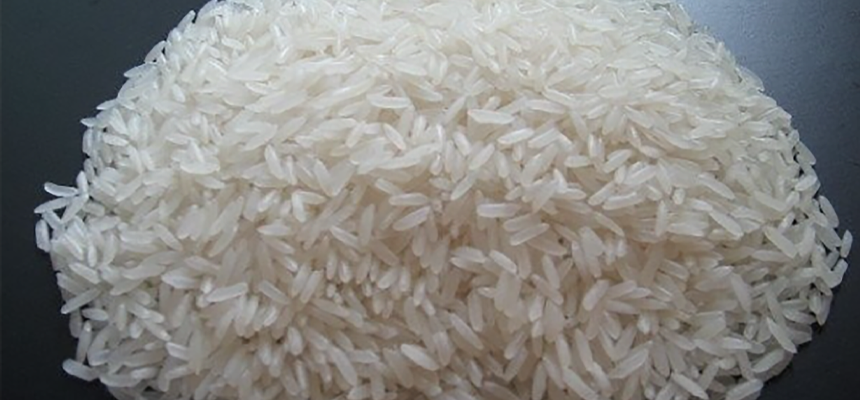
See our Thai Hom Mali rice and Thai jasmine rice pages for photos and more detail. We also ship organic jasmine rice, brown rice, glutinous rice and white rice, so a single container can carry a mix.
The Rules: Importing Rice Into Canada
Food imports into Canada fall under the Safe Food for Canadians Regulations, enforced by the Canadian Food Inspection Agency. I’m a rice exporter, not a Canadian lawyer, so treat this as an overview and check details with your customs broker or the CFIA. That said, here’s what jasmine rice imports to Canada usually involve.
An SFC licence
In most cases, a business importing food into Canada needs a Safe Food for Canadians licence from the CFIA. You apply online through a My CFIA account.
A preventive control plan
Importers generally need a written preventive control plan showing how they make sure the food they bring in is safe and correctly labelled. For milled rice, that means things like supplier approval, documents from the supplier, label checks and how you deal with complaints. We supply the information from our side that goes into it.
Traceability
You need to be able to trace the rice one step back (to us) and one step forward (to your customers). Lot numbers on every bag make that easy, and we print them as standard.
Recall procedures
A written plan for what you’d do if a product had to be recalled.
The CFIA’s step by step guide to importing food lays this out clearly, and it’s worth reading before your first order.
Duties and taxes
Rice has generally entered Canada with low or no import duty, and basic groceries like plain rice are usually zero rated for GST and HST. Rates and rules change, though, so confirm the current treatment for your exact tariff code with your broker before you price your product.
Labelling for Jasmine Rice Imports to Canada
Labels are where a lot of first time jasmine rice imports to Canada trip up, and fixing a printed bag after the fact is slow and costly. For retail packs, Canadian rules generally expect:
- Bilingual text. English and French on the main parts of the label. “Thai Hom Mali Rice / Riz Hom Mali thaïlandais”, for example.
- Metric net quantity. Kilograms or grams. You can add pounds as well, but metric is required.
- Common name. What the product is.
- Dealer name and address. Usually the Canadian importer, often with “Imported by / Importé par”.
- Country of origin. “Product of Thailand / Produit de la Thaïlande”.
- Nutrition Facts table. Bilingual, in the Canadian format, on most prepackaged retail food.
- Lot code. For traceability.
Food service bags, the 20 kg and 25 kg sacks going to restaurants, often have lighter requirements, but check with your broker. We print to your approved artwork, and we’ve done plenty of bilingual bags. If you’re building a brand, our post on private label Thai Hom Mali rice explains the process.
Bag Sizes Canadian Buyers Use
| Bag size | Who buys it |
|---|---|
| 1 kg and 2 kg | Mainstream supermarkets, premium retail |
| 4.5 kg | Supermarkets (roughly 10 lb) |
| 8 kg and 9 kg | Asian supermarkets, the classic family bag |
| 18 kg and 20 kg | Larger families, small restaurants |
| 25 kg | Restaurants, food service |
| 50 kg | Large food service, repackers |
We can mix sizes in one container. Plenty of our Canadian importers ship a few hundred bags of 8 kg, a few hundred of 18 kg and the rest in 25 kg for restaurants. For the big sacks, our page on Thai Hom Mali rice in 25 kg and 50 kg bags has more detail.
Shipping Routes for Jasmine Rice Imports to Canada
Most of our Canadian containers go one of three ways.
Vancouver
The main gateway. Containers from Thailand reach Vancouver in roughly three to four weeks, depending on the carrier and transhipment. Rice for BC stays local. Rice for Alberta, the Prairies and Ontario goes on by rail.
Prince Rupert
A shorter sea route from Asia and good rail links east. Some importers bound for Toronto or Chicago prefer it.
Montreal and Halifax
For Quebec and the Maritimes, some buyers ship via the Suez route or transship through Europe to the East Coast. It’s longer, but it can work out cheaper for Montreal destinations depending on freight rates at the time.
Some importers also bring rice through US ports and truck it north, but that adds a customs step and more paperwork, so it only makes sense in certain cases.
A 20 foot container holds about 25 tonnes of bagged rice. See how many tons of rice fit in a 20ft container for the numbers by bag size.
Documents We Supply
Every container for jasmine rice imports to Canada goes with:
- Commercial invoice and packing list
- Bill of lading
- Certificate of origin
- Phytosanitary certificate
- Fumigation certificate
- Certificate of quality and weight from an independent surveyor
- Thai Hom Mali certificate for Hom Mali shipments
- Halal certificate on request
Our full checklist is in rice export documents. If you’re new to this, start with how to import rice from Thailand.
Costs: What Goes Into a Landed Price
When you budget jasmine rice imports to Canada, the rice is only part of it. A landed cost usually adds up from:
- The rice, FOB Thailand
- Sea freight to Vancouver, Prince Rupert or Montreal
- Insurance
- Port and terminal charges in Canada
- Customs broker fees
- Any duty that applies
- Rail or truck to your warehouse
- Unloading and warehousing
We can quote FOB, CFR or CIF. Our guide on FOB vs CIF rice price helps compare offers, and Thai jasmine rice price per ton shows where the market sits.
Planning Around Canadian Seasons
Two things shape the calendar for jasmine rice imports to Canada. The first is Lunar New Year, the biggest selling period for Asian grocery. Stores want stock in place weeks before, so containers usually need to leave Thailand in November.
The second is winter. Rail and road delays across the Rockies and the Prairies are real in January and February. Build in a buffer, and if you’re in Alberta or Ontario, think about holding a bit more stock through the cold months.
New crop Hom Mali comes off the Thai harvest around November and December. Premium buyers often time a container to land the first new crop rice early in the year.
Quality Checks Before Every Container
Before loading, every lot for jasmine rice imports to Canada is checked for moisture, broken percentage, grain length, purity, colour and foreign matter. An independent surveyor checks quality and weight, and you can nominate your own. You’ll get the inspection report and samples from your lot. Our quality control page explains how we work.
Ask for samples before your first order. Cook them for the people who’ll be selling the rice. Then ask for a second sample later and compare. Consistency is what keeps Canadian customers loyal.
Common Mistakes With Jasmine Rice Imports to Canada
- Printing English only bags. Retail bags without French usually won’t pass. Fixing it after printing is costly.
- Using pound only weights. Metric is required on retail packs.
- Skipping the SFC licence. Get it sorted before the container sails.
- Underestimating inland freight. Rail from Vancouver to Toronto is a real cost.
- Buying on price alone. Blended or old rice loses customers fast in a market that knows good Hom Mali.
- Ignoring winter. Plan for delays between December and March.
Canada and the US: One Supplier for Both
A lot of our buyers sell on both sides of the border, or plan to. We can pack metric bilingual bags for Canada and pound weight English bags for the US, in separate containers or even the same production run. If the US is on your list too, read our posts on jasmine rice demand in the USA, the best Thai jasmine rice for American kitchens, wholesale jasmine rice suppliers in the USA and Thai Hom Mali rice certification for US buyers.
Who We Supply
- Asian food importers and distributors in Ontario, BC, Alberta and Quebec
- Supermarket chains with their own label
- Restaurant groups and food service distributors
- Repackers who buy 50 kg and pack locally
- Online grocery businesses
Restaurant buyers might also find bulk jasmine rice for restaurants useful, and if you supply supermarkets, take a look at rice supplier for supermarkets.
Hom Mali or Pathumthani for Canadian Shoppers?
This is the first real decision in most jasmine rice imports to Canada, and it comes down to who’s eating the rice.
Hom Mali is the premium choice. It has the strongest smell, the softest texture and the name that Asian Canadian shoppers look for on the bag. If your customers are Thai, Lao, Cambodian, Vietnamese or Chinese families who’ve eaten jasmine all their lives, they’ll notice the difference, and many will pay more for it. Restaurants serving plain steamed rice next to curries and stir fries also tend to want Hom Mali.
Pathumthani jasmine costs less and still smells good. It suits mainstream supermarket shoppers who want fragrant rice at a fair price, plus bowl restaurants and caterers who buy on volume. Plenty of Canadian importers run both: Hom Mali under the main brand and Pathumthani under a value label.
Our comparison of Pathumthani fragrant rice vs Hom Mali rice goes into more depth if you’re still deciding.
Brown and Organic Jasmine in Canada
Brown and organic lines are a small but growing part of jasmine rice imports to Canada, mostly through natural food stores, online shops and the health aisle of bigger supermarkets.
Brown jasmine is the same grain with the bran left on. It takes longer to cook, has more fibre and a nuttier taste. It travels in the same container as white rice, so it’s an easy add on.
Organic rice sold as organic in Canada has to meet the Canada Organic Regime, so the certification behind it matters. Tell us at the start that the rice is going to Canada and we’ll match the certificate to the market. Our organic jasmine rice supplier post explains what we offer.
Storing Jasmine Rice in a Canadian Warehouse
Canada’s cold works in your favour. Jasmine keeps its aroma longest when it’s cool and dry, so a Canadian warehouse is often a better home for the rice than a hot one further south. There are still a couple of things to watch.
- Condensation. When a container that’s been sitting in freezing weather is opened into a warm building, moisture can form on the bags. Let it settle before unloading if you can, and keep the warehouse ventilated.
- Summer heat. Toronto and Montreal summers get hot and humid. Rotate stock quickly from June to September.
- Smells. Keep rice away from spices, cleaning products and anything strong. It soaks up odours.
- Pallets. Off the floor, away from the walls.
Handled well, the rice stays in good shape for many months. That gives Canadian importers a bit more flexibility to buy larger lots when prices are good.
How an Order for Canada Works, Step by Step
- You send an enquiry. Rice type, bag sizes, label language, brand, number of containers and port.
- We send samples. Cook them and check the smell, texture and look.
- We send a dated offer. Specs, price, Incoterm, lead time and payment terms.
- Artwork and proofs. For private label, we check your bilingual artwork against the bag sizes and send a proof.
- Contract. Everything agreed goes in writing.
- Milling and packing. Rice is milled to order, sorted and packed with lot codes.
- Inspection. An independent surveyor checks quality and weight. You get the report and samples.
- Shipment. The container is loaded and sails. Documents go to you or your bank.
- Arrival and clearance. Your broker clears the container and it moves to your warehouse.
It sounds like a lot written out, but after the first container most of it runs on autopilot. Repeat jasmine rice imports to Canada usually need little more than an email confirming quantities and dates.
Working With a Canadian Customs Broker
Unless you’ve got import staff in house, a good customs broker is worth every cent. They’ll file the entry, deal with the CFIA side, flag labelling problems before they cost you and tell you the current duty and tax position. Many brokers also arrange inland freight. Give them our documents in advance and they’ll check them before the ship arrives, which speeds up release.
If you’re choosing a broker for jasmine rice imports to Canada, ask whether they handle food regularly and whether they know the SFC licensing side. Food is different from general cargo, and experience shows.
For background on the agency involved, the Canadian Food Inspection Agency article on Wikipedia gives a short overview.
Frequently Asked Questions
Do jasmine rice imports to Canada need a licence?
In most cases the Canadian importer needs a Safe Food for Canadians licence from the CFIA. Check the CFIA website or ask your customs broker for your situation.
Can you print bilingual labels?
Yes. We print English and French to your approved artwork.
Which port is best?
Vancouver for western Canada and most of Ontario by rail. Montreal or Halifax can work for Quebec and the East.
What’s the minimum order?
Usually one 20 foot container, about 25 tonnes, with mixed sizes allowed. Our Thai rice minimum order quantity guide has more.
How long does it take?
Usually 15 to 30 days to load, then three to four weeks to Vancouver.
Do you sell to other countries too?
Yes. We export worldwide.
Can I get samples?
Yes. We courier samples to Canada so you can test them first.
Start Your Jasmine Rice Imports to Canada With Us
De Thai Products 1989 Company Limited mills and exports Thai Hom Mali, Thai jasmine, brown and organic jasmine rice, along with white rice, parboiled rice, glutinous rice and red cargo rice. We pack metric, bilingual and private label bags for Canadian buyers and ship worldwide.
If you’re planning jasmine rice imports to Canada, tell us the rice, bag sizes, label details, quantity and port, and we’ll send samples and a dated offer. Email info@dethairice.com, WhatsApp +66 81 034 6390, or use our contact page.
5 thoughts on “Jasmine Rice Imports to Canada: Best Guide for Importers”