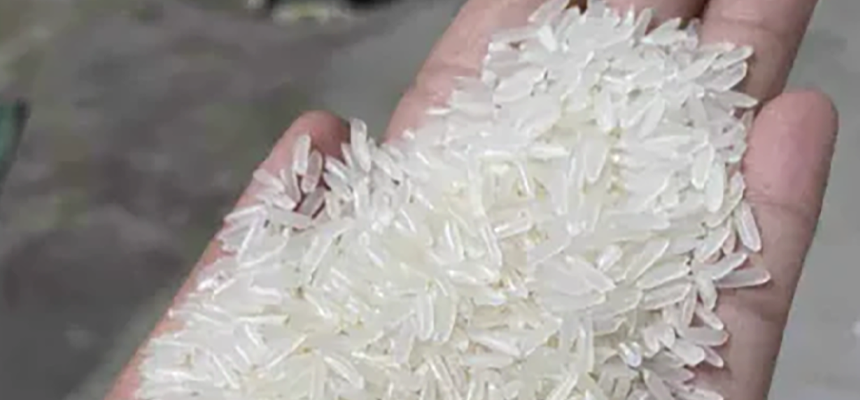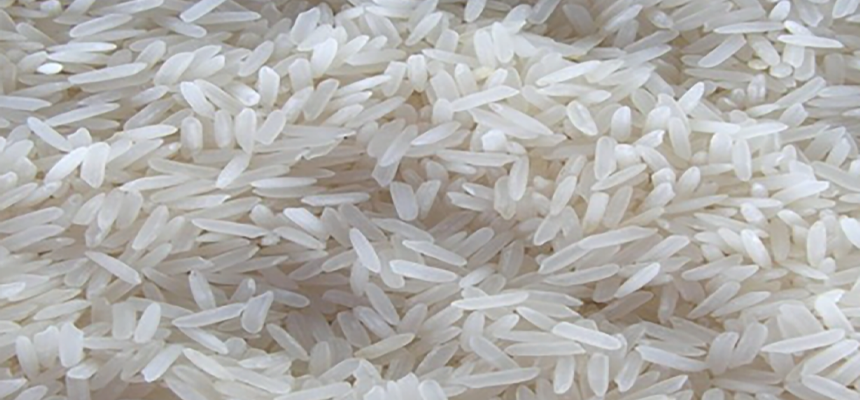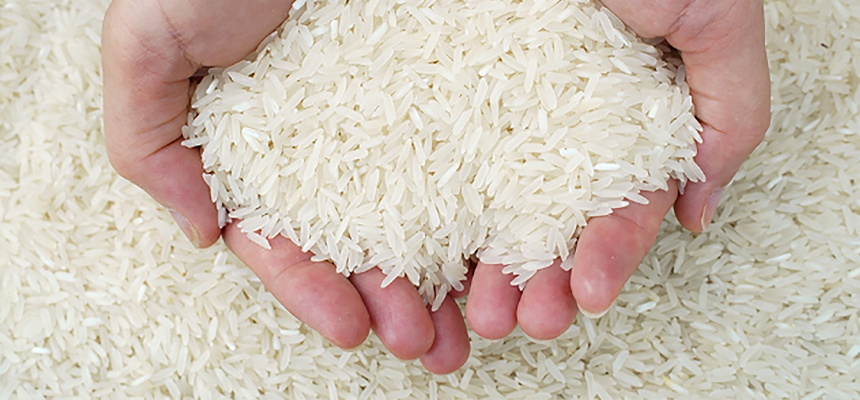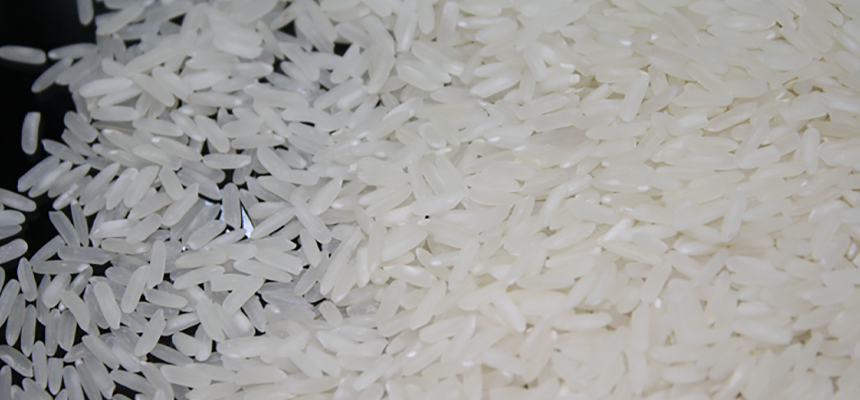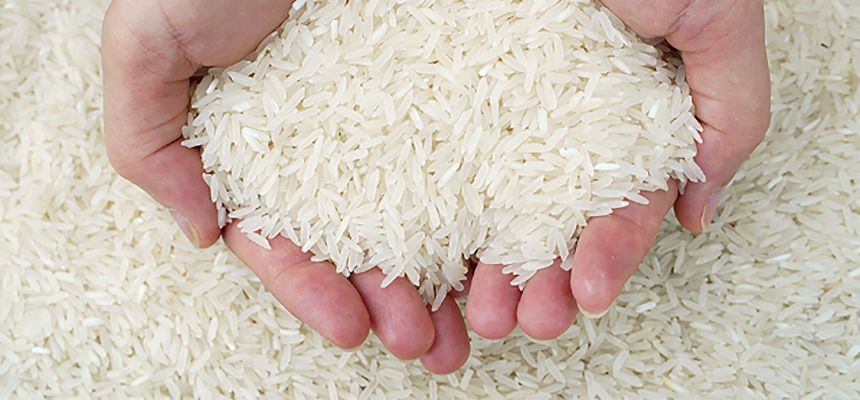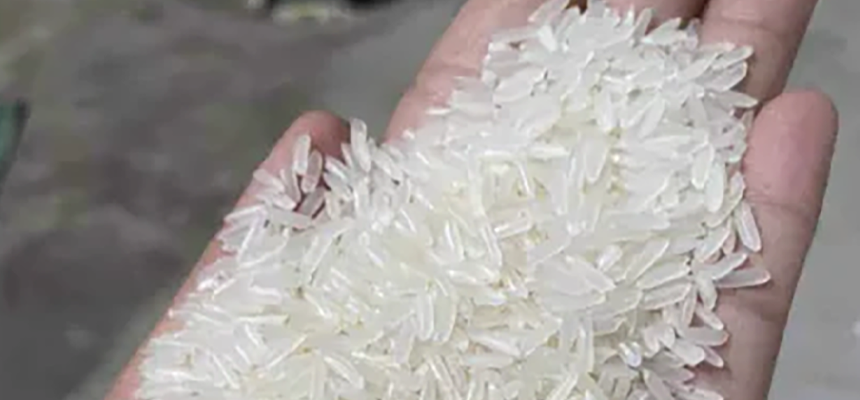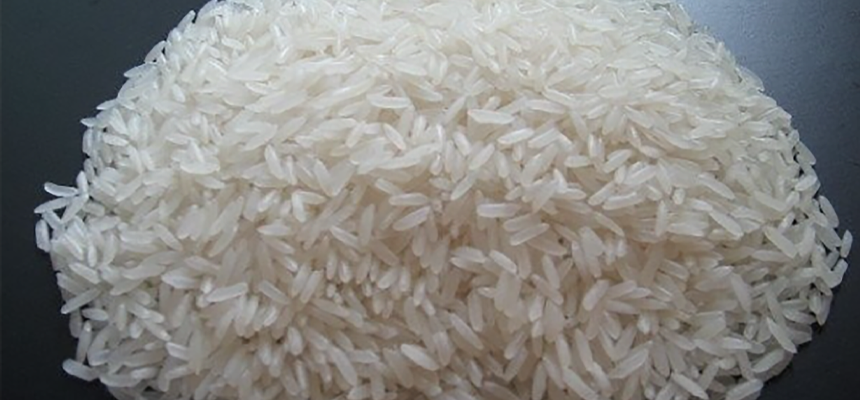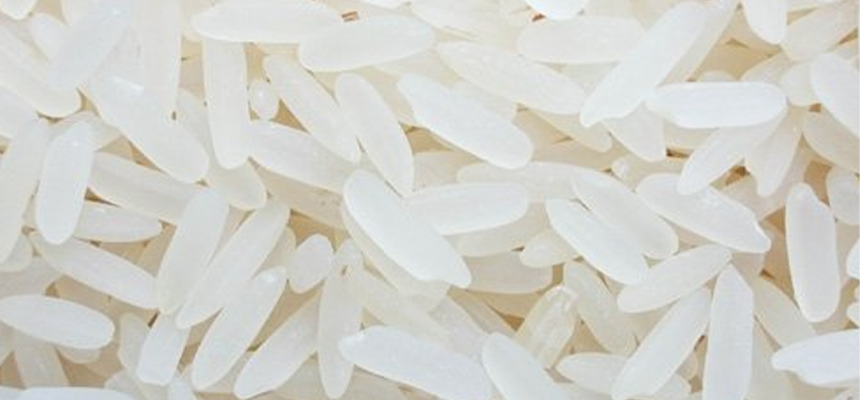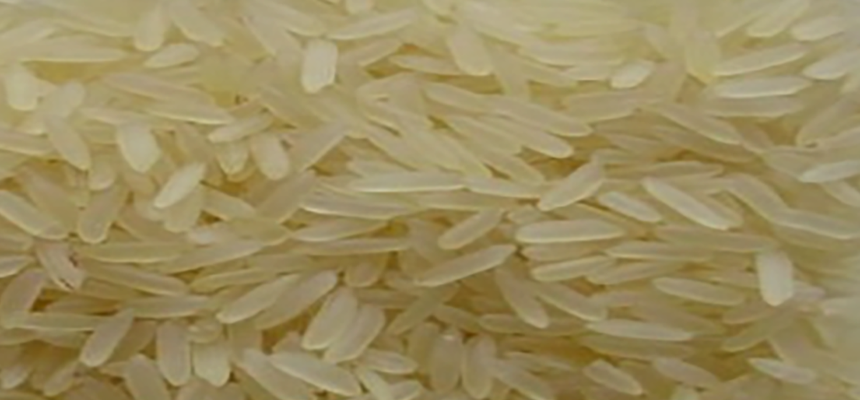


Rice is eaten every day across the Caribbean, from Kingston to Port of Spain, Santo Domingo to Port-au-Prince. Yet most islands grow little or none of it. That gap is filled by imports, and the rice import market in the Caribbean is bigger and more complicated than it looks from outside. Each island has its own tastes, its own rules and its own way of doing business.
We’re De Thai Products 1989 Company Limited, a rice miller and exporter in Thailand. We sell parboiled, long grain white, broken and fragrant rice by the container to importers, wholesalers and food programmes across the Caribbean and worldwide. This guide explains how the rice import market in the Caribbean works, what each part of the region buys, where the rice comes from, and what we can supply. It’s written for buyers, so it sticks to what’s useful.
Table of Contents
How Big Is the Rice Import Market in the Caribbean?
Big enough to matter, small enough that each island feels it when prices move. Haiti is the largest rice importer in the region by a long way, and among the biggest per person anywhere in the Americas. Cuba imports large volumes too. Jamaica, Trinidad and Tobago, the Bahamas, Barbados and the smaller islands each import steady amounts. The Dominican Republic grows most of its own rice but still imports when the local crop falls short.
Guyana and Suriname are the exceptions. They grow and export rice, and much of it goes to other Caribbean countries. So the rice import market in the Caribbean is partly supplied from inside the region and partly from outside, mainly the United States, South America and Asia.
What the Caribbean Eats
Taste drives the rice import market in the Caribbean. The type of rice matters as much as the volume.
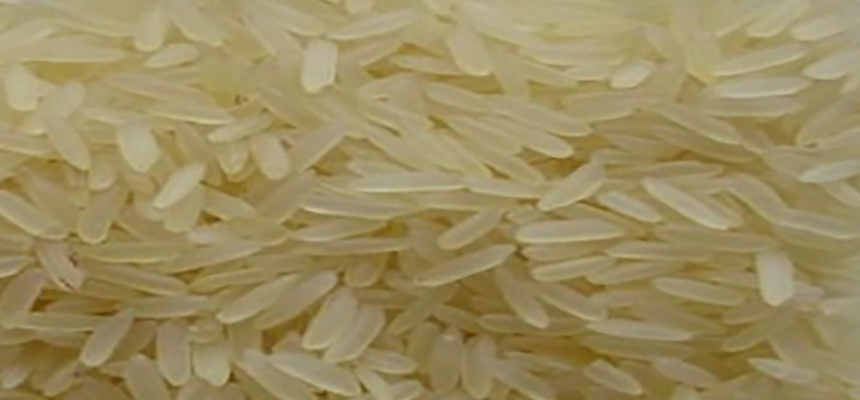
Parboiled rice. Very popular in Trinidad, Guyana, Suriname and parts of Jamaica. It cooks firm and separate, which suits pelau, cook-up rice and curry. Indo-Caribbean cooking leans heavily on it.
Long grain white rice. The everyday rice in much of Jamaica, the Bahamas, Barbados and the Eastern Caribbean. Rice and peas, rice with stew chicken, rice with fish.
Broken rice. Big in Haiti and Cuba, where price matters most. Also used in food programmes and feed.
Medium grain rice. Common in Puerto Rico and the Dominican Republic, where people like a softer, slightly sticky rice.
Fragrant rice. Jasmine and basmati have a smaller, growing share in supermarkets, mostly in higher-income islands and tourist areas.
You can get a feel for how rice fits into the region’s food in the Caribbean cuisine article on Wikipedia.
Where the Region’s Rice Comes From
Supply into the rice import market in the Caribbean comes from four main places.
- Guyana and Suriname. The main suppliers inside the region. White and parboiled rice, often duty-free within CARICOM.
- United States. Long grain and medium grain, with short shipping to the northern Caribbean and Puerto Rico.
- South America. Brazil, Uruguay and others ship to some markets.
- Asia. Thailand, Vietnam and India supply parboiled, white, broken and fragrant rice, often at competitive prices even after the long voyage.
Each source has its strengths. Asian rice usually wins on price for broken grades and on choice for fragrant rice. Thai rice is known for clean sorting and well-defined grades.
Rules and Duties
This is where the rice import market in the Caribbean gets complicated. There’s no single rulebook.
CARICOM. Members of the Caribbean Community apply a common external tariff to rice from outside the region, which gives Guyanese and Surinamese rice a price advantage. Some members can suspend or reduce the tariff when regional supply is short. Check the current rate with your customs broker before you order.
Haiti. Has its own tariff and fees, historically low on rice, which is one reason imports are so high.
Dominican Republic. Protects local farmers with tariffs and quotas. Imports depend on the government opening a window.
Cuba. Imports through state companies and, more recently, private businesses, with payment and shipping complications from US sanctions.
Puerto Rico. A US territory, so it follows US import rules.
Dutch and French islands. Follow their own or European rules.
None of this is hard once you know it, but it changes what makes sense to buy. A grade that’s cheap at origin can lose its edge after duty.
What We Sell Into the Caribbean
As a supplier to the rice import market in the Caribbean, we focus on the grades the region actually buys.
Parboiled rice
- Thai parboiled rice 5% broken
- Thai parboiled rice 15% broken
- Thai parboiled rice 25% broken
- Thai parboiled rice 100% broken
White rice
Other
The full range is on our products page.
Key Specifications
Here are the specs for the two grades we ship most into the rice import market in the Caribbean.
| Item | Thai Parboiled Rice 5% Broken | Thai White Rice 5% Broken |
|---|---|---|
| Grain | Long grain, parboiled | Long grain, white |
| Broken grains | 5% max | 5% max |
| Moisture | 14% max | 14% max |
| Foreign matter | Sortex cleaned | 0.1% to 0.2% max |
| Damaged and yellow grains | Within standard | Within standard |
| Chalky grains | Low | Within standard |
| Color | Light golden | Natural white, well milled |
| Crop | Current season | Current season |
| Packing | 25 kg, 50 kg or retail | 25 kg, 50 kg or retail |
A certificate of analysis goes with every shipment. Broken grades follow the same structure with a higher broken percentage. See rice standard for how Thai grades are defined.
Island by Island
The rice import market in the Caribbean looks different on every island.
Haiti. Very large, very price-driven. Broken and 25% broken white rice sell well, plus some parboiled. Food programmes buy in volume. See broken rice imports to Haiti.
Jamaica. Mixed white and parboiled demand. Price-sensitive shoppers, strong wholesale trade. See parboiled rice suppliers in Jamaica.
Trinidad and Tobago. Parboiled is king. Buyers are particular about grain length and color. See bulk parboiled rice Trinidad and Tobago.
Cuba. Large demand, complicated logistics and payment. See 100% broken rice suppliers for Cuba.
Dominican Republic. Imports depend on quota windows. Medium grain and white rice.
Puerto Rico. Medium grain is the favorite. See medium grain rice in Puerto Rico.
Bahamas, Barbados and the Eastern Caribbean. Smaller volumes, mostly long grain white and some parboiled. Mixed containers and shared freight help.
Prices and What Moves Them
The rice import market in the Caribbean feels every global price swing, because almost everything is imported and freight is a big part of the landed cost. A few things to watch:
- Export policy in big producing countries. When India restricted rice exports in 2023 and 2024, prices jumped worldwide and Caribbean buyers felt it quickly.
- Freight. Routes to the Caribbean usually involve transshipment, so freight is higher and more variable than on main routes.
- Exchange rates. Both the exporter’s currency and your own.
- Harvests. Thailand’s main crop comes late in the year. Guyana has two crops a year.
- Duties. Changes in CARICOM tariff or local fees change landed cost overnight.
We don’t post fixed prices for that reason. We send a dated offer when you ask.
Shipping to the Caribbean
Shipping is one of the biggest costs in the rice import market in the Caribbean. Containers from Thailand usually go through a hub, either in the Caribbean itself, such as Kingston, Caucedo or Freeport, or through Panama, and a feeder carries them to your port. Plan for six to eight weeks from loading. We quote FOB Thailand or CIF your port. If you’re comparing offers, read FOB vs CIF rice price.
A 20-foot container usually holds around 25 to 26 tons in 50 kg bags. See how many tons of rice fit in a 20ft container.
Documents
Every island in the rice import market in the Caribbean has its own paperwork quirks. We send the commercial invoice, packing list, bill of lading, certificate of origin, phytosanitary certificate, fumigation certificate, certificate of analysis, and a quality and weight certificate from an independent surveyor if you want one. Some islands need extra stamps or specific certificate formats. Tell us early. Our rice export documents checklist covers each one.
Storage in the Islands
Storage is the last link in the rice import market in the Caribbean, and it’s where a lot of rice is lost. Heat and humidity are hard on rice. Keep bags on pallets, off the floor, away from walls and in ventilated warehouses. Rotate stock. Check for weevils regularly. Parboiled keeps better in the heat than white. For long voyages and long holds, ask for liners and slightly lower moisture.
How to Enter the Rice Import Market in the Caribbean
If you’re new to rice importing in the region, here’s the order we’d suggest.
- Pick your island and your customer: retail, wholesale, food service or food programmes.
- Find out what rice they actually buy: parboiled, white, broken or medium grain.
- Check duty, licenses and labeling with a customs broker.
- Get samples from two or three suppliers and cook them yourself.
- Compare landed costs, not FOB prices.
- Start with one container, split between two grades if you like.
- Plan the second container before the first one sells out.
Who Buys Rice in the Region
The rice import market in the Caribbean isn’t just a handful of big importers. Rice moves through several kinds of buyers, and each wants something different.
Large trading houses. Import several containers a month, often several grades, and sell to wholesalers and supermarkets. They care about price, consistency and reliable shipping.
Wholesalers and distributors. Buy a container or two at a time, sell 50 kg and 25 kg bags to shops, and often repack into smaller bags. They live on margin and turnover.
Supermarket groups. Buy retail packs, often under their own label. They want clean rice, good packaging and steady supply.
Food programmes and government agencies. School feeding, hospital kitchens, aid programmes. They buy through tenders, often in large volumes, with strict specs.
Food service. Hotels, resorts, restaurants and cook shops. Tourism makes this a real buyer in many islands.
Feed mills and breweries. Buy broken rice as an ingredient.
If you’re new to the rice import market in the Caribbean, figure out which of these you are first. It decides your grade, packing and order size.
Trends Worth Knowing
A few changes we’ve seen in the rice import market in the Caribbean over the last few years.
More retail packs. Shoppers are moving from loose rice sold by the pound to sealed 2 lb, 5 lb and 10 lb bags. Importers who pack well are winning shelf space.
Private label growth. Supermarket groups and big wholesalers want their own brand on the bag. It builds loyalty and lets them switch suppliers without losing customers.
Fragrant rice slowly growing. Jasmine and basmati are still small, but supermarkets in Jamaica, the Bahamas, Barbados and Trinidad carry more every year, partly for tourists and partly for local shoppers trying something new.
Price sensitivity hasn’t gone away. After the global price spike in 2023 and 2024, many buyers moved down a grade, from 5% to 15% or 25% broken, to keep shelf prices steady.
Freight volatility. Shipping costs to the Caribbean jump around more than on main trade lanes. Buyers who lock in freight early or order on a schedule do better.
Retail Packs vs Bulk Bags
Bulk 50 kg and 25 kg bags are still the backbone of the rice import market in the Caribbean. Wholesalers break them down and sell by the bag or the pound. But retail packs are growing fast.
If you sell to supermarkets, retail packs make sense. If you sell to small shops and market vendors, bulk bags are cheaper and they’ll sell it loose. Many importers do both: bulk for the traditional trade, retail packs for supermarkets. We pack both, from 1 kg and 2 lb retail bags up to 50 kg sacks.
Private Label in the Caribbean
We pack rice under buyers’ own brands for Caribbean markets. Send us your artwork and the language you need, whether English, Spanish, French, Dutch or Haitian Creole. We’ll print proofs before the run. Private label printing adds a little time to the first order and a little cost per ton, but it gives you a product nobody else can copy. Our post on rice supplier for supermarkets explains how it works.
Food Programmes and Tenders
School feeding, hospital supply and aid programmes are a steady part of the rice import market in the Caribbean, especially in Haiti and some of the smaller islands. Tenders usually spell out grade, moisture, packing, marking and delivery dates in detail, and they often require a surveyor’s certificate and fumigation at loading. We can quote against tender specs and supply the documents tenders ask for. Send us the tender document and we’ll tell you quickly whether we can meet it.
Why Thai Rice for the Caribbean
Thai rice isn’t the only choice, and we won’t pretend it is. Guyanese rice has a duty advantage in CARICOM and a short voyage. American rice is close by. But Thai rice holds its place in the rice import market in the Caribbean for a few reasons: clean color sorting, well-defined grades, a wide range from fragrant to 100% broken, and prices that often stay competitive even after freight. If you want to compare origins, read Thai rice vs Vietnamese rice and Thai parboiled rice for Caribbean importers. For the wider picture across the region, see top rice importing countries in the Americas.
Seasonal Timing
Demand in the rice import market in the Caribbean isn’t flat through the year. Christmas is the biggest peak almost everywhere, with Easter and back-to-school close behind. Tourist season, roughly December to April, lifts hotel and restaurant demand in the islands that depend on visitors. Hurricane season, June to November, can close ports for days and push buyers to hold more stock.
On the supply side, Thailand’s main crop comes in late in the year, and new crop rice is usually available early in the new year. Guyana harvests twice a year. Prices often soften when big harvests arrive and firm up before them.
Put those together and the advice is simple. With six to eight weeks of transit, order for Christmas by early autumn. Keep a little extra stock through hurricane season. And don’t wait until the warehouse is empty to book the next container.
Mixed Containers for Smaller Buyers
Smaller importers sometimes can’t move 25 tons of one grade quickly. That’s fine. On a first order we can split a container between two or three grades, for example parboiled 5% broken, white 25% broken and a few pallets of jasmine for the supermarket shelf, as long as each grade is in clean rows. It’s one of the easiest ways for a new player to test the rice import market in the Caribbean without tying up too much cash. See cheap broken rice wholesale Caribbean and parboiled rice demand in the Caribbean for more on choosing grades.
Working With Your Forwarder and Broker
Most experienced buyers in the rice import market in the Caribbean already have a forwarder and a customs broker they trust. We’re happy to work with them on FOB terms, and we’ll coordinate the booking and loading date. If you’d rather not deal with freight, we quote CIF and arrange it ourselves. Either way, we send photos of the bags, the loading and the container seal on every shipment.
Payment Terms
We usually work on a deposit by wire transfer with the balance against copy documents, or an irrevocable letter of credit at sight. Regular buyers can discuss other terms. We don’t load without a clear payment route, which protects both sides.
Mistakes We See
- Comparing FOB prices without adding freight and duty.
- Ordering a grade the island doesn’t like, because it was cheap.
- Skipping the surveyor on a first order.
- Buying more than the warehouse can sell in a few months of heat.
- Forgetting holiday peaks like Christmas and Easter, when rice sales jump.
Quality Control
This is what we check on every lot we ship into the rice import market in the Caribbean.
- Color sorting on every lot
- Moisture checks on the bagging line
- Sifting to remove powder and bran
- Fumigation before loading, with certificate
- Retained sealed sample from every lot
- Independent survey at loading on request
More on our quality control page.
Frequently Asked Questions
Who are the biggest buyers in the rice import market in the Caribbean?
Haiti is the largest, followed by Cuba and then Jamaica, Trinidad and Tobago and the other islands. The Dominican Republic imports when local supply falls short.
What rice sells best in the Caribbean?
It depends on the island. Parboiled in Trinidad and Guyana, long grain white in Jamaica and the Eastern Caribbean, broken rice in Haiti and Cuba, medium grain in Puerto Rico and the Dominican Republic.
Do you ship to small islands?
Yes. Small islands are an important part of the rice import market in the Caribbean. We ship to most Caribbean ports, often through a hub. Mixed containers help smaller buyers.
What’s your minimum order?
One 20-foot container, which can be split between two grades on a first order. See Thai rice minimum order quantity.
Can you print our brand on the bags?
Yes, with your artwork and the language your market needs.
Get a Quote
If you buy into the rice import market in the Caribbean, send us the grade, packing, quantity and port. We’ll send samples and a dated offer with the full spec written in.
De Thai Products 1989 Company Limited. Email info@dethairice.com, WhatsApp +66 81 034 6390, or use our contact page. You can also read about us.