


Most buyers who ask us about Thai Hom Mali rice 92% purity have been burned at least once. They bought “jasmine rice” at a good price, opened the first bag at the warehouse, cooked it, and it smelled of nothing much. Or the grains came out half sticky, half dry. Nine times out of ten the problem was the same: the rice wasn’t really Hom Mali, or it was Hom Mali cut with cheaper fragrant rice well past the point anyone admitted.
We’re De Thai Products 1989 Company Limited. We mill and export Thai rice from Chachoengsao, Thailand, and Thai Hom Mali rice 92% purity is the grade we ship more than any other fragrant rice. This page is our offer. It covers what the 92% number really means, the full spec sheet we sell against, how we test it, the bags, the containers, what moves the price, and how to order without getting the wrong rice.
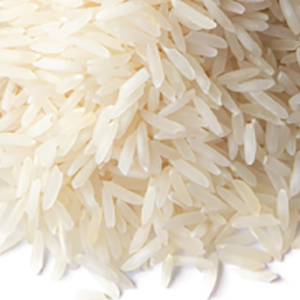
Table of Contents
What Thai Hom Mali Rice 92% Purity Actually Means
Here’s the short version. Under the Thai Ministry of Commerce standard, a lot can only be sold for export as Thai Hom Mali rice if at least 92% of the grains are true Hom Mali varieties. That means KDML105 (Khao Dawk Mali 105) or RD15. The other 8% can be other white rice, and in practice a good mill keeps that slice much smaller.
So Thai Hom Mali rice 92% purity isn’t a marketing phrase. It’s the legal floor. Anything under 92% can’t carry the Thai Hom Mali name for export, and it certainly can’t carry the green Thai Hom Mali certification mark.
Why does it matter so much? Because KDML105 and RD15 are where the smell comes from. Both carry high levels of the aroma compound 2-acetyl-1-pyrroline, the same thing that gives pandan leaf its scent. Blend in too much non-fragrant rice and the pot just doesn’t smell right. Your customers notice even if they can’t explain it.
If you’d like a deeper background on the variety itself, the jasmine rice overview on Wikipedia is a decent starting point. For how we run our own grading, see our rice standard page.
Purity is not the same as broken percentage
People mix these up all the time, so it’s worth saying plainly. Purity tells you how much of the rice is genuine Hom Mali. Broken percentage tells you how many grains snapped during milling. You can have 92% pure Hom Mali with 25% brokens, and that’s a perfectly legal, cheaper product. Or you can have 100% grade A with very few brokens.
When you ask any mill for Thai Hom Mali rice 92% purity, ask for both numbers. If they only give you one, keep asking.
Our Thai Hom Mali Rice 92% Purity Specification
This is the sheet we actually load against. If your import paperwork needs it laid out differently, we’ll match your format.
| Item | Our standard |
|---|---|
| Variety | Thai Hom Mali (KDML105 / RD15) |
| Purity | 92% minimum Hom Mali grains |
| Grain type | Long grain, milled, double polished |
| Broken grains | 4.5% maximum |
| Moisture | 14% maximum |
| Admixture (other rice) | 2% maximum target |
| Chalky kernels | 6% maximum |
| Yellow kernels | 0.2% maximum |
| Red and damaged kernels | Negligible |
| Sorting | 100% color sortexed |
| Crop | Current season, confirmed at booking |
| Origin | Northeast Thailand |
| Shelf life | 12 to 24 months from milling, stored properly |
Look at the admixture line. The standard allows up to 8% of other rice in Thai Hom Mali rice 92% purity. We aim for 2% or less because aroma drops fast once the non-Hom Mali share climbs. That gap between the legal floor and what we load is where most of the quality difference between suppliers lives.
You can see the full product page here: Thai Hom Mali rice for sale. If you want the tightest grade we sell, read about our Thai Hom Mali rice 100% grade A.
Where Our Thai Hom Mali Rice 92% Purity Comes From
Real Hom Mali grows in the northeast. Surin, Roi Et, Si Sa Ket, Yasothon, Buriram. The Thung Kula Rong Hai plain, which runs across five of these provinces, is the name people in the trade mention with a bit of respect. Sandy soil, a bit of salt, rain that stops at the right moment. That combination is a big part of why the aroma is stronger there than anywhere else.
KDML105 is photoperiod sensitive. It only flowers when the days shorten in late October, so you get one crop a year, harvested in November and December. There’s no second Hom Mali crop. If someone offers you “fresh new crop” Thai Hom Mali rice 92% purity in July, it isn’t new crop. It’s last year’s rice, and that’s fine if they tell you so. Our guide to old crop vs new crop jasmine rice explains how each one cooks.
We buy paddy from mills and cooperatives in these provinces and finish it on our own lines. That way we know the crop year, the milling date and the purity test result for every lot. We’re not reading numbers off somebody else’s certificate.
How We Test Purity Before Anything Ships
Purity is the one thing you can’t check by looking at a bag. A blended lot of fragrant rice looks almost identical to the real thing. So here’s what we do on every lot of Thai Hom Mali rice 92% purity before it gets bagged.
- Alkali spreading test. Grains soaked in a weak alkali solution spread in different ways depending on variety. Hom Mali has its own pattern. Grains that behave differently get counted.
- Cooking and smell test. Our QC staff cook a sample. They’ve smelled thousands of pots. A weak lot gets flagged before lab numbers even come back.
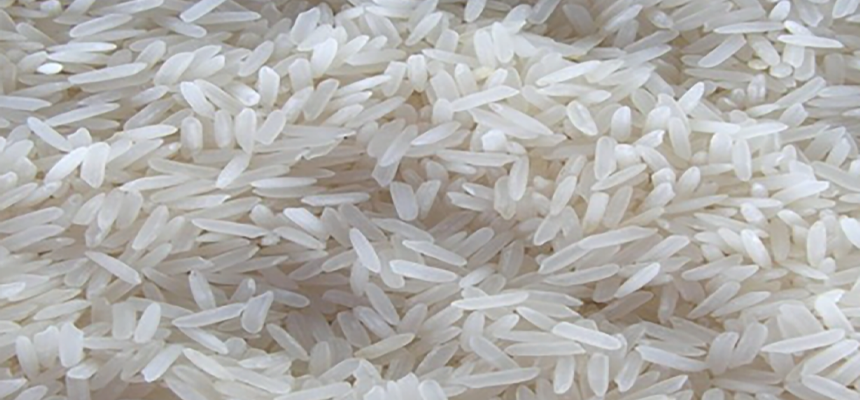
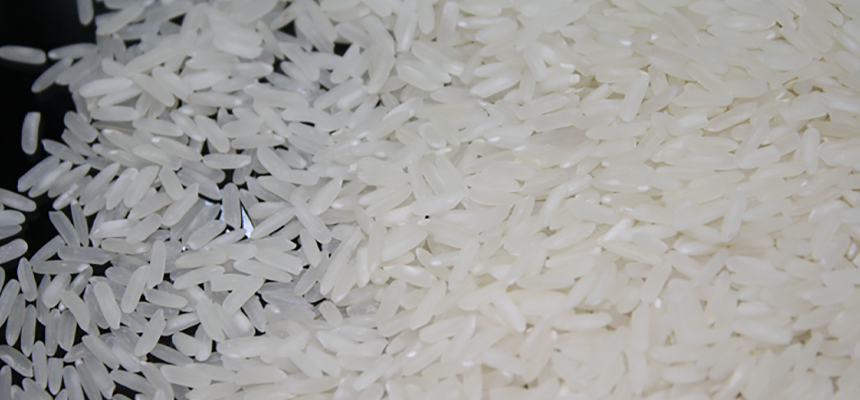
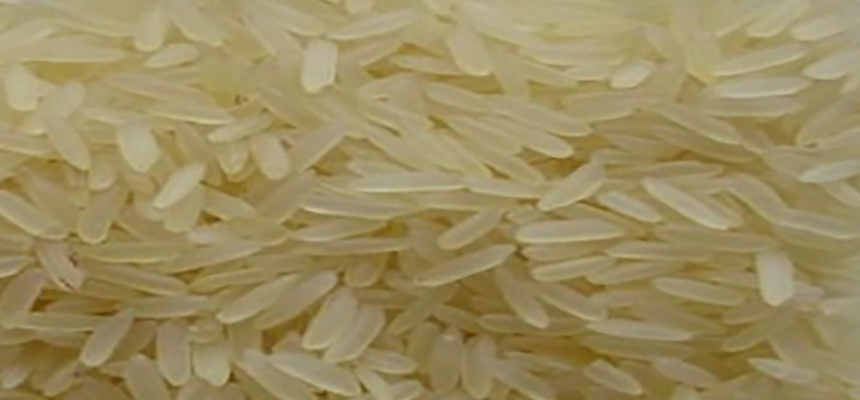
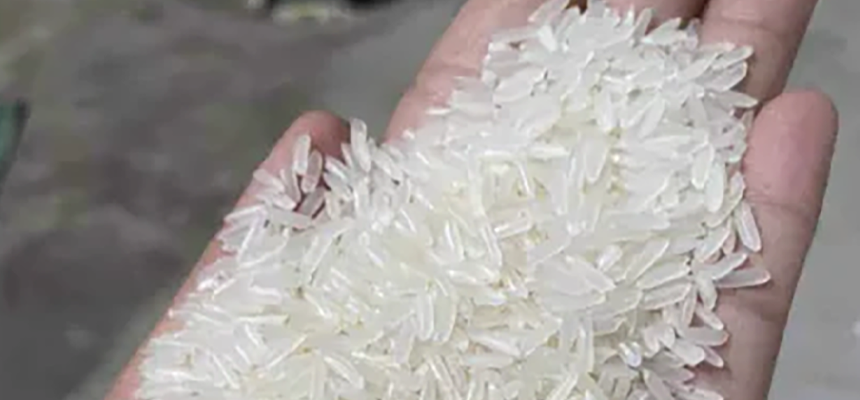
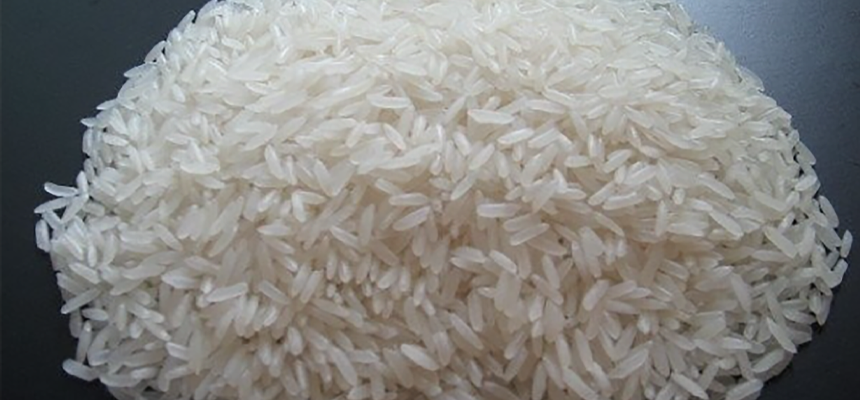
- Grain length and shape. Hom Mali grains are long and slim. A spread of shorter or chunkier grains is a warning sign.
- Lab check when needed. For buyers who want it, an independent surveyor can run a DNA test on the sample. It costs more but it ends any argument.
We also send a pre-shipment sample if you ask. Cook it yourself. That’s still the best test there is. If you want to learn the home-kitchen checks, our post on how to identify genuine Thai Hom Mali rice walks through nine of them.
The Smell, the Cook and the Texture
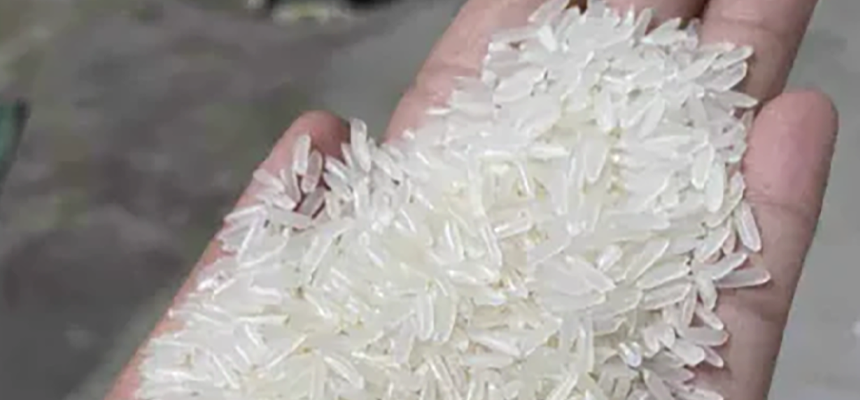
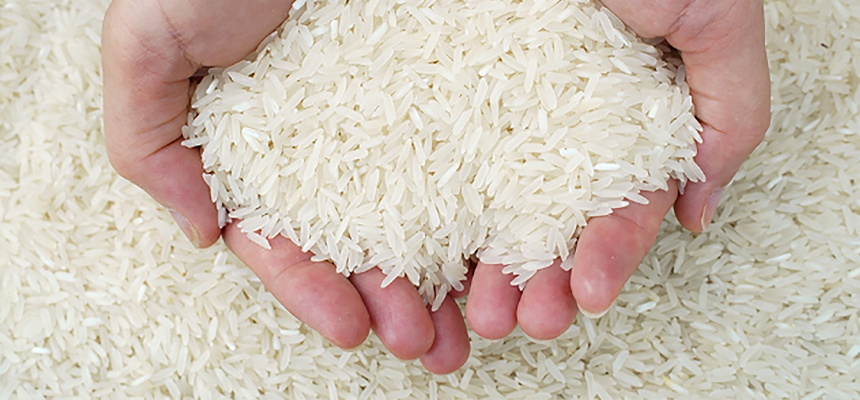
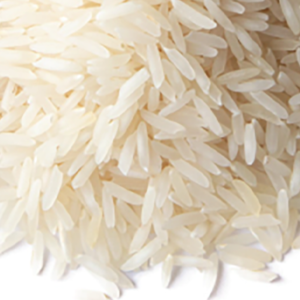
When you cook properly stored Thai Hom Mali rice 92% purity, the kitchen fills with a soft pandan, almost popcorn smell. The grain comes out white and glossy. It’s tender, a little sticky, and it holds together on a spoon without turning to paste.
Cooking ratio for new crop is about 1 cup rice to 1.25 cups water in a rice cooker. Older crop needs a bit more water, closer to 1 to 1.5, because the grain has dried out over the months. Restaurants usually work this out within a week of switching lots.
One honest note. Aroma fades over time. Hom Mali is at its best in the first six months after milling. After a year it’s still good rice, but the perfume is quieter. That’s why we date every lot and why we’d rather sell you fresh stock than clear out old stock at a discount without saying so.
Packing Options for Thai Hom Mali Rice 92% Purity
We pack to what your market wants. The common ones:
- 1kg, 2kg and 5kg retail packs, vacuum or standard
- 10kg and 25kg bags for grocers and restaurants
- 50kg PP woven bags for wholesale and distributors
- Jumbo bags for repackers
- Your own brand, your own artwork
Private label is a big part of what we do with Thai Hom Mali rice 92% purity. You send the design, we print, pack and ship. Our page on private label Thai Hom Mali rice covers minimums and lead times. For bag size choices, read Thai Hom Mali rice 25kg bag and 50kg bag.
Container Loads and Minimum Order
A 20ft container takes about 20 to 25 tons depending on bag size. Our standard minimum for Thai Hom Mali rice 92% purity is one 20ft container. If you’re testing a new market, we can mix grades in one box, for example Hom Mali with white rice 5% broken or glutinous rice.
There’s a full breakdown in our how many tons of rice fit in a 20ft container guide, and our Thai rice minimum order quantity page explains trial orders. If you’re buying a lot more, see Thai Hom Mali rice bulk and container supply.
What Moves the Price
We don’t publish a fixed price for Thai Hom Mali rice 92% purity because it moves week to week. But the things that move it are easy to understand.
- Paddy price in the northeast. This is most of the cost. A short crop pushes it up fast.
- Crop age. New crop costs more than old crop. In December and January the spread can be wide.
- Broken percentage. 4.5% broken costs more than 10% or 25%.
- Packaging. Retail packs and printed private label bags cost more than plain 50kg woven bags.
- Exchange rate. A strong Thai baht pushes dollar prices up.
- Freight. CIF price depends heavily on ocean rates to your port.
Cheaper fragrant rice from other origins is out there, and the price gap with Thai Hom Mali has widened a lot this year. That’s a real pressure on buyers. But cheaper fragrant rice is a different product, and your customers will notice if you swap one for the other under the same label. For live numbers, see Thai Hom Mali rice price per ton, and for the difference between quote types, FOB vs CIF rice price.
Who Buys Thai Hom Mali Rice 92% Purity From Us
- Importers and distributors who resell to Asian grocers and supermarkets
- Supermarket chains that want their own label on genuine Thai rice
- Restaurant groups that need the same rice in every branch
- Online grocers who sell premium fragrant rice to home cooks
- Food manufacturers making ready meals where the aroma has to survive
We ship worldwide: Asia, the Middle East, Europe, the Americas, Africa and the Pacific. Wherever there’s a container port, we can usually get Thai Hom Mali rice 92% purity there.
7 Proven Tips for Buying Thai Hom Mali Rice 92% Purity
These come from watching good and bad deals over many years. Use them with us or with anyone else.
1. Get purity and broken percentage in writing
Put both in the contract. “Thai Hom Mali rice 92% purity, 4.5% broken max, moisture 14% max.” If the supplier won’t write it, that tells you something.
2. Ask for the crop year
Every lot of Thai Hom Mali rice 92% purity has a harvest year. New crop and old crop are both fine, but you should know which one you’re paying for.
3. Cook the sample yourself
Don’t just look at the grains. Cook them in the same way your customers will. Smell is the giveaway.
4. Use an independent surveyor
SGS, Intertek or similar can check quality, weight and packing at loading. Our page on quality control shows what we check ourselves first.
5. Check for the Thai Hom Mali certification
Genuine exports can carry the green Thai Hom Mali mark from the Department of Foreign Trade. Ask whether your lot qualifies and what paperwork comes with it. Our guide on Thai Hom Mali rice certification explains it.
6. Don’t chase the lowest quote
If one quote for Thai Hom Mali rice 92% purity is far under everyone else, something has been cut. Usually purity, sometimes age, sometimes weight.
7. Plan around the harvest
Book early in the season if you want new crop aroma. Prices often ease once harvest volume reaches the mills, then firm again. Our Thai rice harvest season guide covers timing.
Mistakes We See Buyers Make
A few things come up again and again.
Buying “jasmine rice” without asking the origin. Jasmine is a style, not a guarantee. A lot of jasmine-type rice is grown outside Thailand now. Some of it is very good. It just isn’t Thai Hom Mali rice 92% purity, and it shouldn’t be sold as if it were. If you’re weighing the two, read Thai jasmine rice vs Cambodian jasmine rice.
Confusing Hom Mali with Pathumthani. Pathumthani fragrant rice is a newer Thai variety. It smells nice, it’s cheaper, and it can be harvested more than once a year. But it isn’t Hom Mali. Our Pathumthani fragrant rice vs Hom Mali rice page has the side by side.
Storing it badly. Hom Mali loses aroma fastest in heat and humidity. Keep it cool, dry and off the floor.
Hom Mali, Jasmine and Pathumthani at a Glance
| Rice | Purity basis | Aroma | Crops per year | Price |
|---|---|---|---|---|
| Thai Hom Mali | 92% min Hom Mali | Strongest | One | Highest |
| Thai Pathumthani fragrant | Pathumthani variety | Medium | Two or more | Middle |
| Generic jasmine-type | Varies | Varies | Varies | Lower |
If your market cares about aroma, Thai Hom Mali rice 92% purity is the one to stock. If price matters more, our Thai jasmine rice and Pathumthani range covers it.
Documents You Get With Every Shipment
- Commercial invoice and packing list
- Bill of lading
- Certificate of origin (Form A, Form E or others as needed)
- Phytosanitary certificate
- Fumigation certificate
- Quality and weight certificate
- Certificate of analysis
- Thai Hom Mali certificate where the lot qualifies
Our rice export documents guide explains each one. For the trade terms in contracts, the ICC Incoterms rules are the reference most buyers use.
How an Order Works
- You send the grade, tonnage, packing and destination port.
- We send a dated offer for Thai Hom Mali rice 92% purity, FOB or CIF.
- We agree specs and sign a sales contract.
- Samples go out if you want them.
- Payment by L/C at sight or T/T, as agreed.
- We mill, sort, test and bag your lot.
- Inspection, loading, fumigation and documents.
- The vessel sails and documents are released.
First time importing? Our step by step guide on how to import rice from Thailand is a good read before you start.
A Quick Buyer Example
A distributor we work with in the Gulf used to buy jasmine rice from three different traders. Same label, different rice every few months. Complaints from shops came in waves. They moved to Thai Hom Mali rice 92% purity from one mill, with the purity and crop year written into every contract. Complaints stopped within two shipments. Margin went down a little on paper. Returns and lost shops went down a lot more.
That’s the whole point of buying on a clear spec.
Storage Once It Lands
- Keep bags on pallets, not on the floor
- Away from walls, with space for air
- Cool and dry if you can manage it
- First in, first out
- Keep it away from strong smelling goods like spices or chemicals, since rice picks up smells
Treat Thai Hom Mali rice 92% purity like a fresh product, not a dry commodity, and it’ll hold its aroma much longer.
Why Buy From a Mill Instead of a Trader
Traders are useful. Some of them are very good. But they’re one step away from the rice. When a buyer has a problem, the trader has to go back to the mill, and the answer takes days.
We mill it ourselves. When you ask about your lot of Thai Hom Mali rice 92% purity, we can tell you which line it ran on, what day, and what the test said. You can read more about us, see our brands and our achievements, or browse all our products.
Grade A or 92%: Which One Should You Stock?
We get asked this a lot, usually by buyers setting up a new line. The answer depends on who’s eating the rice.
If you sell to Thai and Lao restaurants, or to shoppers who grew up with Hom Mali, go for the tighter grade. They’ll taste the difference and they’ll pay for it. A grade A lot with very little admixture and low brokens is what they expect at home.
If you sell to a wider market, supermarket shoppers who want “good jasmine rice” and won’t cook it side by side with anything else, then standard Thai Hom Mali rice 92% purity at 4.5% broken is the sweet spot. It smells right, it cooks right, and the price works on a shelf next to other brands.
For food service with high volume, some buyers go one step further and take 10% broken Hom Mali. In a big rice cooker the extra brokens hardly show, and the saving on a container is real.
What we’d steer you away from is buying the cheapest lot of “Hom Mali” you can find and hoping nobody notices. Somebody always notices. Usually it’s your best customer.
If you’re still not sure, order a mixed container. Put half grade A and half Thai Hom Mali rice 92% purity in the same box, sell both for a couple of months, and let the sales numbers decide. That’s how a lot of our long term buyers settled on their grade, and it costs you nothing extra in freight.
Frequently Asked Questions
Is Thai Hom Mali rice 92% purity the same as jasmine rice?
It’s the original jasmine rice. But not all jasmine rice is Thai Hom Mali. Only rice meeting the 92% Hom Mali purity standard can be exported under that name.
Can you supply 100% pure Hom Mali?
Yes. We offer higher purity and grade A lots. They cost more. Tell us what you need.
What broken percentages do you offer?
4.5%, 10%, 25% and 100% broken Hom Mali. Most retail buyers take 4.5%.
How long does it keep?
Up to 24 months stored well. Aroma is best in the first six months.
Do you ship to my country?
We ship worldwide to any port with regular container service.
Can I get a sample first?
Yes. Ask and we’ll send one with the spec sheet.
Talk to Us About Thai Hom Mali Rice 92% Purity
Send us your tonnage, bag size, brand needs and destination port. We’ll come back with a dated offer and sample details. If you’d like to compare with other Hom Mali grades first, look at our Thai Hom Mali rice supplier and Thai Hom Mali rice wholesale pages, or check the FAQ.
De Thai Products 1989 Company Limited. Email info@dethairice.com, WhatsApp +66 81 034 6390, or use our contact page.
6 thoughts on “Thai Hom Mali Rice 92% Purity: Honest Spec Sheet and 7 Proven Buying Tips”