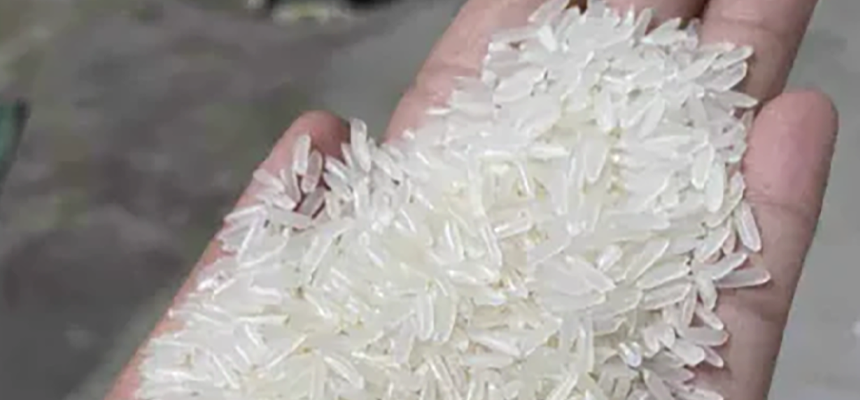
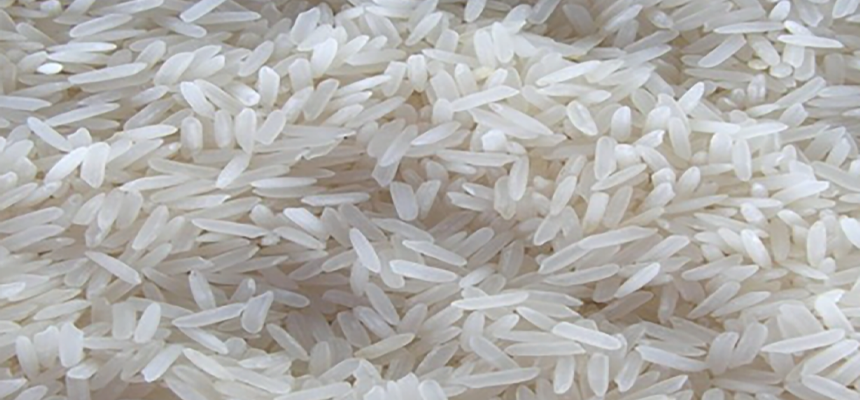
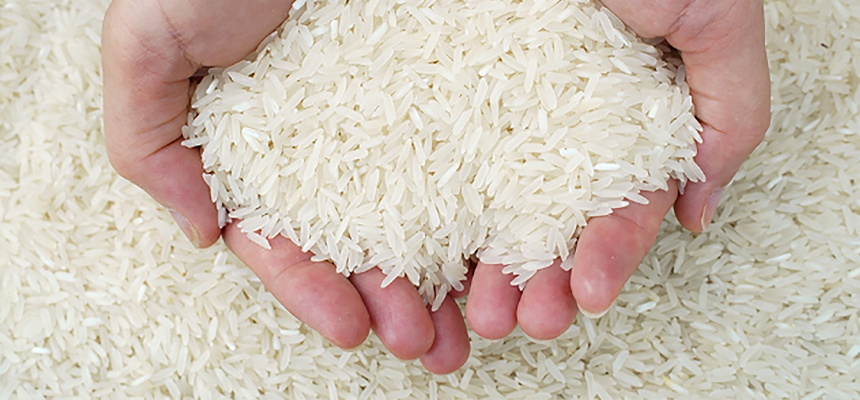
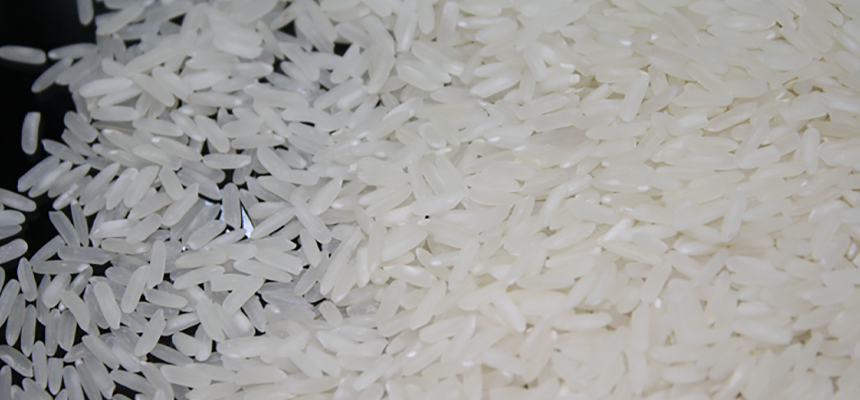
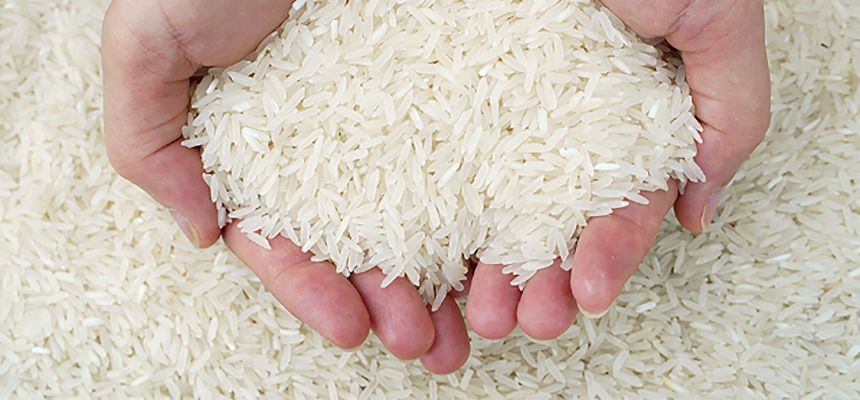
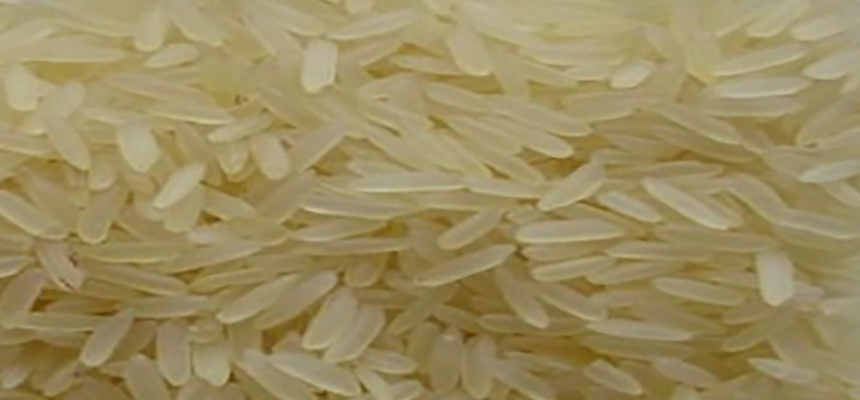
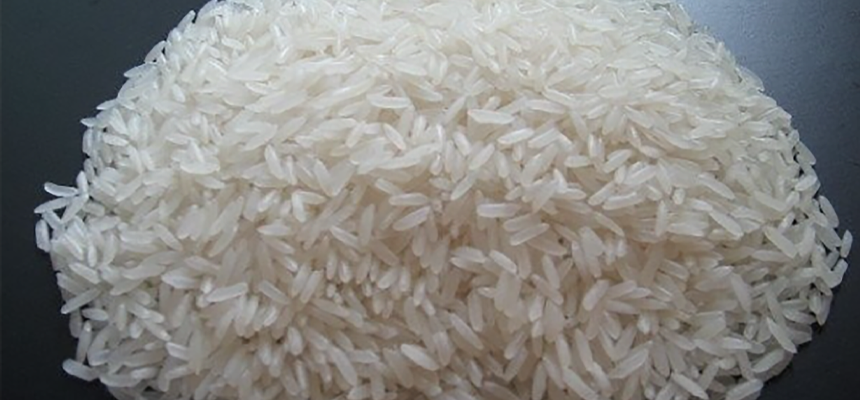
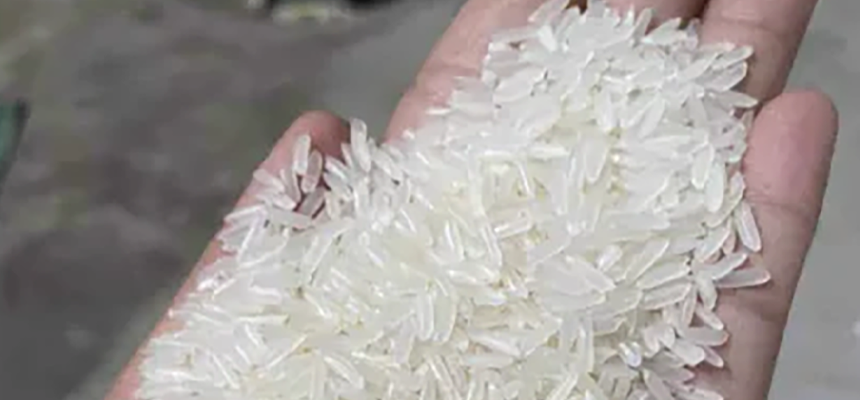
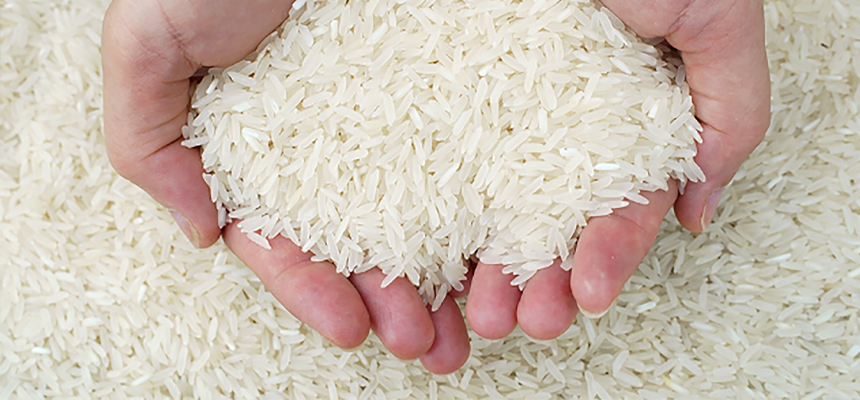
If you’re searching for a rice trading company Thailand buyers have dealt with for decades, you’ve found one. We’re De Thai Products 1989 Company Limited, and we sell Thai rice by the container to importers, wholesalers, supermarkets, food factories and government buyers in every region of the world. We sell Thai Hom Mali, jasmine, white rice from 5% to 100% broken, parboiled rice, glutinous rice, brown rice, red cargo rice and a few imported lines like basmati. This page lays out what we sell, the specs, packing, prices, shipping and how a first order actually goes.
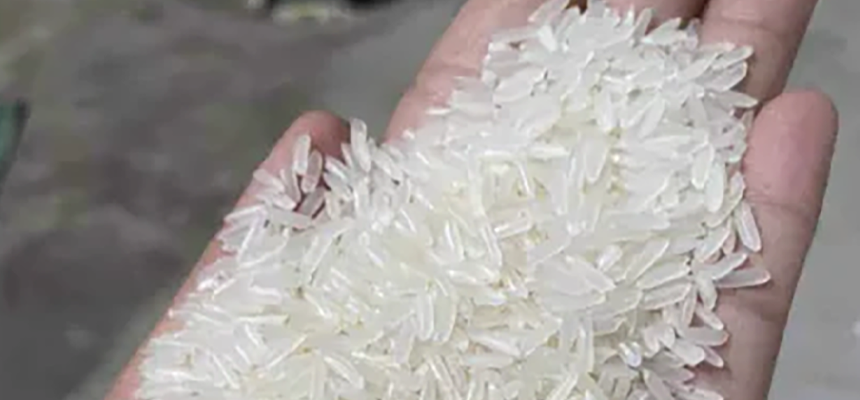
A lot of companies call themselves rice traders. Some own mills. Some just own a phone and a letterhead. The difference shows up the first time something goes wrong at the port. We’ve been in this business since 1989, so we’ve seen most of what can go wrong, and we’ve built the way we work around stopping it before it happens.
Table of Contents
Who We Are
We’re a rice trading company Thailand importers have bought from since 1989. We buy paddy and milled rice from mills in the central plains and the northeast, we sort and pack it to export grade, and we ship it out of Bangkok, Laem Chabang and Koh Sichang. We handle the paperwork, book the space and deal with the surveyors so you don’t have to.
As a rice trading company Thailand side, our team is small enough that you talk to the same people from quote to delivery. That matters more than most buyers think. When a vessel is delayed or a bank wants a document re-issued, you want someone who already knows your order. You can read more about us and see the brands we pack.
What We Sell
Here’s the main range. Every line below has its own product page with photos and full specs.
- Thai Hom Mali rice, 100% Grade A, 92% purity. The premium fragrant rice, new crop or old crop. See Thai Hom Mali rice.
- Thai jasmine rice (Pathumthani fragrant). Fragrant, softer on price than Hom Mali. See Thai jasmine rice.
- Thai white rice 5%, 10%, 25% and 100% broken. Long grain everyday rice. Start with white rice 5% broken.
- Thai parboiled rice 5%, 15%, 25% and 100% broken. Firm, separate grains, popular in Africa and the Middle East. See parboiled rice 5% broken.
- Thai glutinous (sticky) rice. Long grain, 10% and 25% broken. See Thai glutinous rice.
- Brown, red cargo and organic jasmine rice. For health food and retail buyers. See brown rice and organic jasmine rice.
- Basmati, sushi and Calrose type rice. Sourced and packed for buyers who want one supplier for a mixed range. See basmati rice.
The full list sits on our products page. If you need a grade that isn’t listed, ask. As a rice trading company Thailand mills know well, we can usually find it.
Specifications
These are the standard specs we load to as a rice trading company Thailand buyers check closely. Your contract can be tighter, and if your buyer or tender has its own sheet, send it and we’ll tell you straight what we can and can’t meet.
Fragrant rice
| Parameter | Thai Hom Mali 100% Grade A | Thai jasmine (Pathumthani) |
|---|---|---|
| Purity | Min 92% Hom Mali | Min 80% fragrant |
| Broken | Max 4% | Max 5% |
| Moisture | Max 14% | Max 14% |
| Average grain length | 7.0 mm and up | 7.0 mm and up |
| Chalky kernels | Max 6% | Max 6% |
| Damaged kernels | Max 0.25% | Max 0.25% |
| Red and undermilled | Max 0.5% | Max 0.5% |
| Foreign matter | Max 0.1% | Max 0.1% |
| Milling | Well milled, double polished, sortexed | Well milled, double polished, sortexed |
| Crop | New or old crop | New or old crop |
White and parboiled rice
| Product | Broken max | Moisture max | Chalky max | Grain length |
|---|---|---|---|---|
| White rice 5% broken | 5% | 14% | 6% | 7.0 mm avg |
| White rice 10% broken | 10% | 14% | 6% | 6.8 mm avg |
| White rice 25% broken | 25% | 14% | 7% | 6.5 mm avg |
| White rice 100% broken A1 Super | 100% | 14% | Within tolerance | Broken pieces |
| Parboiled rice 5% broken | 5% | 14% | None (parboiled) | 7.0 mm avg |
| Parboiled rice 15% broken | 15% | 14% | None | 6.8 mm avg |
| Parboiled rice 25% broken | 25% | 14% | None | 6.5 mm avg |
| Glutinous rice 10% broken | 10% | 14% | N/A | 6.2 mm avg |
These line up with the Thai export standards. If you want to read how the grades are defined, our rice standard page and the piece on what 5% broken rice means cover it plainly.
Why Buy From a Rice Trading Company Thailand Side Instead of a Broker
Brokers have their place. But a broker sitting in another country can’t walk into the warehouse and look at your rice. We can, and we do. Buying from a rice trading company Thailand based means the people handling your order are standing next to the stock.
A few things change when you buy close to the mill:
- You get prices that follow the Thai market, not a reseller’s margin stacked on top.
- Samples come from the actual lot, not a nice bag someone kept in a drawer.
- When a vessel slips or a container is short, the fix happens the same day.
- You can ask for small changes, like a different bag print or tighter moisture, and get a real answer.
None of that is magic. It’s just distance. The shorter the line between you and the rice, the fewer surprises.
Who Buys From Us
Our buyers are a mixed crowd, and each wants something different from a rice trading company Thailand side.
Importers and wholesalers
They want steady quality container after container, prices they can plan around, and a supplier who answers. Most start with one or two containers and move to a monthly program once they trust the rice.
Supermarkets and private label brands
They want retail packs, printed bags, barcodes and labels that pass their own country’s rules. We pack 1 kg, 2 kg, 5 kg and 10 kg bags under your brand. Our page on rice for supermarkets covers this.
Food factories and caterers
They care about consistency in cooking more than looks, and they want a rice trading company Thailand side that keeps it. Same water ratio, same texture, every batch. See rice for food manufacturers.
Governments and aid programs
Tenders come with strict specs, surveyor rules and document lists. We’ve done enough of these to know where they trip people up. Our guide to government rice tenders goes through it.
Packing Options
Packing is where a lot of first orders with any rice trading company Thailand side go sideways, so we settle it in writing before we mill a single bag.
| Pack | Bag type | Common use |
|---|---|---|
| 1 kg, 2 kg, 5 kg | Printed PE or vacuum bag, packed in cartons or master bags | Retail shelves |
| 10 kg, 15 kg | Printed PP woven or BOPP laminated | Retail, small shops |
| 25 kg | PP woven, BOPP, with or without PE liner | Wholesale, restaurants |
| 45 kg, 50 kg | New PP woven, plain or printed | Wholesale, tenders |
| Jumbo bags | 1 MT big bags | Factories |
| Bulk vessel | Loose in hold | Large tenders |
We can use your design, ours, or a neutral bag with no brand. Private label needs a little more time for bag printing, usually 10 to 15 days.
Prices and Terms
Rice prices move every week. Anyone who quotes you a fixed price list for the whole year is guessing. As a rice trading company Thailand buyers rely on, we quote firm prices valid for a few days, based on the market that week.
To give you a feel for the range in late 2026, Thai white rice 5% broken has been trading around the mid $400s per metric ton FOB, Thai Hom Mali 92% around $1,150 to $1,250, and parboiled grades a little above white rice. These move, so treat them as a rough guide. Our rice wholesale price list 2026 goes deeper, and FOB vs CIF rice prices explains the price terms.
Payment is usually by T/T, either a deposit with balance against documents, or by irrevocable L/C at sight from a recognised bank. We quote FOB, CFR or CIF. The ICC Incoterms rules are worth a read if you’re new to these terms.
Quality Control and Inspection
Every lot gets checked before it’s packed. For a rice trading company Thailand buyers can trust, that’s the minimum. We test moisture, broken percentage, chalky grains, purity and foreign matter. Then an independent surveyor checks it again at loading.
Most buyers name SGS, Intertek or Bureau Veritas in the contract. You pick the company, they draw samples, watch the loading and issue the certificate of quality, weight and packing. We cover how this works in our post on choosing a rice supplier with SGS inspection, and you can see what SGS itself offers for food commodities on the SGS website.
Our own checks are listed on the quality control page. If a lot doesn’t meet spec, it doesn’t ship. Simple as that.
Shipping Worldwide
As a rice trading company Thailand ports know well, we ship to Africa, the Middle East, Asia, Europe, the Americas and the Pacific. Most orders go by 20ft container, which holds about 25 to 27 MT depending on bag size. Larger tenders go break bulk or bulk vessel.
Transit times out of Bangkok and Laem Chabang run roughly:
- Southeast Asia and China: 5 to 15 days
- Middle East: 15 to 25 days
- West and East Africa: 25 to 40 days
- Europe: 25 to 35 days
- North America: 25 to 40 days
- Pacific Islands: 20 to 35 days
If you want the numbers on container loads, see how many tons of rice fit in a 20ft container.
Documents We Provide
A rice trading company Thailand side should hand you a clean set of papers without you chasing them. Ours usually includes:
- Commercial invoice and packing list
- Bill of lading
- Certificate of origin (Form A, Form D, Form E or general, as needed)
- Phytosanitary certificate
- Fumigation certificate
- Certificate of quality, weight and packing from the surveyor
- Health certificate and certificate of analysis on request
- Hom Mali certificate from the Thai Department of Foreign Trade for Hom Mali rice
The full checklist is in our guide to rice export documents.
Thai Rice and Where It Stands
Thailand has been one of the world’s biggest rice exporters for a very long time, with India and Vietnam the other big names. Thai rice tends to cost a bit more, and buyers pay it because the milling is good, the grain is long and even, and the fragrant varieties are hard to copy. The Thai Rice Exporters Association publishes export numbers if you want the bigger picture, and the FAO rice market page tracks prices worldwide.
Our post on Thai rice vs Vietnamese rice gets into the differences honestly. That’s also why a rice trading company Thailand side can hold its prices. Short version: if your customers know rice and care about how it eats, Thai rice usually wins.
Working With a Rice Trading Company Thailand Buyers Return To
Most of our business is repeat business. That doesn’t come from a clever website. It comes from sending the rice we said we’d send, on the date we said, with papers that the bank accepts the first time.
Here’s how we try to keep it that way:
- We confirm the spec in writing before milling, line by line.
- We send photos and, when you want, video of the rice and packing before loading.
- We keep a retention sample from every shipment for at least six months.
- We send draft documents for your check before the originals go out.
- We tell you early if something changes, even if it’s bad news.
Rice Trading Company Thailand for Africa
Africa takes a big share of Thai rice, mostly white rice 5% and 25% broken, parboiled rice and 100% broken. Buyers there often want 25 kg or 50 kg bags with strong printing, and a lot of them pay by L/C. We’ve shipped to West, East and Southern Africa for years. See our guide on parboiled rice import to West Africa.
Rice Trading Company Thailand for the Middle East
Middle East buyers lean towards parboiled rice and premium long grain white rice, plus Hom Mali for the higher end. Bags are often 5 kg, 10 kg and 40 kg, with Arabic printing. We handle halal paperwork and the extra labelling that some Gulf countries ask for. Our page on halal certified rice explains the certificates.
Rice Trading Company Thailand for Asia, Europe and the Americas
In Asia, Hong Kong, Singapore, Malaysia and China buy a lot of Hom Mali and jasmine. Europe and North America buy fragrant rice and some specialty lines for Asian food stores and supermarkets. Each market has its own rules on labels, pesticides and moisture, and we’ll tell you up front what yours needs. See how to import rice from Thailand for a step by step guide.
What a Good Rice Trading Company Thailand Side Should Tell You Up Front
Before you send a cent, a decent rice trading company Thailand based should be able to answer these without hesitating. If they dodge any of them, take note.
- Which crop year the rice is from, and whether it’s new or old crop.
- Which mill or region it comes from.
- What the broken, moisture and chalky limits are, in numbers.
- How long the price is valid, and what happens if the market moves before you pay.
- Which surveyor they’re happy to work with.
- What date the rice can actually be loaded, not just a hopeful date.
We’d rather lose an order than promise a loading date we can’t hit. That’s not us being noble. It’s just that a late ship costs everyone more than an honest answer.
Mixed Orders From One Rice Trading Company Thailand Based
A lot of our buyers run small import businesses that sell several types of rice. They don’t want five suppliers for five grades. They want one rice trading company Thailand side that can put Hom Mali, white rice and sticky rice into the same shipment.
We do this all the time. A typical mixed 20ft container might be 10 MT of Hom Mali in 25 kg bags, 10 MT of white rice 5% broken in 50 kg bags and 5 MT of glutinous rice in 25 kg bags. Each lot is milled and checked on its own, then loaded together. The surveyor certifies each grade separately, so your paperwork stays clean.
It costs a little more per ton than a full container of one grade because of the extra handling, but for a lot of importers it’s the only way to keep stock fresh without tying up money in one product.
Storage Advice After the Rice Arrives
Your rice trading company Thailand partner can only control so much once the container leaves the port. After that it’s on you, and a few habits make a big difference.
- Store on pallets, off the floor and away from walls.
- Keep the warehouse dry and ventilated. Humid air is the main enemy.
- Sell first in, first out. Fragrant rice loses aroma slowly over months.
- Keep rice away from fuel, chemicals or strong smells. Rice picks up odours easily.
Hom Mali and jasmine are best eaten within 12 months of milling. White and parboiled rice keep longer if stored well.
How a First Order Usually Goes
People ask what to expect, so here’s a typical first order with a rice trading company Thailand side like us. Say you want two containers of Thai white rice 5% broken in 50 kg bags to a port in East Africa.
- You send grade, quantity, packing and port.
- We send a firm CFR quote, spec sheet and bag photos within a day.
- We send a 1 to 2 kg sample by courier if you want one.
- You approve, we sign a contract with the full spec.
- You pay the deposit or open the L/C.
- We mill, sort and pack. This takes about 2 to 3 weeks.
- Your surveyor inspects. Containers load and the vessel sails.
- We send draft documents, then originals once you approve.
From contract to sailing, a normal order takes three to four weeks. Private label and big tenders take a bit longer.
Common Problems and How We Avoid Them
A few problems come up again and again, whichever rice trading company Thailand side you use. Here’s how we deal with them.
The rice doesn’t match the sample
We draw samples from the actual milled lot, not from stock on a shelf. The surveyor then compares the loading to the contract spec, not to how someone remembers the sample.
Moisture and insects on arrival
We keep moisture under 14%, fumigate before loading, and use kraft paper and dry bags in containers on long routes. Our post on old crop vs new crop jasmine rice also explains why crop age affects storage.
Document mistakes
One wrong letter on an L/C document can hold up payment for weeks. We send drafts first, every time.
Shipping delays
We book early and tell you the moment a vessel changes. We can’t control the sea, but we can make sure you hear about it from us first.
7 Proven Tips for Choosing a Rice Trading Company Thailand Based
- Ask for the company registration and export licence. A real exporter has them and will show you.
- Ask where the rice is milled. If they can’t tell you the region, be careful.
- Get a sample from the lot you’ll receive. Not a generic one.
- Put the full spec in the contract. Broken, moisture, chalky, purity, crop year, bag weight.
- Use an independent surveyor. SGS, Intertek or Bureau Veritas are the usual picks.
- Start with one or two containers. Build up once you trust the quality.
- Watch how fast they answer. A supplier slow to reply before you pay will be slower after.
These tips work no matter who you buy from. We’d rather you check us properly than trust us blindly.
Frequently Asked Questions
What’s the minimum order?
One 20ft container, about 25 MT. Mixed containers with two or three grades are possible. See Thai rice minimum order quantity.
Do you ship worldwide?
Yes. As a rice trading company Thailand side, we ship to any port that accepts Thai rice.
Can you pack under my brand?
Yes. Send your artwork and we’ll print the bags. It adds about 10 to 15 days.
Do you sell new crop Hom Mali?
Yes, new crop usually arrives from November onward. The Thai rice harvest season post has the timing.
Can I get a sample first?
Yes, 1 to 2 kg by courier. Many buyers pay the courier cost and we credit it on the first order.
Talk to Our Team
If you’re looking for a rice trading company Thailand buyers can actually reach on a Sunday when a ship is late, send us a message. Tell us the grade, packing, quantity and destination port. We’ll come back with a firm price, spec sheet and loading date, usually within one working day.
Email info@dethairice.com, WhatsApp +66 81 034 6390, or use our contact page. You might also find these useful: bulk rice for sale, jasmine rice vs basmati rice and Thailand rice exports 2026.