


Mexico rice import demand is one of the most interesting stories in the Americas right now, and one of the most misunderstood. Mexico eats a lot of rice. It grows only a small part of it. It buys most of the rest from the United States, but that share has been slipping, tariffs have changed twice in two years, and new suppliers are pushing in. If you’re an importer, a distributor or a food maker in Mexico, or you’re thinking about selling there, it pays to understand what’s actually going on.
We’re De Thai Products 1989 Company Limited, a rice miller and exporter in Thailand. We sell white, jasmine, parboiled, glutinous, broken and other rice by the container to buyers worldwide, including Latin America. This post looks at Mexico rice import demand from a supplier’s point of view: how big it is, who supplies it, how tariffs work, what kind of rice Mexican buyers want, and where Thai rice honestly fits. At the end you’ll find what we sell and the specs.
Table of Contents
How Big Is Mexico Rice Import Demand?
Mexico consumes roughly one million tons of milled rice a year. Domestic production is only around 185,000 to 200,000 tons milled, mostly from Campeche, Veracruz, Tabasco, Nayarit, Michoacán and the famous rice of Morelos. That leaves a big gap.
Depending on whose estimate you use, Mexico rice import demand runs somewhere between about 830,000 and 900,000 tons a year on a milled basis. USDA estimates Mexico imports close to 90% of what it consumes. That makes Mexico one of the biggest rice importers in the Western Hemisphere, and the biggest single export market for US rice.
Forecasts for the 2026/27 season expect imports to rise a few percent, driven by population growth and steady consumption. So the underlying Mexico rice import demand is solid and growing slowly. What’s changing is where it’s sourced and in what form.
Mexico Rice Import Demand at a Glance
If you only have a minute, this table sums up Mexico rice import demand as it stands in late 2026.
| Item | Rough figure or fact |
|---|---|
| Annual consumption | About 1 million tons, milled basis |
| Domestic production | About 185,000 to 200,000 tons, milled basis |
| Annual imports | About 830,000 to 900,000 tons, milled basis |
| Share of consumption imported | Close to 90% |
| Main form imported | Paddy (rough rice), about three quarters |
| Main suppliers | United States, then Uruguay, Brazil, Paraguay, Guyana |
| Duty on milled rice from Thailand | 20% |
| Duty on US and Canadian rice | Free under USMCA |
| Main Pacific ports | Manzanillo, Lázaro Cárdenas |
The numbers move a little from year to year, but the shape of Mexico rice import demand has been steady for a long time: big, dependent on imports, and mostly supplied from the Americas.
Paddy Versus Milled: Mexico’s Unusual Pattern
Here’s something that surprises buyers from other regions. Most rice Mexico imports arrives as paddy, also called rough rice, still in its husk. Mexican mills then hull and polish it at home.
In the first seven months of the 2025/26 marketing year (October 2025 to April 2026), Mexico imported roughly 450,000 tons of rice, and about 73% of it was paddy. Milled rice made up the other 27% or so. Milled imports have been creeping up, helped by low-cost retailers and fairly weak world prices, but paddy still dominates.
Why does this matter? Because Mexico rice import demand for paddy mostly goes to suppliers close by, especially the United States, which ship paddy in bulk vessels and rail cars. Thailand doesn’t export paddy at all. So Thai rice only competes in the milled part of Mexico rice import demand, which is the smaller but faster-growing slice.
Who Supplies Mexico Today
For decades the US was almost the only supplier. In 2021/22 it provided around 85% of Mexico’s rice imports, most of it paddy from the southern rice states.
That’s been changing. South American exporters, mainly Uruguay, Brazil, Paraguay and Guyana, have taken a growing share, helped by competitive prices and freight. In early 2026, US shipments to Mexico were well below the year before, and Mexico’s total imports in the first half of its marketing year were down about 20%.
Asian rice has a smaller role. It shows up in specialty grades like jasmine, glutinous and sushi rice, in broken rice for food processing, and in some price-driven milled lots. The overall shape of Mexico rice import demand is still “mostly American, partly South American, a little Asian.” We’d rather be straight with you about that than pretend Thai rice is the default choice.
Tariffs: The Rules in 2026
Tariffs shape Mexico rice import demand more than almost anything else, so it’s worth being precise.
| Origin | Paddy rice | Milled rice |
|---|---|---|
| United States and Canada | Duty free under USMCA | Duty free under USMCA |
| Countries without a trade deal (including Thailand) | Duty free within a 200,000 ton quota in 2026, then 9% | 20% |
| Countries with a Mexico trade deal | Depends on the agreement | Depends on the agreement |
The history goes like this. During the inflation of 2022 and 2023, Mexico dropped duties on rice and other staples to keep food prices down. In 2025 it brought back the 20% duty on milled rice from non-trade-deal countries. Then on January 1, 2026, it brought back a 9% duty on paddy too, but opened a duty-free quota of 200,000 tons for paddy from non-trade-deal countries through the end of 2026, handed out by public bidding.
For US exporters, nothing changes. They’re covered by the USMCA. For Thai milled rice, the 20% duty is a real hurdle. It means Thai rice wins in Mexico when the buyer needs something specific that the US and South America don’t offer well, or when Asian export prices are low enough to absorb the duty.
Tariffs can change again, and Mexico reviews its quotas each year. Before you place an order, ask your agente aduanal (customs broker) to confirm the current rate and whether any quota applies to your exact tariff line.
What Kind of Rice Mexicans Buy
Mexican cooking uses rice every day. Arroz rojo, the tomato-colored rice served with almost everything, is the classic. There’s also arroz blanco, arroz verde, arroz con leche for dessert, and horchata, the rice drink sold in every market and taquería.
What that means for Mexico rice import demand by type:
- Long grain white rice is the main table rice. Mexicans like grains that stay separate after frying and simmering, which is how arroz rojo is made.
- Medium grain rice, including the Morelos type, is valued for its larger grain and is the premium local style. Our post on medium grain vs long grain rice for Latin dishes explains the difference.
- Broken rice goes into horchata, flours, cereals, snacks and pet food.
- Jasmine and sushi rice sell to Asian restaurants, sushi bars (very popular in Mexico) and upscale supermarkets.
- Glutinous rice has a small but real niche in Asian cooking and desserts.
- Parboiled rice is a small category, mostly for food service that needs rice to hold well.
So Mexico rice import demand isn’t one market. It’s at least five or six, each with its own buyers and price points.
Where Thai Rice Fits in Mexico
Given the tariffs and the paddy pattern, here’s where we see real openings for Thai rice in Mexico rice import demand.
Sushi and Asian restaurants. Mexico has a huge sushi culture, and Asian restaurants keep growing in the big cities. They need good jasmine and sushi rice. Our sushi rice and Thai jasmine rice suit them.
Premium and imported-food retail. Shoppers in Mexico City, Monterrey and Guadalajara who want Thai jasmine or Hom Mali will pay for it. See our Thai Hom Mali rice.
Food processors. Horchata makers, cereal plants and snack makers buy broken rice by the ton. Thai white rice 100% broken and broken jasmine can compete when the price is right.
Sortexed long grain for brands. Some Mexican brands want very clean, uniform long grain for premium lines. Our Thai white rice 100% sortexed and white rice 5% broken fit there.
Specialty grades. Thai glutinous rice, Thai red cargo rice, brown rice and organic jasmine rice for health stores and niche brands.
We’re realistic. For the bulk of everyday Mexican table rice, US and South American paddy will keep the lead while USMCA and the duty structure stay as they are. But the specialty end of Mexico rice import demand is growing, and that’s where Thai rice does well.
How to Import Rice Into Mexico
If you’re new to bringing rice into Mexico, these are the basic pieces. Your customs broker will guide you through the details.
- Register in the importers’ list (Padrón de Importadores) with the tax authority, SAT.
- Hire an agente aduanal. Mexico requires a licensed customs broker for most imports.
- Check phytosanitary rules. SENASICA, Mexico’s agricultural health agency, sets the plant health requirements for rice by origin. Milled rice from Thailand ships with a phytosanitary certificate and fumigation certificate.
- Get labels right. Retail bags must have Spanish labeling that meets Mexico’s NOM-051 food labeling standard. Plain rice generally doesn’t carry the black warning seals, but the label still needs the right information.
- Plan the port. Most Asian cargo lands at Manzanillo or Lázaro Cárdenas on the Pacific. Veracruz and Altamira serve the Gulf side.
- Pay duties and VAT. Your broker calculates duty, IVA and customs processing fees on the entry.
We’ve shipped to Latin America for years, and we print bags in Spanish. We’ll work with your broker on the documents.
Shipping Thai Rice to Mexico
Most Thai rice heads to Mexico from Laem Chabang to Manzanillo or Lázaro Cárdenas. Transit is usually about four to six weeks, depending on the carrier and any transshipment. As with any long trip across the equator, the rice must be packed dry, with container lining and desiccants to stop condensation.
We usually quote CIF Manzanillo or FOB Thailand. A 20ft container carries roughly 25 tons of rice in 25 kg or 50 kg bags. If you’re new to how containers and terms work, our posts on FOB vs CIF rice price and how many tons of rice fit in a 20ft container will help.
Prices and Mexico Rice Import Demand
World rice prices fell through 2025 and recovered through 2026. In early October 2026, Thai 5% white rice was trading at about $460 to $468 a ton FOB on flood concerns in Thailand. Vietnamese rice was a bit cheaper, and Indian parboiled cheaper still.
For Mexico, the question is always the landed price after freight and duty compared with US or South American rice. When Asian prices are low, Thai milled rice can land competitively even with the 20% duty, at least for some grades. When they’re high, specialty buyers keep buying but price-driven buyers go elsewhere. That’s why Mexico rice import demand for Thai rice moves up and down more than its demand for US paddy. We cover the wider picture in our post on rice price trends in North America.
What Could Change Mexico Rice Import Demand
A few things to watch over the next year or two:
- Mexico’s 2027 quotas and duties. If Mexico widens the paddy quota or cuts the milled duty, Asian rice gets more competitive.
- The USMCA review. The agreement is up for a joint review, and any change in farm trade terms would ripple through rice.
- South American harvests. Big crops in Uruguay and Brazil mean more competition for US paddy and lower prices in Mexico.
- Local production. Mexico is trying to grow more rice, especially in Campeche. Even a big increase would only cover a small part of the gap.
- Asian food trends. Sushi and Asian food keep growing in Mexican cities, which supports the specialty side of Mexico rice import demand.
Mexico in the Bigger Regional Picture
Mexico is one piece of a larger Americas import story. Central America, the Caribbean and parts of South America also import heavily, mostly long grain white and parboiled. Our posts on top rice importing countries in the Americas, long grain rice exporters to Central America and the rice import market in the Caribbean look at those markets. If you also sell north of the border, see how to import Thai rice into the USA.
Who Actually Buys Imported Rice in Mexico
When people talk about Mexico rice import demand, they tend to imagine one buyer. In practice there are several kinds, and they want different things.
Rice mills. The biggest buyers by volume. They import paddy, mill it in Mexico and sell under their own brands. They mostly buy from the US and South America and care about milling yield and price.
Packers and brand owners. These companies buy milled rice, sometimes in bulk, and pack it under their brand for supermarkets. They care about grain look, cooking quality and a steady supply. This is where sortexed long grain from Thailand can compete.
Supermarkets and discount chains. Some import directly for private label, especially the low-cost chains that have pushed up milled imports. Price is king here.
Wholesale markets. The big central markets in Mexican cities move huge amounts of rice to small shops and fondas. Mostly 25 kg and 50 kg sacks.
Food service and restaurants. From taquerías to sushi chains. Sushi and Asian restaurants are the clearest fit for Thai and Japanese-style rice.
Food processors. Horchata, rice flour, cereal, baby food and snack makers. Broken rice is their main input.
If you’re a supplier, knowing which of these you’re selling to is the first step. If you’re a Mexican buyer, it helps to know which slice of Mexico rice import demand you’re competing in, because your best supplier depends on it.
Demand Across the Regions
Mexico is big and its rice habits vary.
In the north, around Monterrey and the border states, US influence is strong. Buyers are used to US long grain and US brands, and logistics from Texas are easy. Mexico rice import demand here leans heavily American.
In central Mexico, including Mexico City, Puebla and Guadalajara, you find the biggest consumer markets, the most supermarkets, and the strongest demand for specialty rice. Sushi bars, Asian restaurants and imported-food aisles are concentrated here. This is where Thai jasmine and sushi rice sell best.
In the south and southeast, including Campeche, Tabasco, Veracruz and Yucatán, local rice production is strongest and Caribbean-style cooking shows up more. Ports on the Gulf serve this area.
On the Pacific side, Manzanillo and Lázaro Cárdenas are the gateways for Asian cargo, and the western states are within easy trucking distance. For Thai rice, that’s the natural entry point to Mexico rice import demand.
Practical Tips for Selling Into Mexico
From our experience shipping to Latin America, a few things make the difference.
- Speak to the use, not just the grade. A horchata maker cares about starch and price, not aroma. A sushi chain cares about stickiness and consistency. Pitch the rice that fits.
- Price landed, with duty. Always compare your CIF price plus the 20% duty against what US or South American rice lands at. If you can’t compete on plain long grain, focus on grades where you can.
- Get Spanish labels right first time. Relabeling in Mexico is slow and costly.
- Start with a mixed container. A 20ft box split between jasmine, sushi rice and broken rice lets you test several parts of Mexico rice import demand in one go.
- Plan around the quota calendar. The paddy quota resets each year. Changes in January can shift prices for everyone, including milled rice.
- Build relationships. Mexican buyers value suppliers who show up, answer quickly and deliver what they promised. Long-term relationships matter more than one cheap deal.
None of these are secrets, but they’re the habits that separate suppliers who last in Mexico rice import demand from those who ship one container and disappear.
Rice We Sell to Mexico and Worldwide
Here’s what we can ship to Mexican buyers, packed in Spanish or in our own brands:
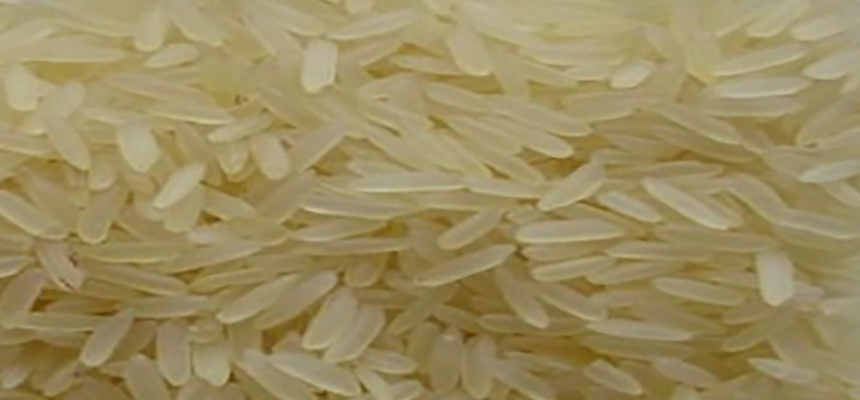
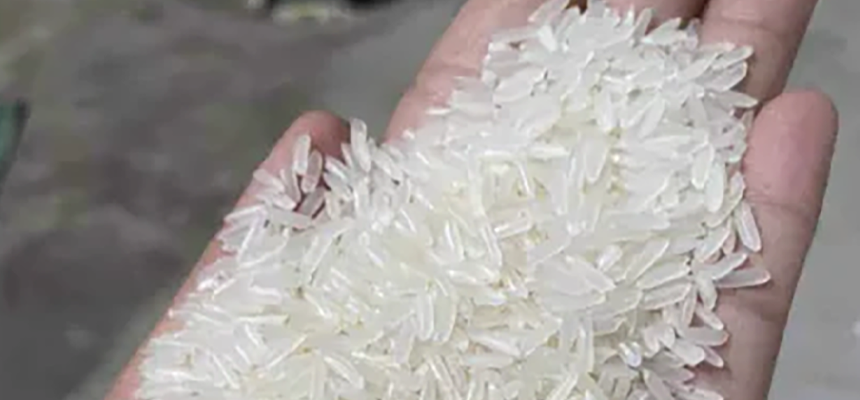
- Thai jasmine rice / Pathumthani fragrant rice and Thai Hom Mali rice
- Sushi rice and medium grain Calrose rice
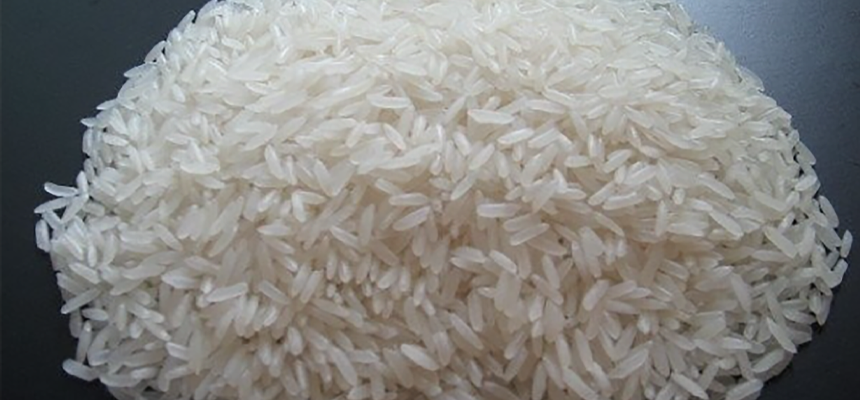
- White rice 5% broken, 10% broken and 25% broken
- Thai white rice 100% broken for horchata, flour and snack makers
- Thai parboiled rice 5% broken
- Thai glutinous rice
- Brown rice, Thai red cargo rice and organic jasmine rice
The full range is on our products page.
Specifications
| Grade | Purity | Broken | Moisture | Best for in Mexico |
|---|---|---|---|---|
| Thai jasmine rice | 95% min | 5% max | 14% max | Asian restaurants, premium retail |
| Thai Hom Mali rice | 92% min | 4.5% max | 14% max | Premium retail |
| White rice 5% broken | Long grain | 5% max | 14% max | Premium table rice brands |
| White rice 10% broken | 95% min | 10% max | 14% max | Everyday long grain |
| White rice 25% broken | Long grain | 25% max | 14% max | Price-driven retail, food service |
| White rice 100% broken | Broken grain | 100% | 14% max | Horchata, flour, snacks, cereal |
| Glutinous rice | 95 to 100% | 5% max | 14% max | Asian cooking, desserts |
Packing runs from 1 kg retail bags up to 50 kg sacks, with Spanish labels on request. Every lot ships with a certificate of analysis, phytosanitary certificate, fumigation certificate and certificate of origin. See how we grade on our rice standard page.
Frequently Asked Questions
How much rice does Mexico import?
Around 830,000 to 900,000 tons a year on a milled basis, close to 90% of what the country eats.
Where does Mexico import its rice from?
Mostly the United States, with a growing share from Uruguay, Brazil, Paraguay and Guyana. Asian rice fills specialty and some price-driven segments.
What’s the duty on Thai rice in Mexico?
In 2026, milled rice from countries without a trade deal with Mexico, including Thailand, pays 20%. Confirm the current rate with your customs broker.
Can you print labels in Spanish?
Yes. We print private label bags in Spanish to Mexican labeling rules, working from your artwork.
Do you sell outside Latin America?
Yes. We ship worldwide, including the US, Canada, the Caribbean, Europe, the Middle East, Africa and Asia.
Get a Quote
If you’re buying for any part of Mexico rice import demand, from sushi restaurants to horchata makers, send us the grade, packing, quantity and port. We’ll come back with samples and a dated CIF or FOB offer.
De Thai Products 1989 Company Limited. Email info@dethairice.com, WhatsApp +66 81 034 6390, or use our contact page. You can also read about us.
One thought on “Mexico Rice Import Demand: Best Supply Offer for Buyers”