


If you want to know how to import rice from Thailand, you’re probably at one of two stages. Either you’ve never imported food before and the whole thing looks like a maze of papers, or you’ve bought rice from somewhere else and want to see if Thai rice makes more sense. Either way, we can help. We’re a Thai rice exporter, we mill and ship rice every week, and this guide walks through the whole process the way we’d explain it to a new customer over coffee.
No jargon for the sake of it, no fluff. Just the steps, what can go wrong, and how we handle our side. At the end you’ll know exactly what to send us to get a quote.
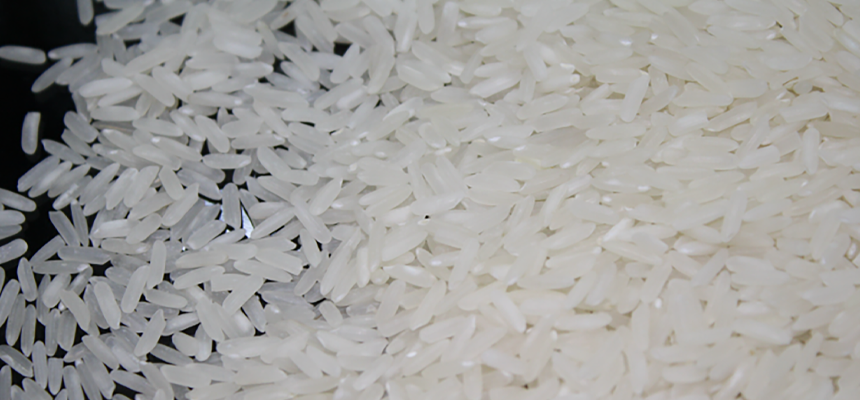
Table of Contents
Why Import Rice From Thailand at All
Thailand is one of the biggest rice exporters in the world, and it has been for decades. Thai rice has a reputation for clean milling, good sorting and a wide range of grades, from fragrant Hom Mali to cheap broken rice for factories. Buyers keep coming back because the quality is consistent and the export system is well organised.
That doesn’t mean Thai rice is always the cheapest. Some grades from other countries can come in lower. But when buyers learn how to import rice from Thailand properly, they usually find the quality, the choice of grades and the reliability of the paperwork are worth the difference. You can see the full list of what we export on our products page.
How to Import Rice From Thailand in 9 Steps
Here’s the short version. We’ll go through each step in detail below.
- Step 1: Decide which rice and which grade you need
- Step 2: Check your own country’s import rules
- Step 3: Find and check a Thai supplier
- Step 4: Get samples and a written spec
- Step 5: Agree the price and the shipping term
- Step 6: Sign a contract and arrange payment
- Step 7: Inspection and loading
- Step 8: Get the export documents
- Step 9: Clear customs and store the rice
That’s really all there is to how to import rice from Thailand. Each step has a few traps, though, so let’s go through them one by one.
Step 1: Decide Which Rice and Which Grade
The first decision in how to import rice from Thailand is the product. Thai rice isn’t one product. It’s a family of products, and the grade you pick changes the price a lot. Start with what your customers actually eat.
| Rice type | What it’s like | Common buyers |
|---|---|---|
| Thai Hom Mali rice | Premium fragrant, soft, top grade | Supermarkets, premium brands |
| Thai jasmine / Pathumthani rice | Fragrant, slightly cheaper | Wholesalers, restaurants |
| Organic jasmine rice | Certified organic fragrant rice | Health food shops |
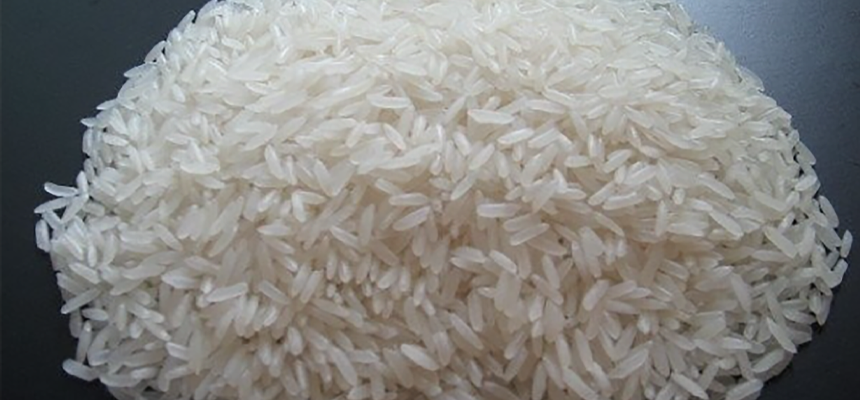
| White rice 5% broken | Long grain, non-fragrant, near whole | Retail, catering |
| White rice 25% broken | Long grain, more broken | Bulk markets |
| Parboiled rice 5% broken | Firm, non-sticky, golden | Retail, catering |
| Parboiled rice 25% broken | Firm, cheaper | Institutions, factories |
| Glutinous rice | Sticky rice | Asian grocers, dessert makers |
| Red cargo rice | Whole grain red rice | Health food, restaurants |
| White rice 100% broken | All broken | Flour, brewing, feed |
If you’re not sure, ask your customers or look at what’s selling on shelves in your market. Many first-time importers start with one mainstream grade and add others later. Our guides can help you compare: Thai white rice 5% broken price per ton, Thai parboiled rice 25% broken price per ton and Thai Hom Mali vs jasmine rice.
Step 2: Check Your Own Country’s Import Rules
This step in how to import rice from Thailand is on you, not on us, and it’s the one people skip most often. Before you order a single bag, find out what your country needs. Every country is different, but the usual questions are:
- Do you need an import licence or a food business registration?
- Is there an import permit, quota or seasonal restriction on rice?
- What duty and tax will you pay on arrival?
- Which certificates are required, such as phytosanitary, fumigation or health certificates?
- Are there labelling rules for the bag, like language, weight and importer details?
- Are there limits on moisture, residues or other quality points?
A local customs broker or clearing agent can usually answer all of this in one conversation. It’s worth paying for. When people ask us how to import rice from Thailand without problems, this is always our first piece of advice: know your own border rules before you sign anything.
Most countries base their plant health rules on the International Plant Protection Convention, which is why a phytosanitary certificate is needed almost everywhere. Food safety standards in many countries follow the Codex Alimentarius.
Step 3: Find and Check a Thai Supplier
There are a lot of rice sellers online, and not all of them own a mill or even a warehouse. Some are honest traders. Some are not. When you’re learning how to import rice from Thailand, picking the right supplier matters more than squeezing the last dollar off the price.
Here’s what to check before you settle on how to import rice from Thailand and who to buy from.
- Company registration. A real Thai company has a registration number and a physical address.
- Export experience. Ask which countries they ship to and for how long.
- Milling or sourcing. Do they mill themselves or buy from mills? Both can work, but you should know.
- Membership. Many established exporters belong to the Thai Rice Exporters Association.
- Communication. Do they answer clearly and quickly, with specs in writing?
- Payment requests. Be careful with anyone who wants full payment up front by personal account transfer.
We’re happy to go through all of this with you. Our family group has been in rice since the 1980s, with mills near the main Thai ports. You can read more on our about us page and see our achievements.
Step 4: Get Samples and a Written Spec
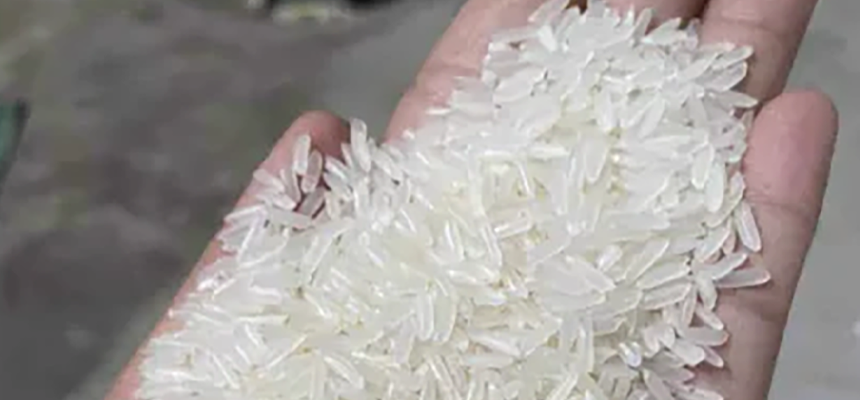
The first rule of how to import rice from Thailand is simple: never import a container of rice you haven’t cooked. Ask for samples of the exact grade you plan to buy, cook them the way your customers would, and check the grain, smell, color and texture.
Alongside the sample, get a written specification. This is the document you’ll hold the supplier to. It should list at least:
- Rice type and grade
- Broken grain percentage
- Moisture maximum
- Foreign matter, damaged, chalky and discolored grain limits
- Crop year
- Packing, bag type and bag weight
If the spec is vague, the rice can be vague too. Our rice standard page shows the grade limits we work to, and every product page on our site lists the full spec.
Step 5: Agree the Price and the Shipping Term
Pricing is where most guides on how to import rice from Thailand get vague. Thai rice prices move weekly. A quote is normally valid for a short time, often a few days, because the supplier’s paddy cost can change. When you get a price, check what it includes. The shipping term decides that. The ICC Incoterms rules define exactly who pays for what.
| Term | Supplier covers | Buyer covers |
|---|---|---|
| FOB | Rice, bags, export documents, loading on the ship in Thailand | Sea freight, insurance, import duty, clearing |
| CFR (CNF) | FOB plus sea freight to your port | Insurance, import duty, clearing |
| CIF | CFR plus marine insurance | Import duty and clearing |
First-time importers usually find CFR or CIF easier, because we book the ship and you only deal with the arrival side. Bigger importers with their own freight deals often prefer FOB. Either way, compare quotes on the same term. An FOB price can look cheap until you add freight.
Step 6: Sign a Contract and Arrange Payment
Once price and spec are agreed, put everything in a sales contract. Anyone who learned how to import rice from Thailand the hard way will tell you the contract is your safety net. It should cover spec, quantity, price, shipping term, packing, loading date, payment terms, inspection and what happens if something goes wrong.
For payment, the two most common options are:
- Telegraphic transfer (TT). A deposit when you sign, with the balance against a copy of the shipping documents.
- Letter of credit (LC). Your bank promises to pay us once we present the right documents. You can read how a letter of credit works if you haven’t used one.
For a first order, an LC protects both sides and is often the most comfortable way to start. Once you’ve done a few shipments together, TT is usually faster and cheaper. Understanding payment is a big part of how to import rice from Thailand safely, so don’t rush it.
Step 7: Inspection and Loading
Once payment is arranged, we mill, sort and pack your rice. Before loading, the rice is checked against the contract spec. Of all the steps in how to import rice from Thailand, inspection is the one that protects you most. Our own team checks every lot, and you can also appoint an independent inspection company such as SGS to sample and test it at the warehouse or during loading. Many first-time buyers do this, and we’re happy with it.
After inspection, the rice is loaded into containers or onto a bulk vessel and sealed. A 20 foot container typically holds around 25 metric tons of bagged rice. You’ll get photos of loading if you ask for them.
Step 8: Get the Export Documents
Paperwork is the part of how to import rice from Thailand that worries people most. The documents are what let your rice through customs at the other end. When you import rice from Thailand through us, we prepare the usual set:
- Commercial invoice
- Packing list
- Bill of lading, which is your title to the goods
- Certificate of origin
- Phytosanitary certificate
- Fumigation certificate
- Certificate of analysis or inspection certificate
- Any extra certificates your country asks for
Under an LC, the documents go through the banks. Under TT, we send them by courier or electronically once the balance is paid. Check every document against your import rules the moment you get copies. A spelling mistake in a company name can hold up a container for days.
Step 9: Clear Customs and Store the Rice
The final part of how to import rice from Thailand happens at your port. When the ship arrives, your clearing agent presents the documents, pays the duty and taxes, and arranges any inspection your authorities require. Then the rice goes to your warehouse.
Storage is the last step in how to import rice from Thailand, and it’s where good rice can go bad. Keep bags on pallets, off the floor and away from walls, in a cool, dry and airy space. Sell older stock first. Rice stored well keeps for many months. Rice stored in a damp shed can spoil in weeks.
How Long Does It Take?
People always ask this when they’re learning how to import rice from Thailand. Here’s a rough timeline for a normal order.
| Stage | Typical time |
|---|---|
| Enquiry, quote and samples | 1 to 2 weeks |
| Contract and payment setup | Up to 1 week, longer for an LC |
| Milling, packing and loading | 15 to 30 days after payment |
| Sea transit | 1 to 6 weeks, depending on your port |
| Customs clearance | A few days, if documents are right |
If you are learning how to import rice from Thailand with private label, note that orders with new bag designs take longer the first time, because bags need to be printed. Repeat orders go faster.
How to Import Rice From Thailand as a Small Business
Not everyone buying Thai rice is a big importer. A lot of the people who ask us how to import rice from Thailand run a single shop, a small wholesale business or a restaurant group. The process is the same, but a few things are different when you’re small.
First, cash flow matters more. A 25 ton container is a big cheque for a small business, and your money is tied up from the day you pay the deposit until the rice is sold. Plan for that gap. It can be two or three months from deposit to your last bag leaving the warehouse.
Second, you may not have your own freight contacts. That’s fine. Buy CFR or CIF and let us book the ship. You then only need a clearing agent at your end. For many small buyers, that’s the easiest way to learn how to import rice from Thailand without having to learn the whole shipping business at once.
Third, mixed containers are your friend. Instead of 25 tons of one grade, you can split a container between, say, jasmine, white rice 5% broken and glutinous rice. That spreads your risk and lets you see which grade sells best in your area before you commit to more.
How to Import Rice From Thailand Under Your Own Brand
Private label is how many importers build a business that lasts. Instead of selling someone else’s brand, you sell your own, and your customers come back asking for it by name.

Here’s how it works when you import rice from Thailand under your own label with us.
- You design the bag or send us an existing design
- You check the label wording against your country’s food labelling rules
- We print the bags in Thailand, in PP, BOPP or laminated material
- We pack your chosen rice grade into your bags
- The rice ships with your brand on every bag, ready for the shelf
The first order takes longer because bags need printing. After that, repeat orders are quicker, and we keep your artwork on file. If you’ve wondered how to import rice from Thailand and still control your own brand, this is the answer. Our post on private label Thai Hom Mali rice explains the process in more detail.
Choosing Your Port and Container Plan
Where your rice lands affects the freight cost and the timeline. If your country has more than one port, compare freight rates and port charges for each. The cheapest freight isn’t always the cheapest overall once you add inland transport to your warehouse.
Most rice is shipped in 20 foot containers, which suit bagged rice well because the weight limit is reached before the space runs out. Larger buyers taking thousands of tons sometimes move to break bulk vessels, where bags are loaded straight into the ship’s hold. We work with both. When you’re working out how to import rice from Thailand at scale, ask us to price both options.
Think about timing too. Shipping lines get busy at certain times of year, and freight rates can jump. If you know your needs in advance, book early. It’s one of the simplest ways to cut costs when you import rice from Thailand.
A Real First Order, Start to Finish
To make how to import rice from Thailand feel less abstract, here’s a real pattern we see a lot, with details changed.
A new importer contacted us wanting white rice for shops in their city. They weren’t sure between 5% and 25% broken. We sent samples of both. They cooked them, showed them to three shop owners, and the shop owners picked 5% broken in 25kg bags.
They checked their import rules with a clearing agent and found they needed a phytosanitary certificate, a fumigation certificate and a certificate of origin. We confirmed we’d supply all three. They chose CIF, so we handled the ship and insurance. For payment they opened an LC, since it was their first order with us.
We milled and packed the rice, an inspector checked it at loading, and the container sailed. The documents went through the banks. The rice arrived, cleared in three days and was in the shops a week later. Their second order came six weeks after that, paid by TT. That’s what how to import rice from Thailand looks like when each step is done properly. It isn’t complicated. It just needs doing in the right order.
Costs to Budget For
When you plan how to import rice from Thailand, the rice price is only one line in your budget. Plan for all of these.
- Rice price per ton, based on grade and bag
- Sea freight, if you buy FOB
- Marine insurance, if you buy FOB or CFR
- Import duty and taxes in your country
- Port charges and clearing agent fees
- Inland transport from port to warehouse
- Inspection fees, if you appoint an inspector
- Bank charges, especially for LCs
- Storage and handling
Work out your landed cost per kilo before you set your selling price. Plenty of new importers get the rice price right and then get surprised by port charges.
Mistakes New Importers Make
We’ve seen these mistakes more times than we can count from people still learning how to import rice from Thailand.
Skipping the import rules. A container stuck at port because a permit wasn’t arranged costs money every single day.
Buying only on price. The cheapest offer online is often cheap for a reason: old crop, loose spec or no rice at all.
Not cooking a sample. Your customers will taste the rice. You should taste it first.
Vague contracts. If the broken grain limit or crop year isn’t in writing, you can’t complain when it’s wrong.
Forgetting the bag. Weak bags tear. Wrong labels can break local rules. Sort the bag out early.
Ordering too big too soon. Start with one or two containers, learn how the process works in your market, then scale up.
How We Make It Easier
If you’re still working out how to import rice from Thailand, here’s what we do to make your first order smoother.
- We help you choose the right grade for your market and budget
- We send samples and a written spec before you commit
- We quote on FOB, CFR or CIF, whichever suits you
- We handle milling, packing, private label bags and export paperwork
- We welcome independent inspection
- We take trial orders and mixed containers
- We ship worldwide and keep you updated until your rice arrives
You can also read our quality control page, see the brands we pack on our our brands page, and check our FAQ for more ordering answers.
What to Send Us for a Quote
To quote you properly, we need:
- Rice type and grade
- Quantity per shipment and per year
- Bag size and type, plain or private label
- Destination port and country
- Shipping term: FOB, CFR or CIF
- Preferred payment method
- Any certificates your country needs
Email info@dethairice.com, WhatsApp +66 81 034 6390, or use our contact page. We usually answer within one working day.
Common Questions About How to Import Rice From Thailand
Do I need an import licence?
That depends on your country. Check with your customs authority or a local clearing agent before ordering.
What’s the minimum order?
One 20 foot container is a common starting point. We also consider smaller trial orders.
Can I mix grades in one container?
Yes. Mixed containers are a good way to test several grades at once.
Can I use my own shipping company?
Yes. Buy FOB and your forwarder handles the freight.
Do you offer private label?
Yes. We print your brand on the bags and pack to your sizes.
Is it safe to pay a Thai supplier?
Use a proper company account, a written contract and, for a first order, consider an LC. That’s how to import rice from Thailand with the least risk.
Start Your First Order
Now you know how to import rice from Thailand, the next step is simple. Tell us what you need and where it’s going, and we’ll send a quote, a sample and a realistic shipping date.


24 thoughts on “How to Import Rice from Thailand: 9 Best Steps”
Comments are closed.