


Jasmine rice demand in the USA has been climbing for years, and we see it from the other side of the order book. We’re a rice mill and exporter in Thailand, and more and more of the containers we load are going to American ports: Thai Hom Mali rice and Thai jasmine rice, packed in 50 lb, 25 lb and 25 kg bags, plain or under the buyer’s own brand.
This post is for importers, distributors, grocery chains and food service buyers who are trying to make sense of jasmine rice demand in the USA and want a supplier who can keep up with it. I’ll go through who’s buying, why the numbers keep going up, what American customers expect to find in the bag, and what we sell, with full specifications. If you already know the market and just want a price, skip to the end and send us your details.
Table of Contents
Jasmine Rice Demand in the USA: The Short Version
Here’s the honest summary of jasmine rice demand in the USA. Americans eat a lot of long grain rice, and most of it is grown at home in Arkansas, Louisiana, Texas, Mississippi, Missouri and California. Fragrant rice is the exception. The US grows very little true jasmine, so nearly all of it is imported, and Thailand ships most of it. The USDA Economic Research Service tracks the rice trade, and year after year Thailand sits at or near the top of the list of countries sending rice to America, mostly as aromatic jasmine.
So when people talk about jasmine rice demand in the USA, they’re really talking about demand for Thai rice. That’s good news for us, and it’s useful to know if you’re the one who has to keep shelves or kitchens stocked.
How Big Is Jasmine Rice Demand in the USA?
I’m not going to throw precise tonnages at you that’ll be out of date by next month. What’s fair to say is that the US brings in well over a million tonnes of rice a year in most recent seasons, and aromatic rice from Thailand is the biggest single slice of it. The USDA publishes monthly figures if you want to follow them closely.
From where we sit, the more useful signal is who’s asking. The enquiries we get from America now come from a much wider mix than they used to: established Asian food importers, yes, but also regional supermarket chains, bowl restaurant groups, online grocery brands and first time importers who’ve noticed jasmine rice demand in the USA in their own town and want a direct supply line.
Who’s Driving Jasmine Rice Demand in the USA?
It isn’t one group, and that’s a big part of why jasmine rice demand in the USA has held up so well.
Asian American households
This is the base, and it’s large. Thai, Vietnamese, Lao, Cambodian, Chinese, Filipino and Hmong families have bought jasmine rice by the 25 or 50 lb bag for decades. Plenty of these customers know the smell of good new crop Hom Mali the second the bag’s open, and they’ll switch brands fast if a shipment comes in dull or stale. Asian grocery stores in California, Texas, Washington, Minnesota, New York and Georgia still move the most volume.
Mainstream American shoppers
Twenty years ago jasmine rice lived in the international aisle. Now it sits next to regular long grain in most big supermarkets, and lots of shoppers who’ve never cooked a Thai dish buy it because they like how it tastes and smells. Meal kits and online recipes helped a lot. People see a recipe that calls for jasmine rice, buy a bag once, and a good share of them keep buying it.
Restaurants and food service
Thai and Vietnamese restaurants are the obvious buyers, but they’re not the only ones. Poke shops, bowl chains, Hawaiian plate lunch places, pan Asian concepts and a fair number of hotel kitchens use jasmine as their house rice now. These buyers want consistency above everything. A cook who’s made the same pot of rice five hundred times notices straight away when the water ratio stops working, and that usually comes down to the age or purity of the rice. We’ve written a separate post on bulk jasmine rice for restaurants if that’s your side of the business.
Health focused buyers
Brown jasmine and organic jasmine are smaller lines, but in some stores they’re growing faster than plain white jasmine. Natural food chains and online sellers ask us about them more each year. We supply both, and you’ll find them on our organic jasmine rice and brown rice pages.
Why Jasmine Rice Demand in the USA Keeps Growing
People ask me whether this is a phase. I don’t think it is, and here’s why.
- The people who grew up on it keep growing in number. Asian American communities are among the fastest growing in the country, and second and third generations still cook rice every day.
- Thai food isn’t niche anymore. Pad kra pao, green curry and khao man gai are on menus in small towns now, not just big cities.
- Taste wins repeat sales. Once someone’s used to fragrant rice, plain long grain tastes flat. That habit sticks.
- Restaurant menus copy each other. When one busy bowl chain uses jasmine, the next three do as well.
- Online grocery made bulk easy. A 25 lb bag delivered to the door used to mean a trip to a specialty store.
None of this hangs on a diet trend or a viral video. Jasmine rice demand in the USA rests on everyday eating habits, and those change slowly.
When Jasmine Rice Demand in the USA Peaks
Jasmine rice demand in the USA runs all year, but there are clear busy periods. Lunar New Year in January or February is the big one for Asian grocery, and stores start stocking up in November. The end of year holidays push supermarket sales. And new crop Hom Mali comes off the Thai harvest around November and December, so a lot of premium buyers time their orders to get the first new crop rice into stores early in the year.
If you’re planning purchases around jasmine rice demand in the USA, work back from those dates. Leave time for milling, bag printing, the sea voyage and customs clearance. For a January promotion, you’d want rice loading in Thailand by mid November at the latest.
What American Buyers Want in the Bag
Jasmine rice demand in the USA is one thing. Repeat orders are another, and they depend on what’s inside the bag. From what US importers tell us, these are the points that matter most.
Aroma
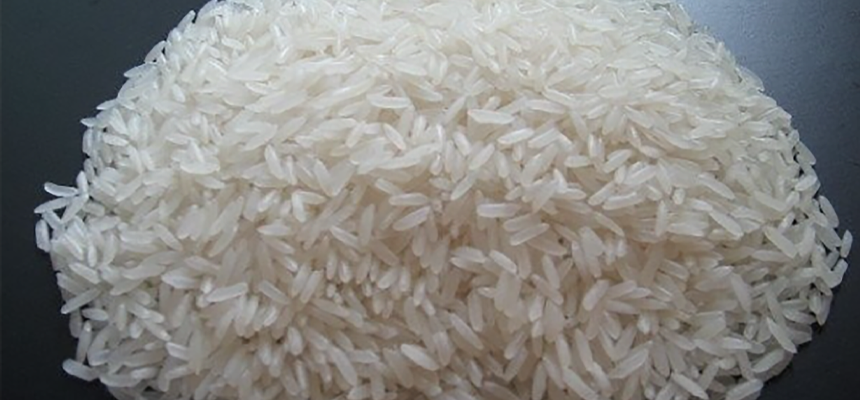
The smell is the product. Thai Hom Mali gets its fragrance from a natural compound called 2-acetyl-1-pyrroline, and it’s strongest in new crop rice. It fades with time, heat and bad storage. The jasmine rice entry on Wikipedia covers the background if you want it. For a buyer, what matters is that the rice is milled fresh and shipped soon after, which is how we work.
Purity
Cheap “jasmine” blended with ordinary long grain is the complaint we hear most. It cooks unevenly and the smell’s weak. Genuine Thai Hom Mali for export has to meet a minimum purity of 92% under the Thai standard. If you’re not sure how to check what you’re getting, read our guide on how to identify genuine Thai Hom Mali rice.
Texture
American customers like jasmine soft and a little sticky, but not mushy. That’s partly the variety and partly the crop age. Old crop is firmer and takes more water. New crop is softer. Neither is wrong, but the buyer needs to know which one is coming. Our post on old crop vs new crop jasmine rice explains the difference.
Clean, whole grains
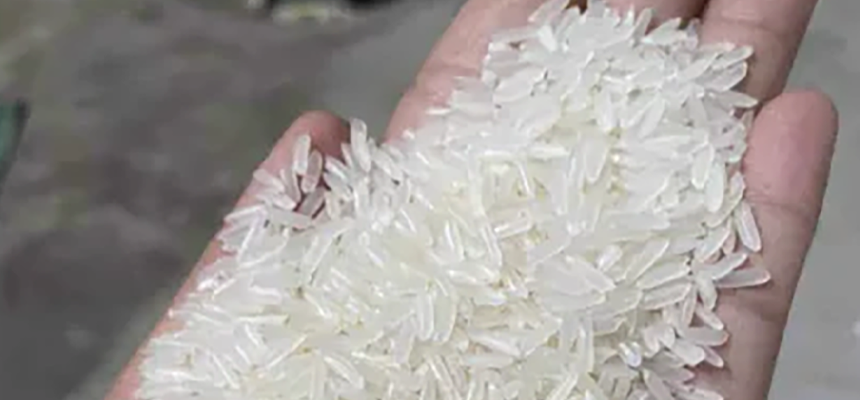
Low broken percentage, no stones, no discoloured grains, no husk. All our jasmine is 100% sortexed, which means it runs through colour sorting machines before it’s packed.
Labels that work in the US
Net weight in pounds and kilograms, English text, “Product of Thailand”, a Nutrition Facts panel on retail packs, and a lot number for traceability. We print to your artwork and work from your US label requirements.
What We Sell to Meet Jasmine Rice Demand in the USA
We sell two main fragrant rice lines to American buyers, plus brown and organic versions. All of it is milled at our facility in Chachengsao, close to Bangkok’s ports, and shipped by container.
| Specification | Thai Hom Mali rice (100% Grade A) | Thai jasmine rice (Pathumthani) |
|---|---|---|
| Variety | KDML 105 / RD15 | Pathumthani 1 |
| Purity | 92% minimum Hom Mali | 95% minimum |
| Broken grains | 4.5% maximum | 5% maximum |
| Moisture | 14% maximum | 14% maximum |
| Average whole grain length | 7.0 mm minimum | 7.0 mm minimum |
| Chalky grains | 6% maximum | 6% maximum |
| Red and undermilled grains | 0.5% maximum | 0.5% maximum |
| Yellow grains | 0.2% maximum | 0.2% maximum |
| Sorting | 100% sortexed | 100% sortexed |
| Crop | New crop | Current crop |
| Packing | 5 lb, 10 lb, 25 lb, 50 lb, or 1 to 50 kg | Same |
| Bag types | PP woven, BOPP laminated, with or without liner | Same |
| Brand | Our brand or your private label | Same |
Full details are on our Thai Hom Mali rice and Thai jasmine rice product pages. If you can’t decide which suits your customers, this comparison of Pathumthani fragrant rice vs Hom Mali rice will help.
Which line sells where
Roughly speaking, Hom Mali is what Asian grocery shoppers and premium supermarket brands want. It has the strongest smell and the best name recognition. Pathumthani jasmine costs less and still smells good, so it works for food service and value retail. A lot of our US importers carry both: Hom Mali under the premium label and Pathumthani under a second brand.
Brown and organic jasmine
Brown jasmine is Hom Mali with only the husk taken off, so the bran layer stays on. It cooks slower, tastes nuttier and appeals to the wholegrain crowd. Organic jasmine is grown without synthetic pesticides or fertilisers on certified farms. For US retail it has to meet USDA Organic rules, so tell us at the start that the rice is for the American market and we’ll match the paperwork to it. Our Thai brown jasmine rice wholesale post has the brown rice specs.
Packing Sizes That Fit the American Market
Packing is where jasmine rice demand in the USA gets specific. It’s one of the few markets where we pack mostly in pounds.
- 50 lb bags for restaurants, institutional kitchens and Asian grocery stores. Our 50 lb bag jasmine rice wholesale page has bag counts and container loads.
- 25 lb bags, the classic family size in Asian supermarkets.
- 10 lb and 5 lb bags for mainstream supermarkets and online sellers.
- 2 lb pouches on request for premium retail.
- Metric bags from 1 kg to 50 kg if you also sell into Canada or the Caribbean.
We can load different sizes in one container, so you don’t have to commit a full load to a single bag size. That’s handy when you’re testing how jasmine rice demand in the USA plays out in a new region or store format.
Private Label for US Brands
Most of what we ship to America goes out under the buyer’s brand. You send the artwork, we print the bags in Thailand, and the rice arrives ready to sell. There’s a longer explanation in our post on private label Thai Hom Mali rice, but in short:
- You send your design files and the bag sizes you want.
- We check the layout against the bag dimensions and send a proof.
- You approve the proof and we order the printed bags.
- The first print run takes a bit longer. Repeat orders use the same plates and move faster.
If you’re building a brand on the back of jasmine rice demand in the USA, private label is where the margin is. Selling someone else’s brand means fighting on price with every other store that carries it.
Pricing and How We Quote
Rice prices move with the Thai harvest, the baht and freight rates, so we quote on a dated offer rather than a fixed price list. We quote FOB Bangkok or Laem Chabang, or CFR and CIF to your port. If those terms are new to you, our guide to FOB vs CIF rice price walks through them. For a feel of where the market is right now, see Thai jasmine rice price per ton.
To give you a quote that’s actually useful, we need:
- Which rice (Hom Mali, Pathumthani, brown, organic)
- Bag sizes, and plain or private label
- Number of containers, and whether it’s a one off or a regular supply
- Your destination port
Shipping to US Ports
We ship to all the main American container ports. West Coast buyers usually bring rice in through Los Angeles, Long Beach or Oakland. Texas and the South use Houston. East Coast buyers go through New York and New Jersey or Savannah. Transit varies by carrier, but about three to four weeks to the West Coast and five to six weeks to the East Coast is a fair guide.
A 20 foot container takes around 25 metric tons of bagged rice, which works out at roughly 1,100 bags of 50 lb. For the numbers by bag size, see how many tons of rice fit in a 20ft container.
Import Paperwork for the US
Rice coming into the United States falls mainly under the FDA, with customs handled by CBP. As the importer you’ll need a Foreign Supplier Verification Program in place, and the FDA’s FSVP rule page explains what that involves. On our side, we provide:
- Commercial invoice and packing list
- Bill of lading
- Certificate of origin
- Phytosanitary certificate
- Fumigation certificate
- Certificate of quality and weight from an independent surveyor
- Thai Hom Mali certificate where it applies
- Halal certificate on request
Your customs broker files the entry and the FDA prior notice, and we’ll give you the supplier information your FSVP file needs. Our checklist of rice export documents goes into more detail, and if this is your first container, start with how to import rice from Thailand.
Jasmine Rice Demand in the USA by Region
Jasmine rice demand in the USA isn’t even across the country. Here’s roughly how our American buyers break down.
California and the West Coast. The biggest market by a long way. Large Asian grocery chains, strong restaurant demand and a lot of private label. Buyers here are fussy about aroma and won’t take old crop.
Texas. Houston and Dallas have big Vietnamese and Chinese communities, plus a fast growing food service trade. 25 lb and 50 lb bags dominate.
The Northeast. New York and New Jersey distributors supply a dense network of small stores and restaurants. Mixed containers with several bag sizes are normal here.
The Midwest. Minnesota and Wisconsin have large Hmong communities who buy jasmine in bulk, and Chicago distributors cover a wide area around them.
The Southeast. Atlanta and Florida are growing quickly, partly through food service and partly through mainstream supermarkets.
If you’re moving into a new region, the mix of buyers there should shape which rice and which bag sizes you bring in. Jasmine rice demand in the USA looks very different in a Houston Asian supermarket than in a Midwest grocery chain.
Quality Control Before Every Shipment
We check every lot before it’s packed and again before it’s loaded: moisture, broken percentage, grain length, purity, colour and foreign matter. An independent surveyor such as SGS can inspect on your behalf. There’s more on our quality control page.
We also send samples before a first order. Cook them, smell them, hand them to your pickiest customers. That’s the test that counts.
Mistakes Buyers Make in the US Market
- Buying on price alone. The cheapest jasmine is often blended or old. You save a little on the invoice and lose customers.
- Not asking about crop age. Ask when the paddy was harvested and when the rice was milled.
- Getting labels wrong. A label that doesn’t meet FDA rules can hold up a whole container. Have your broker or a label consultant check the artwork before printing.
- Ordering too much of one size. Mix sizes until you know what sells.
- Poor storage after arrival. Jasmine keeps its aroma best somewhere cool and dry. A hot, humid warehouse kills the smell in a few months.
Why Buy Direct From a Thai Mill
Every middleman between the mill and your warehouse adds cost and time. Buying direct gets you fresher rice, a clear chain of custody and someone who can answer questions about the crop. We’d rather have one importer who orders every month than ten who order once. You can read more about us as a Thai jasmine rice supplier, and our overview of Thailand rice exports 2026 explains what’s going on with this year’s crop and prices.
We’ve also written about the best Thai jasmine rice for American kitchens, what to look for in wholesale jasmine rice suppliers in the USA, the paperwork behind Thai Hom Mali rice certification for US buyers, and the market just north, jasmine rice imports to Canada.
Frequently Asked Questions
Is jasmine rice demand in the USA still growing?
Yes. Our US orders have grown steadily, and importers tell us the same about their own sales. The growth comes from Asian American households, mainstream supermarkets and food service all at once.
Where does most jasmine rice sold in America come from?
Thailand. The US grows some aromatic rice, but true Thai jasmine and Hom Mali are imported, and Thailand is the main source.
What’s your minimum order?
Usually one 20 foot container, and mixed bag sizes are fine within that. Our Thai rice minimum order quantity guide has the details.
Can you pack in pounds?
Yes. 5 lb, 10 lb, 25 lb and 50 lb bags are standard for our American buyers.
Do you only sell to the US?
No. We ship worldwide, including Canada, the Caribbean, Latin America, Europe, the Middle East, Africa and Asia.
How long from order to shipment?
Usually 15 to 30 days. A first private label order takes a little longer.
Can I get samples?
Yes. We courier samples so you can cook and test the rice before you commit.
Order Thai Jasmine Rice for the US Market
If jasmine rice demand in the USA is showing up in your sales figures, the next step is a supplier who can keep pace with it. De Thai Products 1989 Company Limited mills and exports Thai Hom Mali, Thai jasmine, brown jasmine and organic jasmine rice, as well as white rice, parboiled rice, glutinous rice and red cargo rice. We ship worldwide.
Tell us which rice you want, the bag sizes, plain or private label, how many containers and your port. We’ll send samples and a dated offer. Email info@dethairice.com, WhatsApp +66 81 034 6390, or use our contact page.


7 thoughts on “Jasmine Rice Demand in the USA: Best Supply Offer”