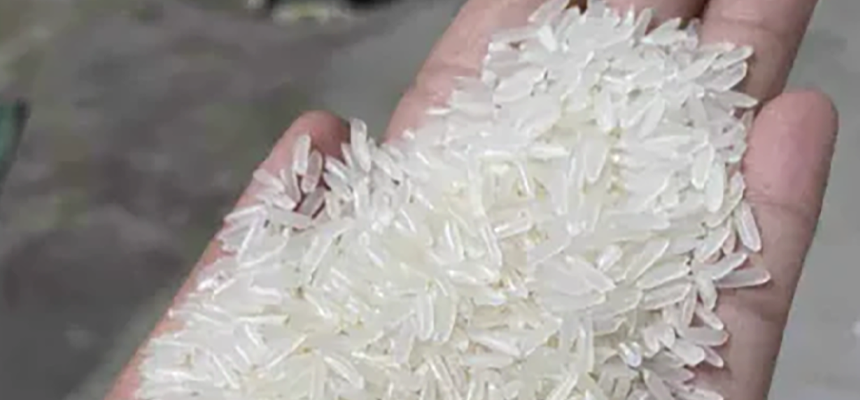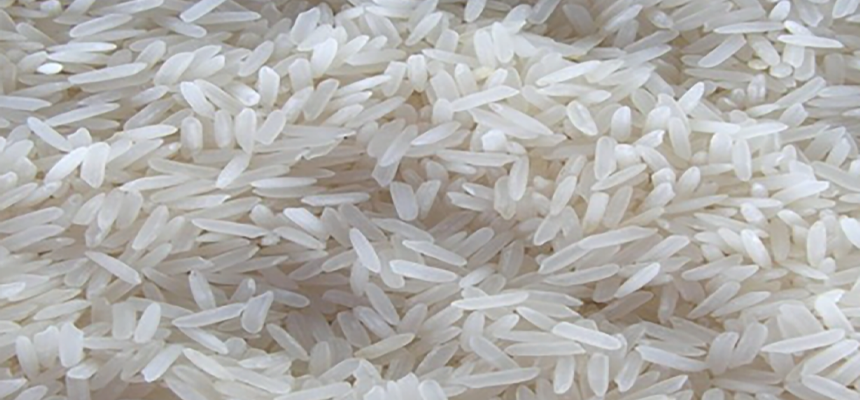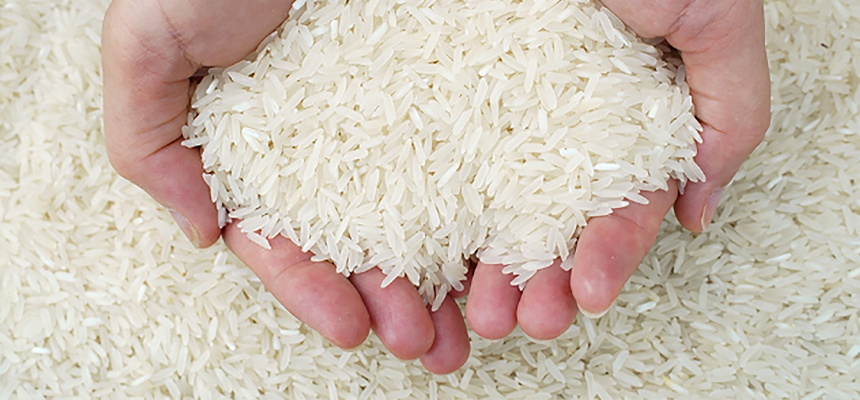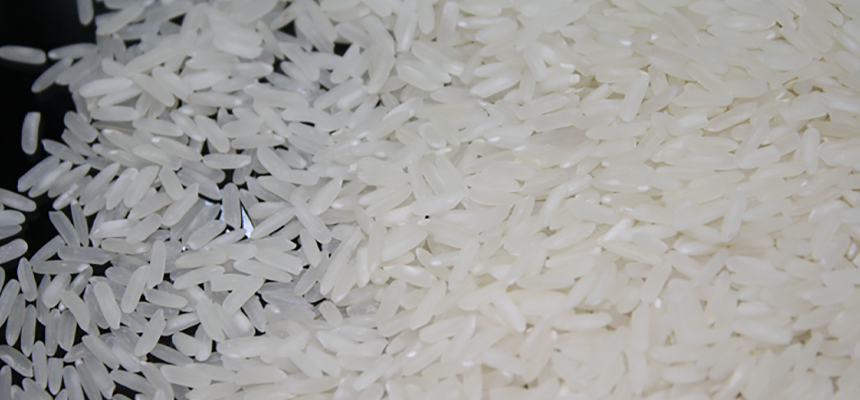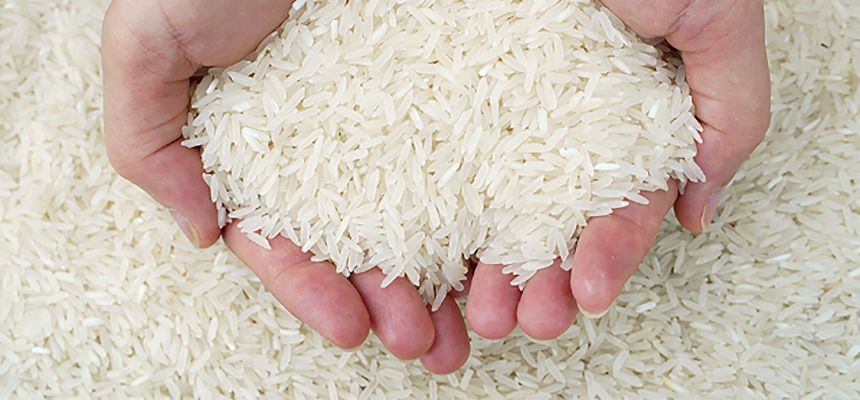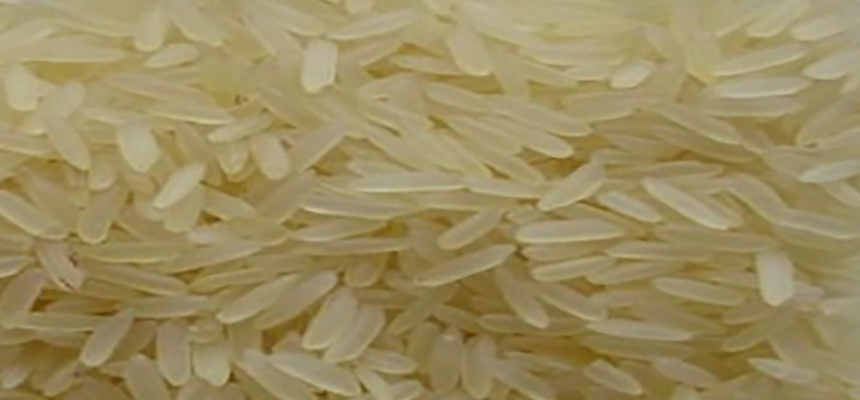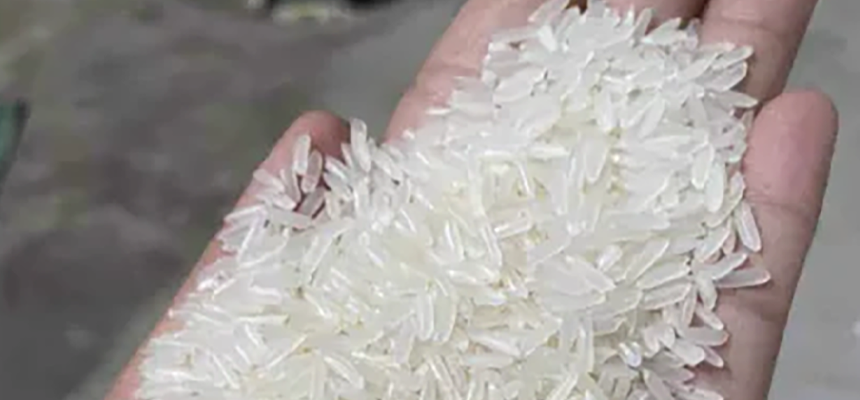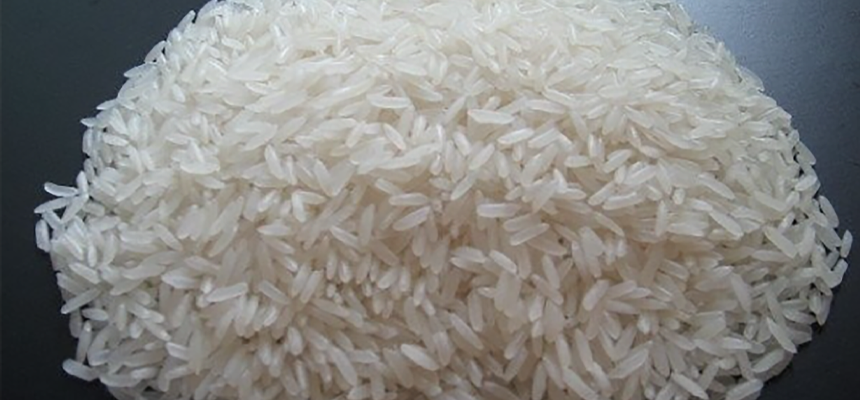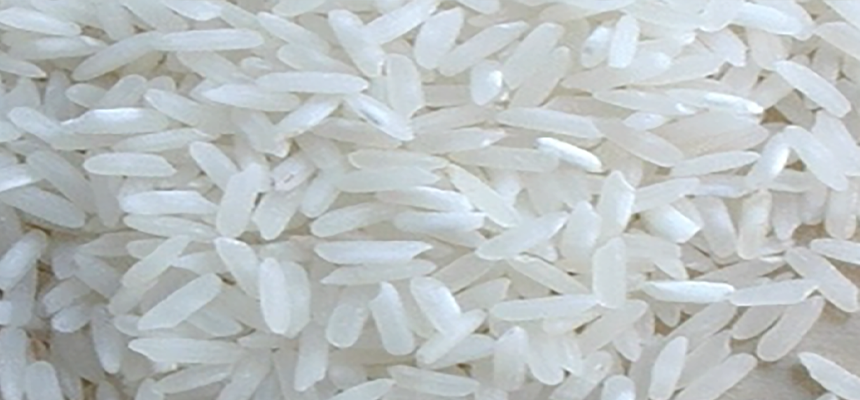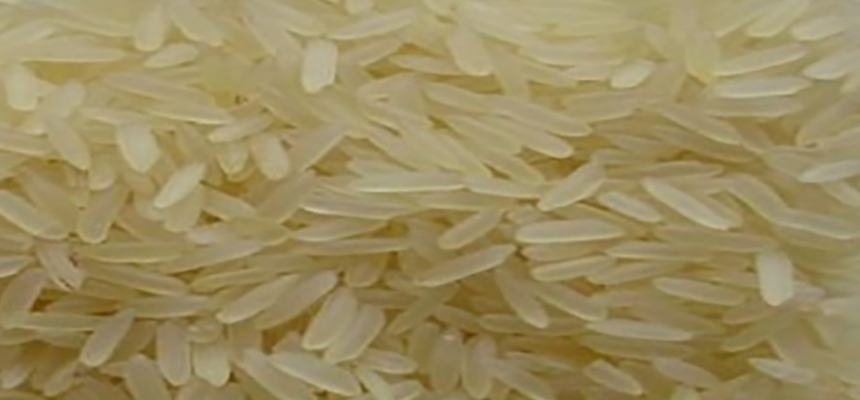

If you’re searching for the best rice exporters in Thailand, you’re probably trying to find someone who will ship what they promise, at a fair price, on time, without surprises at the port. We’re one of those exporters. De Thai Rice works directly with Thai mills and ships jasmine, Hom Mali, white, parboiled, glutinous, brown and specialty rice to buyers worldwide. This guide explains how the Thai export trade works, what separates a good exporter from a risky one, and exactly what we sell, with specs.
Table of Contents
Why Buyers Look for the Best Rice Exporters in Thailand
Thailand has been one of the world’s top rice exporters for decades, and in a typical recent year it ships somewhere between 7 and 10 million tons. That volume comes from a long chain: farmers, paddy collectors, mills, exporters, inspection companies, shipping lines. Every link can add quality or lose it.
Most problems buyers have with Thai rice aren’t about the rice itself. They’re about the exporter. Samples that don’t match the shipment. Grades quietly downgraded. Bags short-weighted. Documents late, so the cargo sits in port paying storage. Prices that change after the deposit is paid. The best rice exporters in Thailand are the ones who don’t do these things, and who fix it when something outside their control goes wrong.
The Thai Rice Exporters Association publishes useful market data and export price indications, and it’s worth bookmarking if you buy regularly.
The Best Rice Exporters in Thailand Come in Different Types
Not every exporter works the same way. Knowing the difference helps you pick the right partner.
Large trading houses
Big companies shipping hundreds of thousands of tons a year, often with government-to-government contracts. They’re strong on volume. Smaller buyers sometimes find them hard to get attention from.
Mill-based exporters
Exporters who own or work directly with mills. They control milling, polishing, sorting and packing, so they can adjust specs for your order. This is where we sit.
Brokers and agents
Middlemen who match buyers to exporters. Some are honest and helpful. Some are the source of most scam stories in the rice trade. If someone can’t tell you which mill your rice is coming from, be careful.
Specialty exporters
Smaller firms focused on organic, Riceberry, black rice or premium Hom Mali for niche retail markets.
What the Best Rice Exporters in Thailand Do Differently
After years in the trade, these are the things we see the reliable exporters doing consistently.
- They send pre-shipment samples from the actual lot, not a nice sample from a different crop.
- They put full specs in the contract: broken %, moisture, purity, grain length, chalky, damaged, foreign matter, crop year.
- They welcome independent inspection by SGS, Intertek, Bureau Veritas or a company you choose.
- They’re clear on price terms: FOB, CFR or CIF, what’s included, and how long the quote holds.
- They have real registration. A Thai company registration, a Department of Foreign Trade exporter licence and a physical office you can visit.
- They deliver documents on time. Phytosanitary, origin, fumigation and inspection certificates ready when the vessel sails.
- They answer the phone when something goes wrong. Delays happen. What matters is how they’re handled.
If an exporter ticks every one of those boxes, they belong on your list of the best rice exporters in Thailand, whether that’s us or someone else.
Red Flags to Avoid
- Prices well below the market. Rice is a commodity. If a price looks too good, it usually is.
- Requests for 100% payment upfront by personal bank transfer.
- No company address, or an address that turns out to be a virtual office.
- Refusal to allow third party inspection.
- Pressure to decide today.
- Bank details that don’t match the company name on the contract.
We’ve had buyers come to us after losing deposits elsewhere. It’s painful to hear, and almost every case had at least two of those signs.
About De Thai Rice
We’re a Thai rice exporter working mill-direct with partner mills in the central plains and the northeast. That means we can manage your order from paddy selection through milling, sorting, packing and loading, rather than buying finished bags from whoever is cheapest that week.
We supply importers, wholesalers, supermarket chains, restaurant groups, caterers, food manufacturers and tender buyers. Our customers are spread across Africa, the Middle East, Europe, the Americas, Asia and the Pacific. You can read more on our about us and achievements pages, and see our full approach in Thai rice mill direct supply.
What We Export
Fragrant rice
- Thai Hom Mali Rice (KDML 105), 92% purity and above.
- Thai Jasmine Rice / Pathumthani Fragrant Rice.
- Organic Jasmine Rice.
White rice
- Thai White Rice 100% Sortexed.
- White Rice 5% Broken, 10% Broken and 25% Broken.
- Thai White Rice 100% Broken.
Parboiled rice
Glutinous and specialty rice
- Thai Glutinous Rice and 25% Broken.
- Black glutinous rice, Thai Red Cargo Rice, Brown Rice and Riceberry.
- Sushi Rice, Medium Grain and Calrose and Basmati Rice.
Key Specifications
Specs are where the best rice exporters in Thailand prove themselves. Below are the standard figures for our three most ordered grades. Every contract is adjusted to the buyer’s needs, and all figures are verified by independent inspection at loading.
| Parameter | Thai Hom Mali Rice | White Rice 5% Broken | Parboiled Rice 5% Broken |
|---|---|---|---|
| Purity | 92% min Hom Mali | Long grain white | Long grain parboiled |
| Average length | 7.0 mm min | 7.0 mm min | 7.0 mm min |
| Broken grains | 4% to 5% max | 5% max | 5% max |
| Moisture | 14% max | 14% max | 14% max |
| Chalky grains | 6% max | 6% max | 1% max (un-parboiled) |
| Damaged and yellow | 0.5% max | 0.5% max | 0.5% max |
| Red and striped | 1% max | 1% max | 1% max |
| Foreign matter | 0.1% max | 0.1% max | 0.1% max |
| Milling | Double polished, Sortex | Double polished, Sortex | Double polished, Sortex |
| Crop | Current crop | Current crop | Current crop |
Full sheets for every grade are on our rice standard page. If you’re comparing grades, Thai white rice grades explained and 5% vs 25% broken rice will help.
Packing and Private Label
- Sizes: 1 kg, 2 kg, 5 kg, 10 kg, 25 kg, 45 kg and 50 kg. Vacuum packs for premium jasmine.
- Materials: PP woven, BOPP printed, PP with PE liner, jute, non-woven, paper.
- Branding: your own brand, one of our brands, or neutral.
- Container load: roughly 25 to 26 tons per 20 ft, depending on bag size.
For private label projects, see private label Thai Hom Mali rice.
Quality Control and Inspection
Inspection is another place the best rice exporters in Thailand stand apart. Every lot we ship is checked at the mill, sampled during packing and inspected before loading. We arrange SGS or another inspection company as standard, and we’re happy to use the company you prefer. Inspection covers grain analysis, moisture, weight, packing condition and container condition, and fumigation is done before sealing.
Our quality control page explains the steps, and rice supplier with SGS inspection covers how third party checks work in practice. If you want to check standards yourself, the Codex Alimentarius site holds the international food standards that many import authorities refer to.
How Ordering Works
- Enquiry. Tell us the rice, grade, bag, quantity, destination port and timing.
- Quote and specs. We send a firm price, spec sheet and packing details, usually within one working day.
- Samples. We courier samples so you can cook and test.
- Contract. Specs, price, terms, inspection and shipment window in writing.
- Payment. Usually a deposit with balance against documents, or a letter of credit.
- Production and inspection. Milling, packing, inspection, fumigation, loading.
- Shipping and documents. Bill of lading and full document set sent as agreed.
New to importing? Read how to import rice from Thailand, rice export documents and FOB vs CIF rice price.
Thai Rice vs Other Origins
Buyers often compare Thailand with Vietnam, India, Pakistan and Cambodia. Each has strengths. Thailand’s are consistency, strong milling and sorting, reliable fragrant rice and very good parboiled rice. Indian rice is often cheaper. Vietnamese rice is competitive on white and fragrant grades. We’ve written honest comparisons in Thai rice vs Vietnamese rice and Thai white rice vs Indian 5% broken rice. The International Rice Research Institute is also a good place to read about rice varieties and production.
7 Proven Tips for Choosing Among the Best Rice Exporters in Thailand
- Verify the company. Ask for the Thai company registration and DFT exporter licence. Check the names match the bank account.
- Start with samples, then a trial container. Don’t commit to a year’s supply with a new exporter until one shipment has landed well.
- Put every spec in writing. Broken, moisture, purity, length, crop year and bag weight.
- Use independent inspection. It costs little compared to the value of a container.
- Use safe payment terms. Letters of credit or a modest deposit with balance against documents.
- Time your buying. Prices shift with the crop. See Thai rice harvest season and our rice wholesale price list 2026.
- Judge communication. How fast and how clearly they answer before you pay tells you how they’ll act after.
How Thailand’s Rice Export Trade Works
It helps to see the whole chain, because every step affects the price and quality you get.
- Farmers grow paddy across the central plains, the north and the northeast. Hom Mali comes mostly from the northeast. White and parboiled rice paddy comes largely from the central region.
- Collectors and cooperatives buy paddy and sell it on to mills.
- Mills dry, store, husk, polish and sort the rice. Parboiling mills also soak and steam.
- Exporters buy finished rice from mills, or work with them directly, and handle contracts, packing, inspection, logistics and documents.
- Surveyors inspect and certify at loading.
- Shipping lines move the containers or bulk vessels out of Bangkok and Laem Chabang.
The best rice exporters in Thailand keep the gap between mill and exporter as short as possible. Fewer hands means fewer chances for grades to slip or bags to be repacked.
What Thai Rice Is Known For
Every origin has a reputation. Thailand’s comes from a few things it does very well.
- Hom Mali: the fragrant jasmine rice from the northeast has won international awards and has a protected quality standard. See world’s best rice award Thai Hom Mali.
- Parboiled rice: Thai parboiled is known for even colour, long grains and firm cooking. It’s a staple in West Africa and the Gulf.
- Milling and sorting: Thai mills invested heavily in polishing and colour sorting, which shows in clean, uniform rice.
- Glutinous rice: Thailand is one of the main suppliers of white sticky rice to the world.
- Consistency: long-established grading standards mean a 5% broken grade means roughly the same thing from shipment to shipment.
That reputation is a big reason buyers search for the best rice exporters in Thailand rather than just the cheapest rice on the market.
Checking an Exporter Before You Pay
Here’s a practical checklist we’d use ourselves if we were buying from a new supplier.
| Check | What to ask for | Why it matters |
|---|---|---|
| Company registration | Thai company certificate | Confirms a real legal entity |
| Export licence | Department of Foreign Trade registration | Rice exporters must be registered |
| Bank account | Company account in the same name | Personal accounts are a red flag |
| Mill connection | Name and location of the mill | Shows control over the product |
| Samples | Pre-shipment sample from the lot | Lets you cook and test |
| Inspection | Agreement to SGS or similar | Independent proof of quality |
| References | Past buyers or trade references | Track record |
| Contract | Full specs, terms and penalties | Protects both sides |
The best rice exporters in Thailand won’t be offended by any of this. If an exporter pushes back on basic checks, take that as your answer.
Payment Terms That Protect You
Payment is where most losses happen, so it’s worth being careful.
- Letter of credit (LC): the bank pays the exporter only when the shipping documents match the LC terms. Safest for both sides, though it costs bank fees.
- Deposit plus balance against documents: common with established buyers. A deposit (often 20% to 30%) starts production, and the balance is paid against a copy of the bill of lading.
- Cash against documents: documents are released through banks on payment.
Avoid paying 100% in advance to a new exporter. Reputable firms, including the best rice exporters in Thailand, rarely ask for it.
FOB, CFR and CIF Explained Simply
Quotes usually come on one of three terms:
- FOB (free on board): price includes rice loaded onto the vessel in Thailand. You arrange and pay freight and insurance.
- CFR (cost and freight): the exporter pays freight to your port. You arrange insurance.
- CIF (cost, insurance and freight): the exporter pays freight and basic insurance to your port.
When comparing the best rice exporters in Thailand, make sure you’re comparing the same term. A cheap FOB price can look expensive once freight is added. Our guide on FOB vs CIF rice price goes into more detail.
Markets We Ship To
We work with buyers in many regions. Some pages for specific markets:
- Africa: Ghana, Angola, Mozambique.
- Middle East: Saudi Arabia, Dubai, Iraq.
- Europe: Europe, UK.
- Americas: USA, Canada, Caribbean.
- Asia Pacific: Australia, New Zealand, Singapore.
Who We Supply
Our buyers are mostly businesses that need steady volume and steady quality:
- Importers and national distributors.
- Wholesalers and repackers.
- Supermarket chains and private label owners.
- Food manufacturers making ready meals, snacks and flour.
- Catering companies and restaurant groups.
- Government and food aid buyers.
What they have in common is that they can’t afford a bad container. That’s the kind of buyer the best rice exporters in Thailand are built for.
Certifications and Compliance
Depending on your market, you may need certain certificates with each shipment. We regularly supply phytosanitary certificates, certificates of origin (including Form A and other preferential forms where applicable), fumigation certificates, inspection certificates, and analysis certificates. Halal certification and non-GMO statements are available on request. See halal certified rice supplier and non-GMO Thai rice supplier.
If your country has specific import rules, such as FDA registration for the US or import permits for Australia, tell us early. We’ll prepare the paperwork to match. The best rice exporters in Thailand handle this as part of the job, not as an extra.
Lead Times
For standard grades in standard bags, we can usually load within two to four weeks of a confirmed contract and payment. Private label orders with new bag designs take longer, mostly because of printing. Transit then depends on the destination: roughly two to three weeks to much of Asia, four to six weeks to West Africa and Europe, and longer to the Americas with transhipment.
Why We Don’t Publish a Ranked List
People sometimes expect a top ten. We’d rather not write one. Any list of the best rice exporters in Thailand written by an exporter is going to be biased, and a list based only on volume tells you who ships the most, not who will treat a 25 ton buyer well. The largest firm in the country may be perfect for a government tender and a poor fit for a supermarket launching its first private label jasmine.
What we suggest instead is simple. Shortlist three or four exporters. Ask each one for the same thing: a firm quote on the same grade, bag and port, a spec sheet, company documents and a sample. Cook the samples side by side. Notice who answers quickly and clearly, and who dodges questions about the mill or inspection. Then place a trial container with the one that did best.
That process will tell you more about the best rice exporters in Thailand for your business than any ranking. We’re confident enough in our rice and our service to be part of that comparison, and we’ll happily send everything you need to run it.
Frequently Asked Questions
Who are the best rice exporters in Thailand?
The best rice exporters in Thailand are the ones that are properly registered, mill-connected, transparent on specs, open to inspection and reliable on documents. We aim to be exactly that, and we’re happy to prove it with samples and a trial shipment.
What rice does Thailand export most?
White rice, Hom Mali and jasmine, and parboiled rice make up most of the volume, with glutinous rice an important specialty line.
What is the minimum order?
Usually one 20 ft container, about 25 tons. See Thai rice minimum order quantity.
Do you ship worldwide?
Yes, to Africa, the Middle East, Europe, the Americas, Asia and Oceania.
Can I visit the mill?
Yes. Serious buyers are welcome to visit, and we can arrange a mill tour.
Do you supply government tenders?
Yes. See rice supplier for government tenders.
How do I check if a Thai exporter is genuine?
Ask for the company registration and Department of Foreign Trade exporter registration, check the bank account is in the company’s name, and insist on independent inspection. The best rice exporters in Thailand will send all of this without fuss.
Is it better to buy from a big exporter or a mill-based one?
Big trading houses are strong on huge volumes and tenders. Mill-based exporters like us are usually more flexible on specs, packing and smaller orders. Many importers use both.
How long does a quote stay valid?
Usually a few days, because paddy prices and the baht move. We state the validity on every quote.
Can I mix different rice types in one container?
Yes. Mixed containers of jasmine, white, parboiled and glutinous rice are common, especially for first orders.
What makes the best rice exporters in Thailand different from cheap online sellers?
Real mills, real offices, honest specs, independent inspection and documents delivered on time. Cheap online offers often have none of those, and many are scams.
Do you offer samples before the first order?
Yes. We courier samples of the grades you’re interested in. Cooking them yourself is the only real way to compare the best rice exporters in Thailand on quality.
Can you help with my first import?
Yes. A lot of our buyers were first-time importers. We walk you through documents, payment, inspection and shipping, step by step.
Do you work with buyers who already have another Thai supplier?
Often. Many buyers keep two suppliers so they’re not exposed to one mill or one exporter. Comparing the best rice exporters in Thailand side by side over a few shipments is a sensible way to work.
Work With One of the Best Rice Exporters in Thailand
If you’re shortlisting the best rice exporters in Thailand, add us and put us to the test. Tell us the rice, grade, bag size, quantity and destination, and we’ll send a firm price, a spec sheet and samples.
Email info@dethairice.com, WhatsApp +66 81 034 6390, or use our contact page. You can also browse our products or read about us as a rice trading company in Thailand.