


Thai parboiled rice for Caribbean importers is what we spend a good part of our week quoting. The calls come from Trinidad, Jamaica, Barbados, the Bahamas, the Leeward and Windward Islands, and sometimes from importers in Haiti or the Dutch islands. The questions are nearly always the same. What grades do you have? What’s the spec? How long to my port? What do I need on the paperwork? Can you put my brand on the bag?
We’re a Thai rice mill and exporter, and this page answers those questions in one place. We sell Thai parboiled rice in bulk to buyers worldwide, and Caribbean importers are a growing part of our business. If you’re thinking about bringing in a first container, or switching from your current origin, this should save you a few emails.
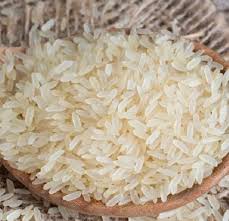
Table of Contents
What Makes Thai Parboiled Rice Different
Before we get to Thai parboiled rice for Caribbean importers specifically, a quick word on the process. Parboiling is the same basic idea everywhere: soak the paddy, steam it, dry it, then mill it. But how it’s done changes the result a lot.
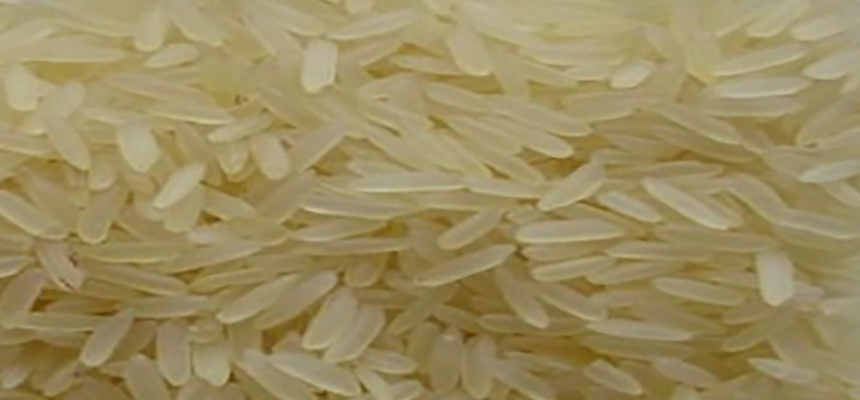
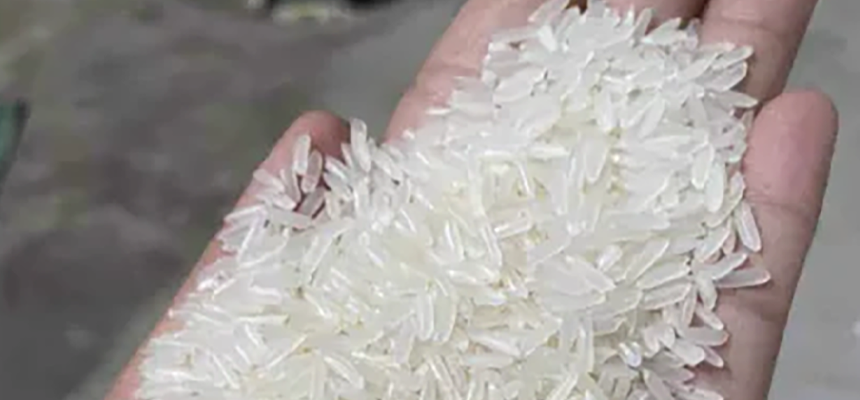
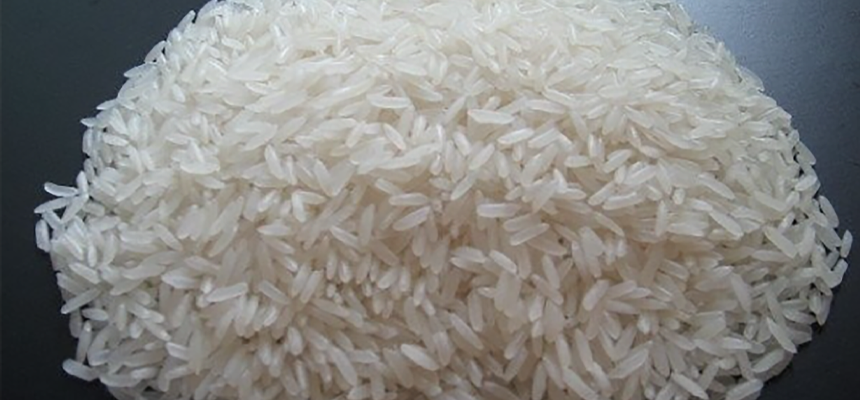
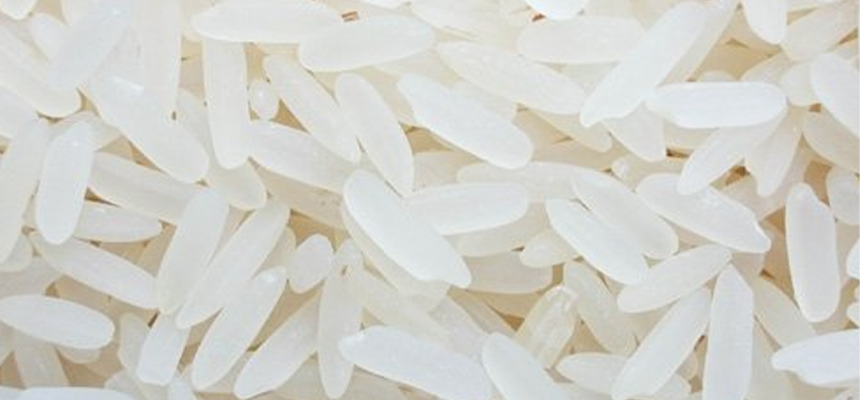
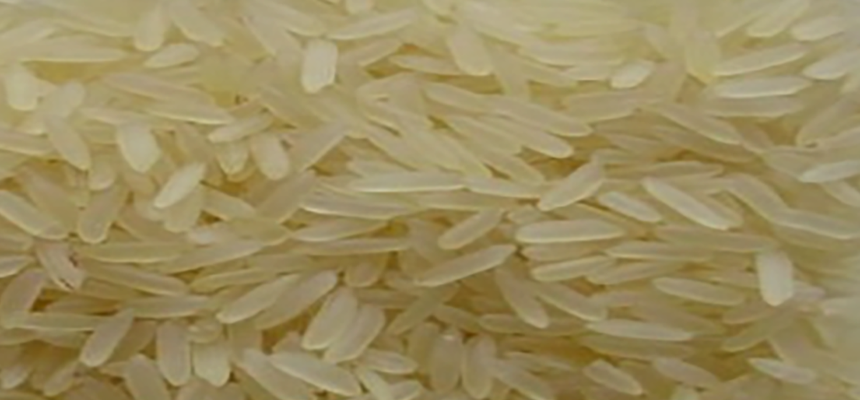
Thai mills tend to run modern parboiling plants with careful control over soaking time, steam pressure and drying. That gives a light, even golden colour, firm grains and very little smell. Badly controlled parboiling gives you dark grains, a strong odour and a lot of breakage. That difference is the main reason buyers look at Thai parboiled rice for Caribbean importers in the first place.
Thailand is also one of the world’s biggest rice exporters, so the whole supply chain, from farms to mills to ports, is used to moving large volumes. You can read about the scale of it on Wikipedia’s rice production in Thailand page.
The Grades We Offer
We offer four grades of Thai parboiled rice for Caribbean importers. Each one suits a different kind of buyer.
- Thai parboiled rice 5% broken: premium, long and whole, best for supermarket shelves
- Thai parboiled rice 15% broken: the everyday grade for wholesale and food service
- Thai parboiled rice 25% broken: price-led, common in tenders and institutional buying
- Thai parboiled rice 100% broken: for feed, flour, brewing and food processing
Full Specifications
These numbers go into our sales contract for Thai parboiled rice for Caribbean importers. Use them to compare offers.
| Specification | 5% Broken | 15% Broken | 25% Broken | 100% Broken |
|---|---|---|---|---|
| Grain | Long grain parboiled | Long grain parboiled | Long grain parboiled | Broken parboiled |
| Broken grains | 5% max | 15% max | 25% max | 100% |
| Moisture | 14% max | 14% max | 14% max | 14% max |
| Foreign matter | 0.1% max | 0.2% max | 0.5% max | 0.5% max |
| Damaged and yellow grains | 0.5% max | 1% max | 1.5% max | 2% max |
| Black and pecky grains | 0.1% max | 0.2% max | 0.5% max | 1% max |
| Paddy grains | 5 per kg max | 10 per kg max | 15 per kg max | Not applicable |
| Colour | Light golden | Light golden | Light golden | Light golden |
| Crop | Current crop | Current crop | Current crop | Current crop |
If you need a tighter spec, for example lower moisture for long storage or a specific whole grain length, tell us. We’ll tell you honestly whether we can meet it and what it does to the price.
Our quality control and rice standard pages explain how we test.
Thai vs Other Origins in the Caribbean
Caribbean importers have options, and Thai parboiled rice for Caribbean importers is only one of them. It helps to be honest about where each origin fits.
Guyana and Suriname
The traditional regional suppliers, close by and inside CARICOM, which helps on duty. Quality can be good, but supply and prices move with their harvests and weather, and importers sometimes struggle for volume.
United States
US parboiled rice is well known and often enriched. Freight is short. Prices can be high, especially when the US crop is tight.
India and Vietnam
Both export a lot of parboiled rice, often at competitive prices. Quality and colour can vary more between lots and suppliers, so samples and inspection matter even more.
Thailand
Thai parboiled rice for Caribbean importers sits at the steady end: consistent colour and grain, a full ladder of grades, and mills that are used to private label work. Freight is longer, so it has to be planned. It won’t always be the cheapest, but it’s very reliable.
Many of our Caribbean buyers use Thai rice as a second source next to a regional one. When regional supply tightens, they shift more volume to us. That’s a sensible way to protect your shelves. Our overview of parboiled rice demand in the Caribbean explains why supply gaps keep happening.
Shipping Thai Parboiled Rice to the Caribbean
Rice leaves from Laem Chabang, near Bangkok. Most services to the Caribbean run with one or two transshipments, often through regional hubs such as Kingston or Caucedo, or through Panama. Smaller islands are served by feeder vessels from those hubs.
Typical transit times run six to eight weeks to port, depending on route and island. Add two to four weeks for milling, packing and loading.
For regular buyers, Thai parboiled rice for Caribbean importers works best on a rolling schedule. A container every four to eight weeks keeps stock fresh and avoids panic buying.
A 20ft container takes about 25 tonnes of bagged rice. See our guide on how many tons of rice fit in a 20ft container.
FOB or CIF?
We quote Thai parboiled rice for Caribbean importers both ways. FOB means you book the freight. CIF means we book it to your port and include insurance.
For most first-time Caribbean importers, CIF is easier, because feeder legs to small islands are hard to arrange yourself. Bigger importers with their own forwarders often prefer FOB. Our FOB vs CIF rice price guide explains the trade-offs.
Duties and Regional Trade Rules
Most of the region belongs to CARICOM, which applies a common external tariff to many imports from outside the bloc. Thai parboiled rice for Caribbean importers usually falls under that external tariff, while Guyanese and Surinamese rice can move on preferential terms inside the community. Some countries apply suspensions or special rates from time to time.
Rates change and vary island by island. Always ask your customs broker for the current duty on your HS code before you finalise your margin. Non-CARICOM territories, like some Dutch and French islands, have their own rules.
Documents We Provide
Every container comes with:
- Commercial invoice
- Packing list
- Bill of lading
- Certificate of origin
- Phytosanitary certificate
- Fumigation certificate
- Certificate of analysis
- Independent inspection certificate on request
We send drafts before the vessel sails so your broker can check names, weights and descriptions. Our rice export documents checklist lists everything.
Packing Options
Caribbean markets use both kilos and pounds, so we pack Thai parboiled rice for Caribbean importers in either.
| Packing | Typical use |
|---|---|
| 1 kg, 2 kg, 5 kg | Supermarket shelves |
| 4 lb, 10 lb, 25 lb | Supermarkets and shops in pound markets |
| 50 lb, 100 lb | Wholesale and food service |
| 25 kg, 50 kg | Wholesale and institutions |
| 1 tonne jumbo | Repackers and processors |
Bags can be plain, printed with our brand, or printed with yours. Most regular buyers of our Thai parboiled rice for Caribbean importers end up building their own brand.
Private Label for Caribbean Brands
Private label is a big part of how we sell Thai parboiled rice for Caribbean importers. You give us your artwork, or we design a bag around your brand. You approve a proof. We print the bags, pack your rice, and ship it ready for the shelf.
A few things to sort out early:
- Labelling rules in each island you sell to
- Barcodes, if your retailers require them
- Net weight in pounds, kilos or both
- Cooking instructions and storage advice
New bag designs usually add one to two weeks to the first order. Repeat orders use the bags already printed, so they’re quicker. More on this in our post on rice suppliers for supermarkets.
From Sample to Shelf: How an Order Runs
Here’s the usual sequence for a first order of Thai parboiled rice for Caribbean importers.
- You send grades, packing, quantity and port
- We courier samples, usually two or three grades
- You cook them, compare them, and pick
- We send a dated FOB and CIF offer
- You confirm, pay a deposit or open a letter of credit
- We prepare bags, mill, pack and inspect
- The container is loaded and sails
- We send drafts, then original documents by courier
- The container lands, your broker clears it, and you truck it to your store
The whole process from first email to rice on your shelf usually takes two to three months for a first order. Repeat orders run faster.
Pricing
The price of Thai parboiled rice for Caribbean importers depends on the grade, packing, quantity, the Thai market that week and the exchange rate. That’s why we send dated offers, usually valid for a few days.
Parboiled rice is often better value than people expect, because parboiled grains break less in milling. Our post on why parboiled rice is cheaper explains it.
When you compare our offer with others, compare like for like. Same grade, same moisture, same packing, same terms. A low price for 25% broken isn’t a bargain against 5% broken.
Payment Terms
For first orders of Thai parboiled rice for Caribbean importers we usually work with a T/T deposit and the balance against copy documents, or an irrevocable letter of credit at sight. As trust builds, terms can be adjusted. We don’t ask buyers to pay 100% up front with no inspection, and you shouldn’t accept that from anyone.
Island by Island Notes
Trinidad and Tobago
A strong parboiled market with a big food service sector. See our guide to bulk parboiled rice for Trinidad and Tobago.
Jamaica
Kingston’s port makes shipping easier. Read more on parboiled rice suppliers in Jamaica.
Barbados
Demanding retail shoppers, so 5% broken under a good label does well.
The Bahamas
Imports nearly all its food, and buyers value reliability. Many take mixed containers of parboiled and white rice.
The Eastern Caribbean
Smaller volumes, often handled by one distributor serving several islands. Mixed containers work best.
What Importers Tell Us Matters Most
We ask every new buyer why they’re looking at Thai parboiled rice for Caribbean importers. The answers fall into a handful of groups.
- Their current supplier ran short. This is the most common one. A regional harvest fell short or prices jumped, and the shelves went thin.
- Quality kept changing. One container fine, the next one dark or broken. Customers noticed.
- They want their own brand. Their old supplier wouldn’t pack private label, or charged a lot for it.
- They want a second source. Not to replace anyone, just to stop relying on one mill.
Whatever the reason, the fix is usually the same: a written spec, samples from the real lot, inspection at loading, and a supplier who answers emails. That’s what we try to give.
Planning Stock Around Caribbean Holidays
Rice sales across the islands follow the calendar. Christmas is the biggest peak almost everywhere. Carnival seasons, Easter, Divali and Eid all lift sales in different places. Tourist season brings hotels and resorts into the market from around December to April.
To have Thai parboiled rice for Caribbean importers on your shelves in time, count backwards. Two to four weeks for milling and packing, six to eight weeks at sea, a week or two to clear and truck. So for a mid-December peak, your order should be with us by around early September. We know that feels early. Buyers who leave it to October usually end up paying more somewhere else.
Mixed Containers Make Sense
A full container of one grade is a lot of stock for a smaller importer. Mixing grades and packs lets you test the market and cover more customers from one shipment.
Here’s a split we often pack for island distributors:
| Product | Packing | Rough share |
|---|---|---|
| Parboiled 15% broken | 50 lb sacks | 40% |
| Parboiled 5% broken | 4 lb and 10 lb own brand | 35% |
| White rice 5% broken | 10 lb bags | 15% |
| Jasmine rice | 5 lb bags | 10% |
You can change the split on every order as you learn what sells. That flexibility is one of the reasons Thai parboiled rice for Caribbean importers works well for small and mid-size buyers, not just the big ones.
A First Container, Start to Finish
Here’s a recent example, slightly changed for privacy. A distributor in the Leeward Islands had been buying parboiled rice through a trader in Miami. The rice was fine, but the price kept creeping up and he never knew which mill it came from.
He contacted us about Thai parboiled rice for Caribbean importers, asked for samples of 5% and 15% broken, and cooked them side by side with his current rice. His staff preferred our 15% for colour. He ordered one 20ft container: mostly 15% broken in 50 lb sacks, plus some 5% broken in 10 lb bags under his own label.
We sent the bag proof, he approved it the same day, and the bags were printed in about ten days. His surveyor checked the rice at loading. The container went via a hub port and a feeder, and arrived about seven weeks after sailing. His broker had checked our draft documents in advance, so it cleared without trouble. He’s on his fourth container now.
Nothing in that story is clever. It’s just the basics done properly, which is what most buyers want from any supplier of Thai parboiled rice for Caribbean importers.
Working With Your Freight Forwarder
If you buy FOB, your forwarder is a big part of the picture. A good one will know which lines call at your island, how often the feeder runs, and what the local terminal charges are.
Share our loading schedule with your forwarder as soon as we confirm the order. Make sure the booking is in place before the rice is ready, so the container isn’t waiting at our mill. And agree who pays for what at each end, because surprise charges at destination are the most common complaint we hear from first-time buyers of Thai parboiled rice for Caribbean importers.
If you’d rather not deal with any of that, buy CIF and we’ll handle the booking to your port.
Food Service Buyers in the Islands
Hotels, resorts, restaurants and caterers are a big slice of the market, and they buy differently from supermarkets. They care about yield, holding time and price per cooked portion more than how the grain looks in a bag.
For them we usually suggest 15% broken in 50 lb or 25 kg sacks. It cooks almost like 5% broken, holds on a buffet line for hours, and costs less. Some resorts take 5% broken for the dining room and 25% broken for staff canteens. We’ve written more on this in our post on rice supply for food manufacturers, which covers bulk users in general.
Storage in the Islands
Caribbean heat and humidity test any stored food. Thai parboiled rice for Caribbean importers copes better than white rice, but good habits still matter.
- Pallets under every stack
- Space between stacks and walls
- Dry, shaded, ventilated store
- First in, first out
- Monthly checks for insects or smell
With care, Thai parboiled rice keeps its quality for well over a year.
How We Check Quality
Before any Thai parboiled rice for Caribbean importers leaves our mill, each lot goes through moisture testing, size grading, colour sorting, a cooking test and fumigation. Bags are weighed on calibrated scales. You can appoint an independent surveyor to check the rice at loading, and we’ll give them full access.
We also keep reference samples from each shipment of Thai parboiled rice for Caribbean importers, so if there’s ever a question after arrival, we can compare.
Certificates
We can provide halal certification on request for Thai parboiled rice for Caribbean importers, and Thai rice is non-GMO, backed by lab reports. More in our posts on halal certified rice and non-GMO Thai rice.
Mistakes to Avoid
Comparing the wrong grades
Make sure every offer of Thai parboiled rice for Caribbean importers you compare is the same grade and spec.
Forgetting duty
Duty can change your landed cost more than the rice price. Check it first.
Ordering too late
Six to eight weeks at sea plus milling time means planning ahead.
No inspection
For a first order, always use an inspector. It’s cheap insurance.
Too many bag sizes too soon
Start with two or three sizes that you know sell. Add more later.
Frequently Asked Questions
What’s the minimum order for Thai parboiled rice for Caribbean importers?
One 20ft container, about 25 tonnes. You can split it across grades and packing. See our minimum order guide.
Can you ship to small islands?
Yes. Quote us your port and we’ll arrange CIF including the feeder leg.
Can we get samples first?
Yes, we courier samples so you can cook them before you order.
Do you also sell white and jasmine rice?
Yes. Many importers mix parboiled with Thai white rice or Thai jasmine rice in one container.
Do you sell long grain rice outside the Caribbean?
Yes, we ship worldwide. Buyers on the mainland can read our page on long grain rice exporters to Central America.
Order Thai Parboiled Rice for Caribbean Importers
If you import rice into the Caribbean and want a steady, consistent source of parboiled rice, we’d like to quote for your next container. Send us your grades, packing, quantity and port, and we’ll come back with samples and a dated offer.
De Thai Products 1989 Company Limited. Email info@dethairice.com, WhatsApp +66 81 034 6390, or use our contact page. You can also read about us or see all our products.
2 thoughts on “Thai Parboiled Rice for Caribbean Importers: Best Offer”